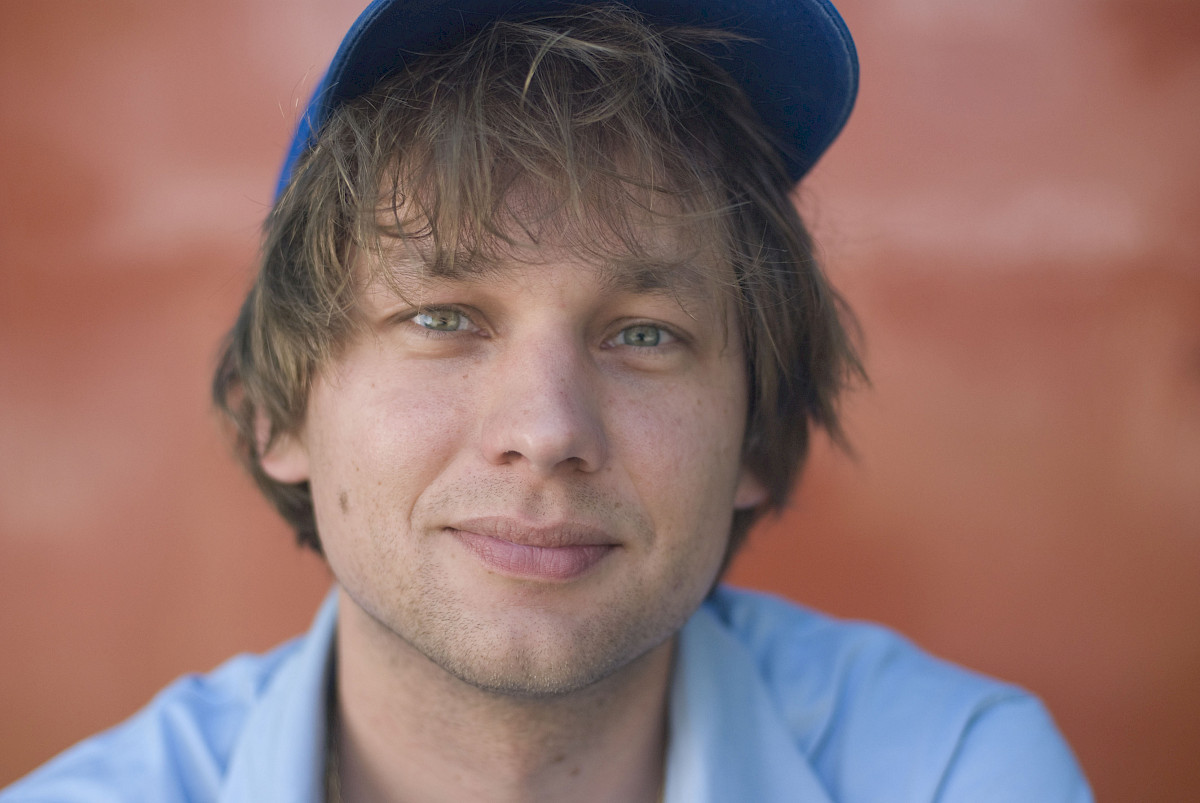
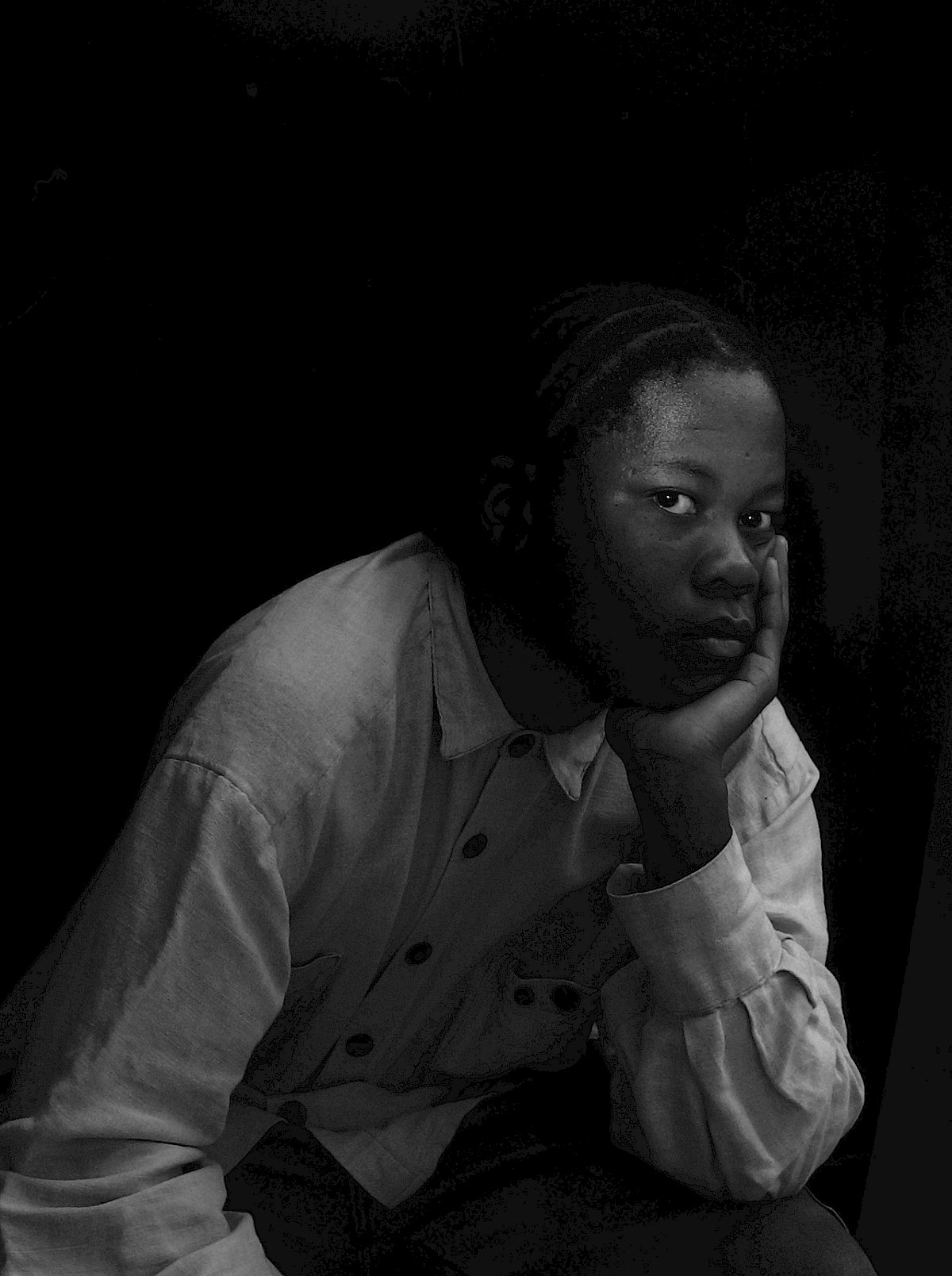
Viktorija Ilioska
–
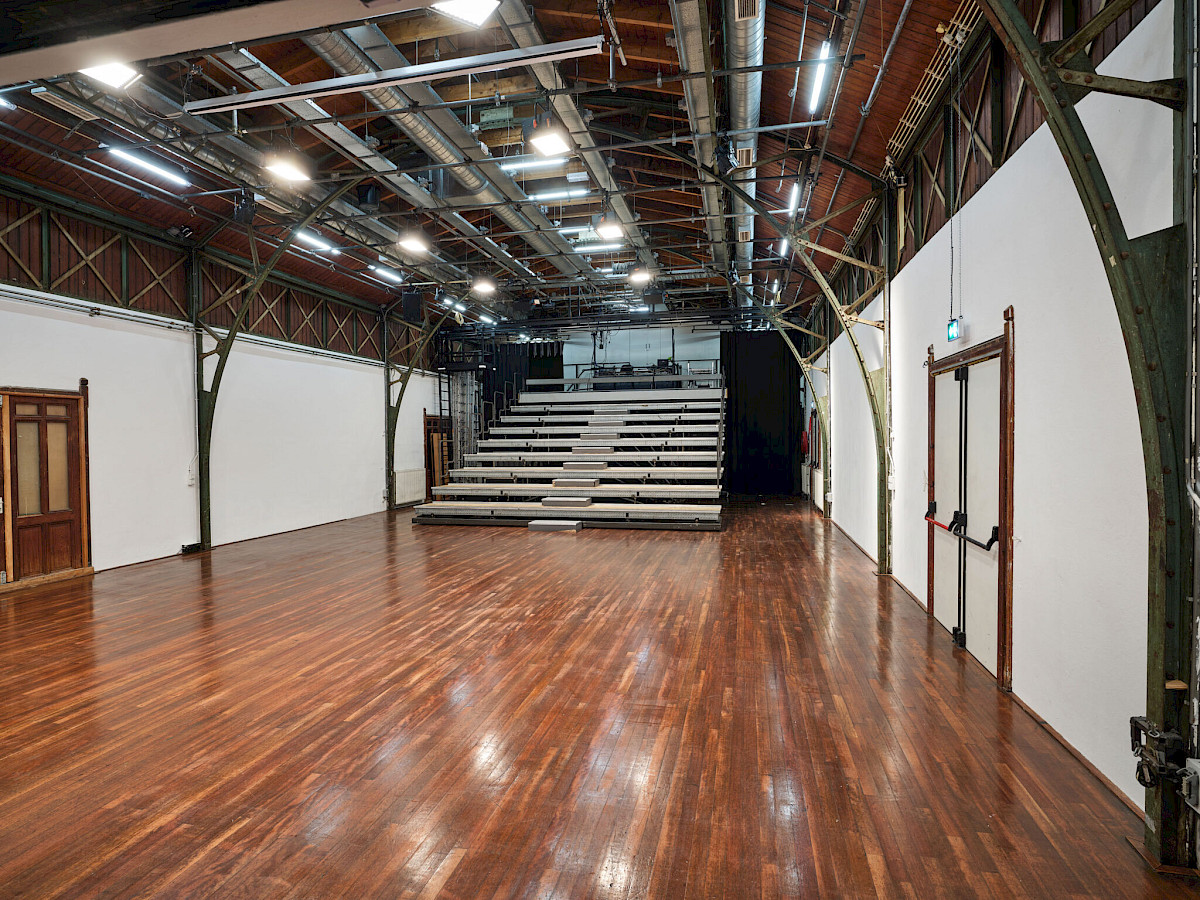
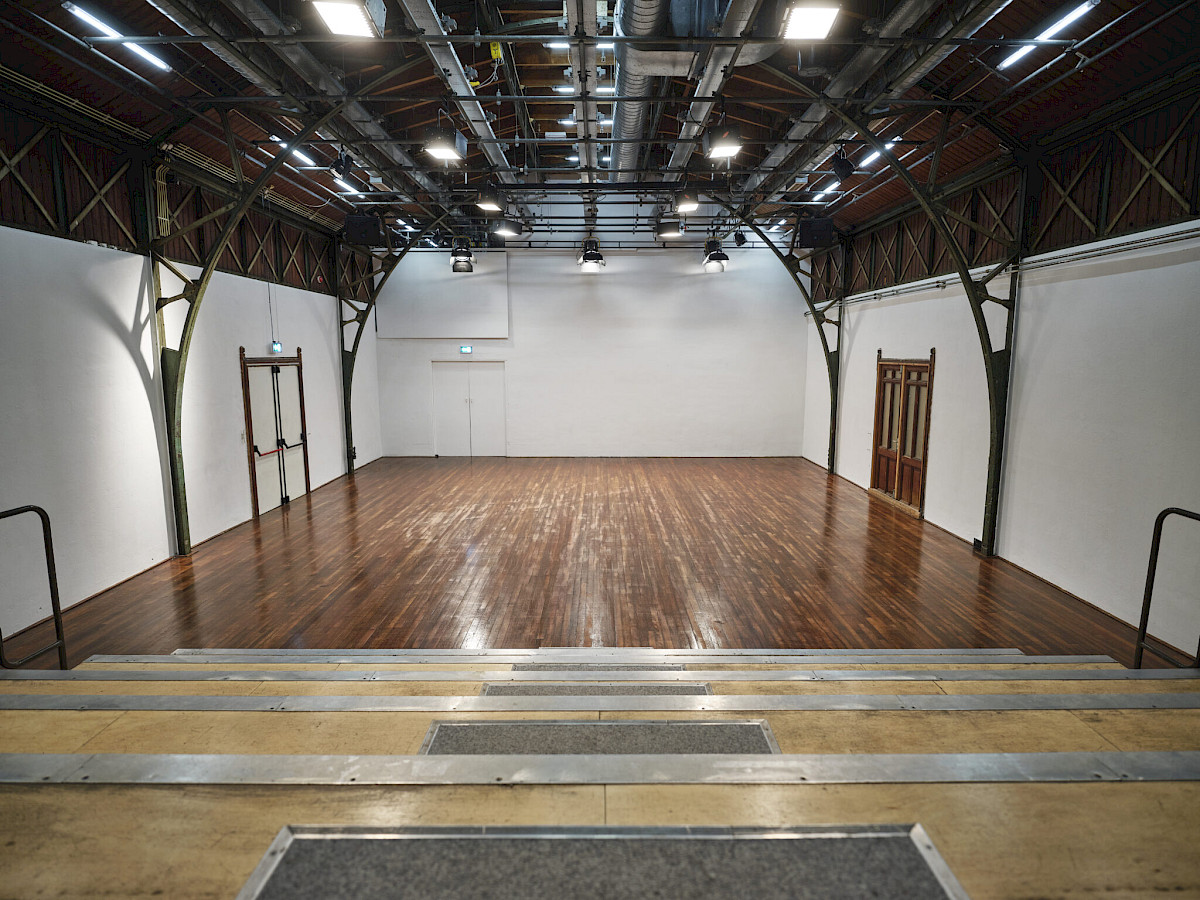
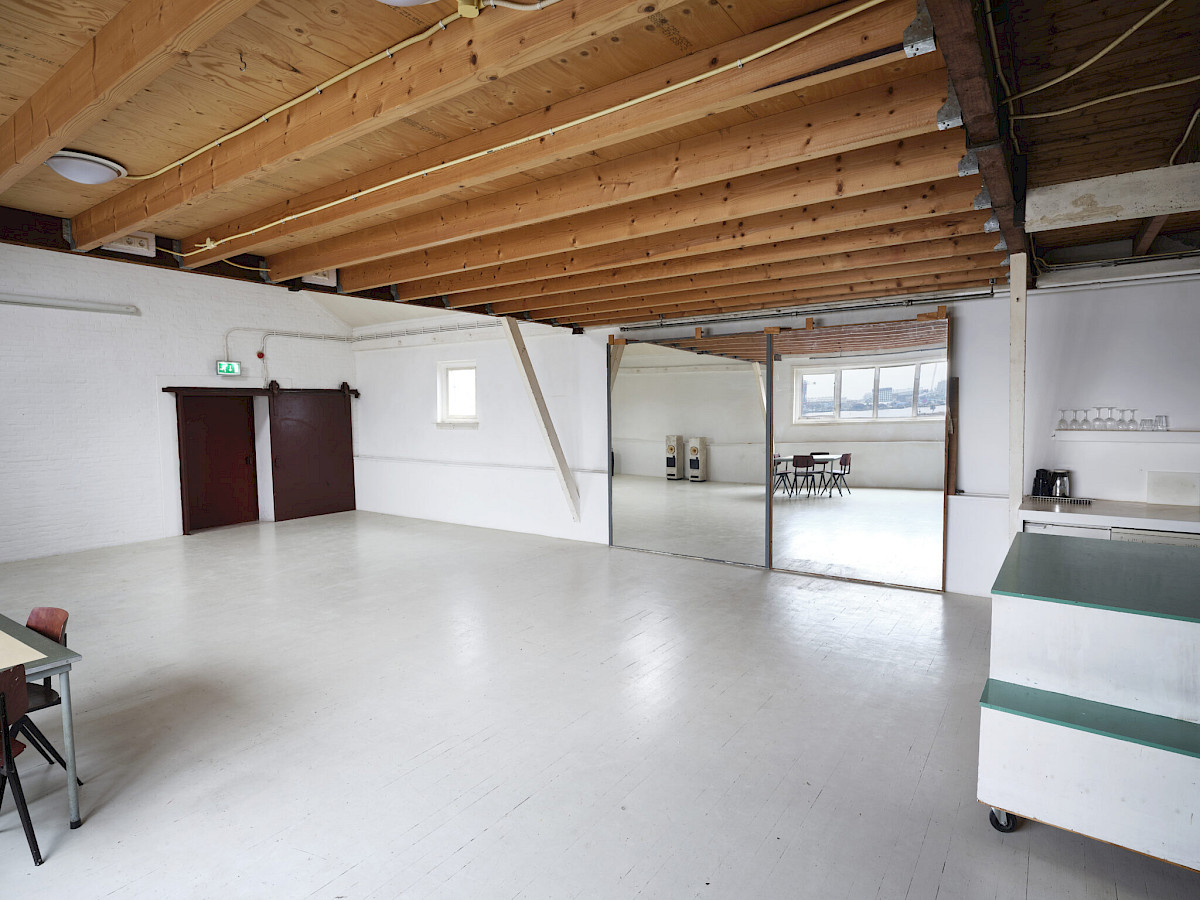
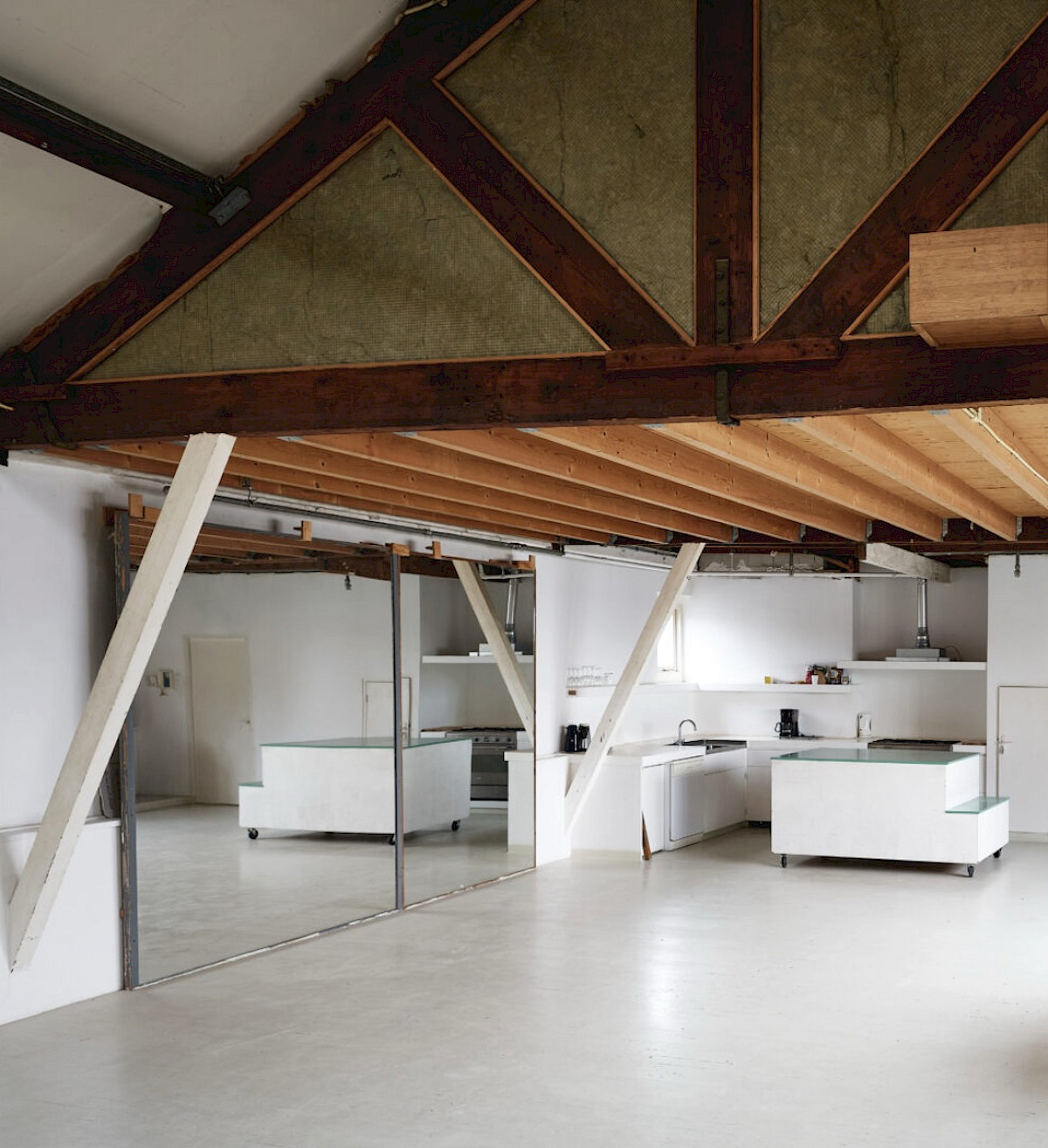
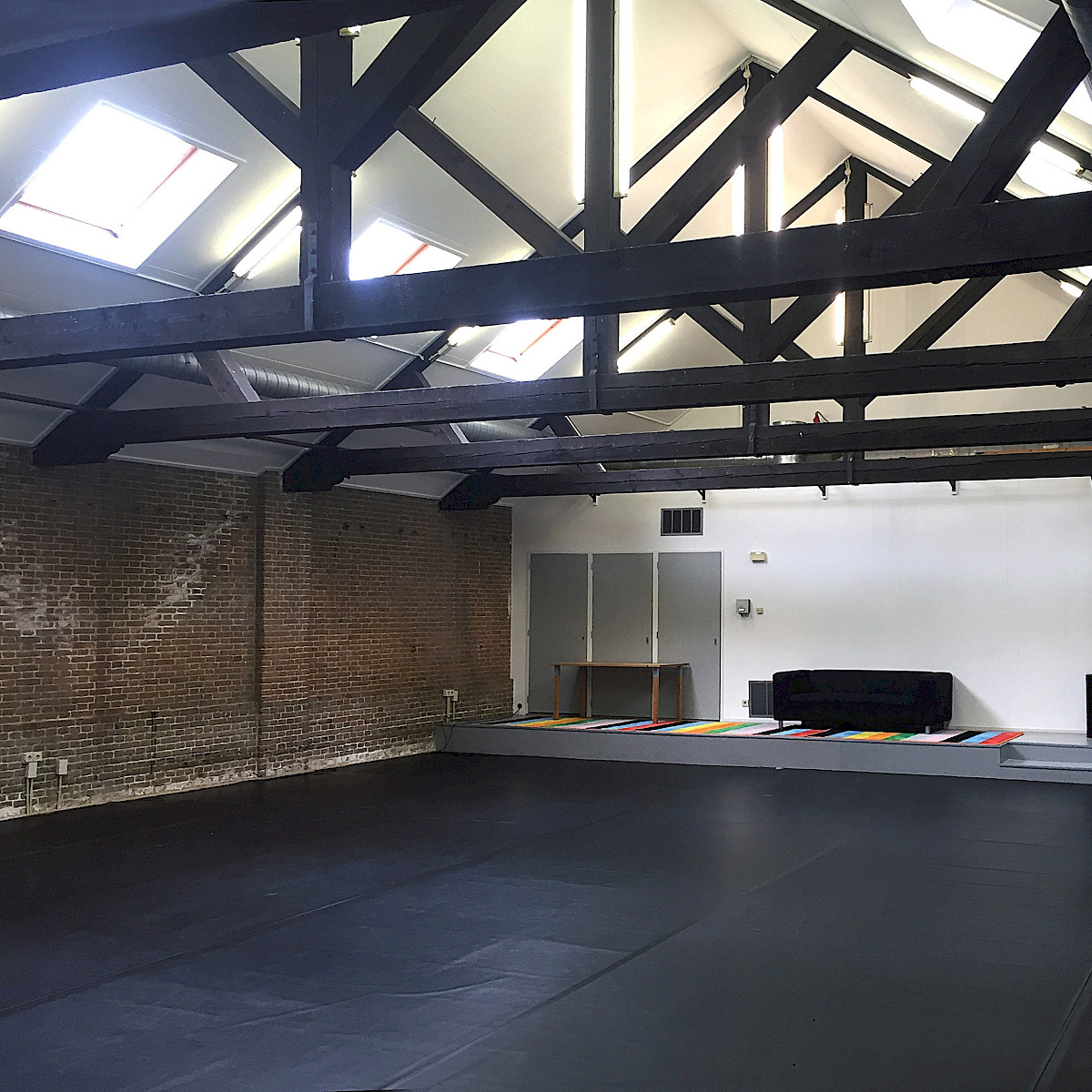
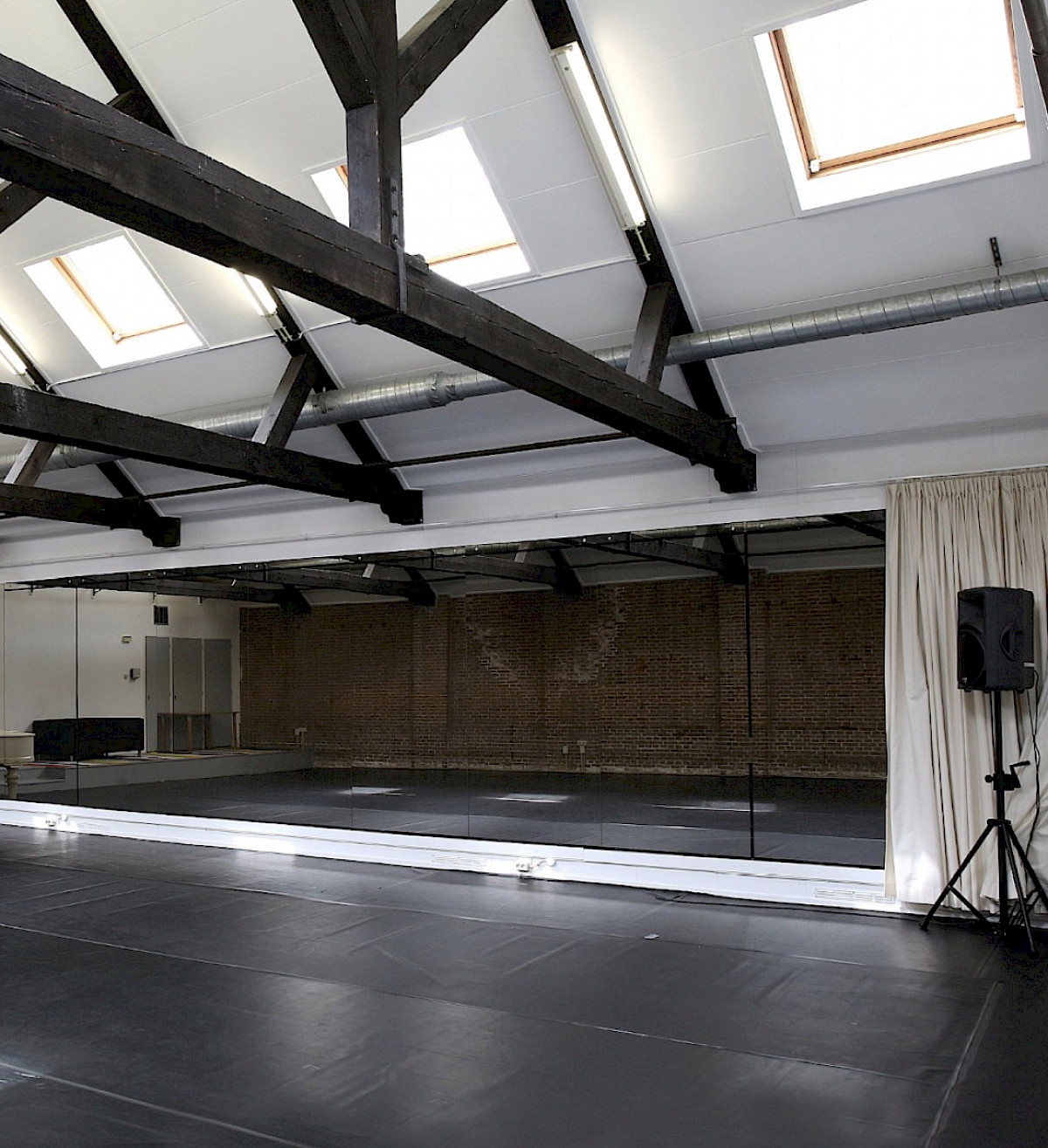
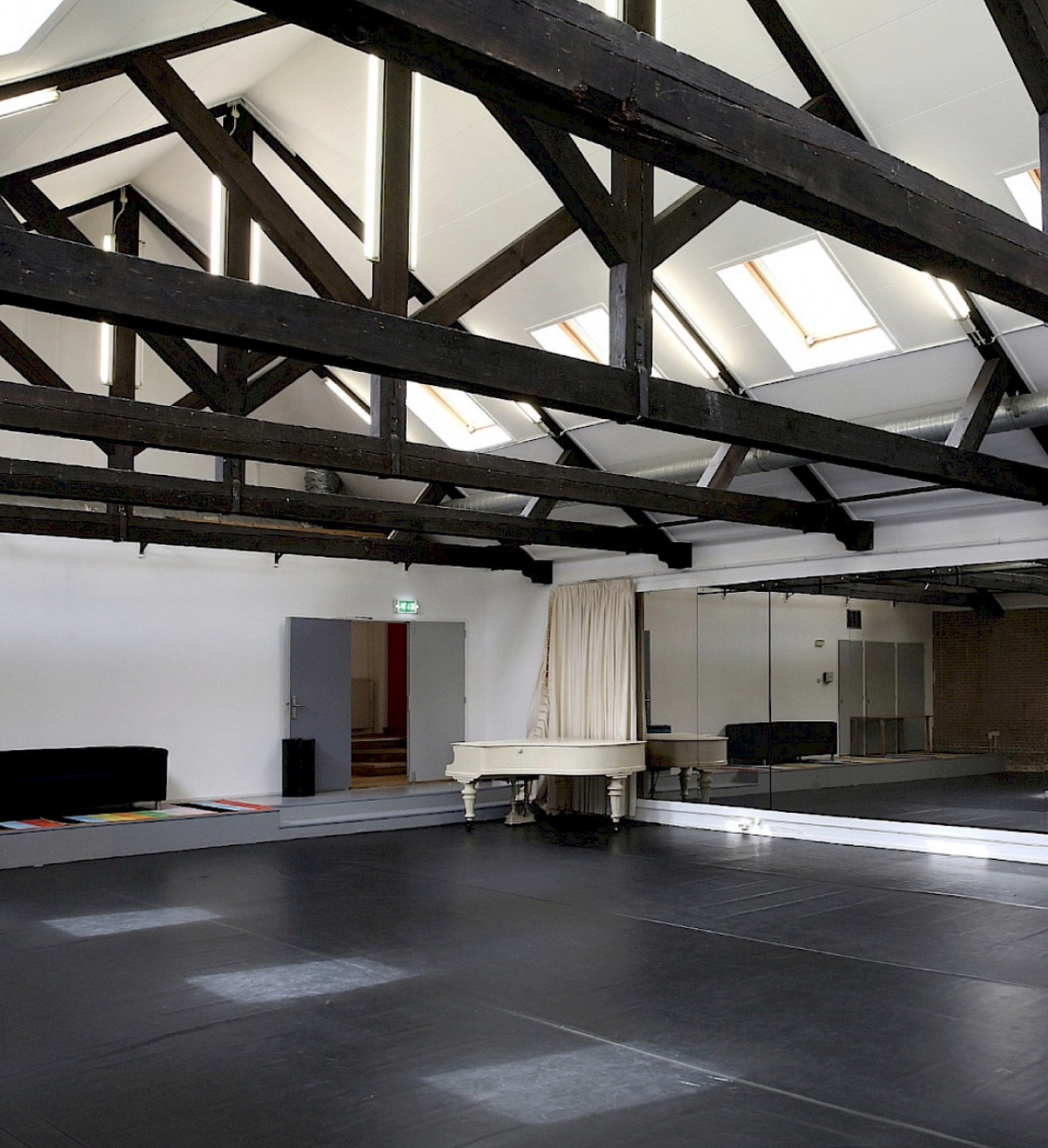
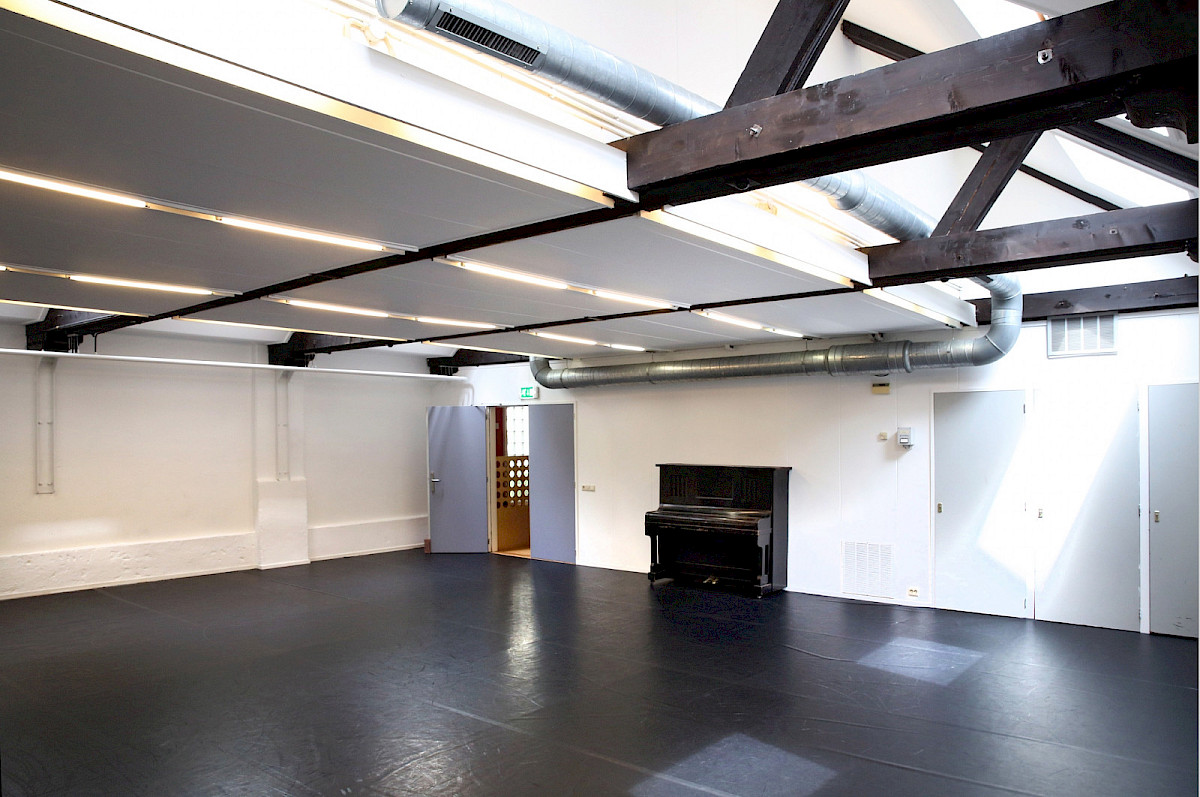
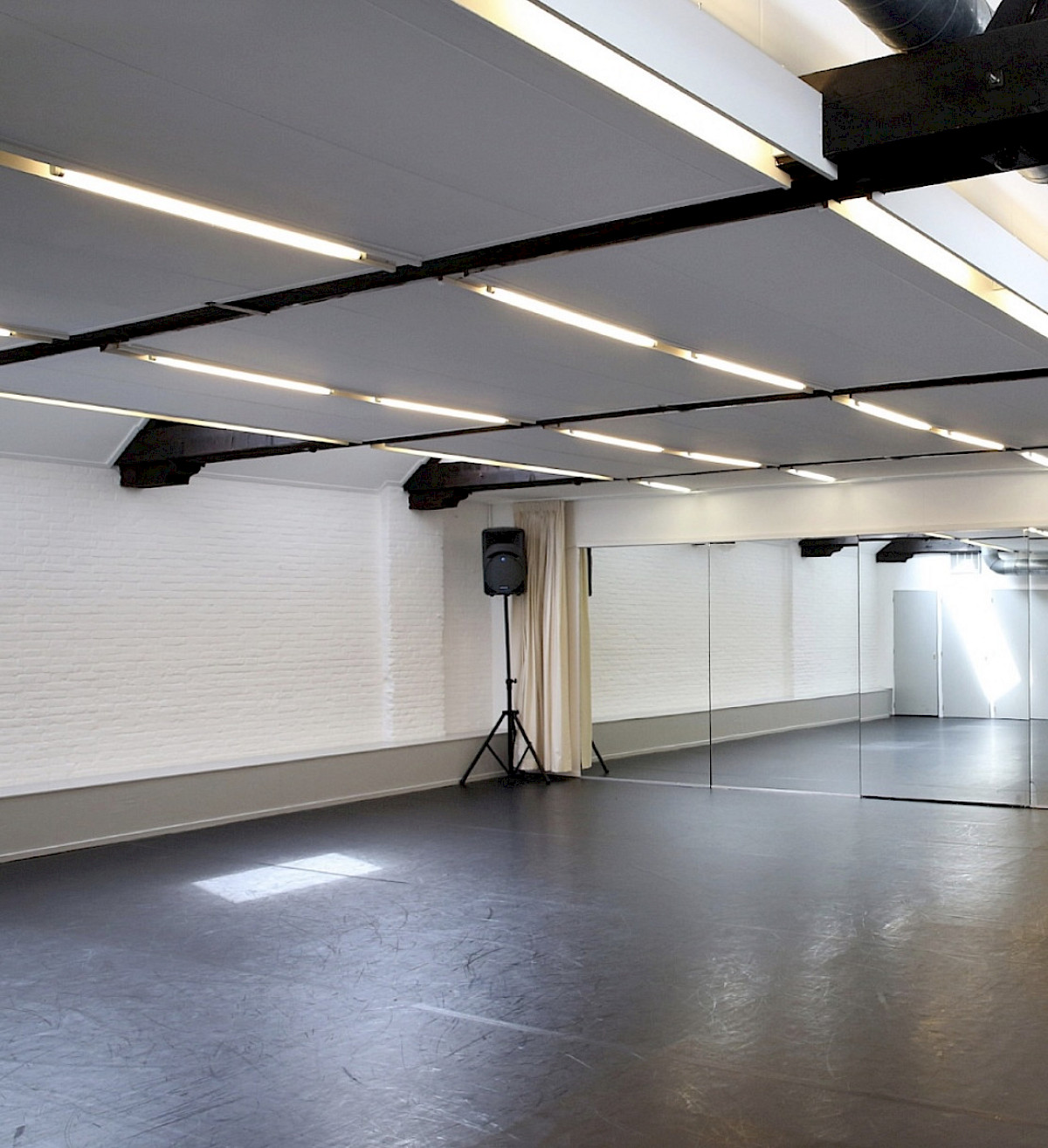
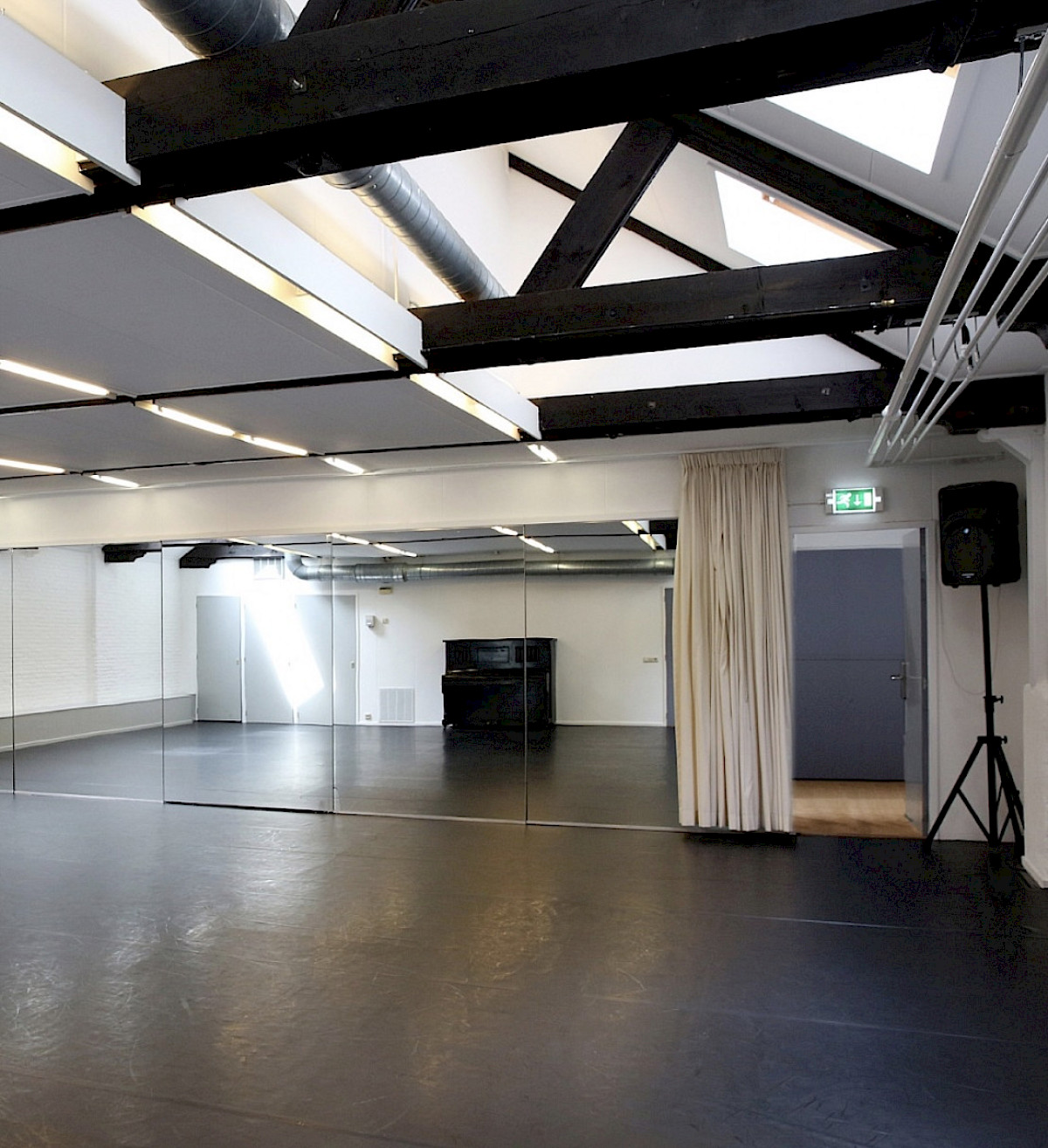
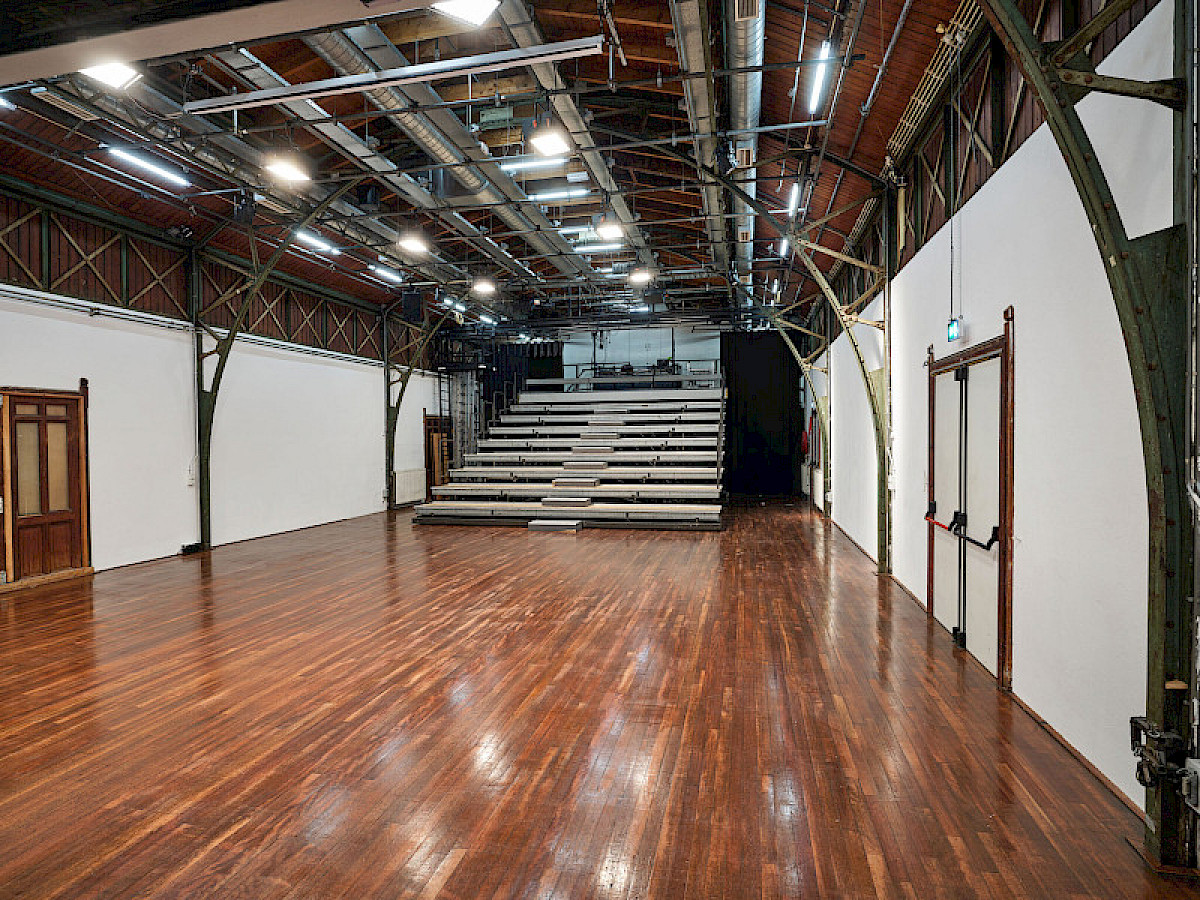
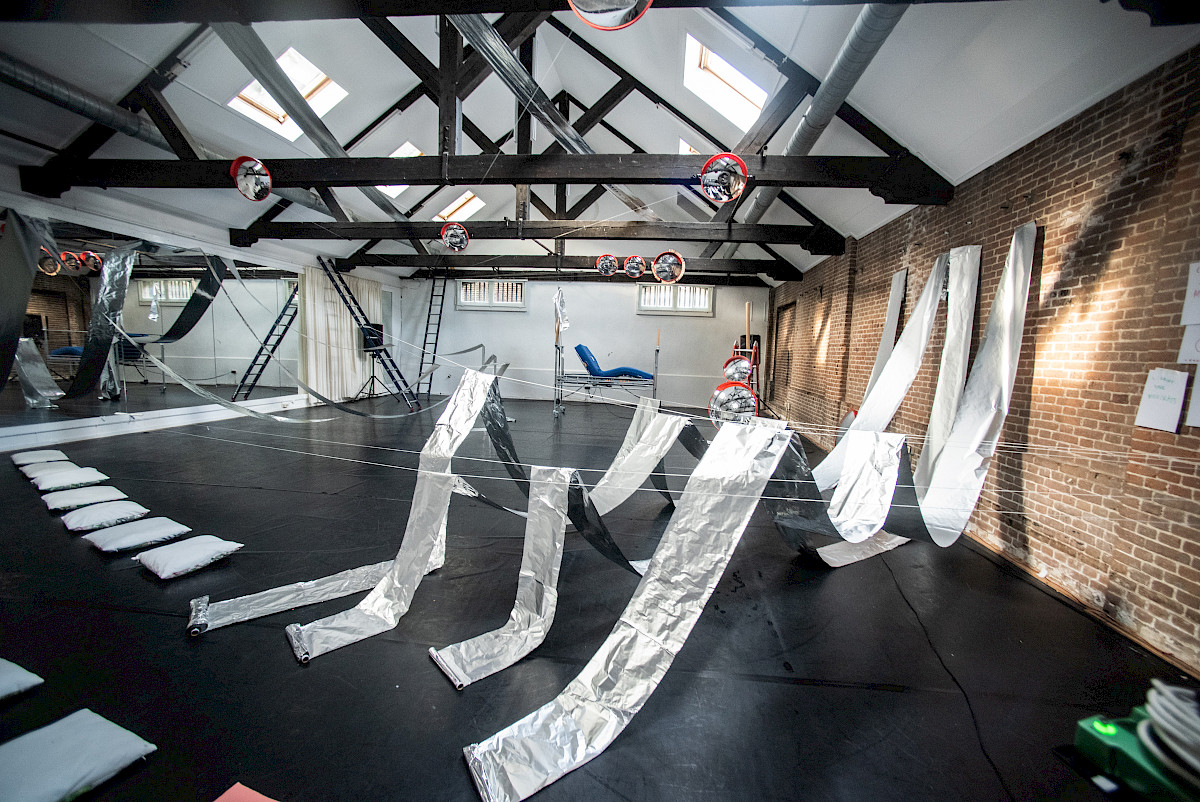
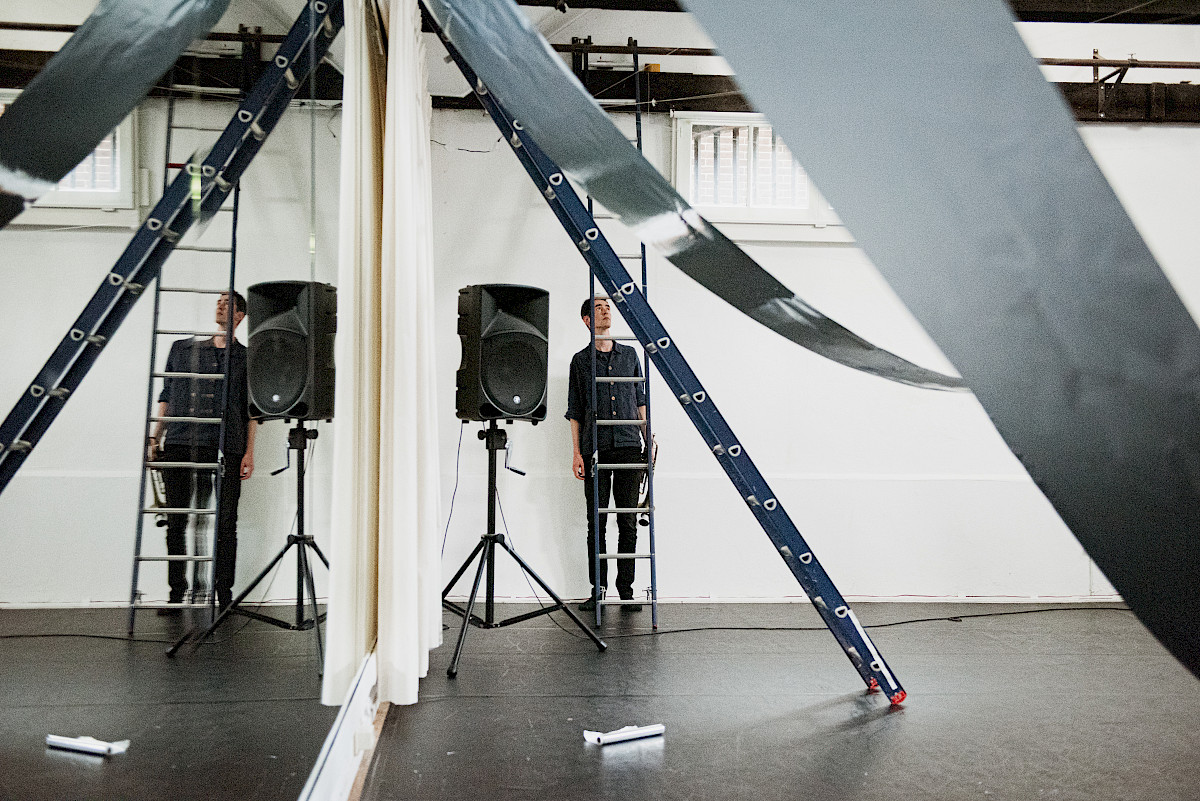
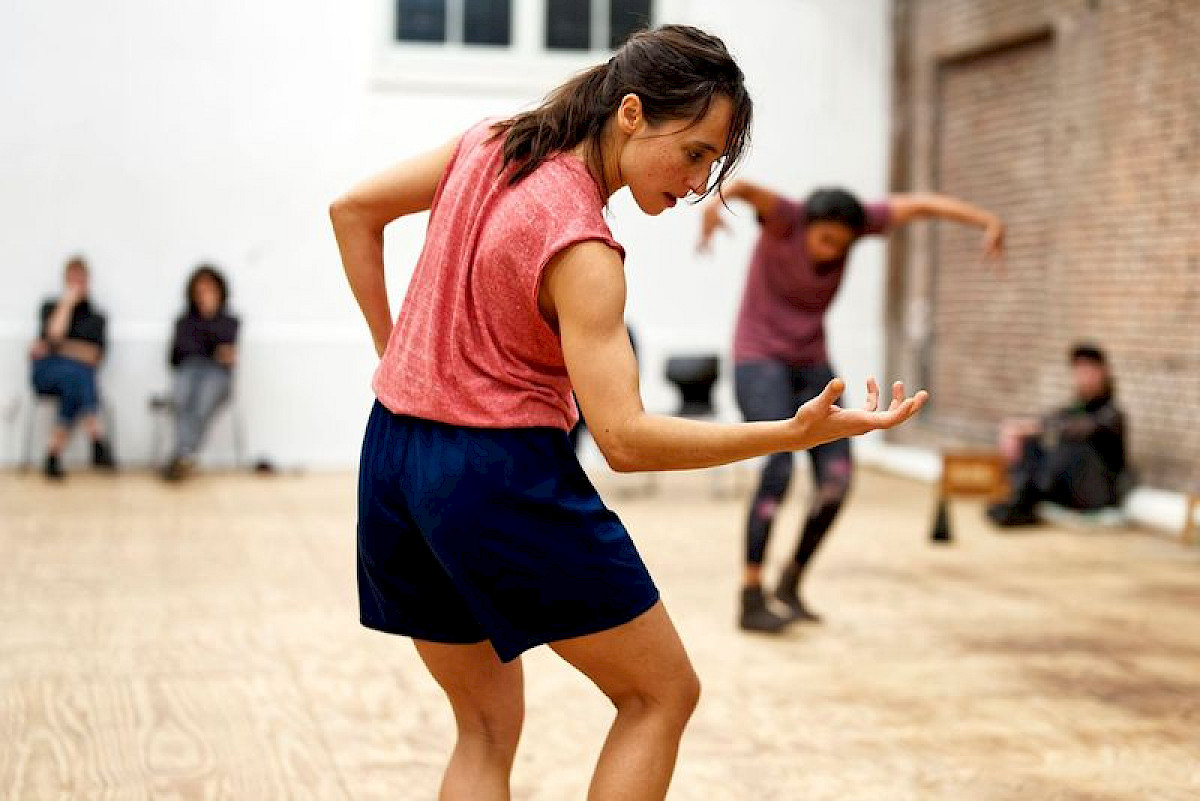
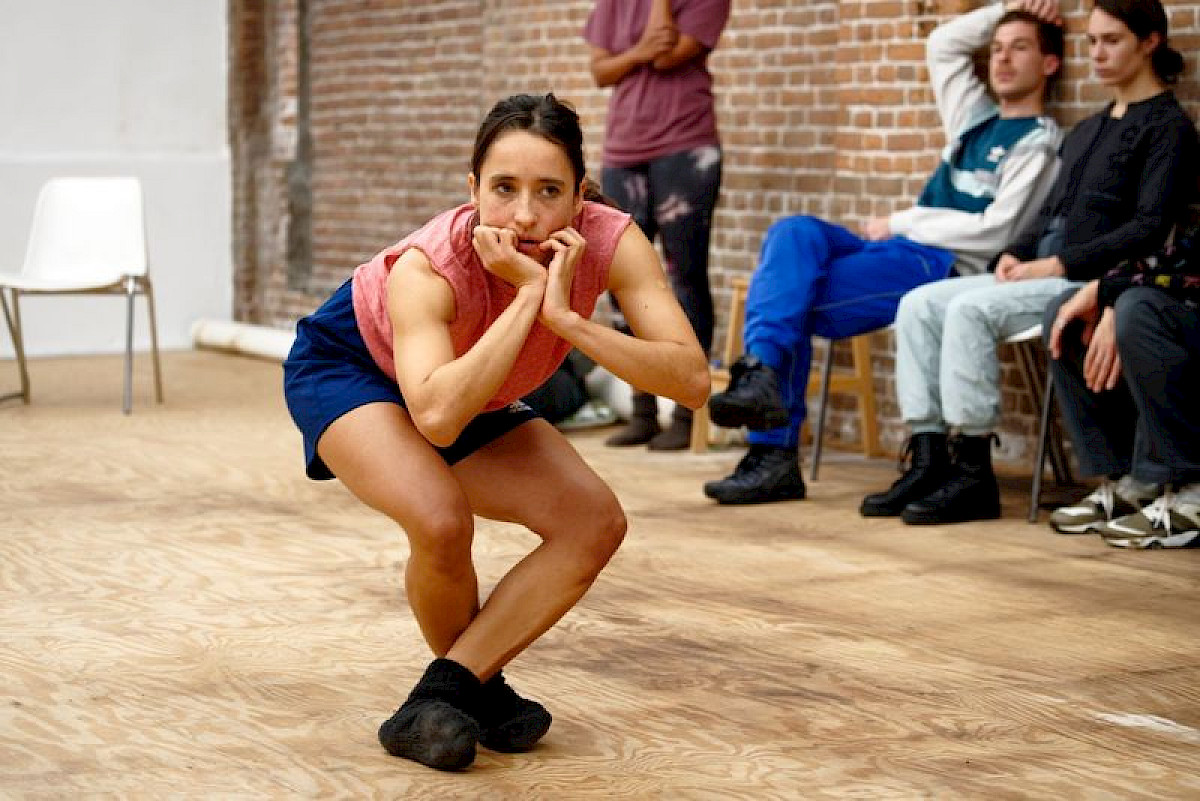
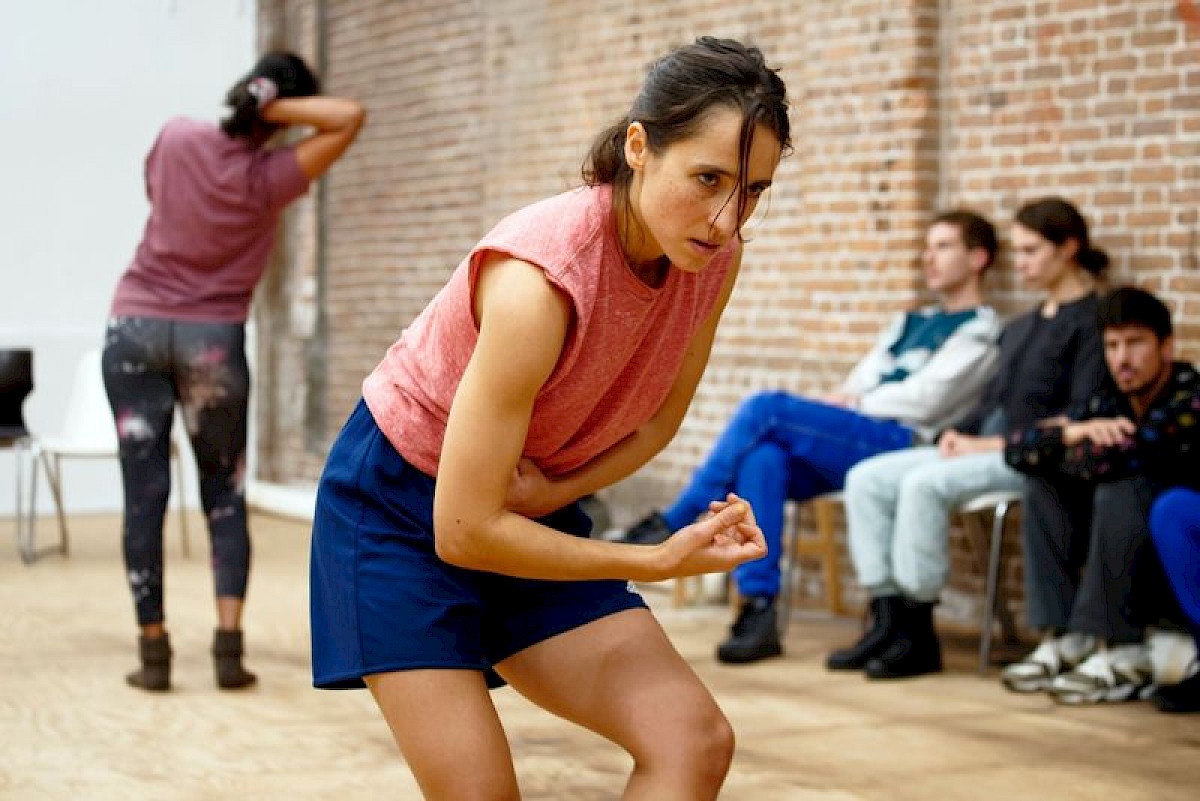
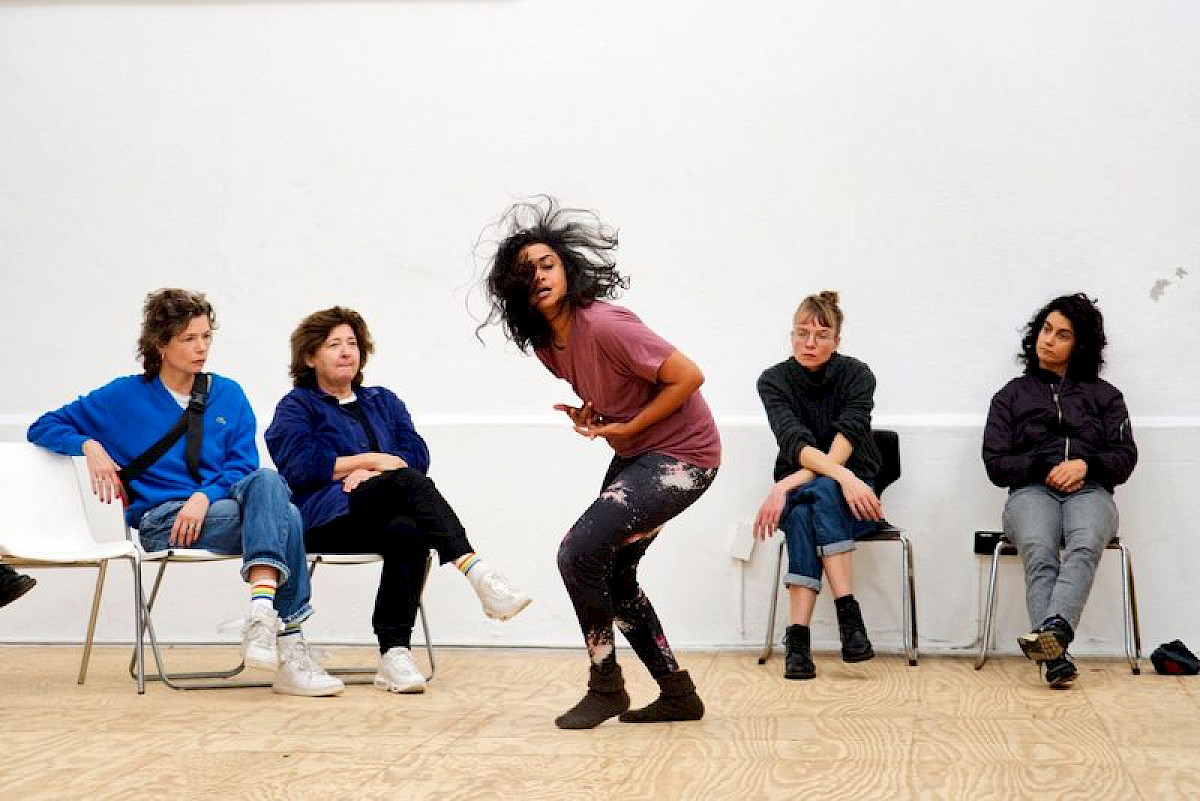
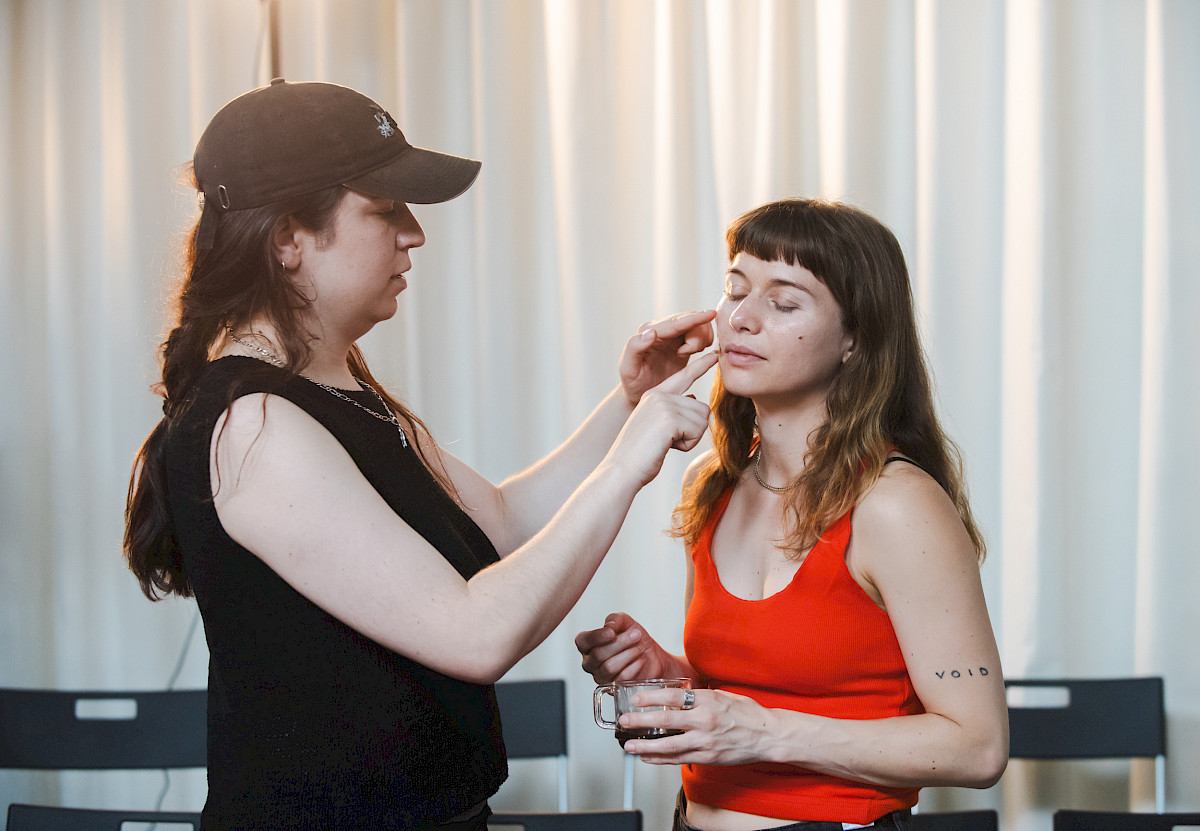
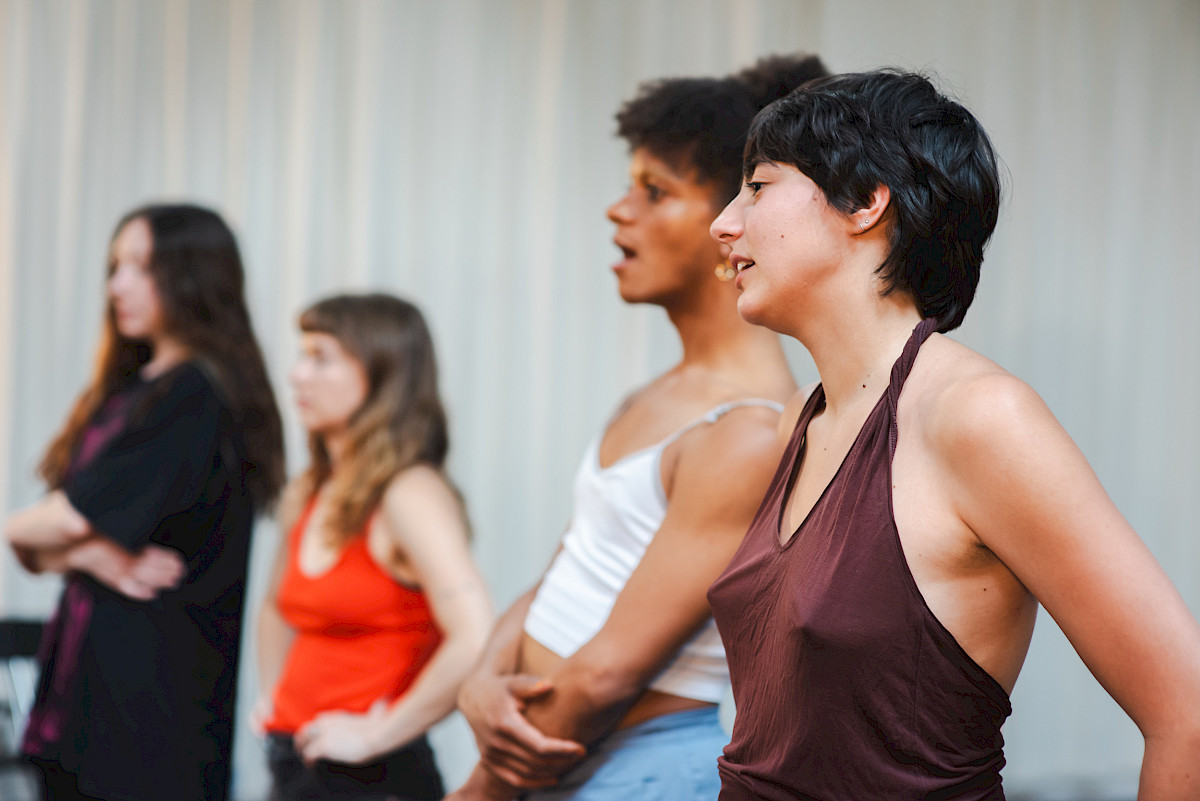
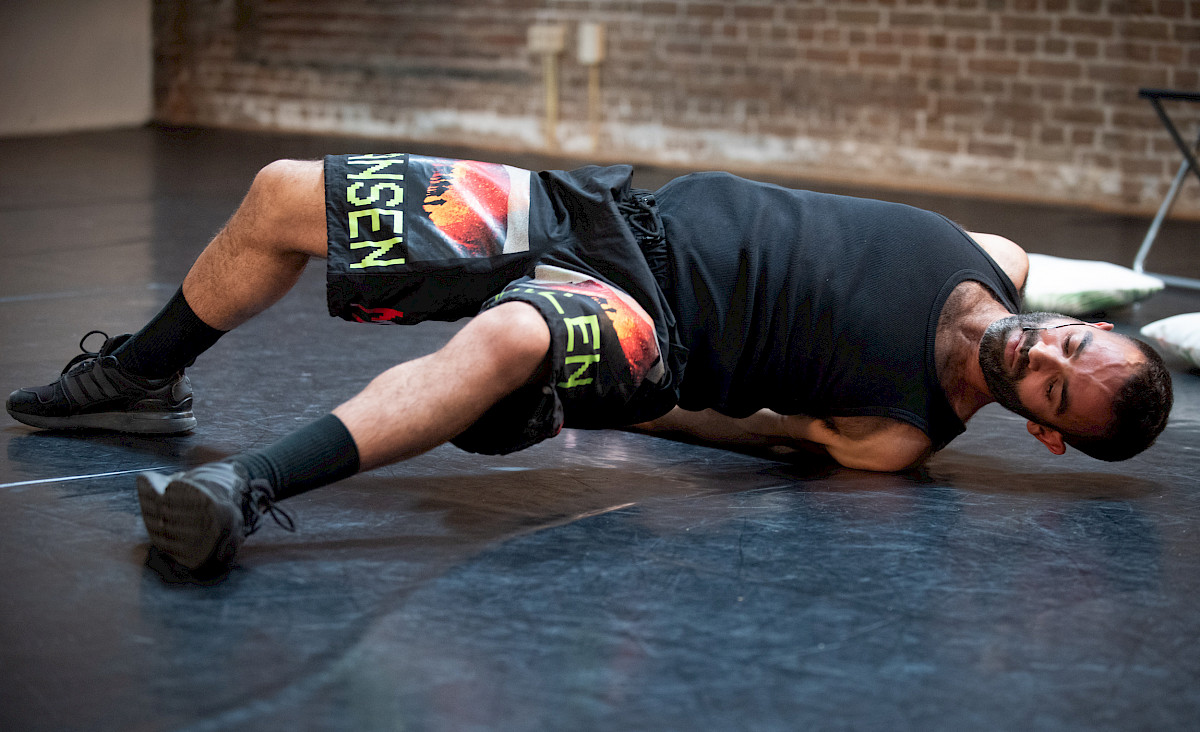
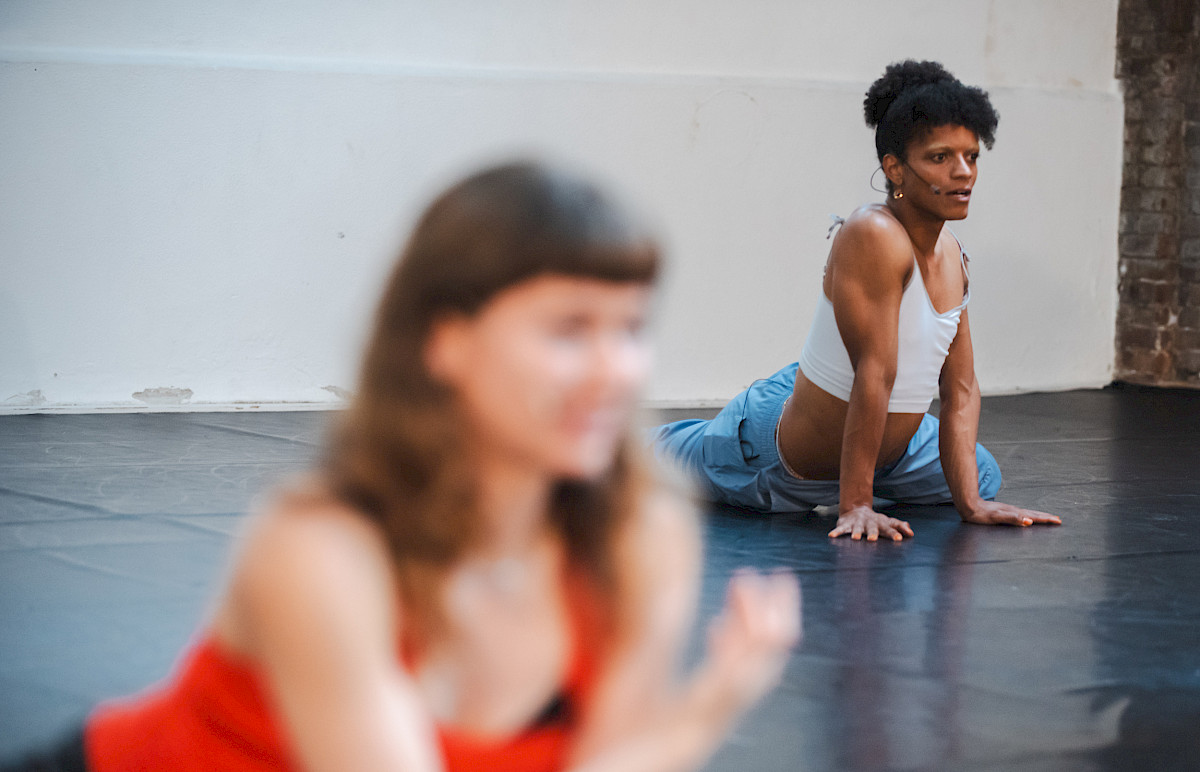
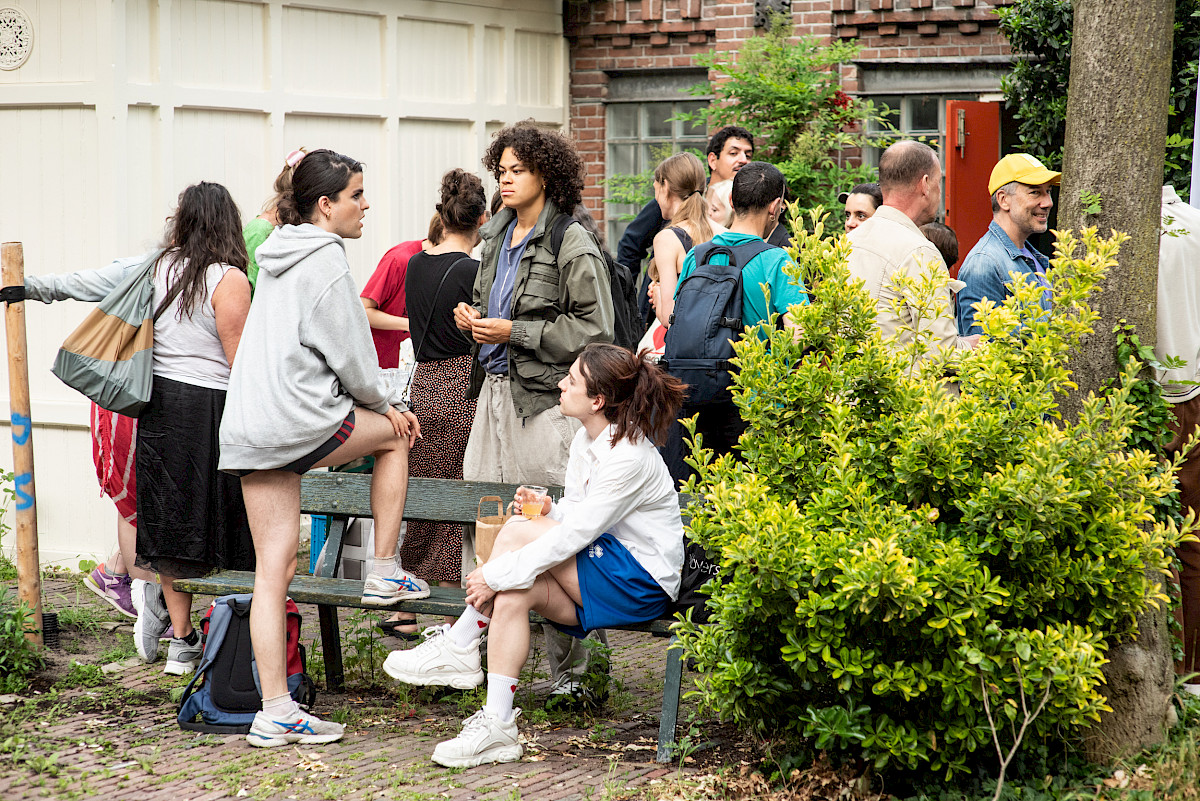
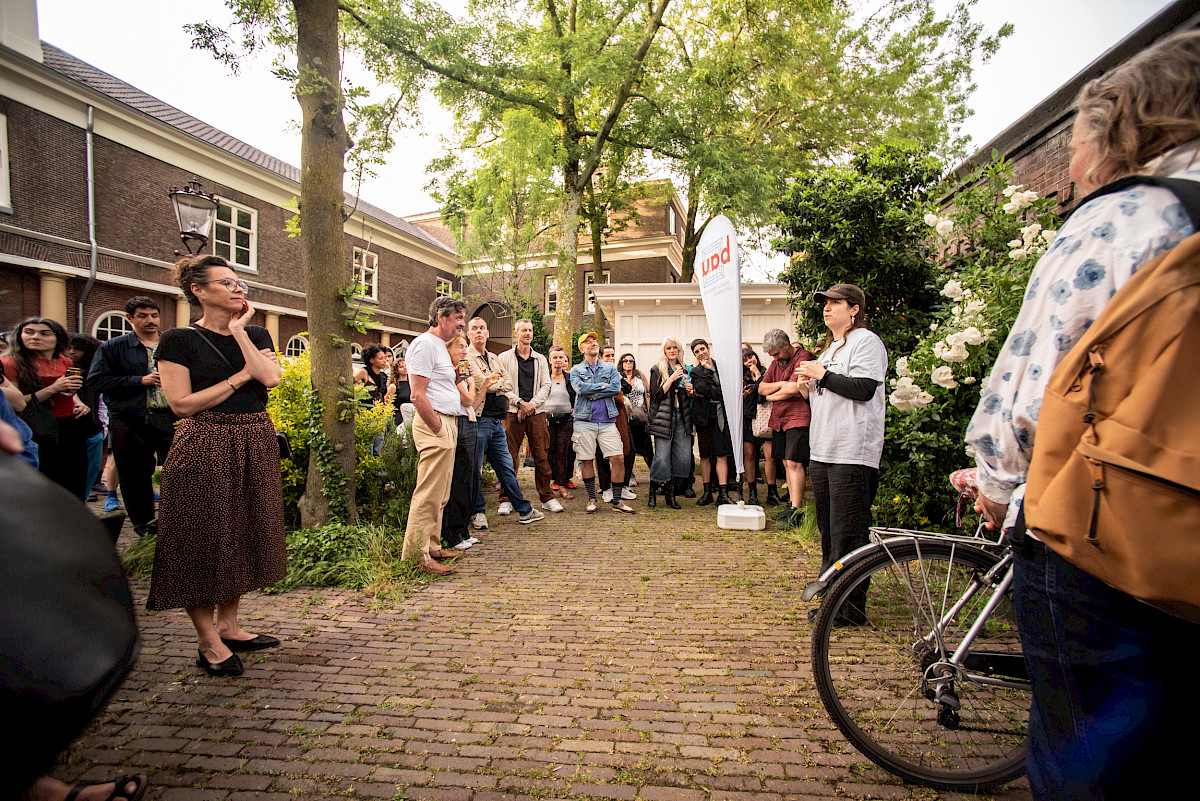
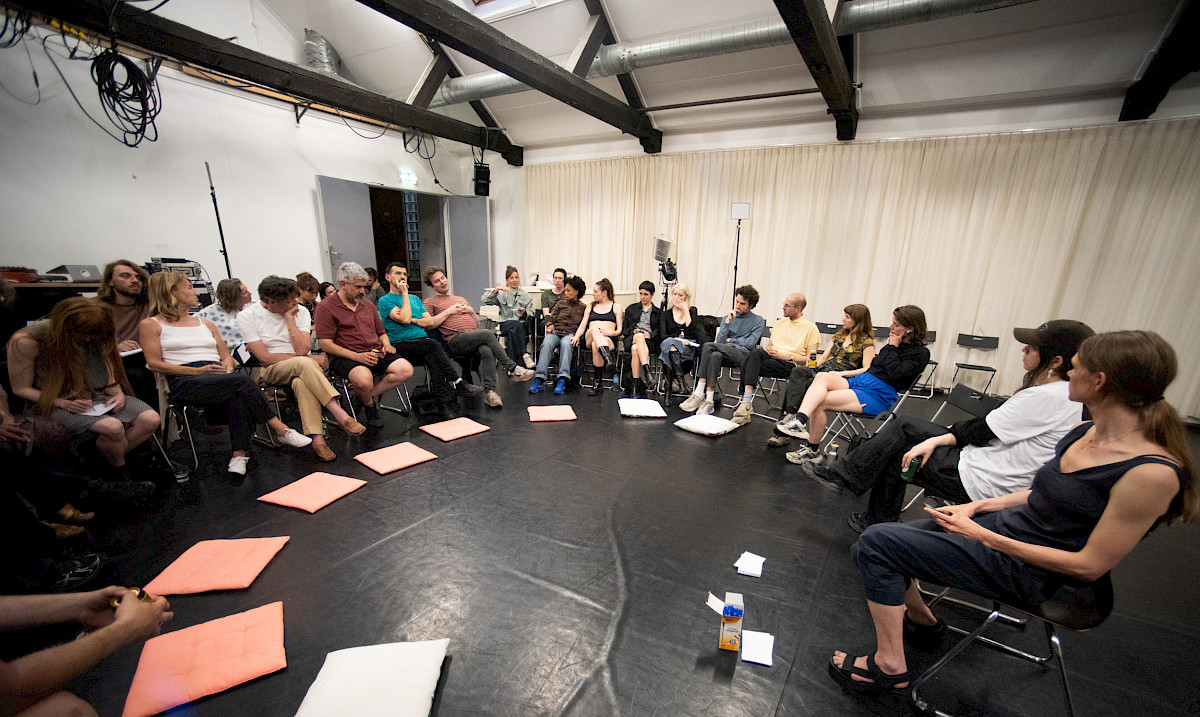
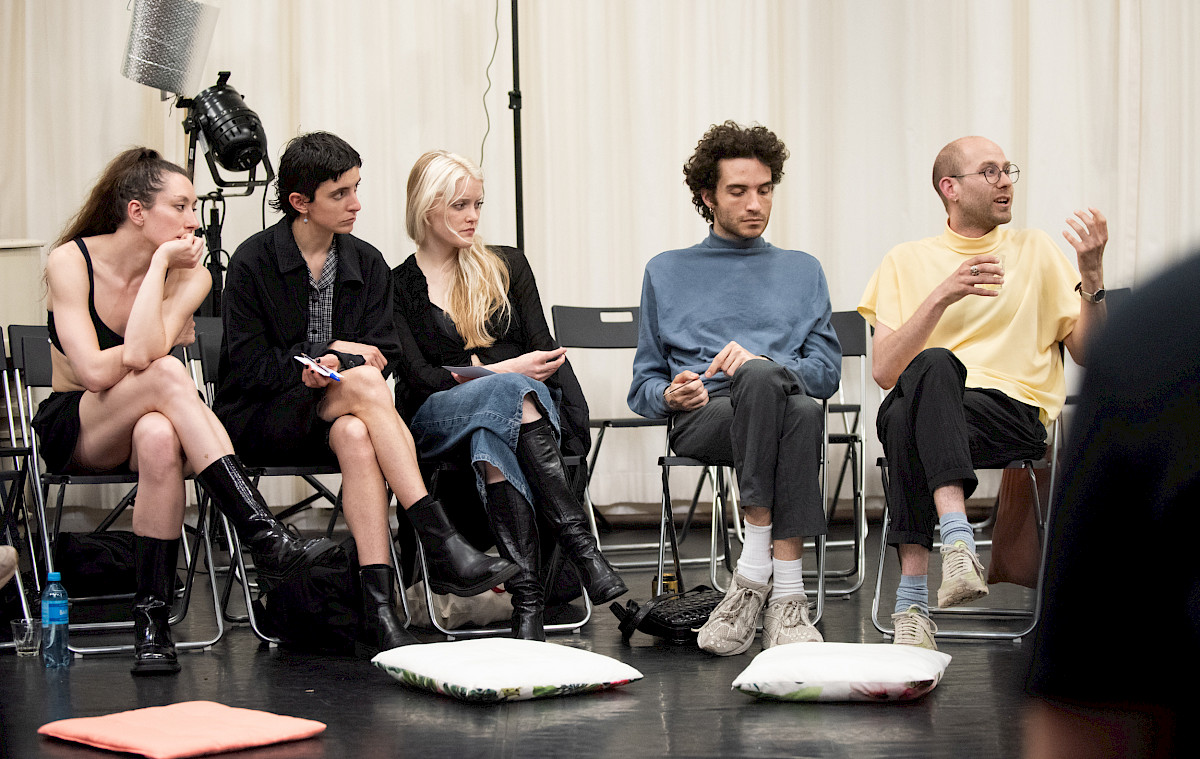
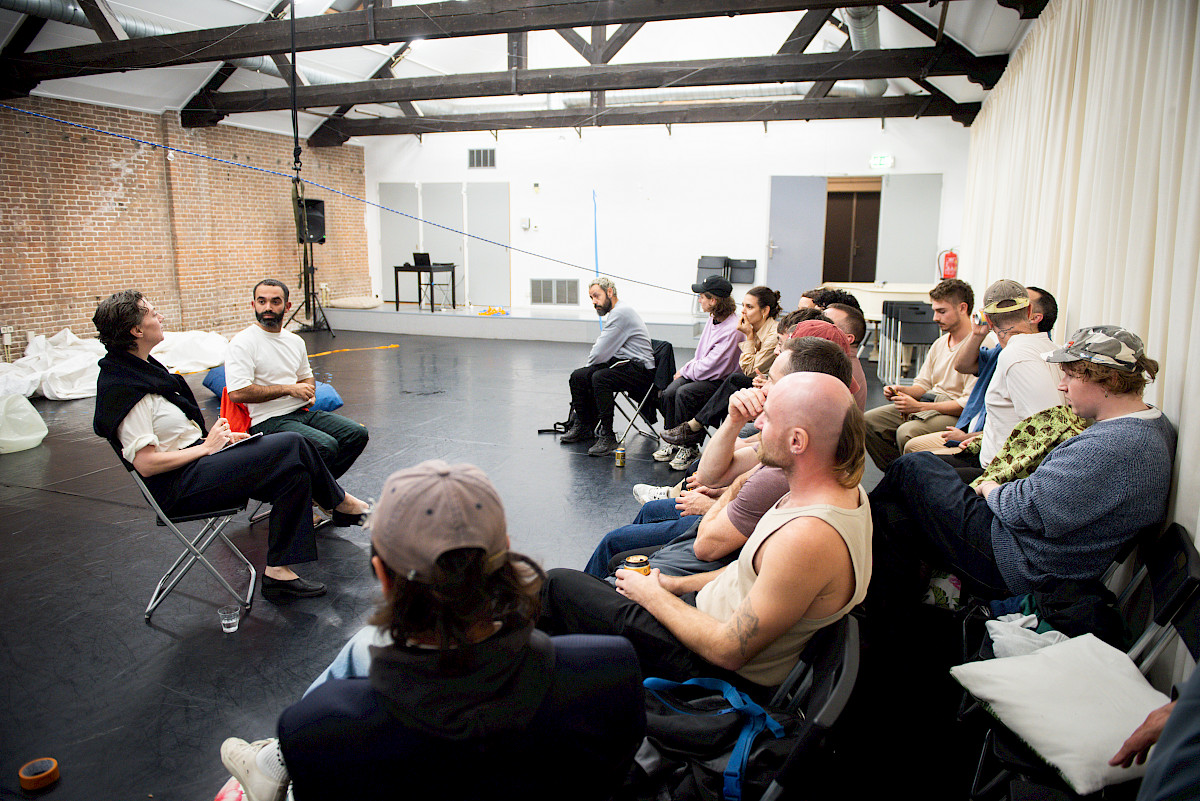
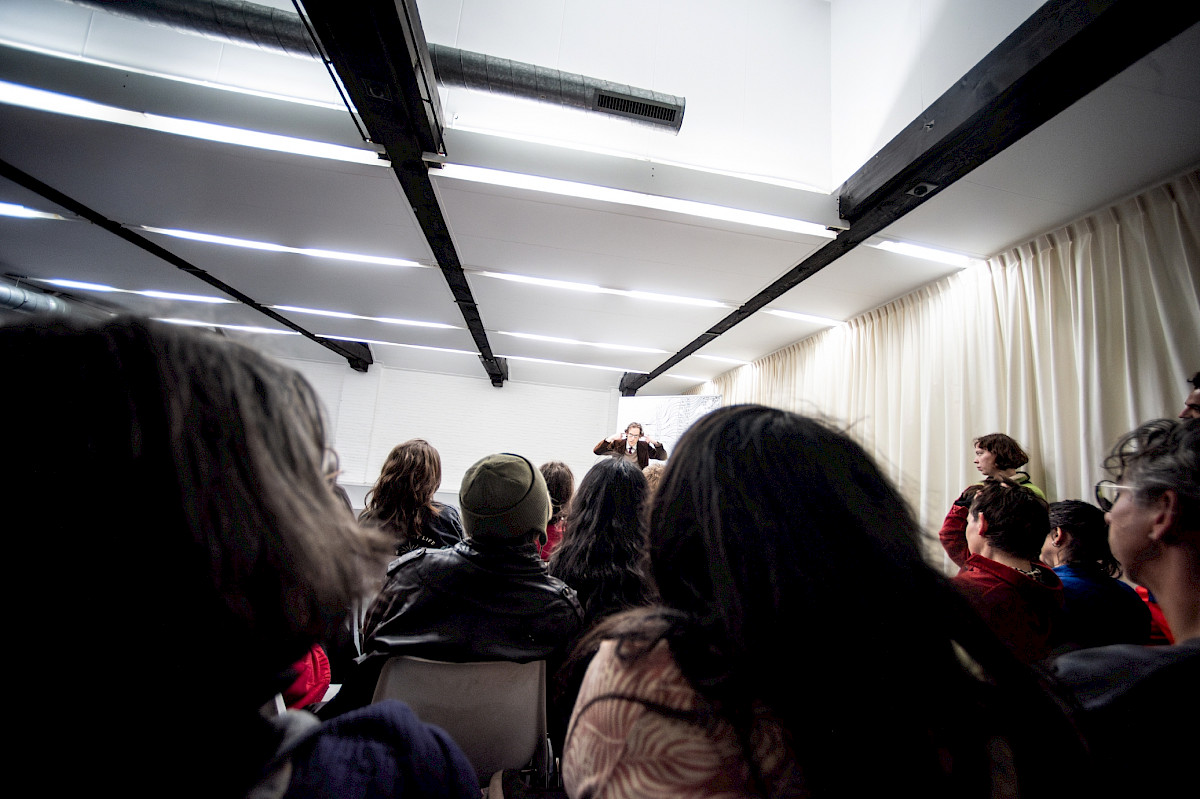
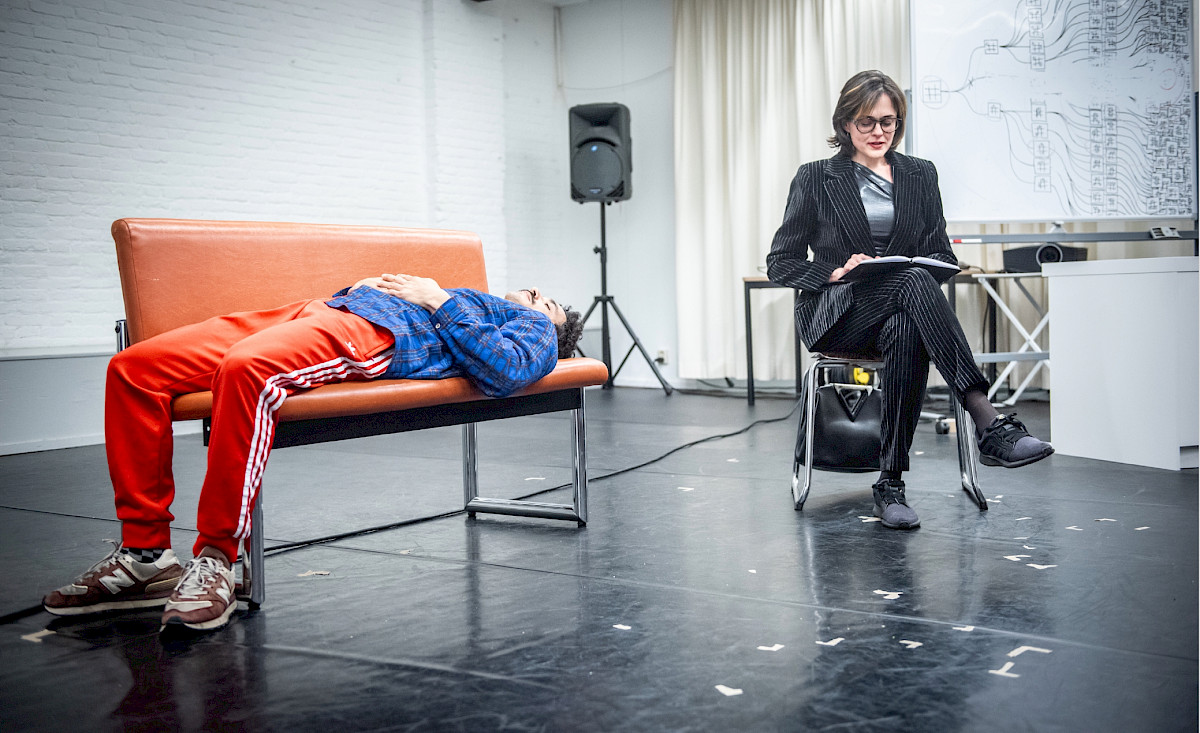
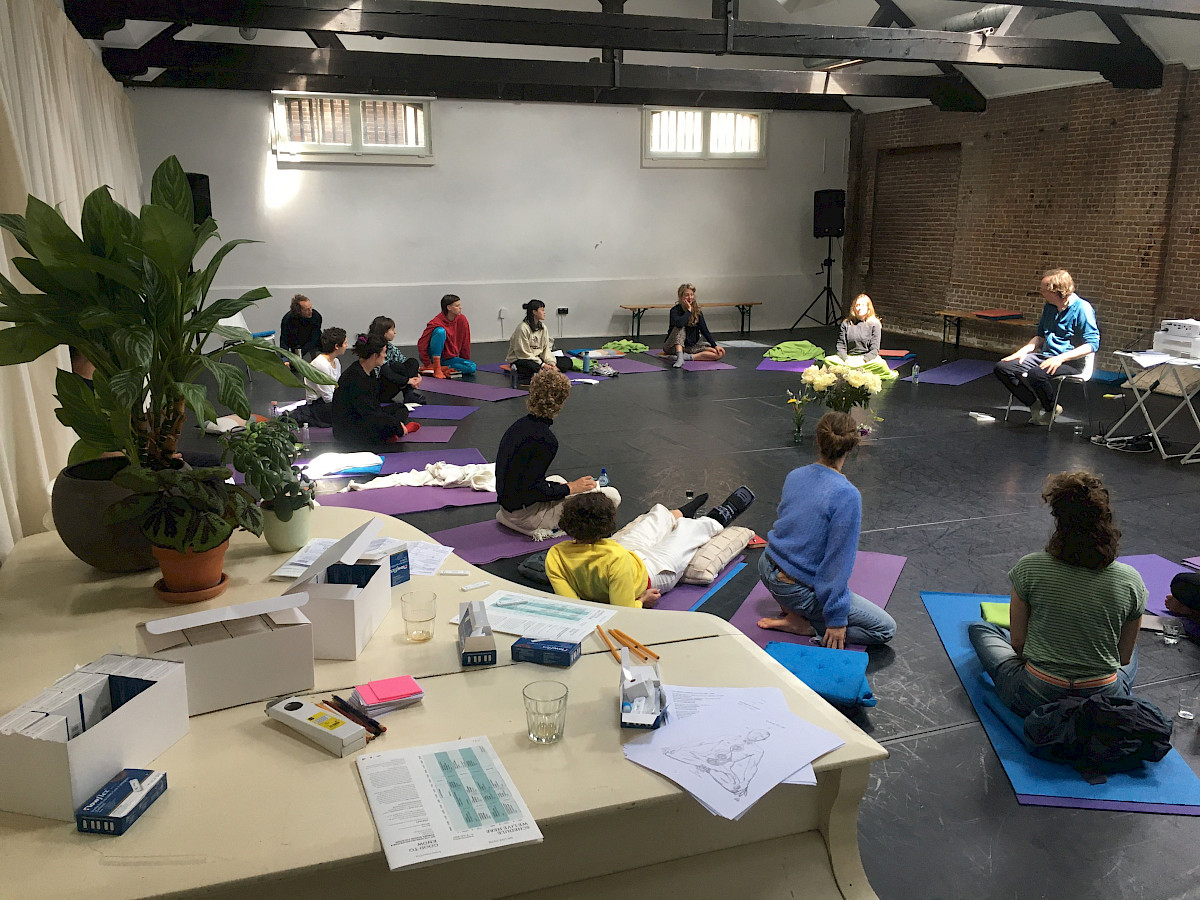
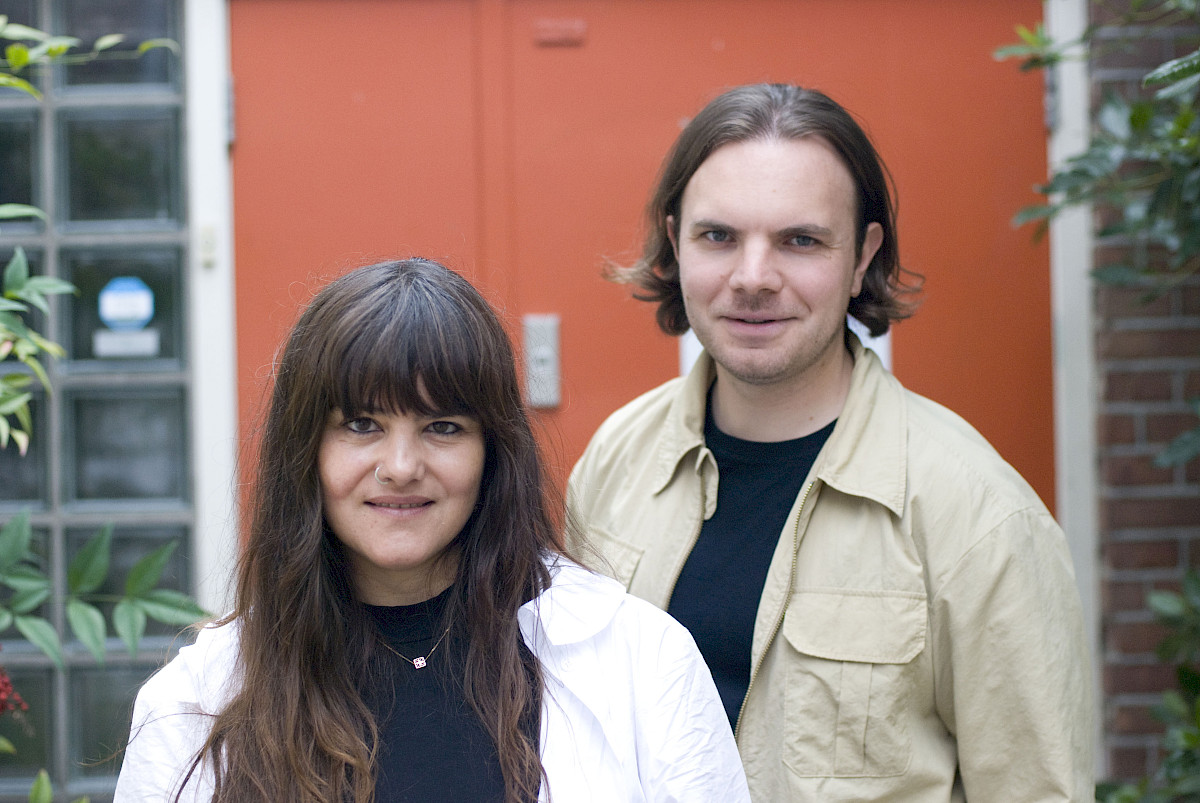
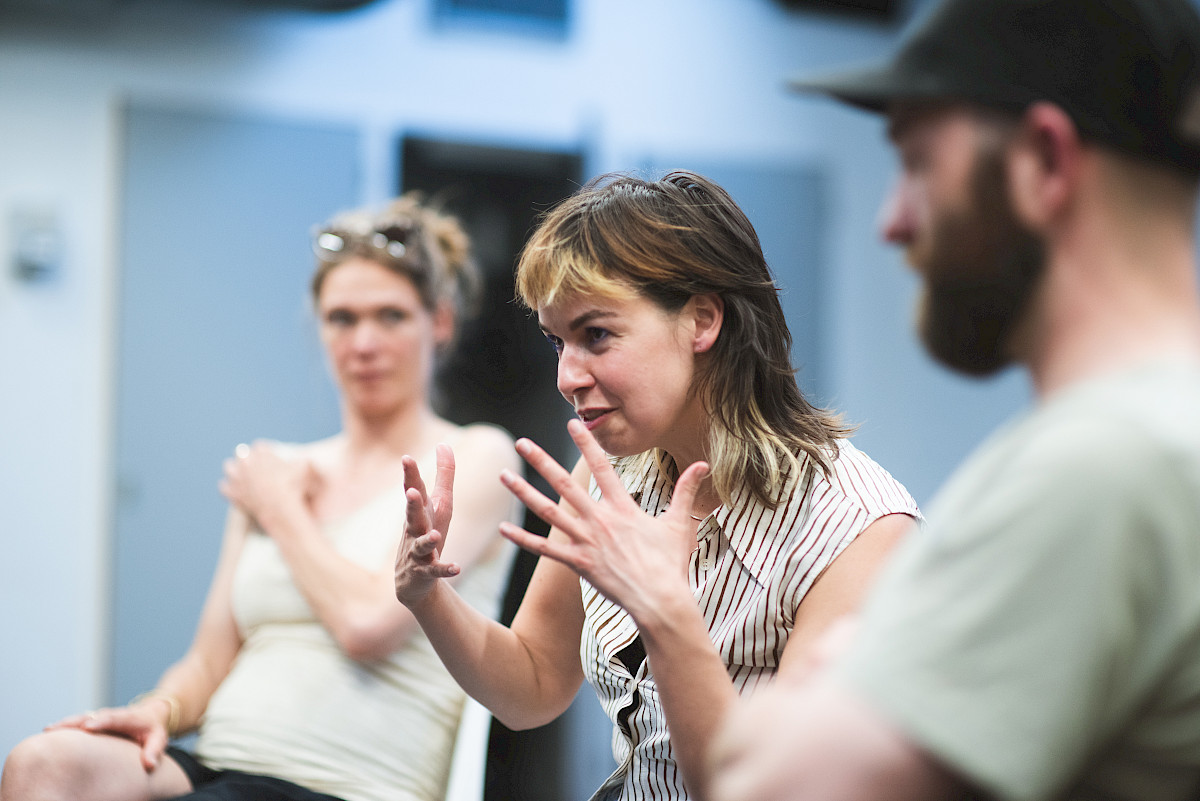
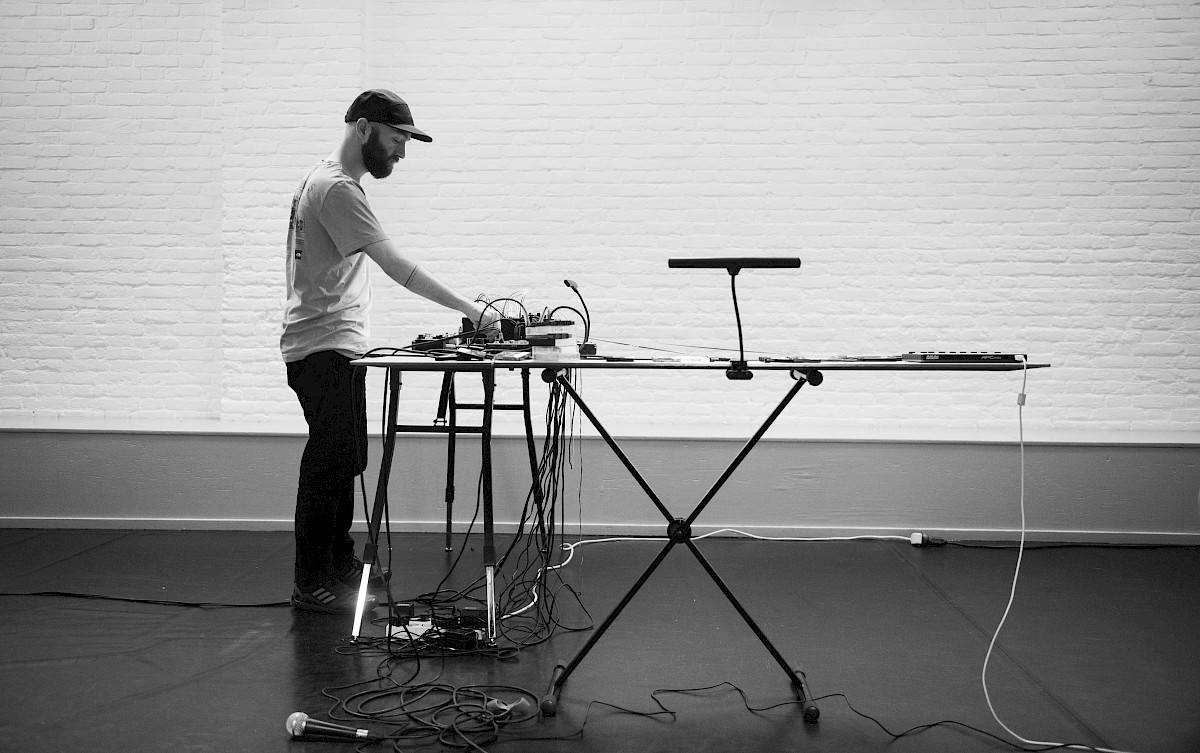
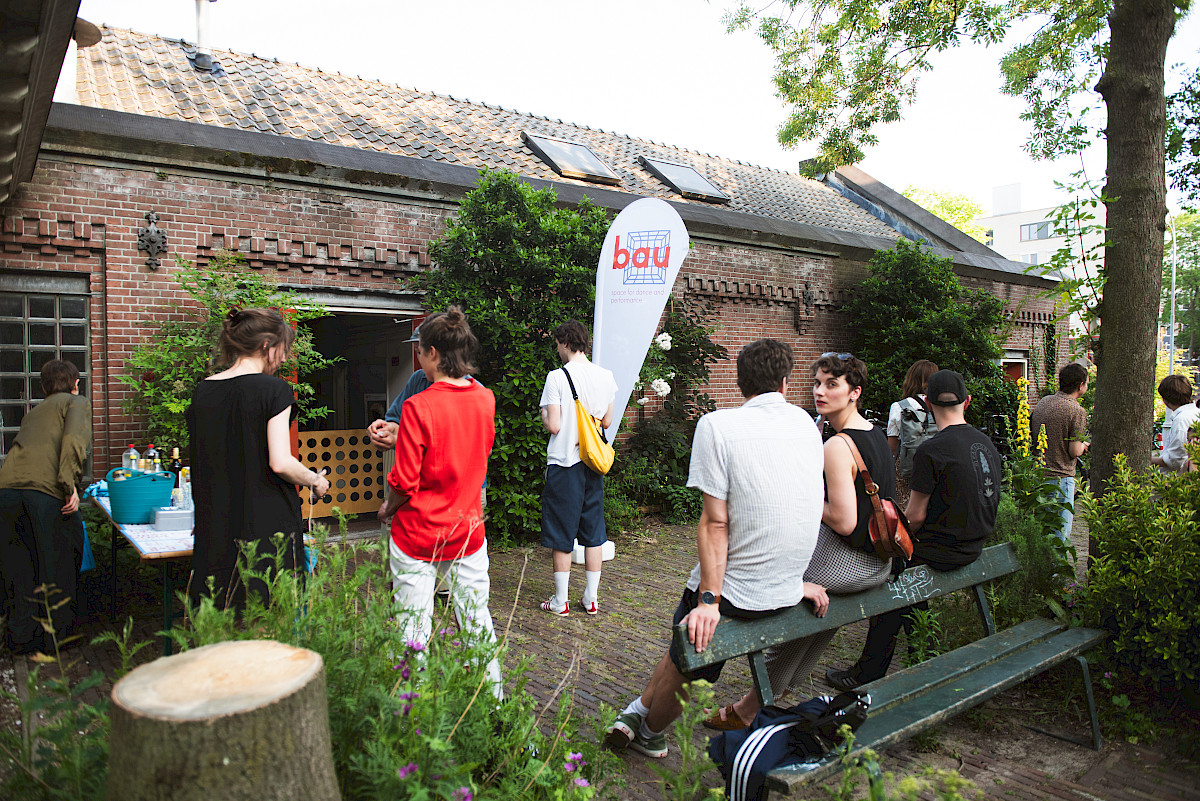
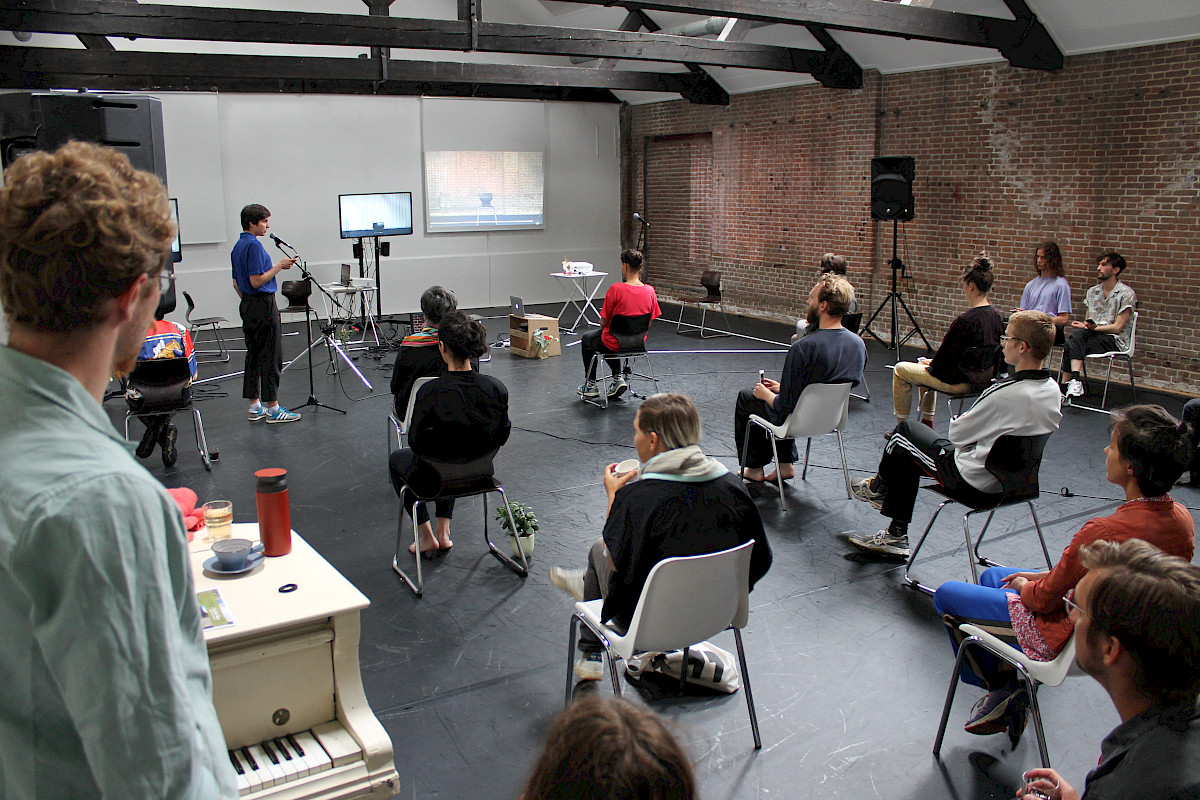
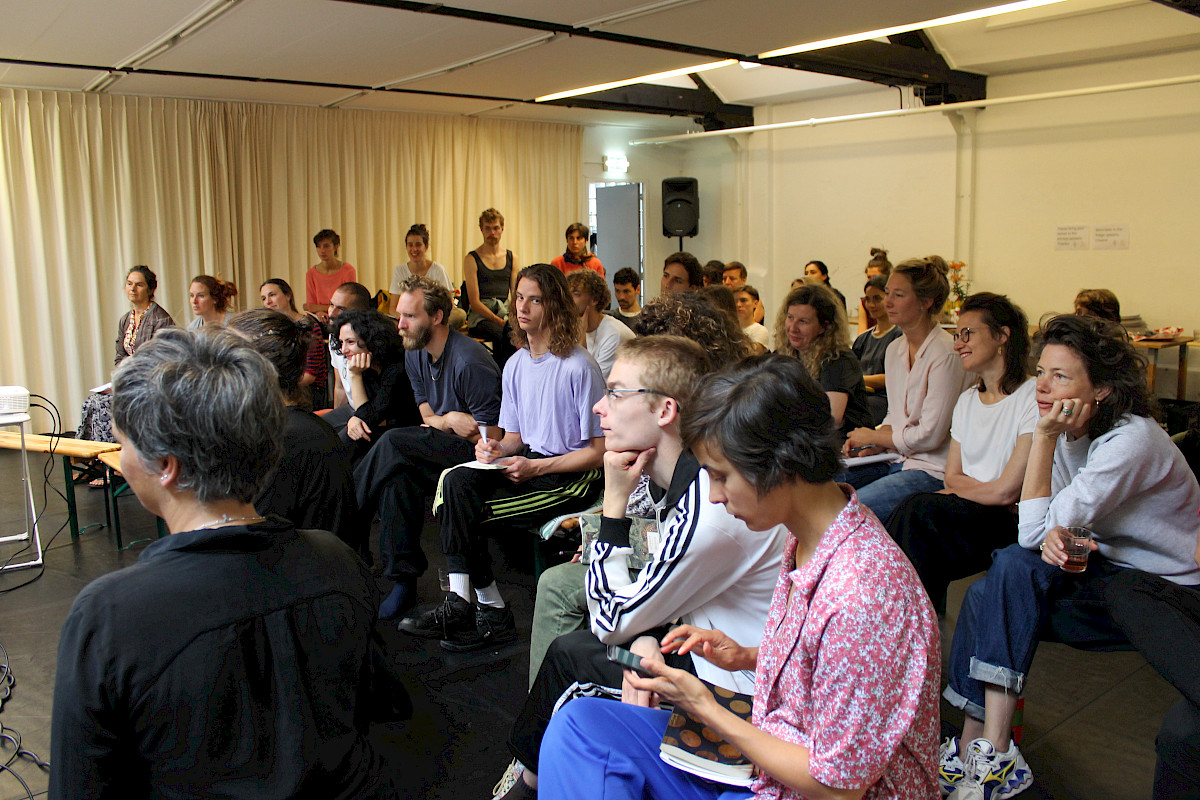
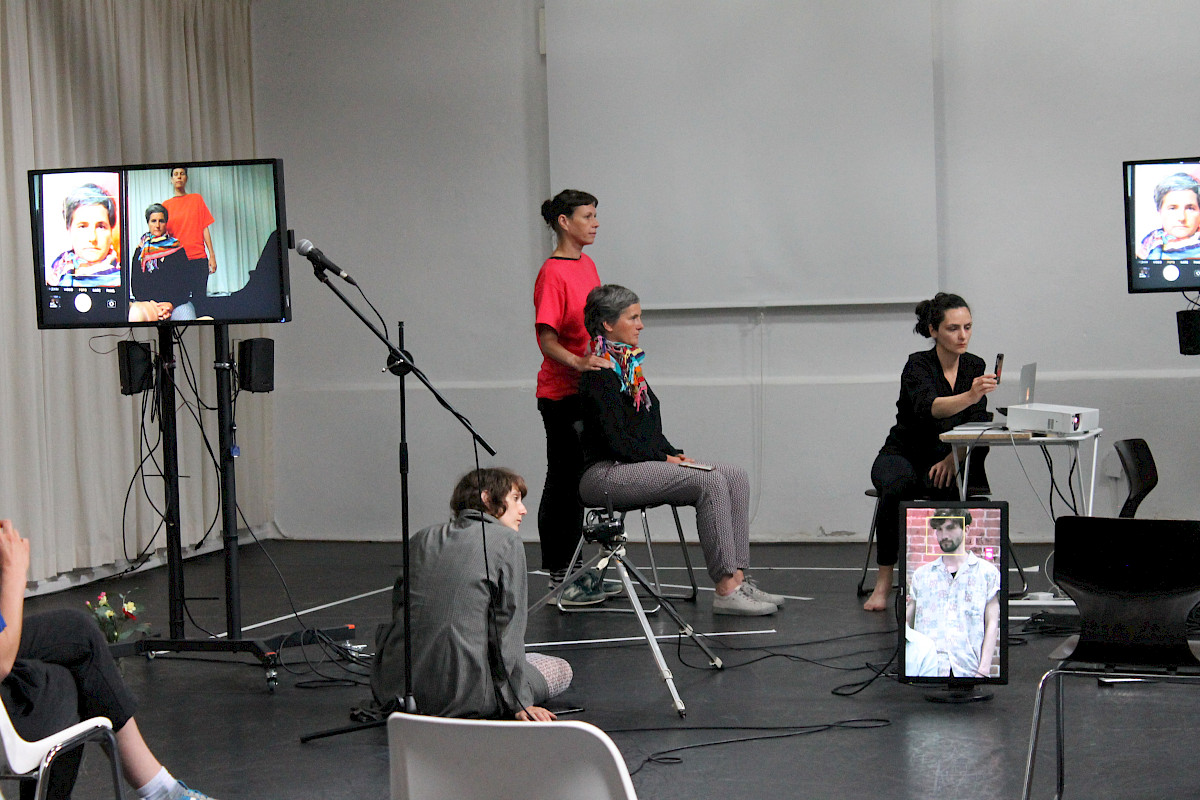
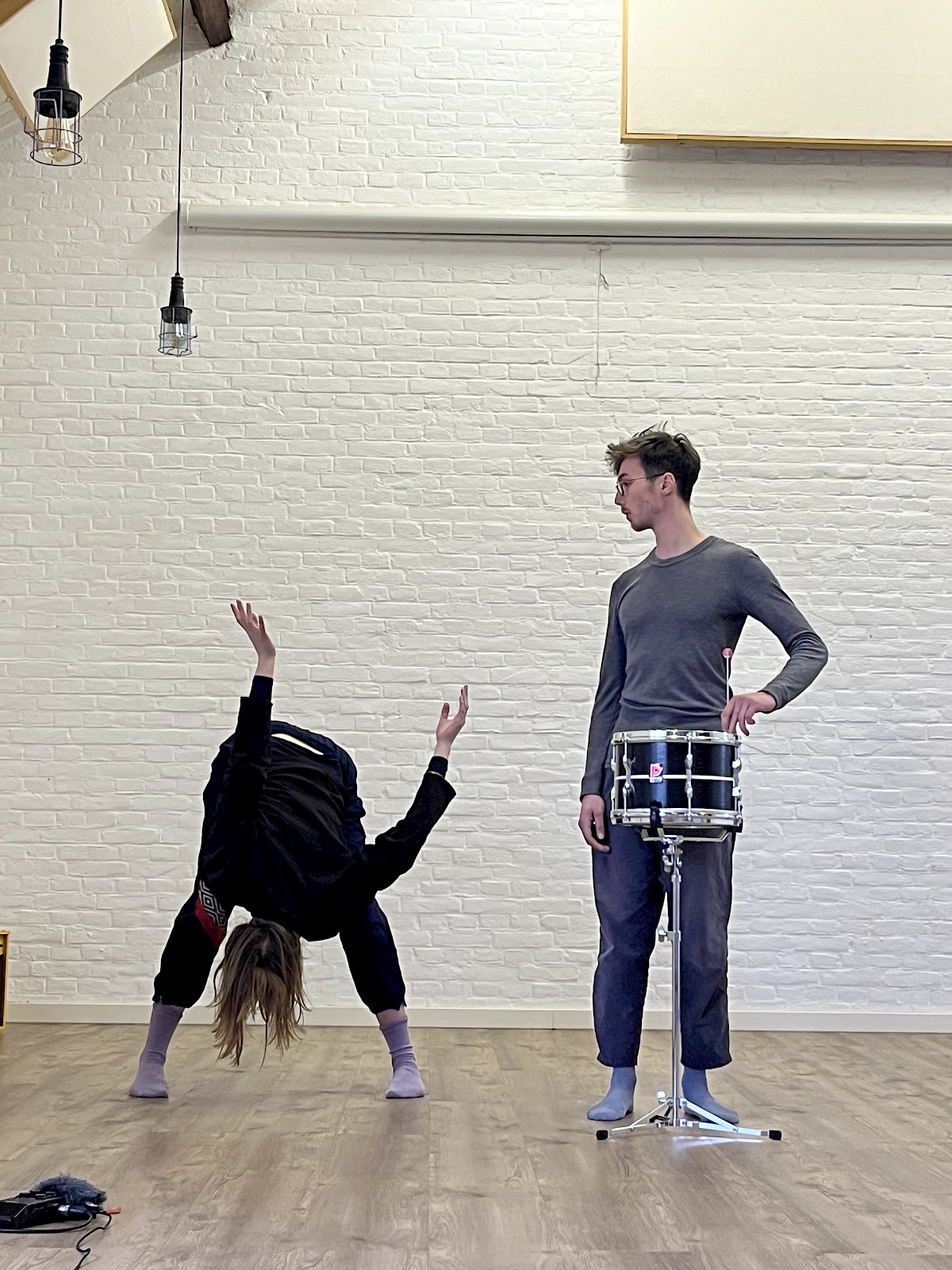
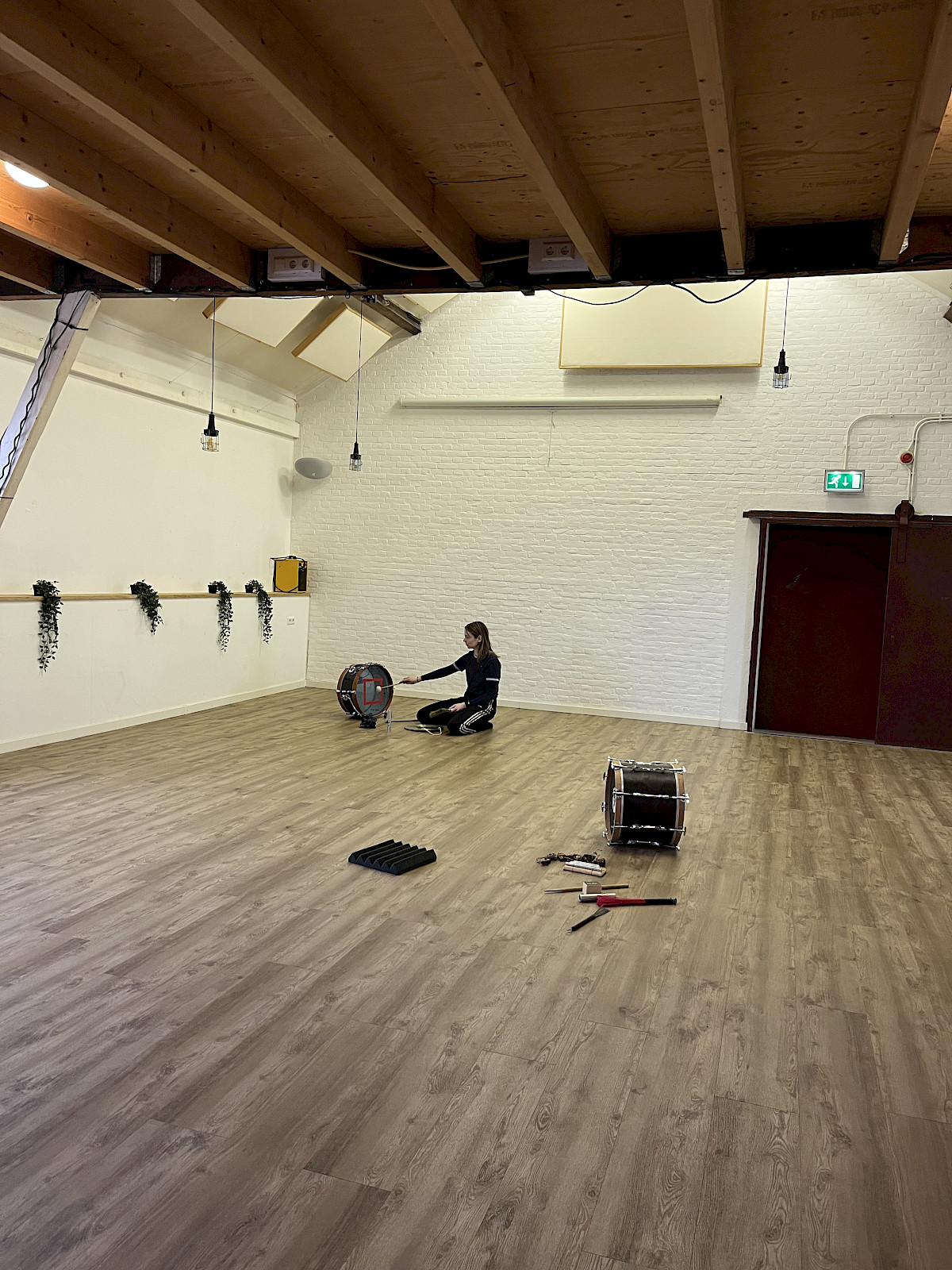
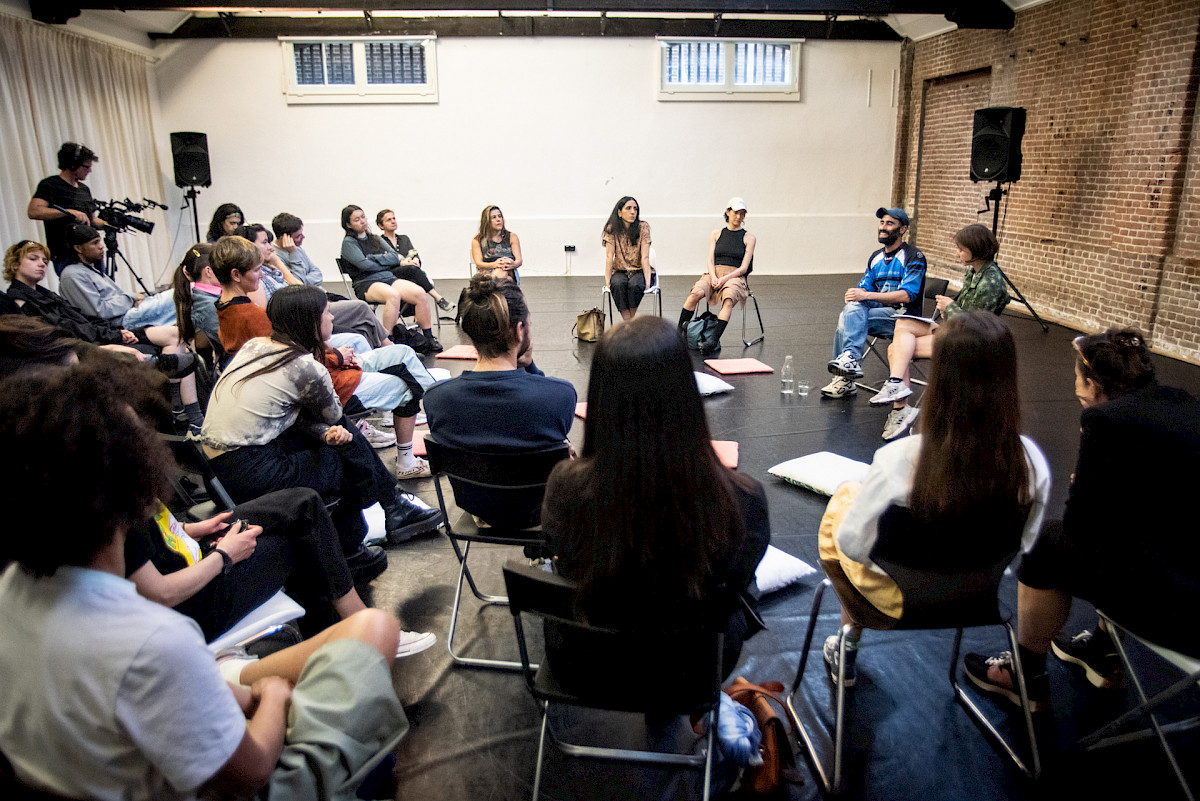
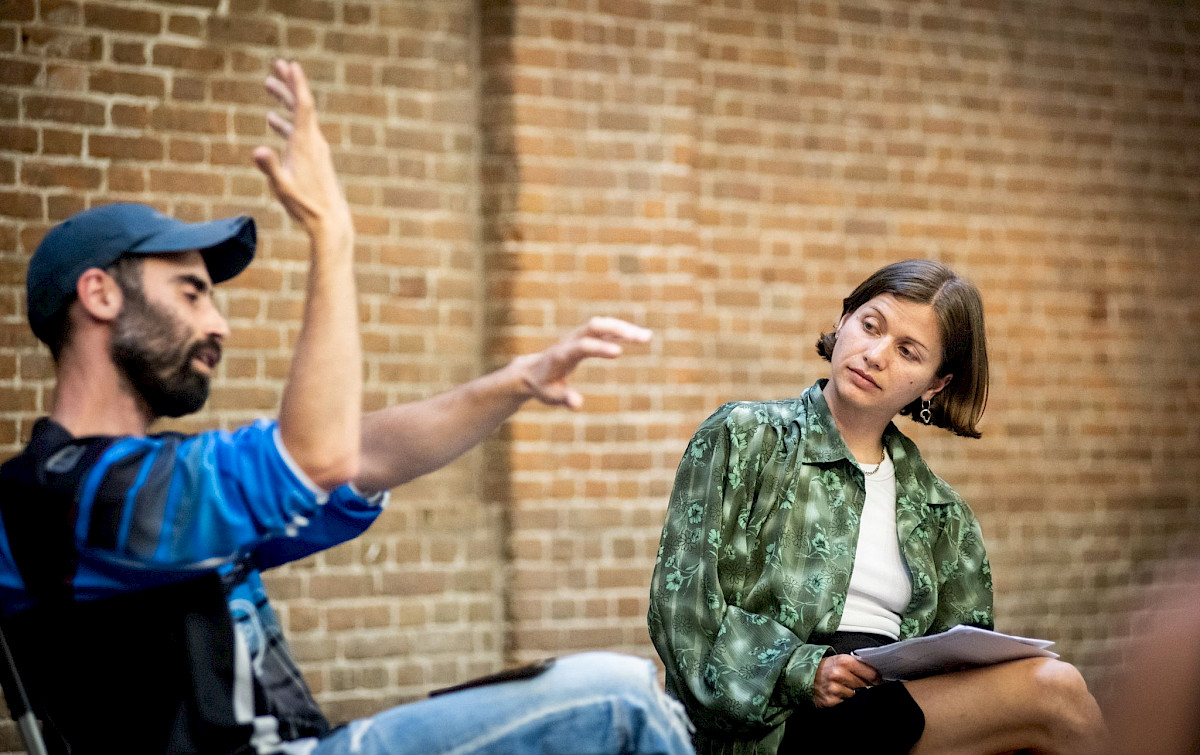
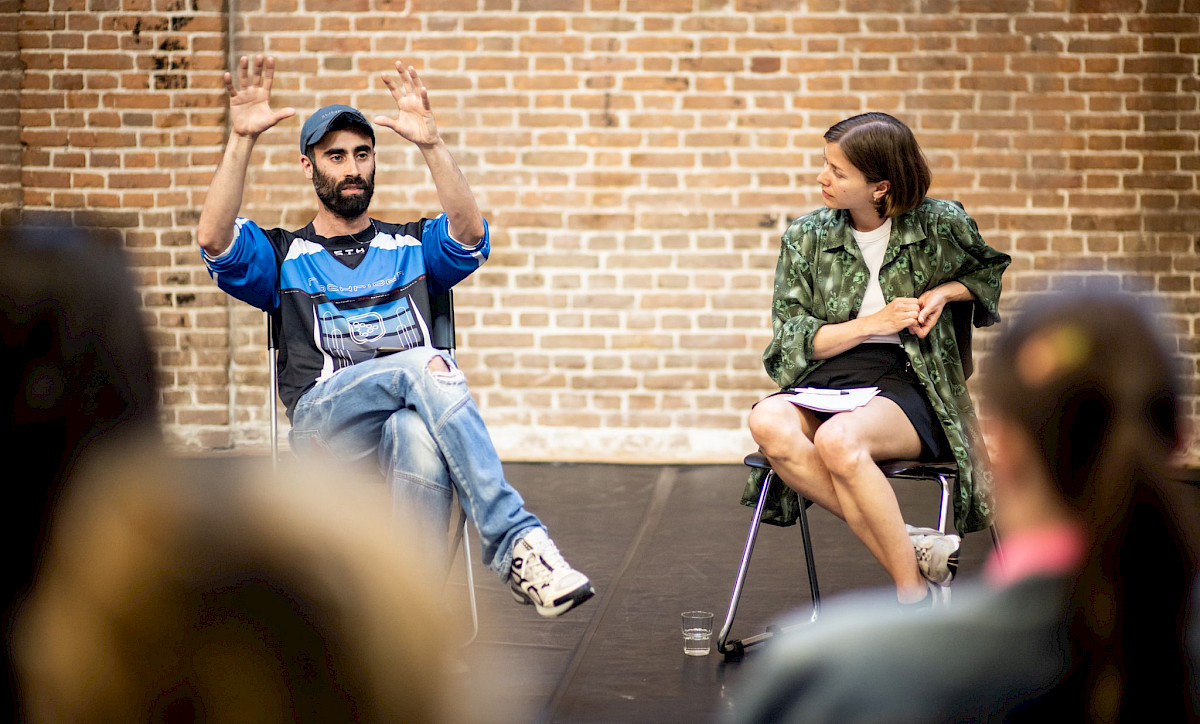
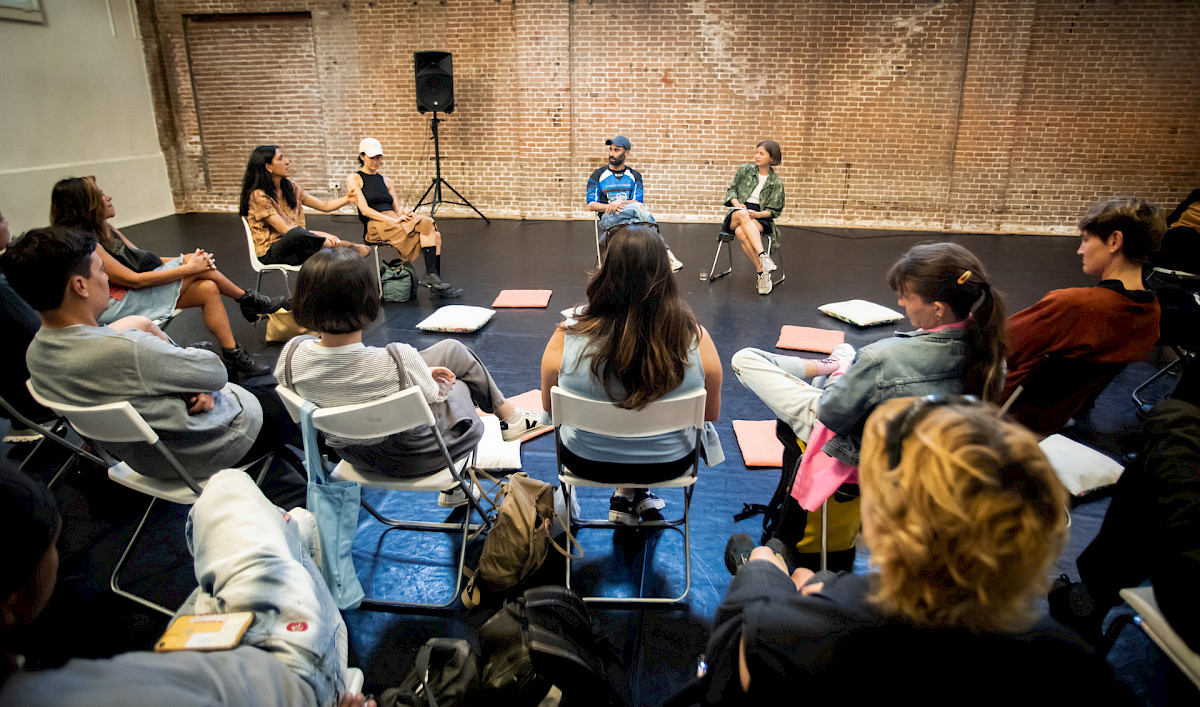
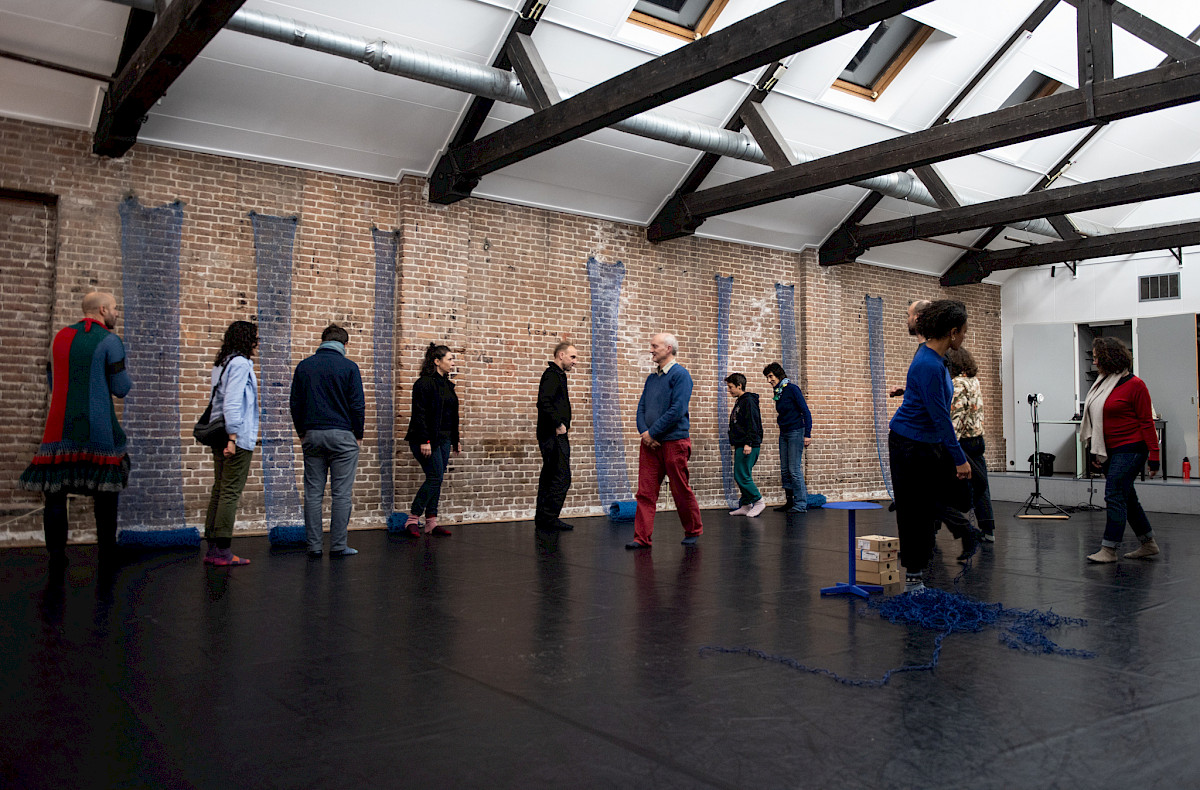
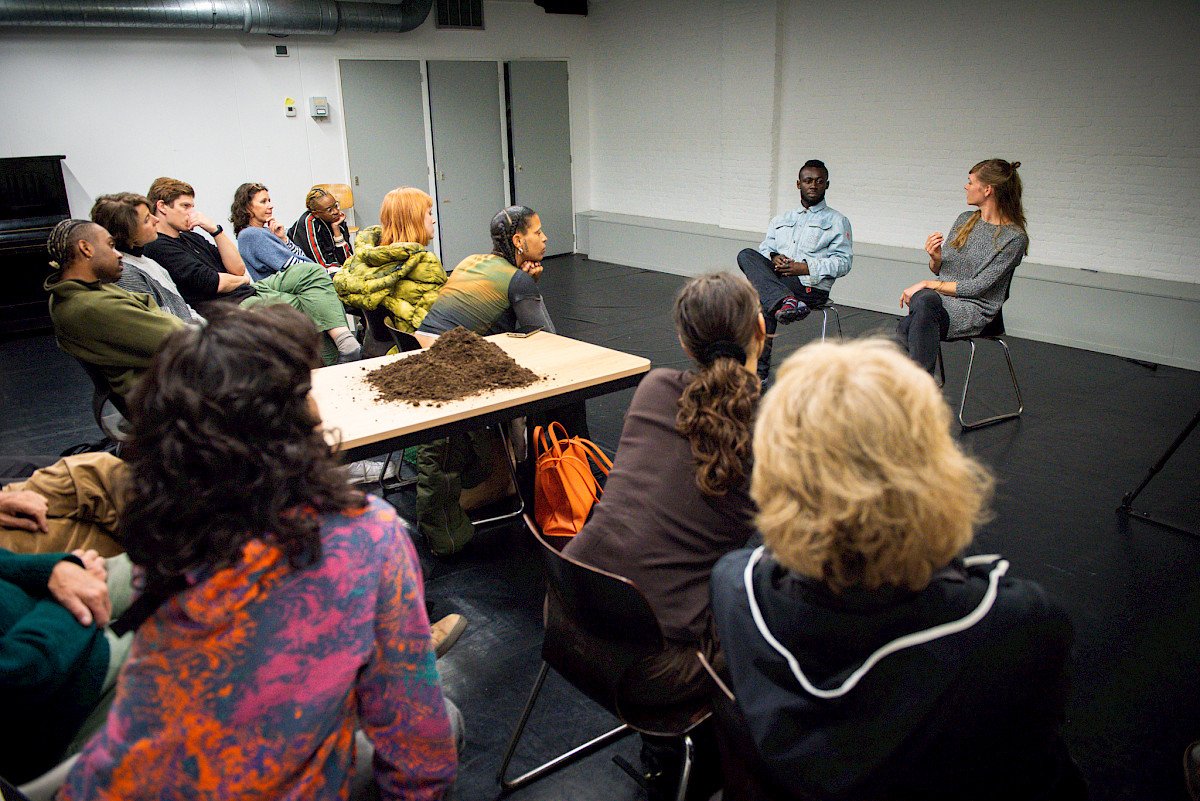
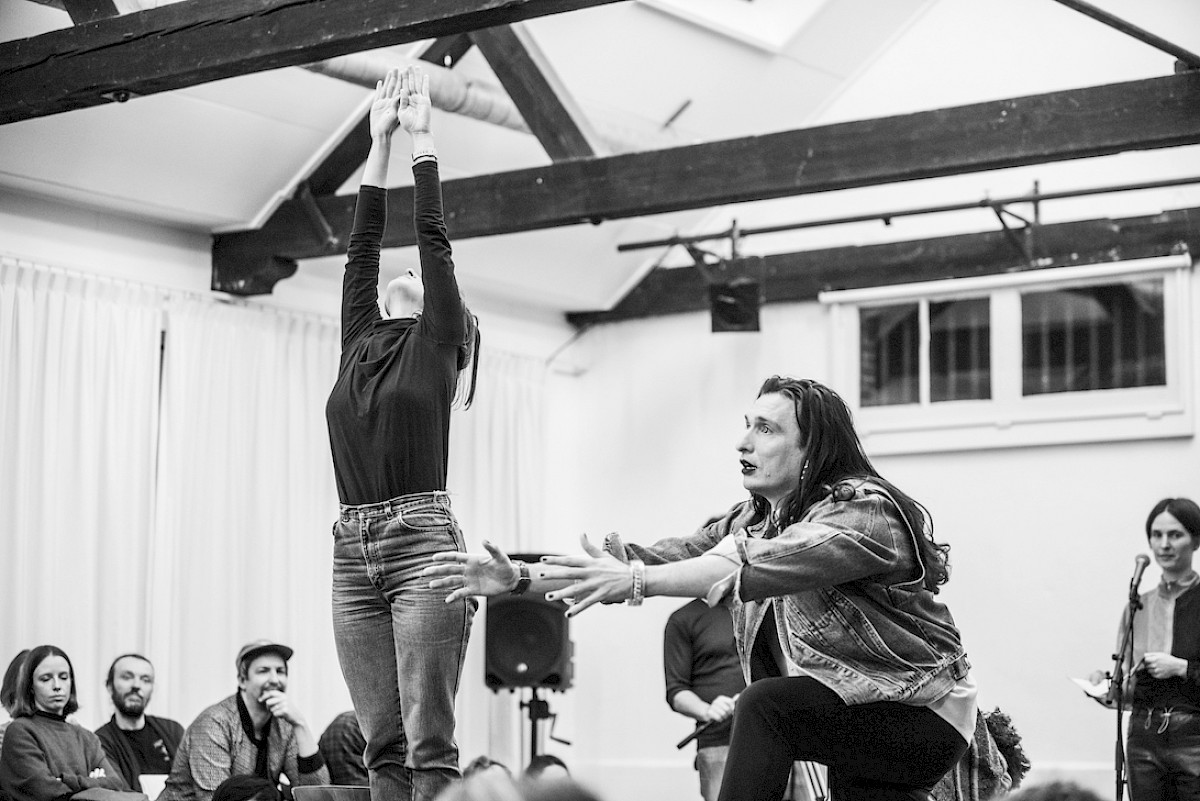
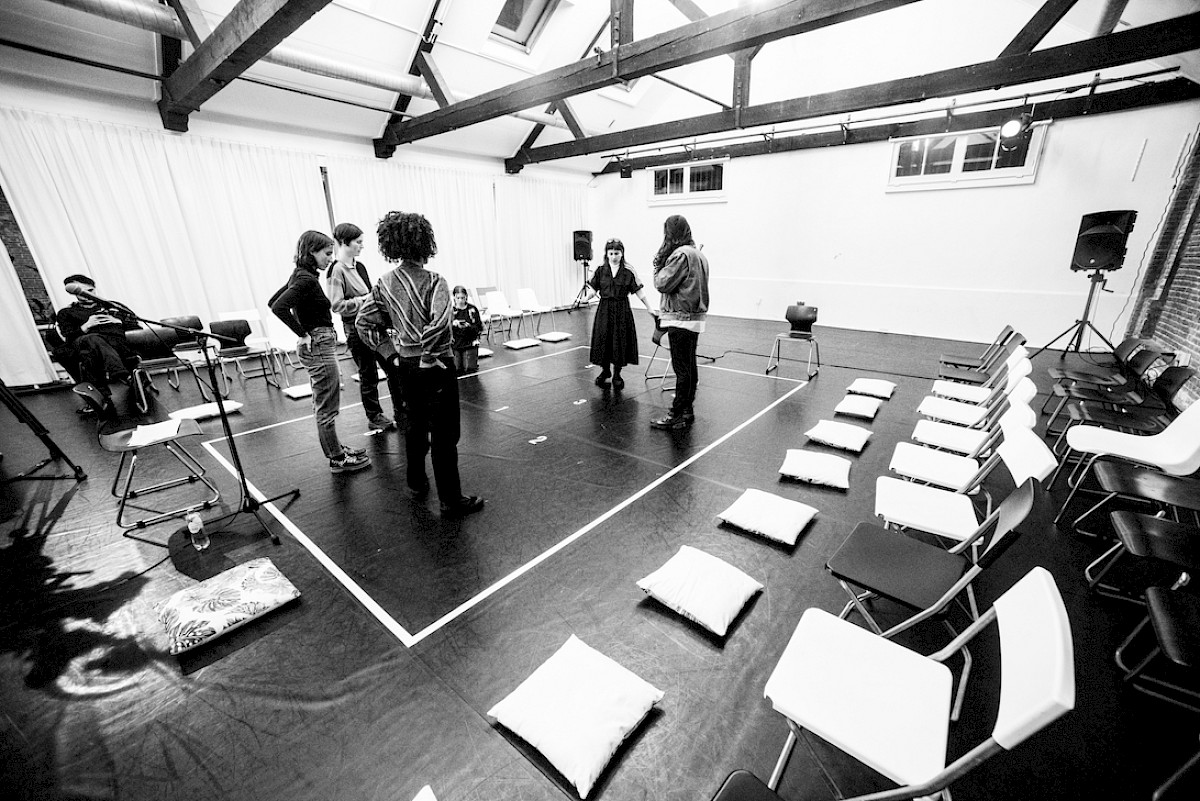
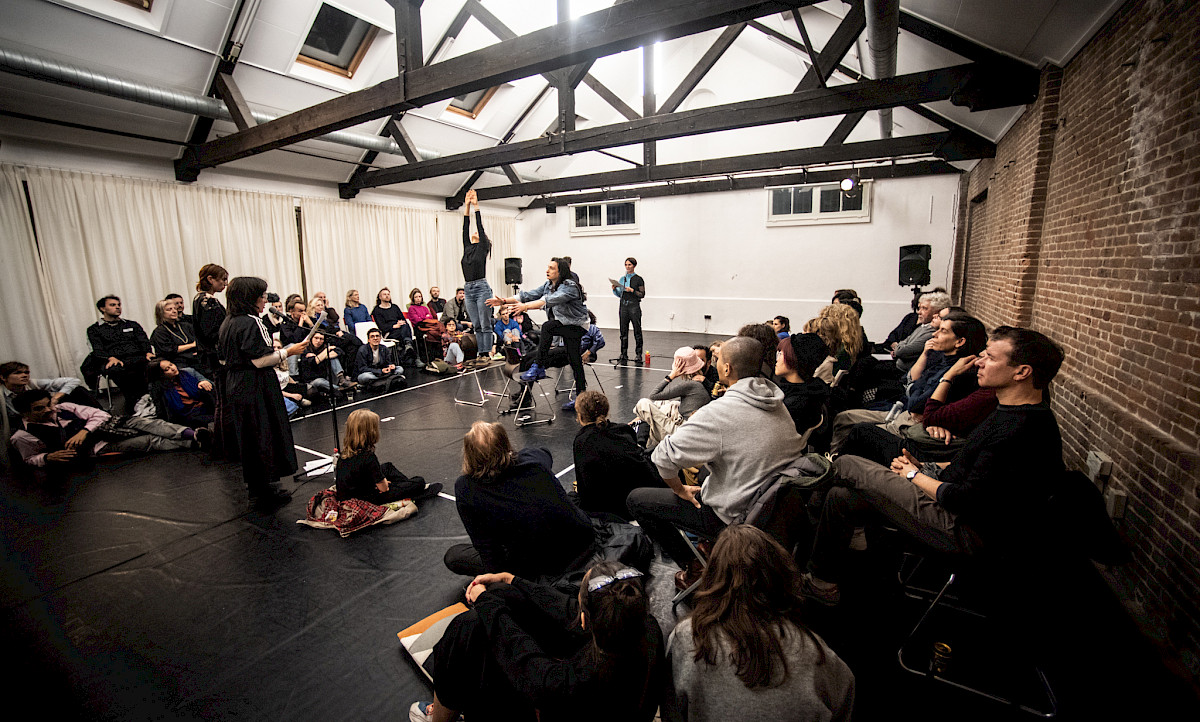
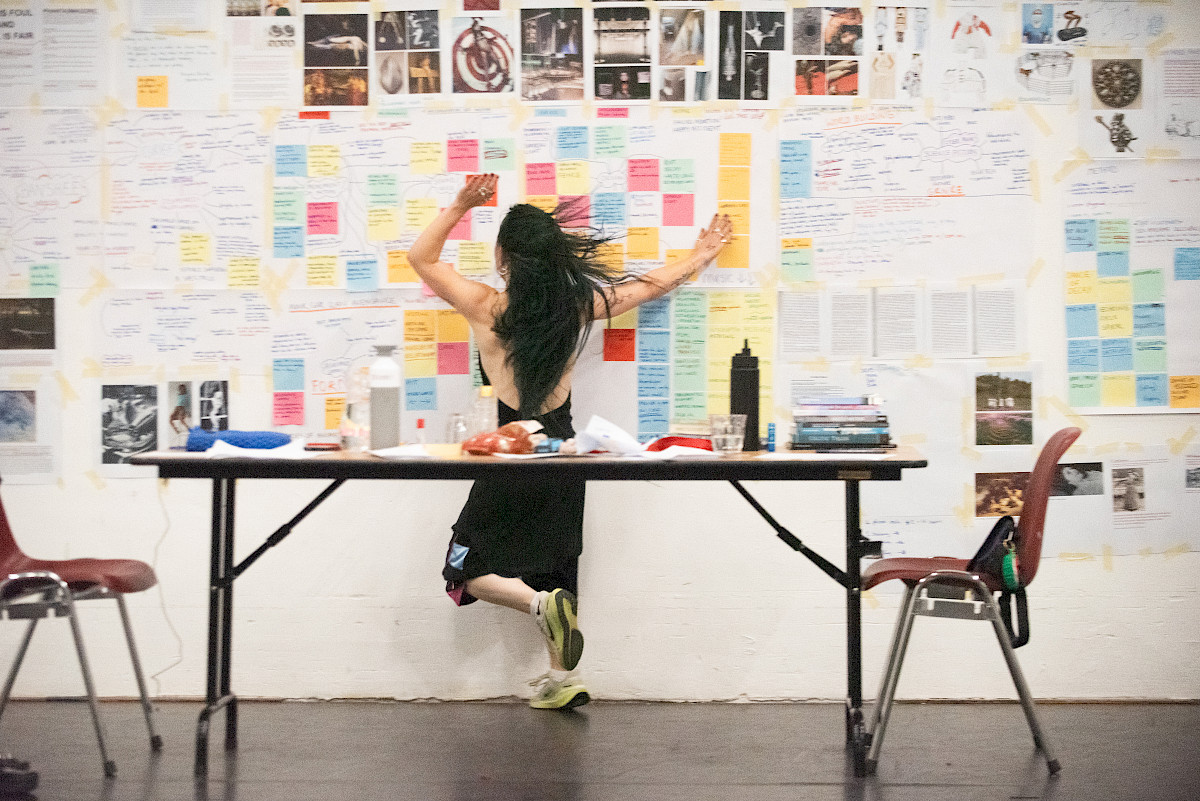
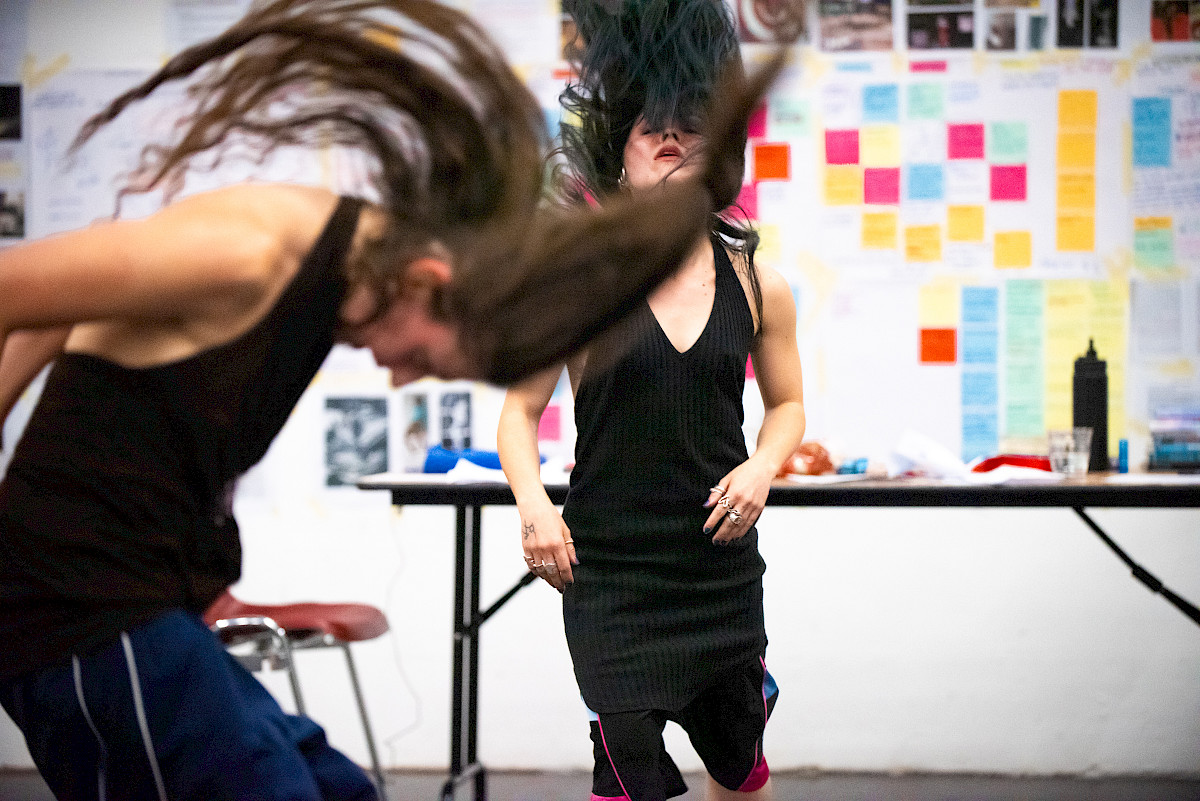
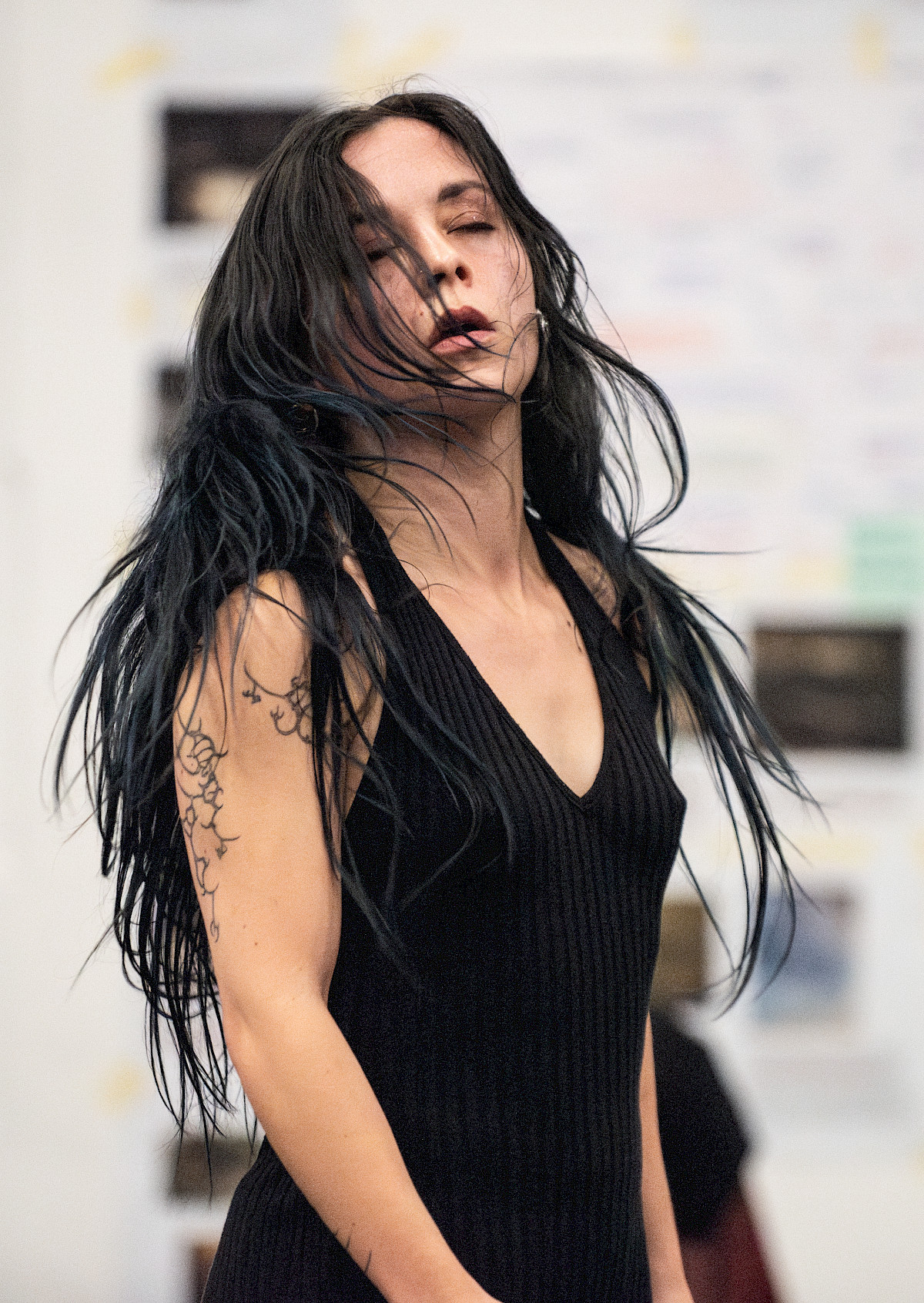
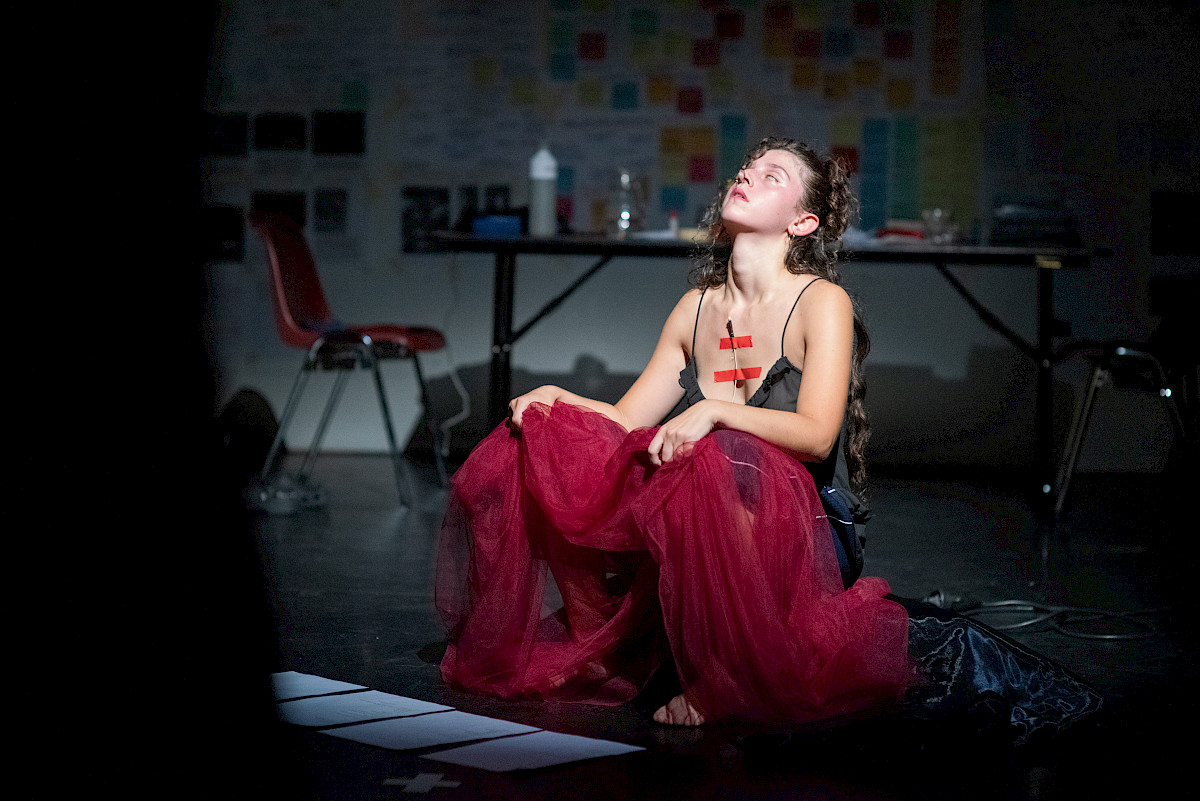
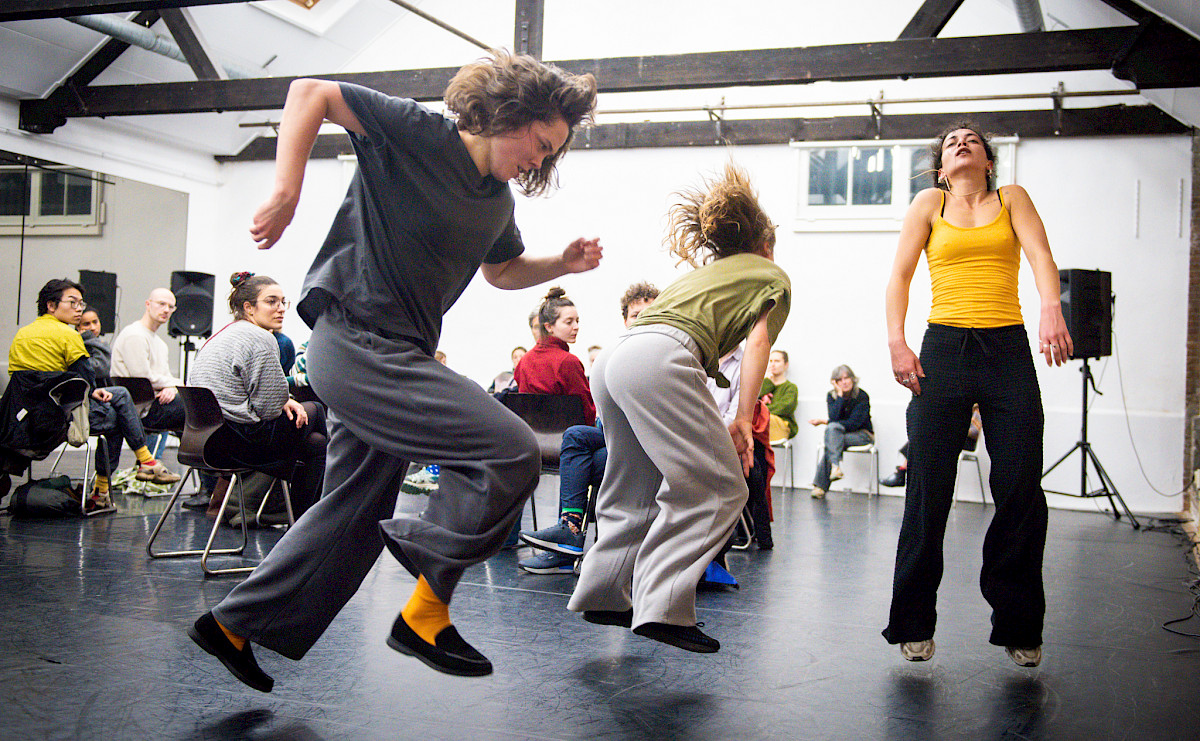
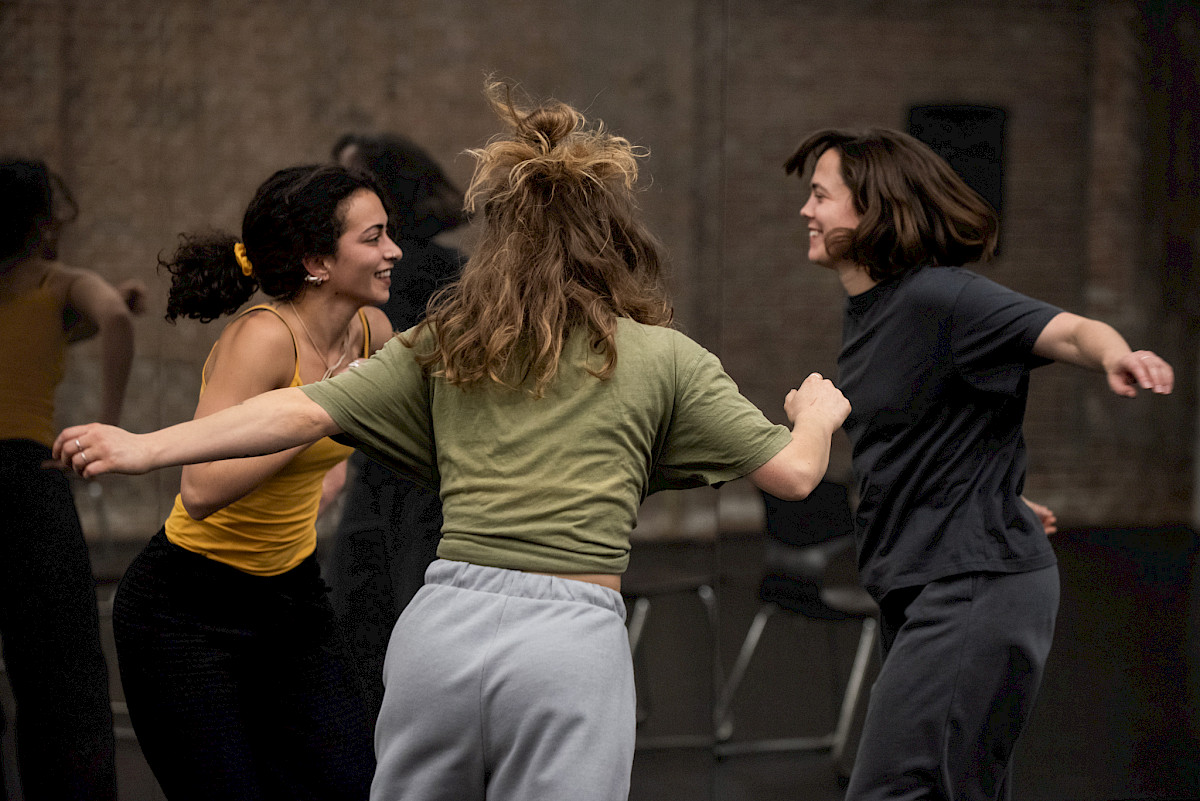
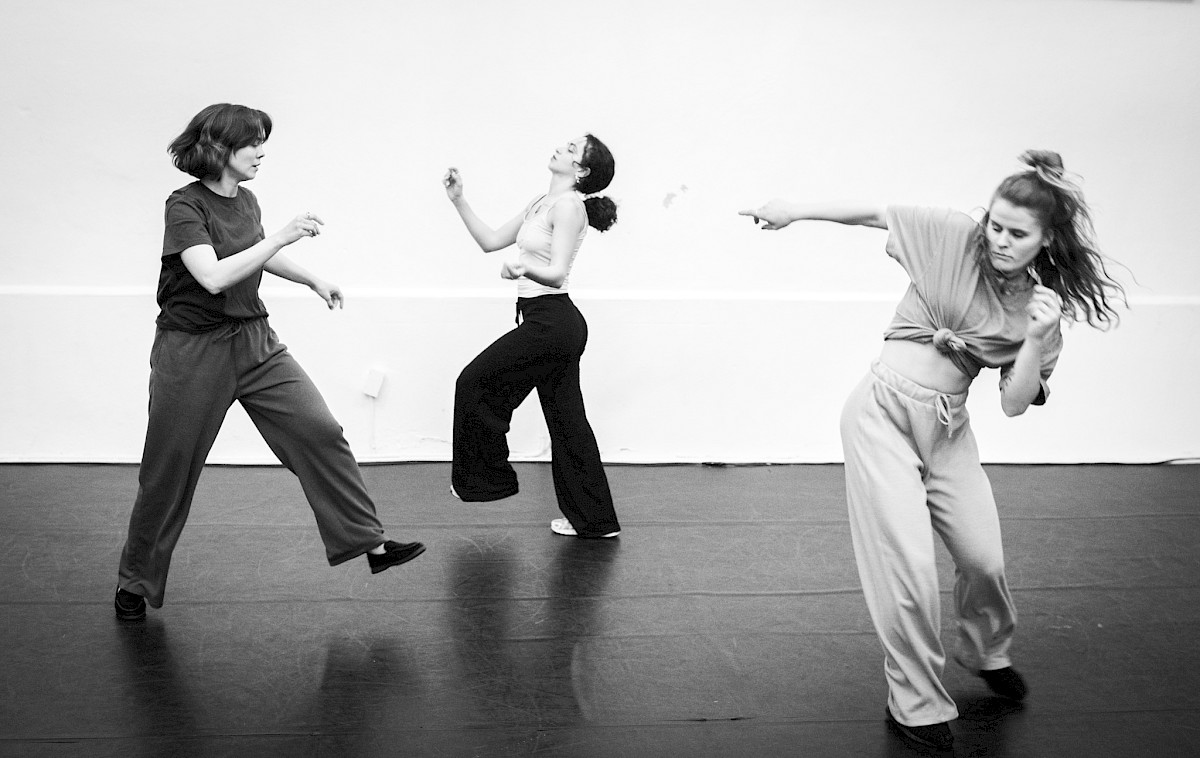
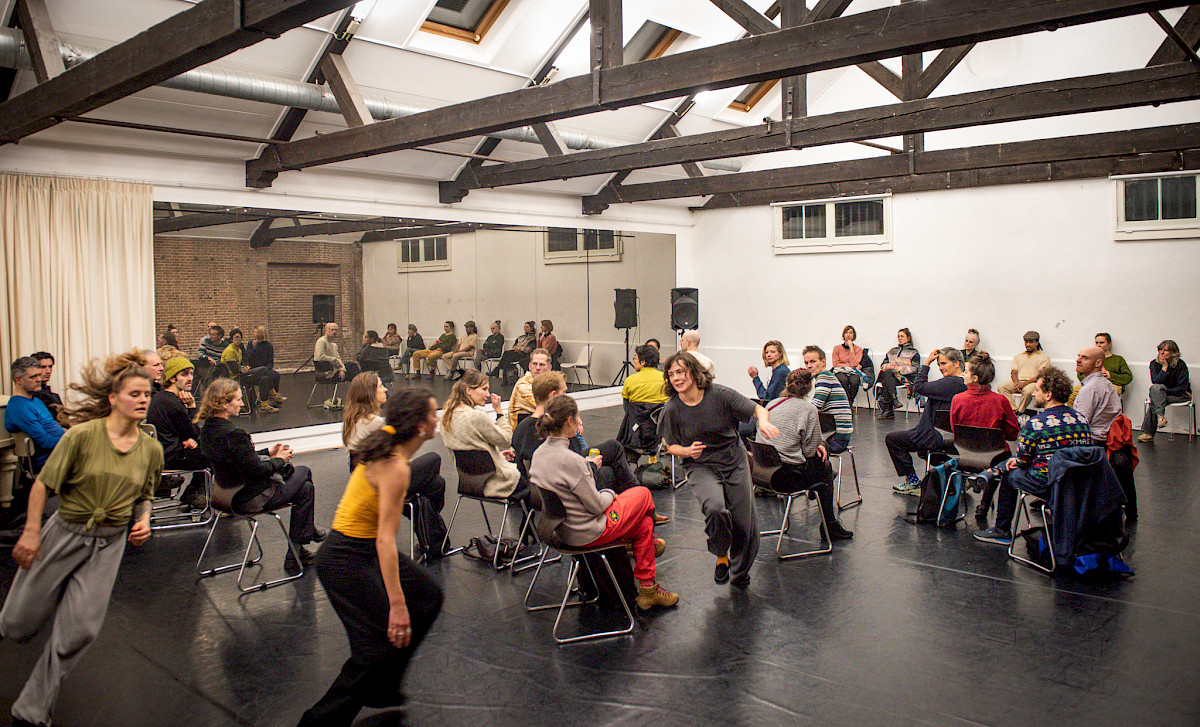
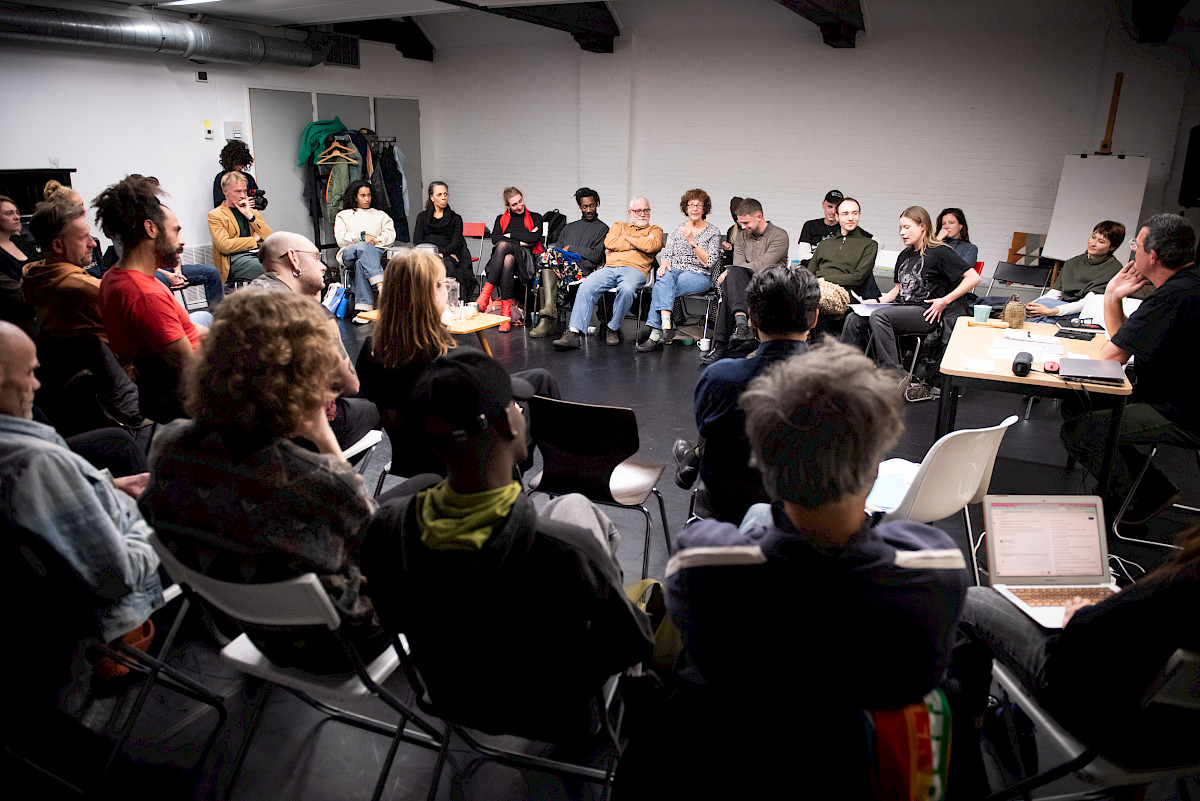
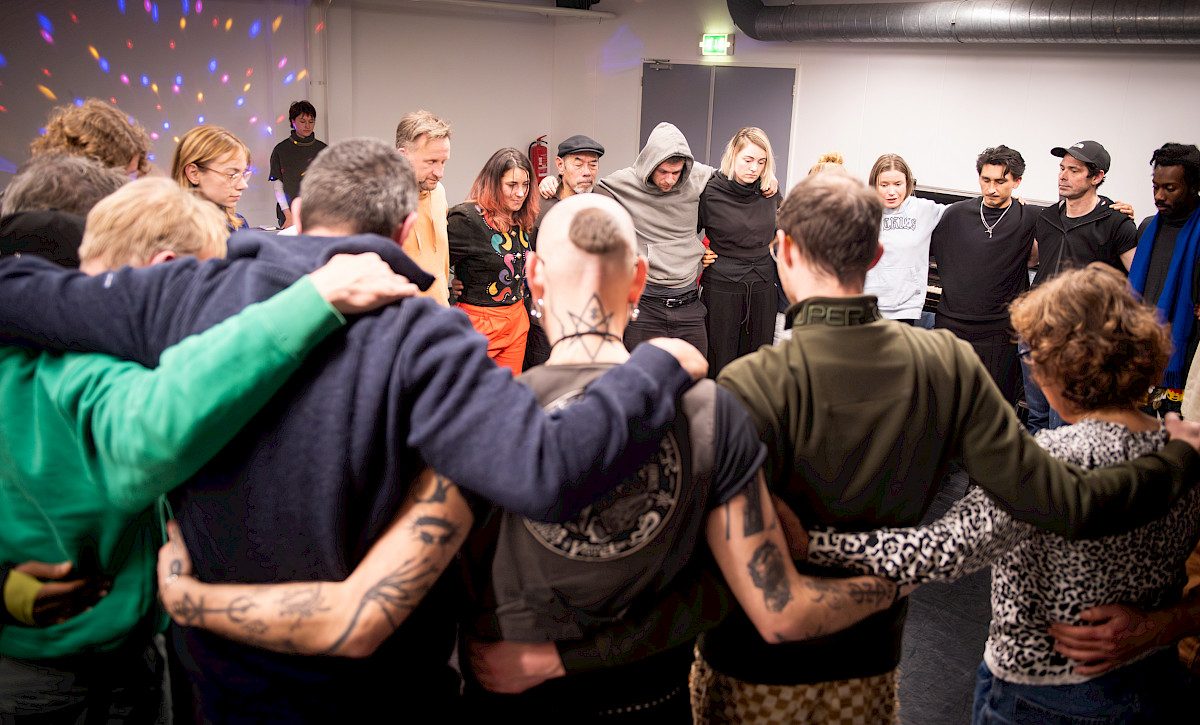
Life Long Burning is a network of European institutions which are dedicated to contemporary dance and performance. They share knowledge and support the development of young makers on an international level. From October 19 to October 28, Viktorija Ilioska takes up residency at the our studios in Bau West. Her residency falls within the Creative Crossroads project.
Creative Crossroads supports emerging and mid-career artists nominated by each network member to enjoy financial and structural support over the course of 2 years – which makes two cycles. The focus is put on enabling dance and performance creation and there are several meetings for the artists to get to know each other, their work and the network partner. There is a strong commitment to engage in the continued accompaniment of the selected CC artists.
Life Long Burning is Funded by the European Union. Views and opinions expressed are however those of the author(s) only and do not necessarily reflect those of the European Union or the European Education and Culture Executive Agency (EACEA). Neither the European Union nor the EACEA can be held responsible for them.
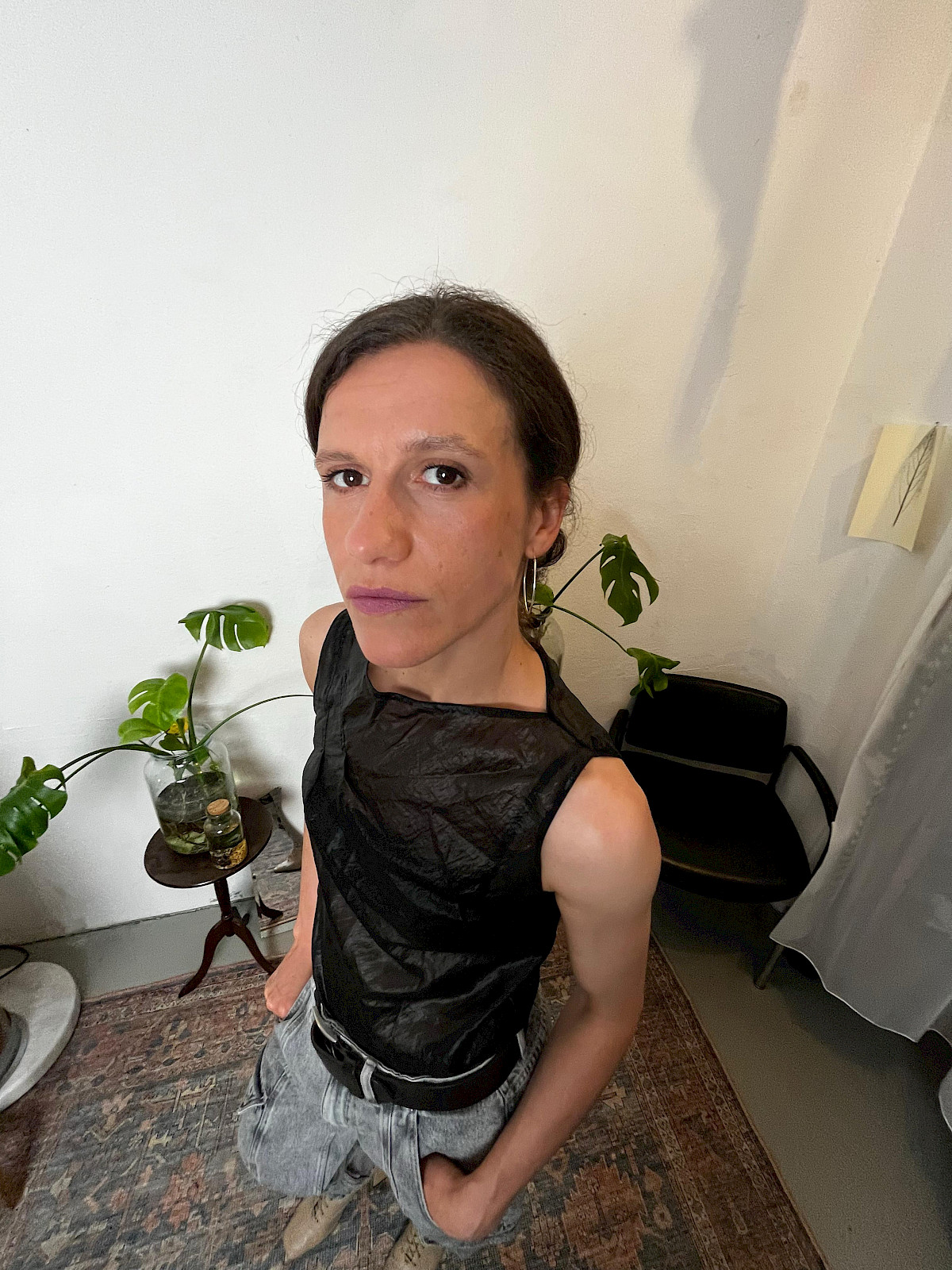
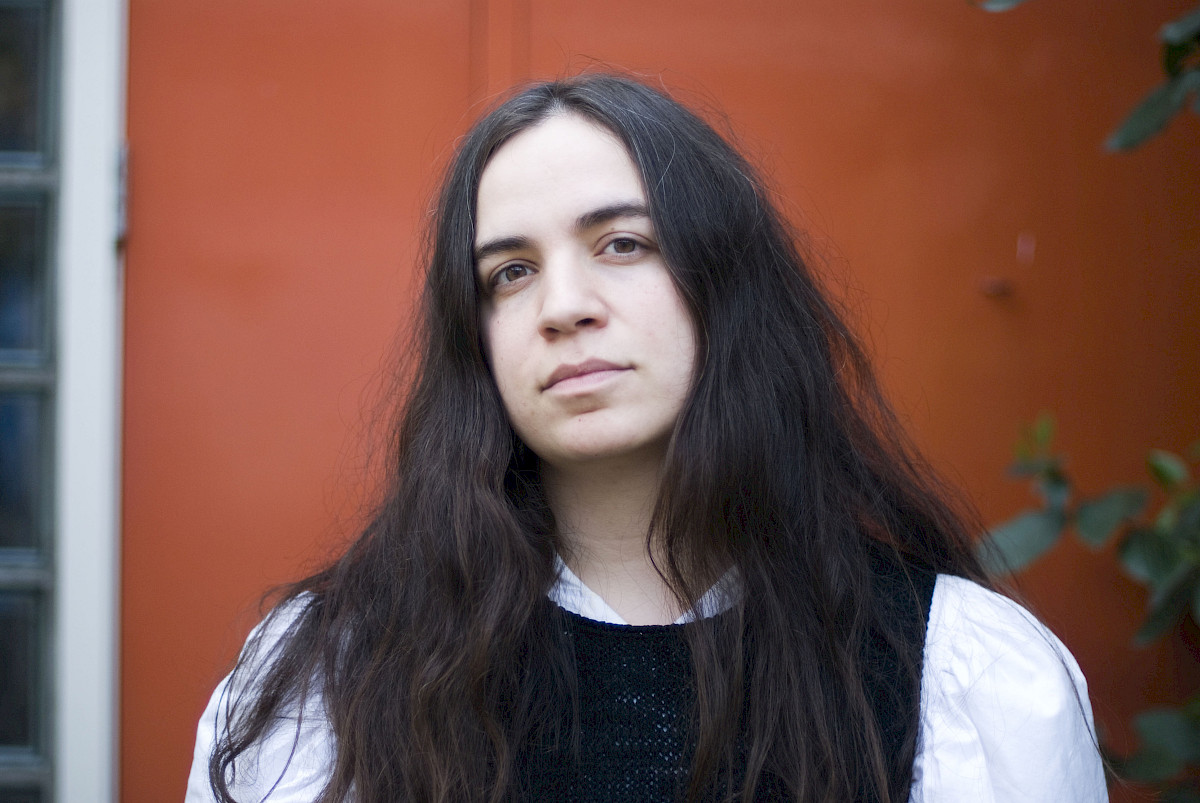
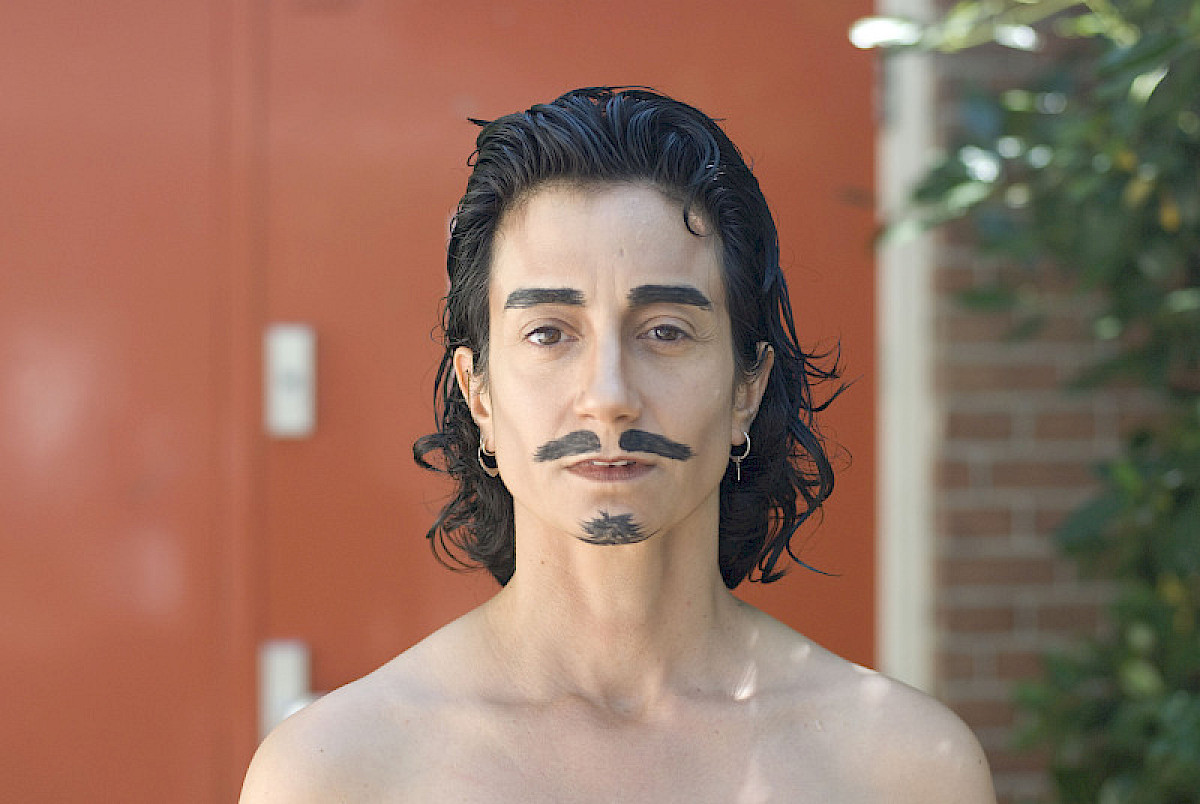
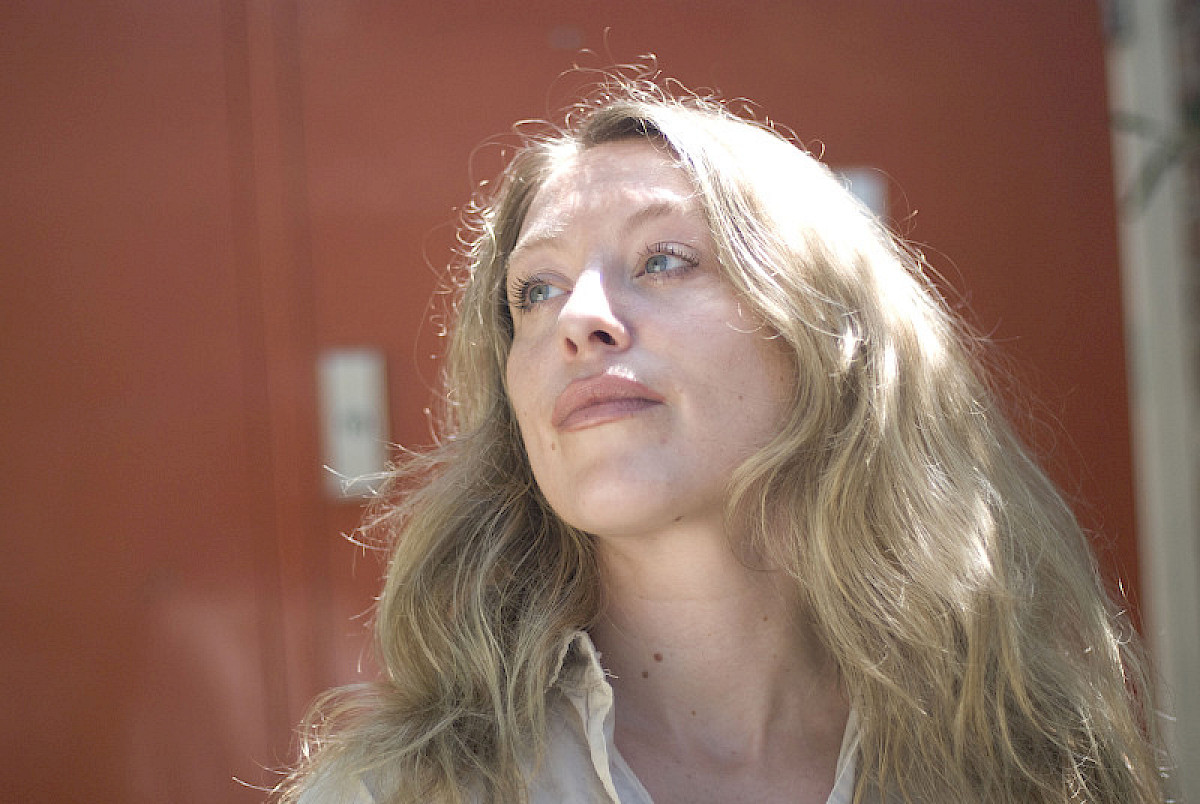
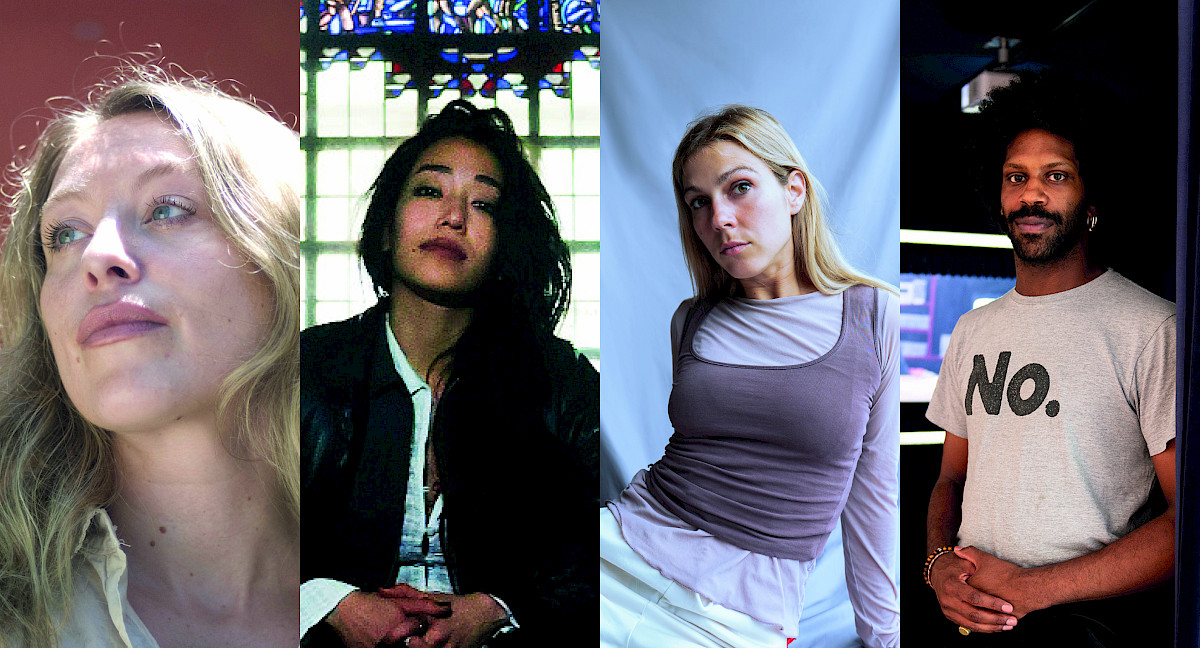
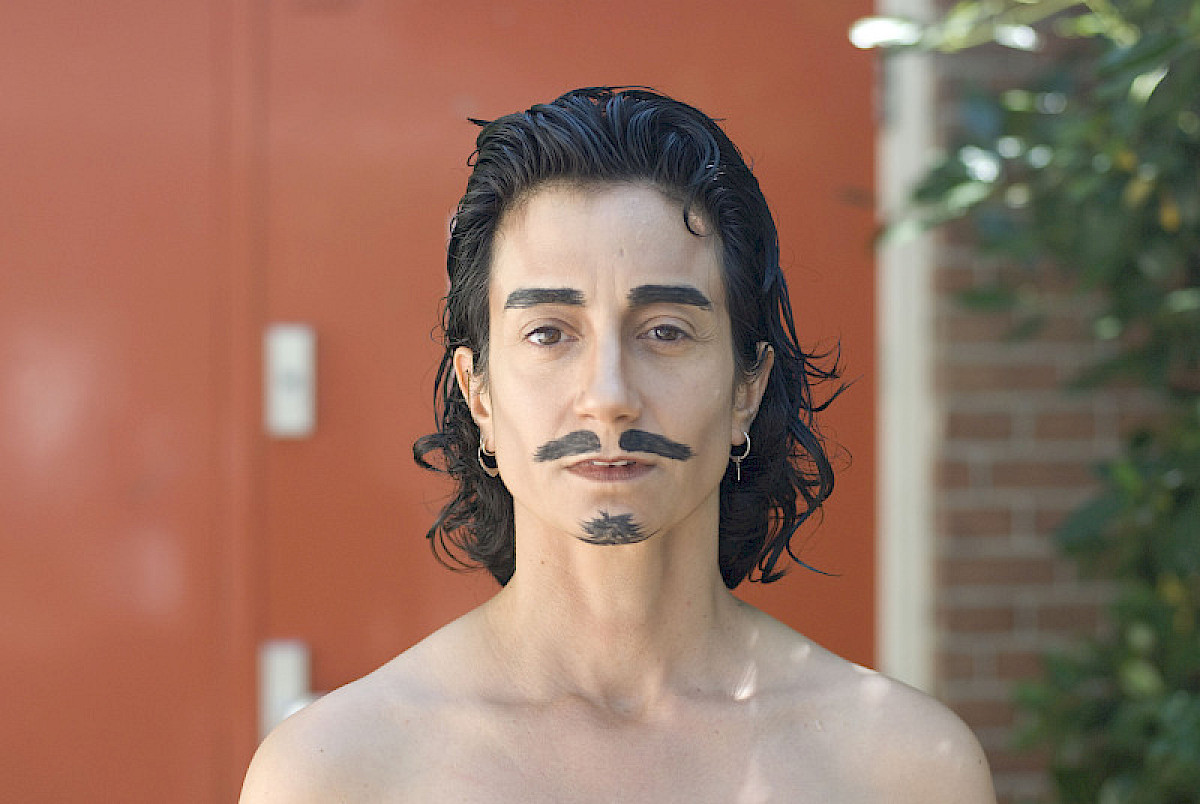
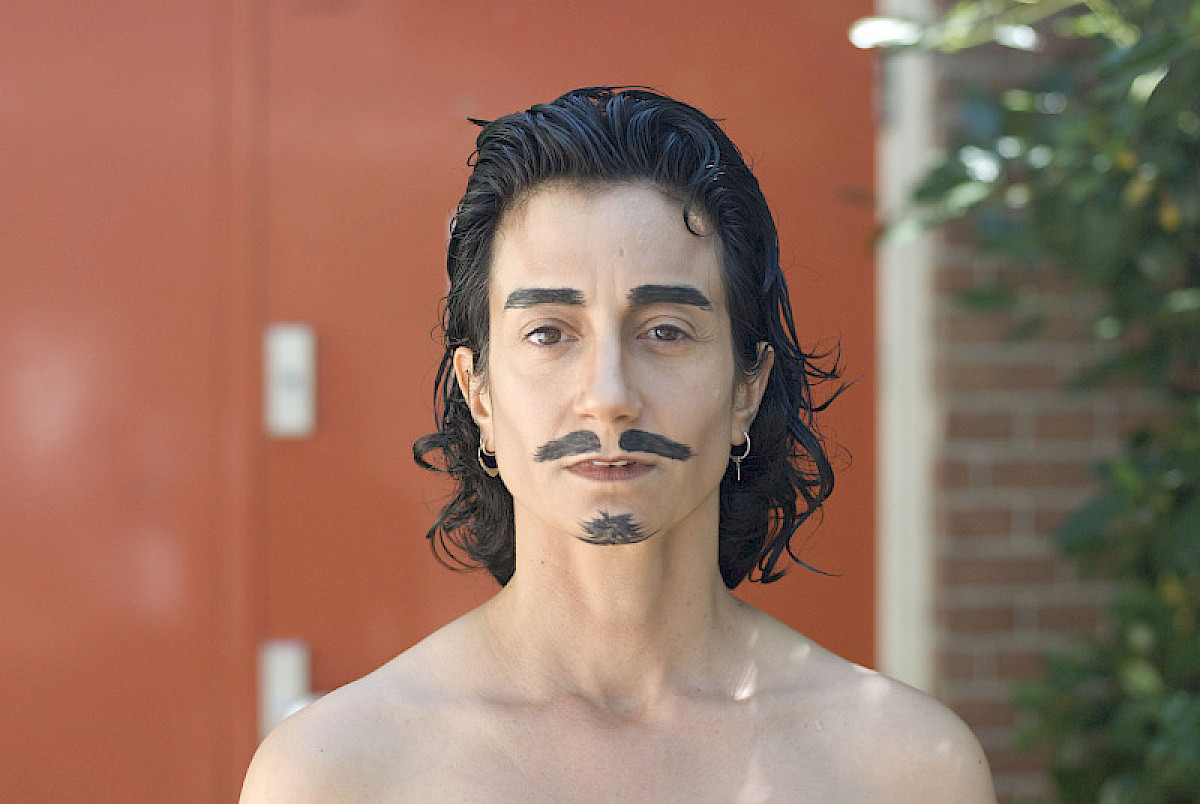
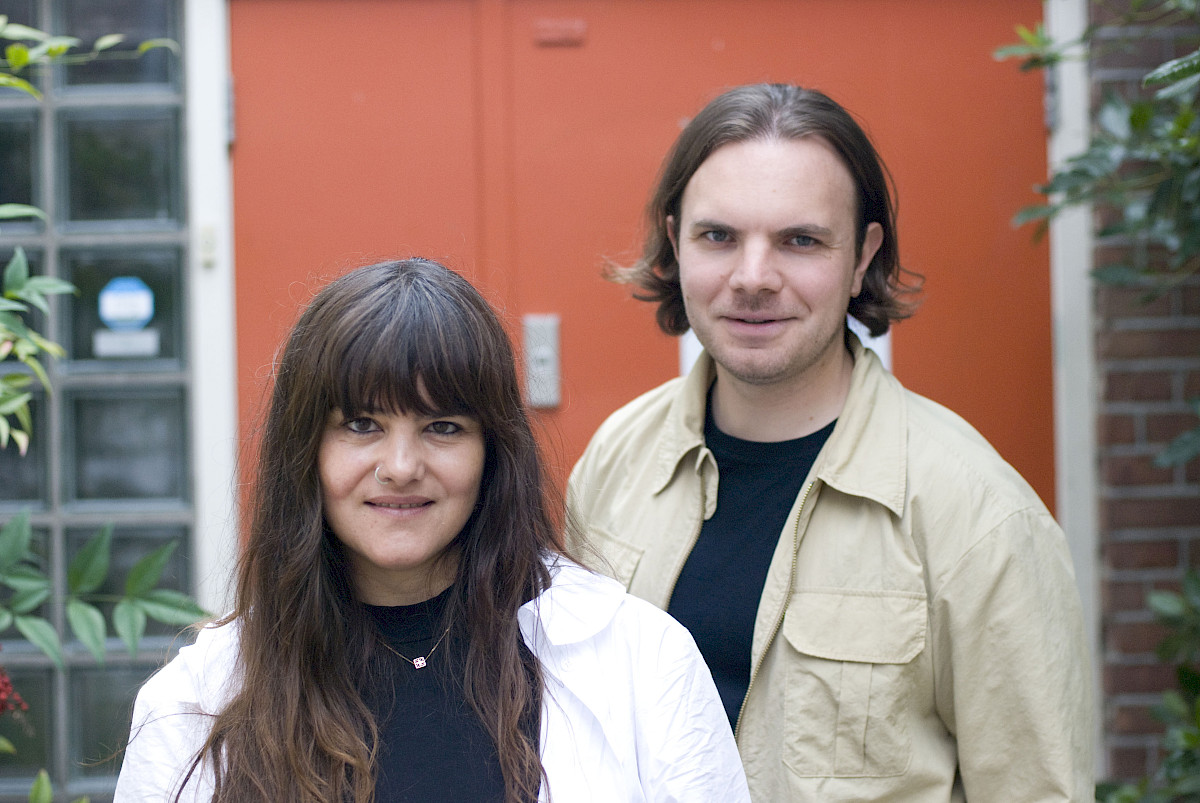
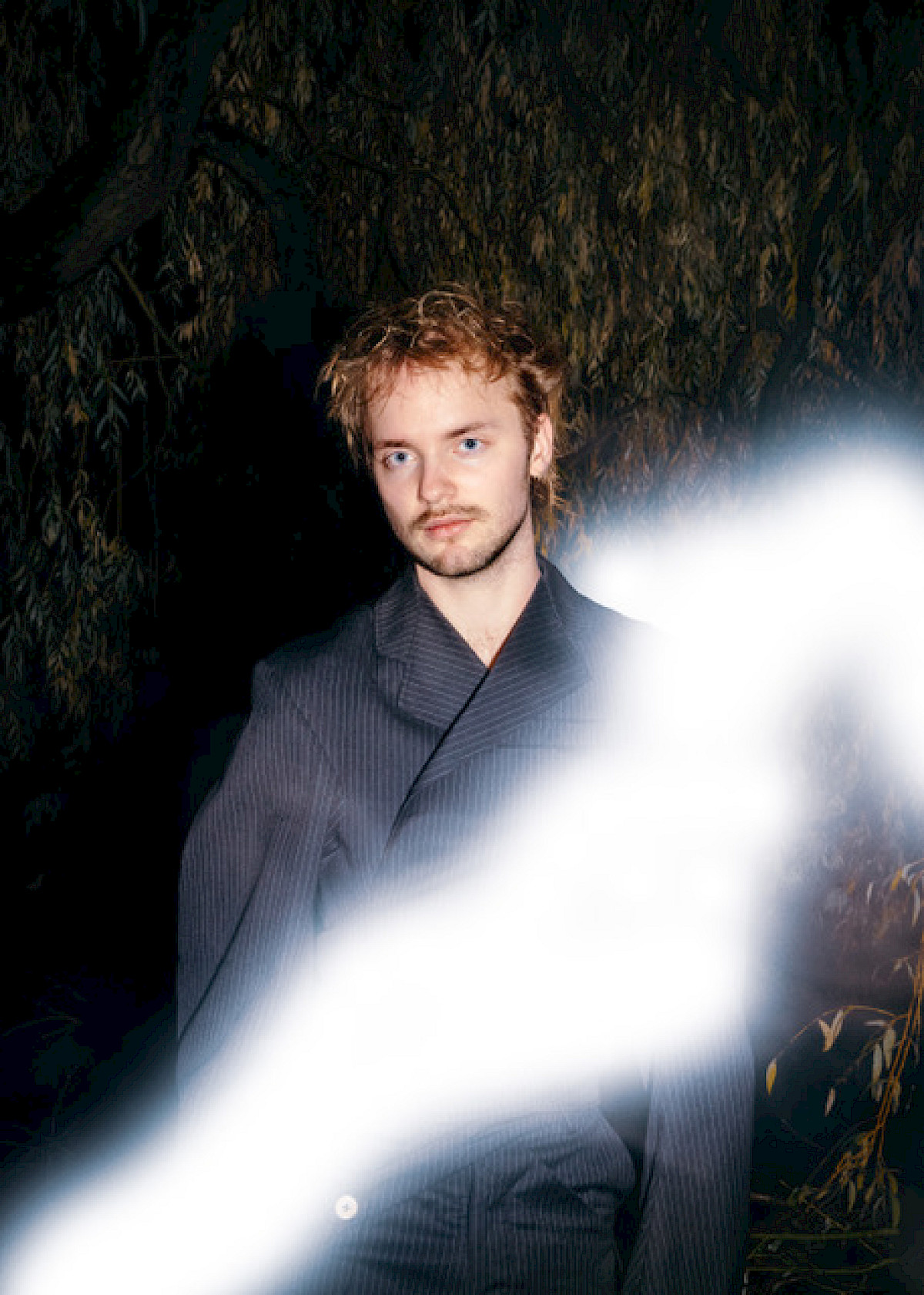
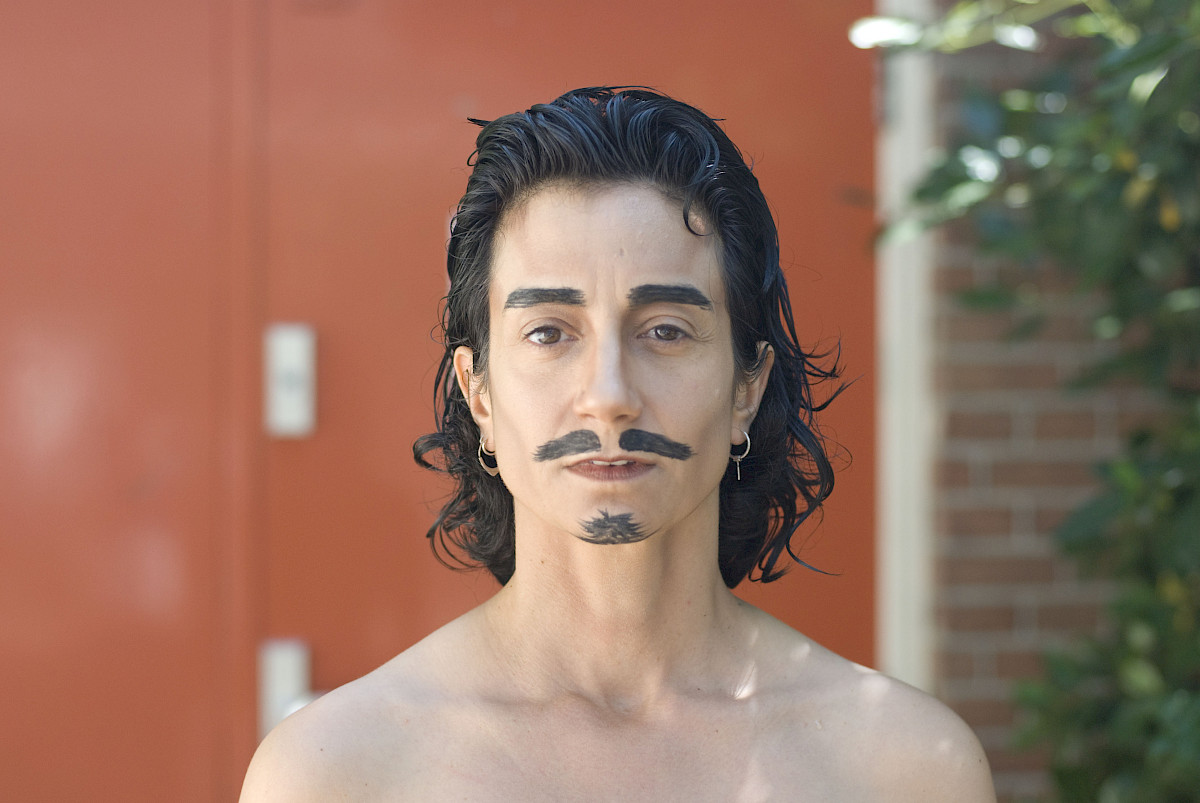
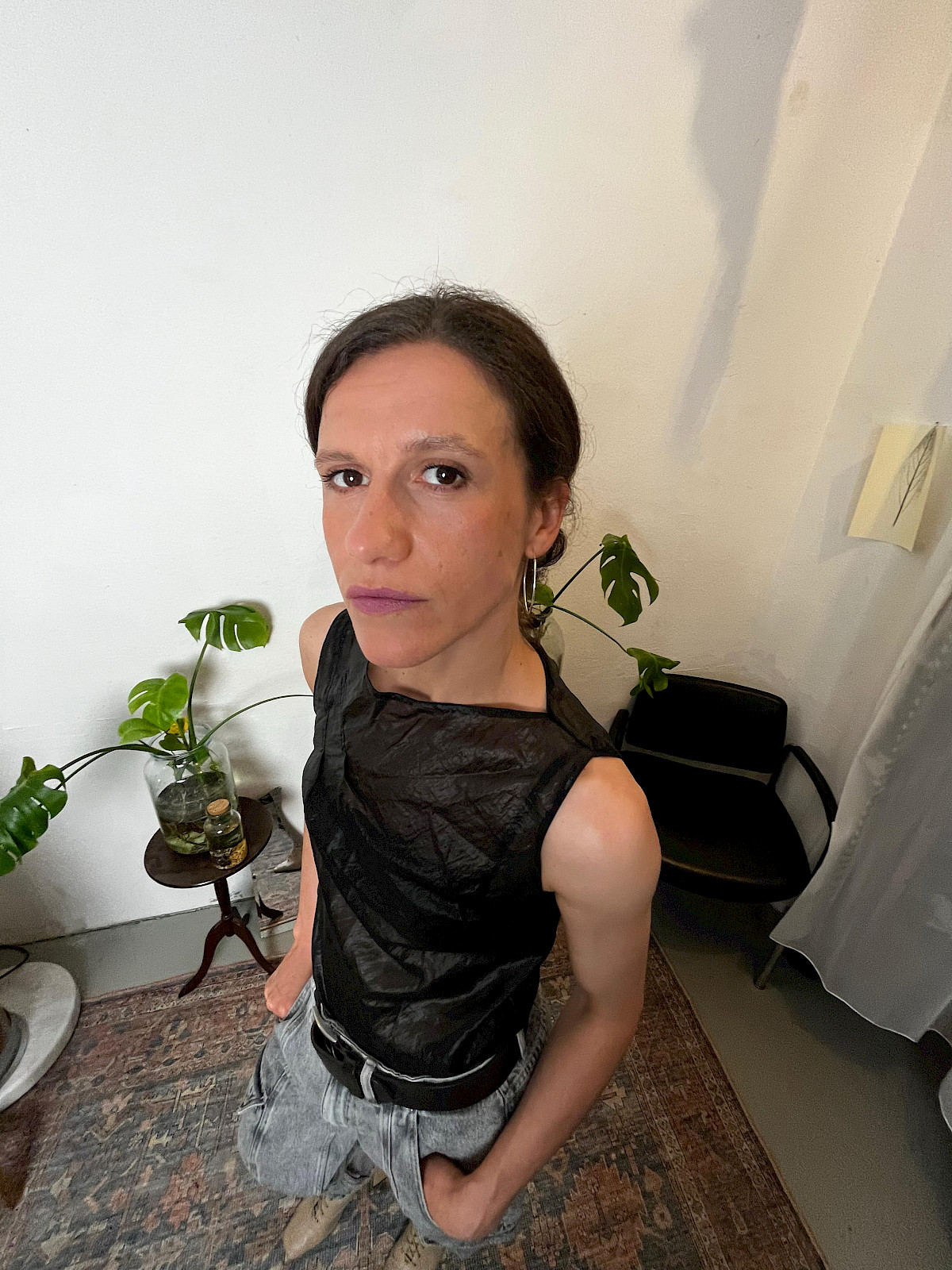
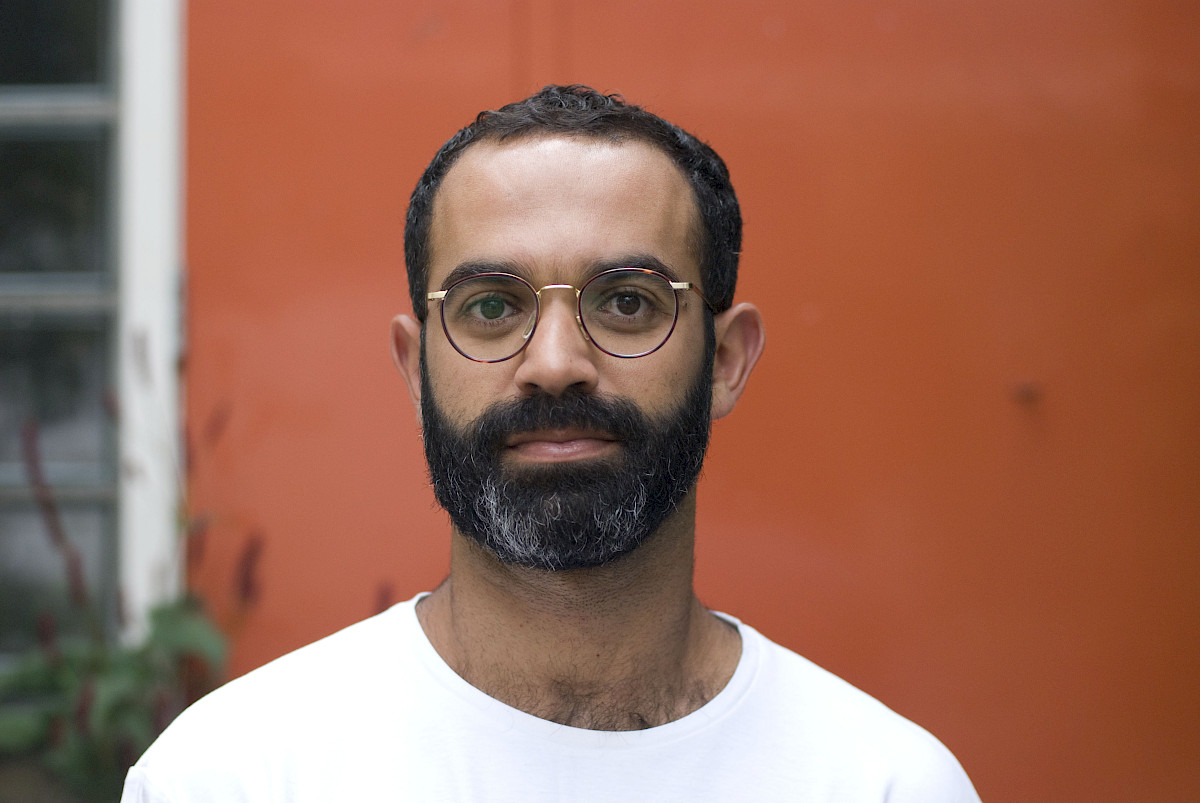
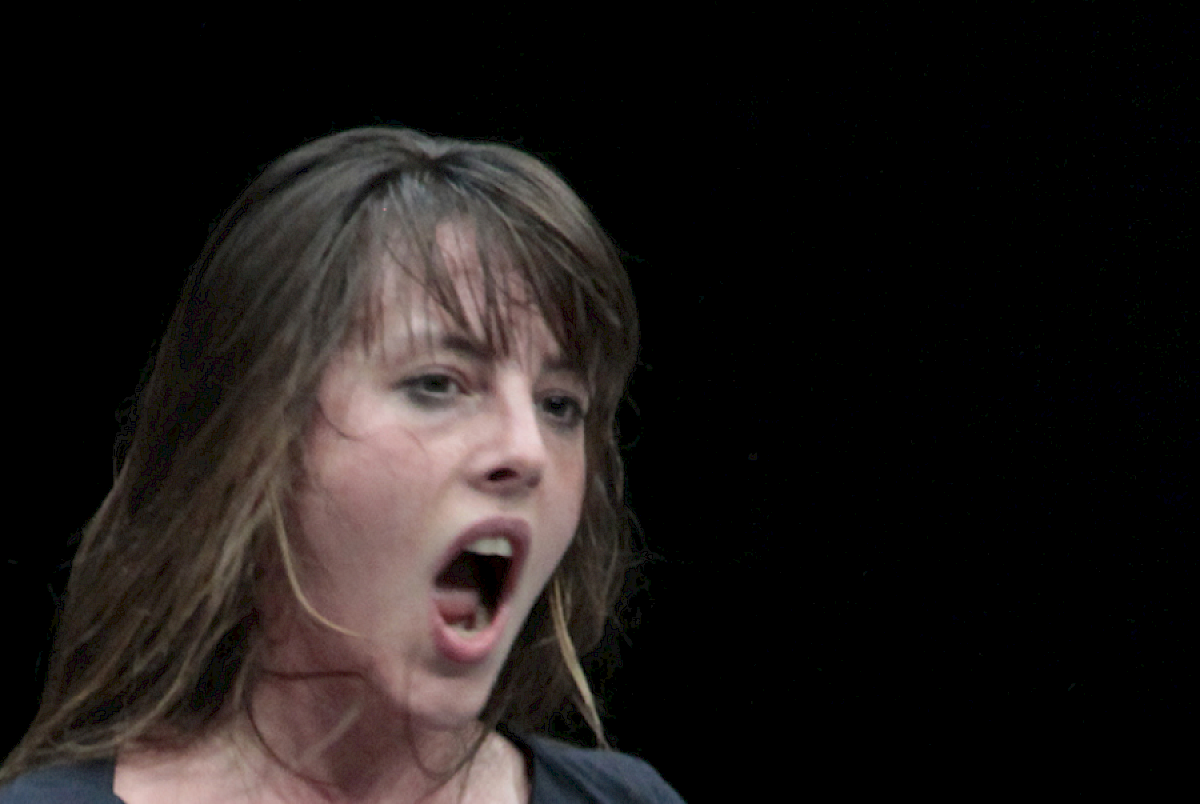
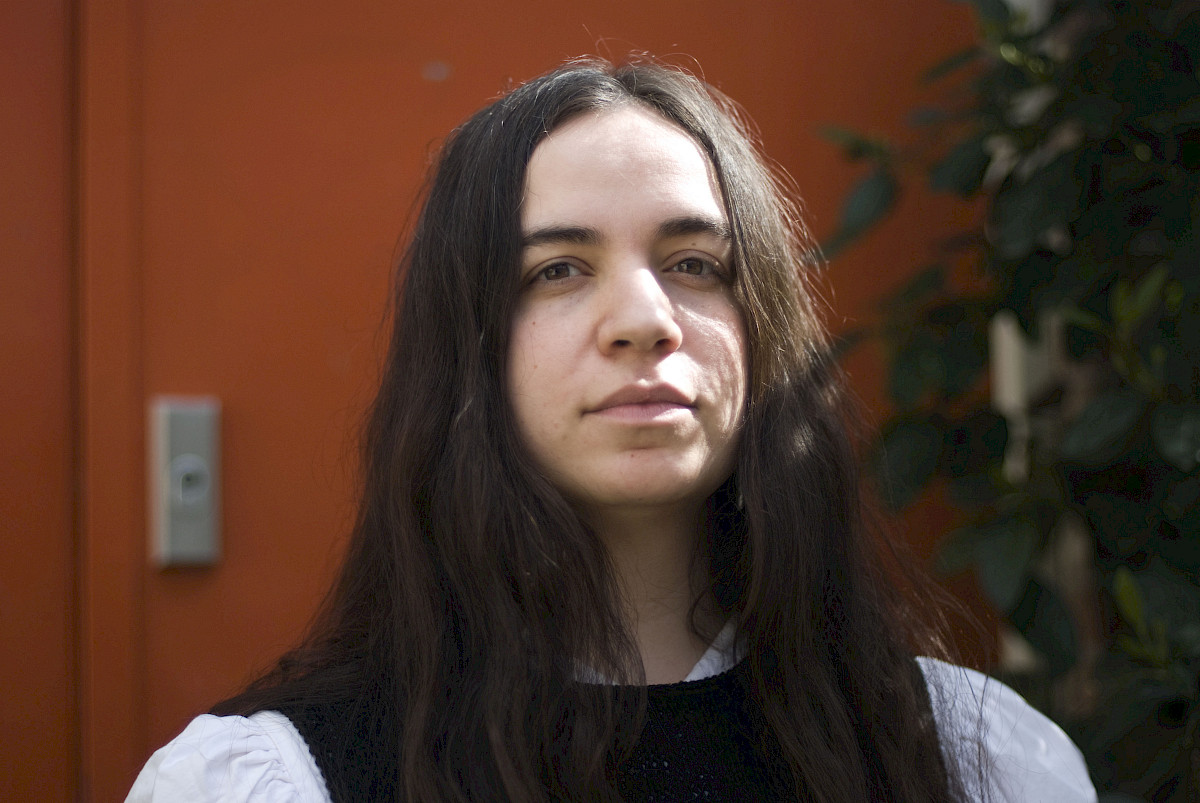
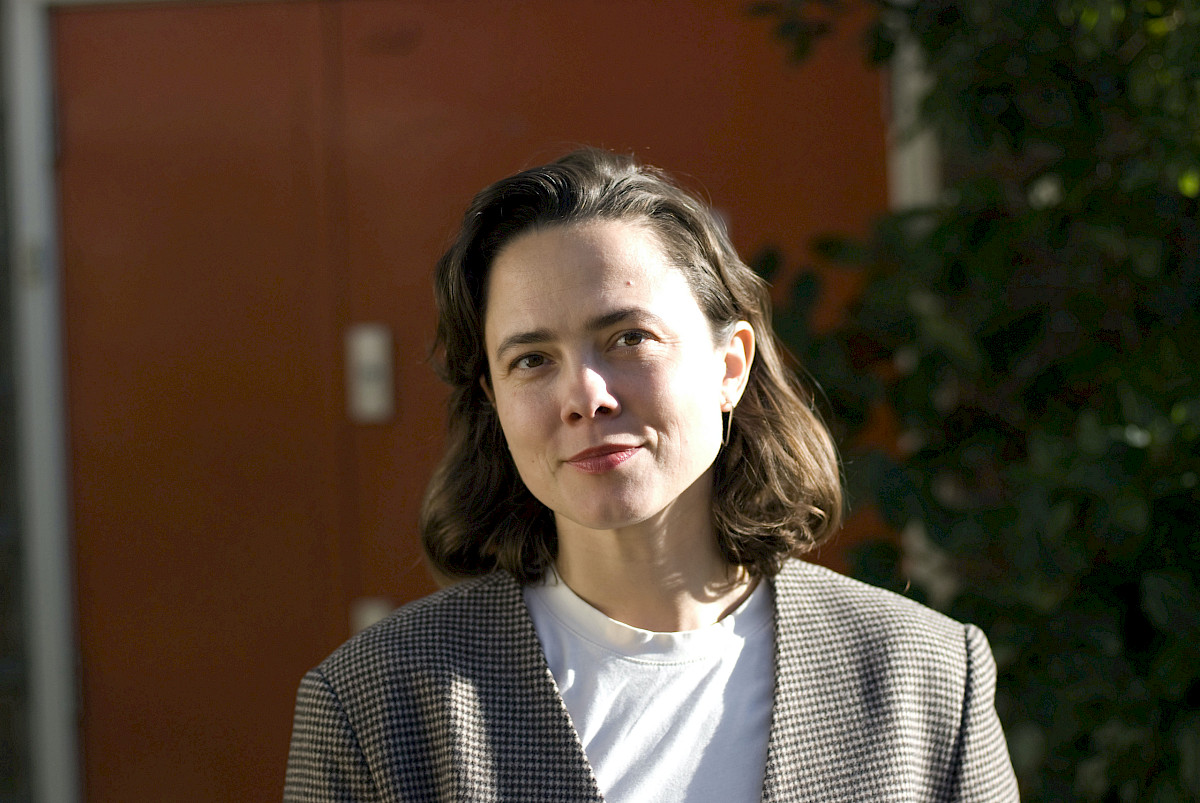
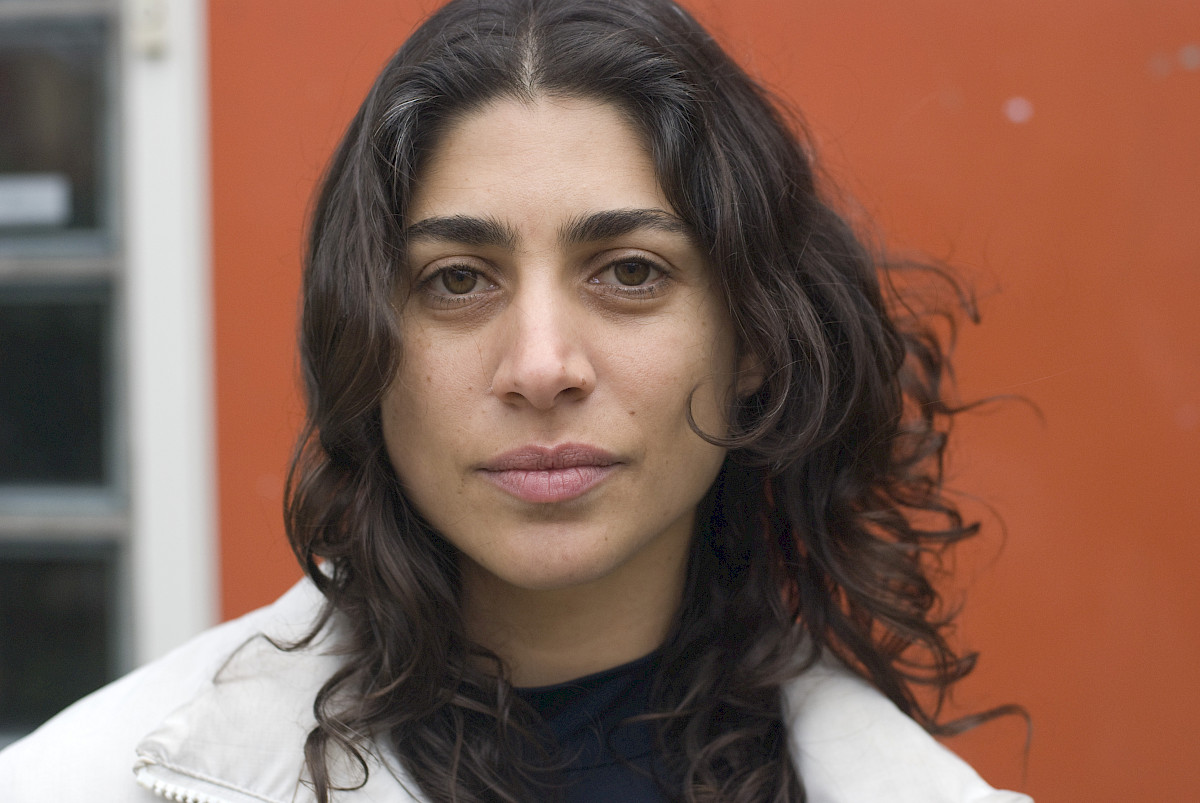
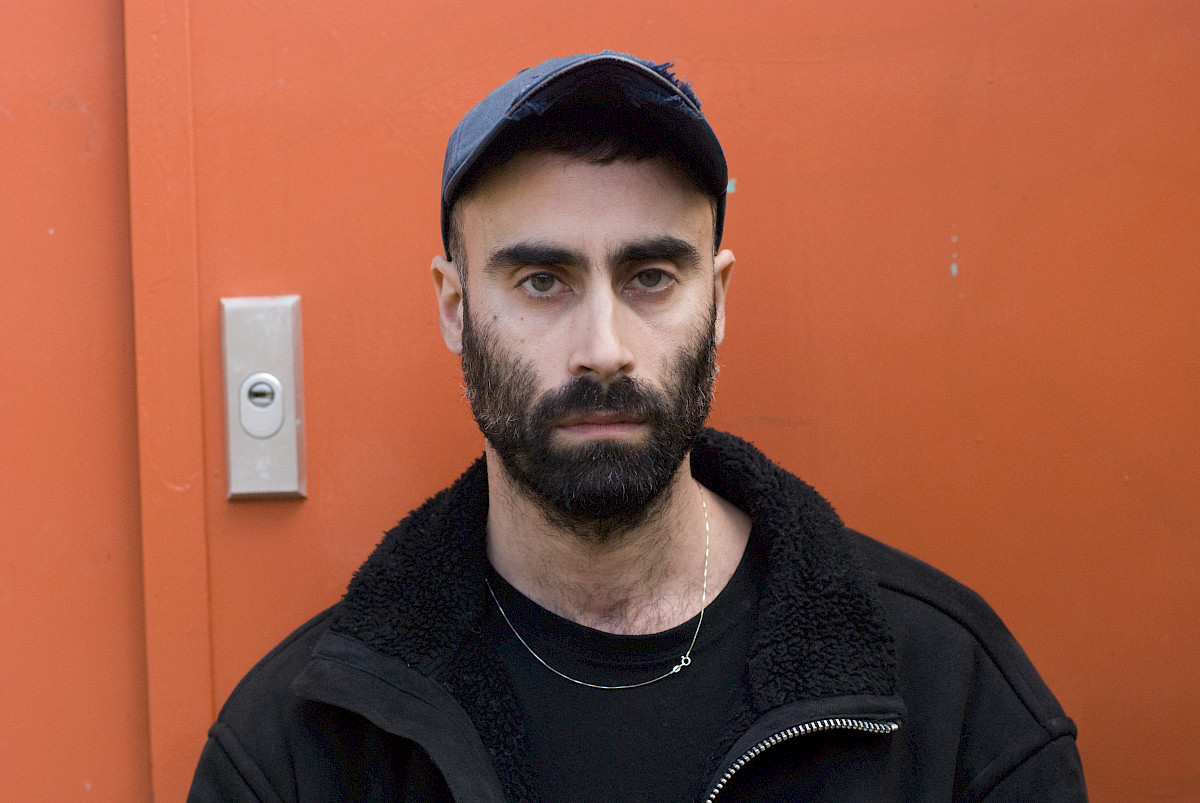
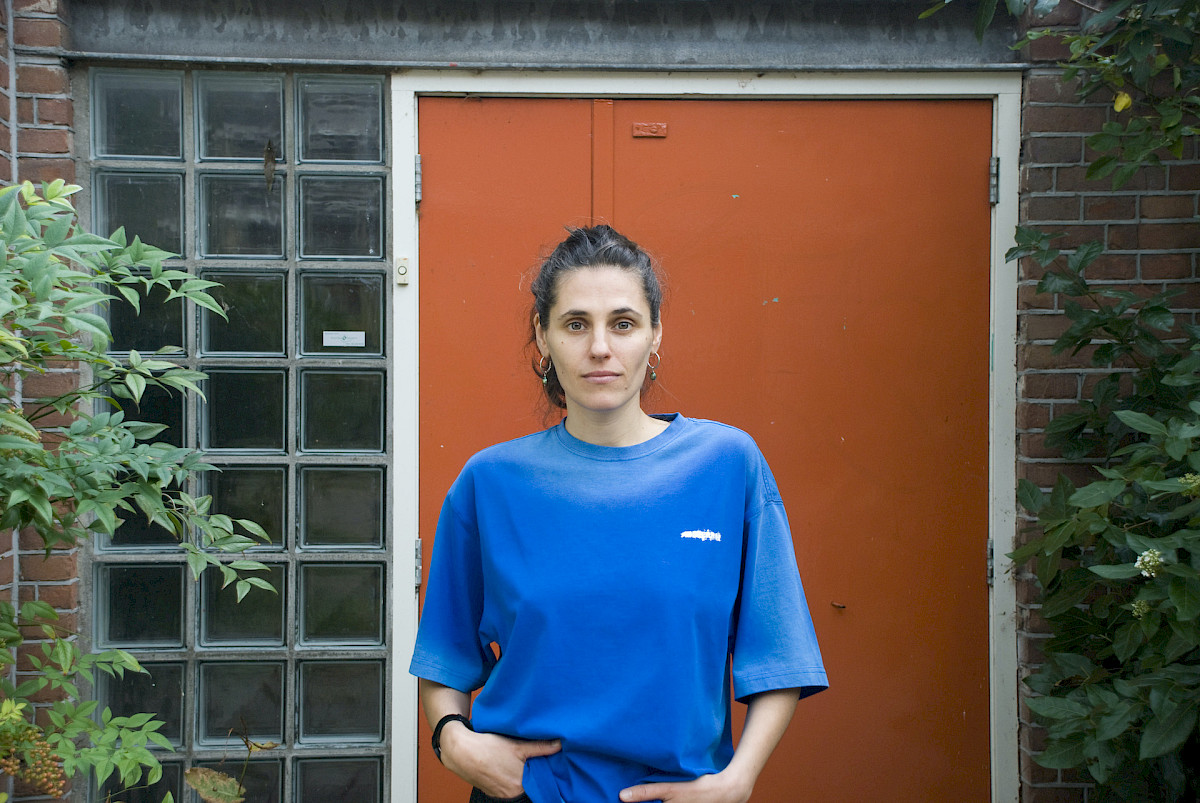
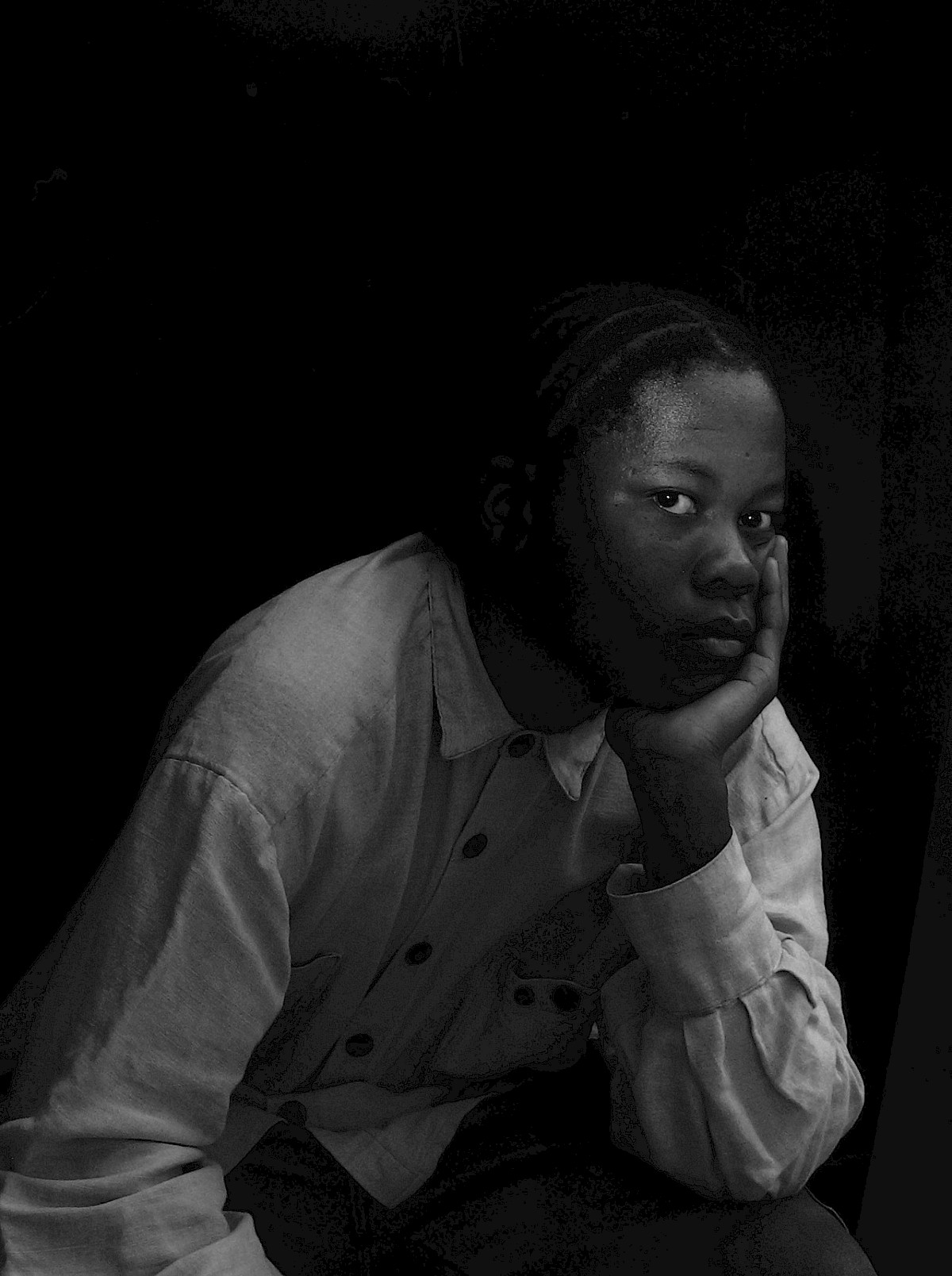
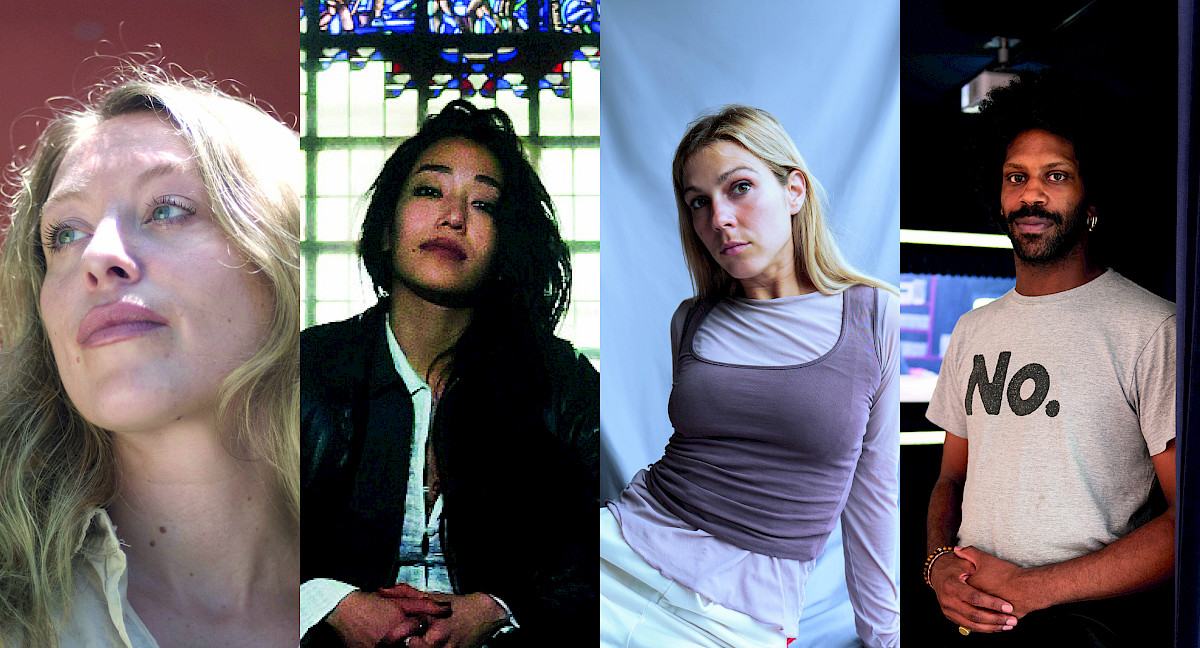
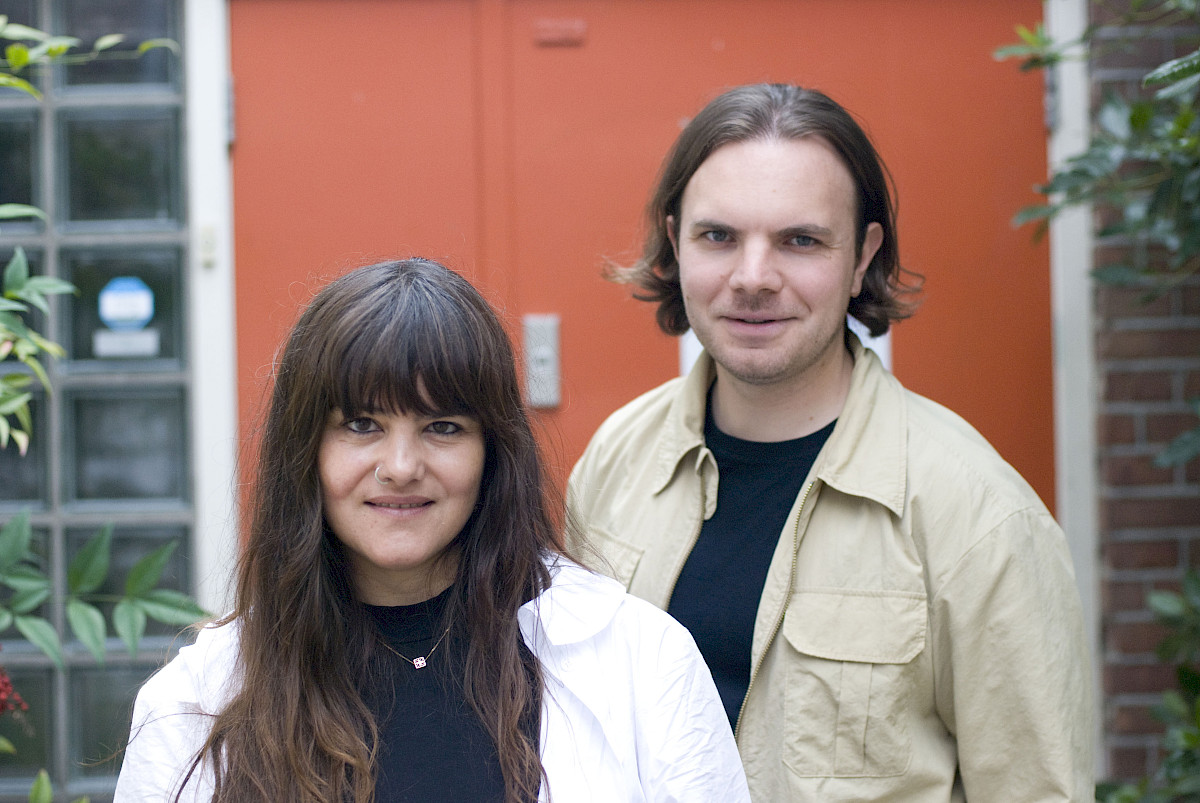
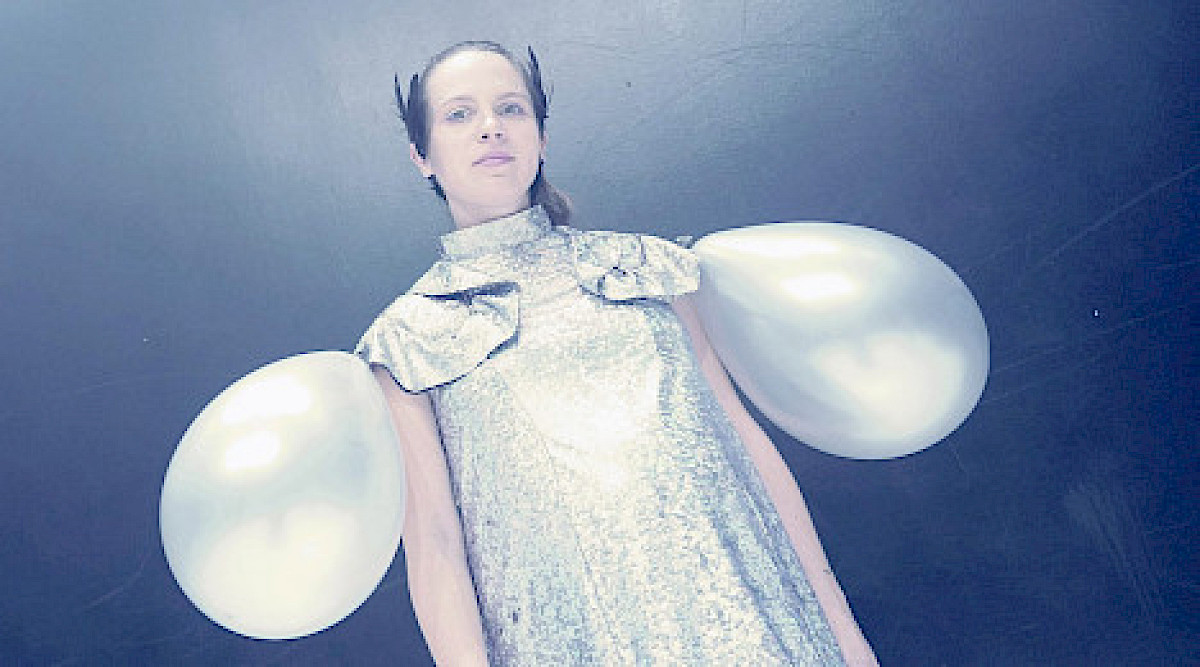
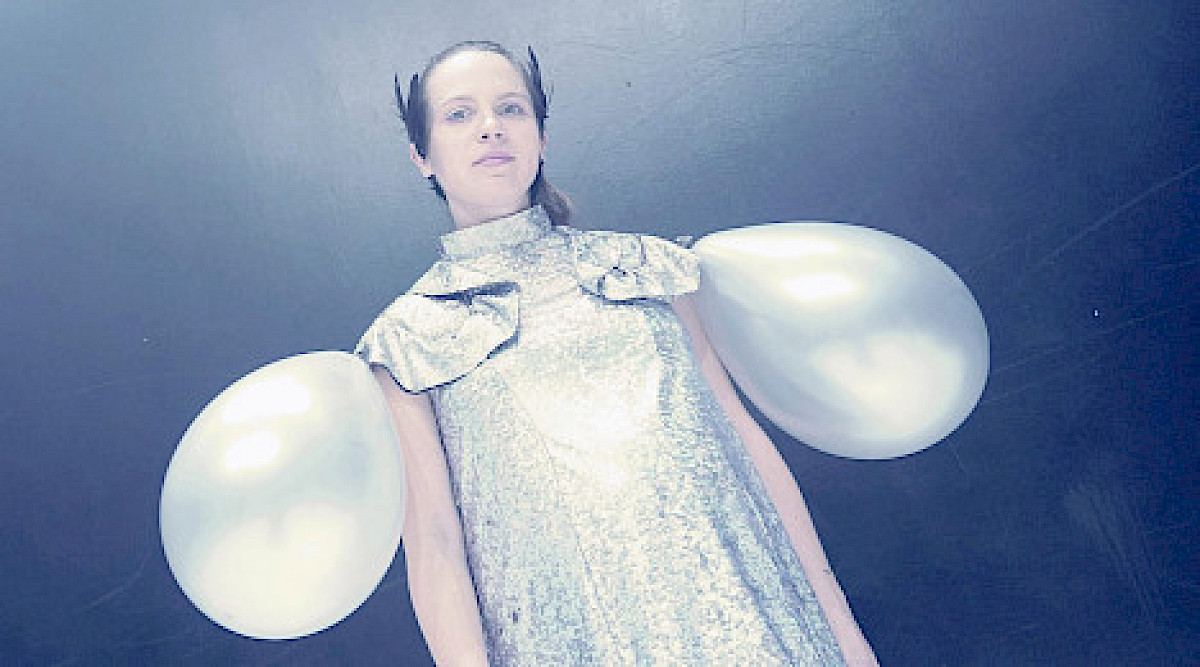
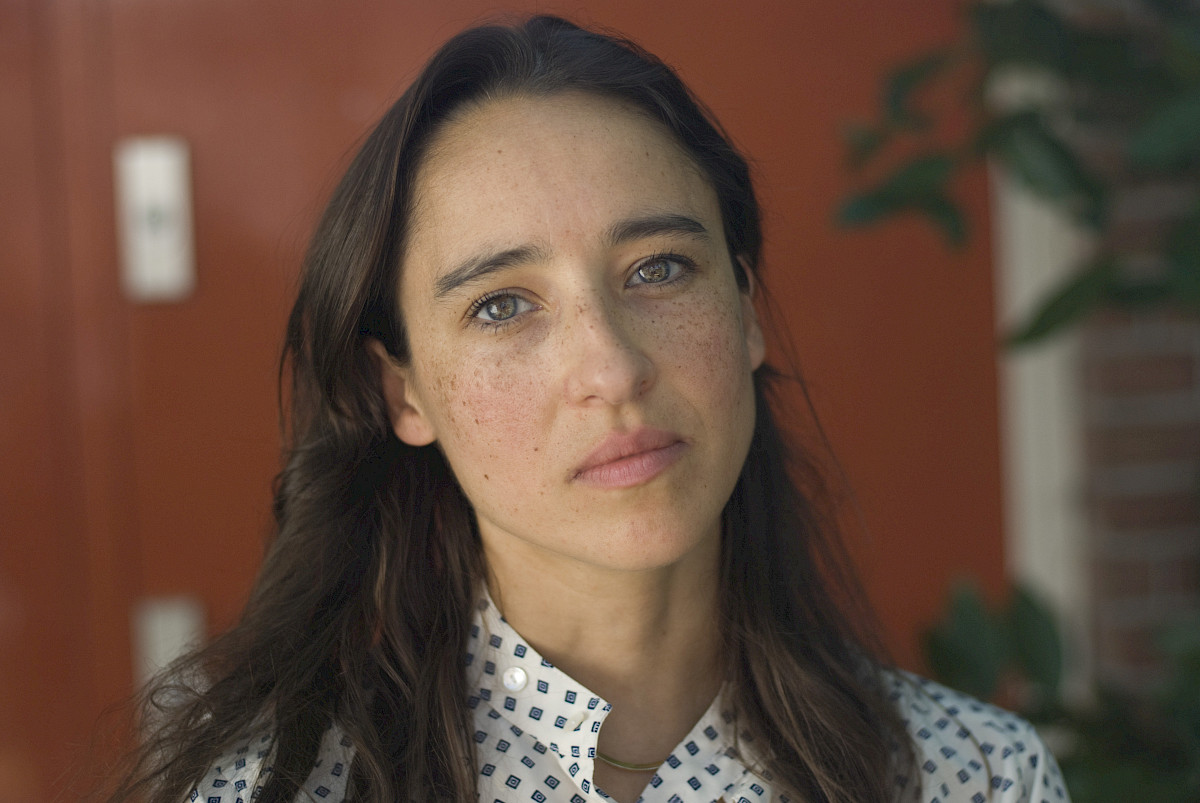
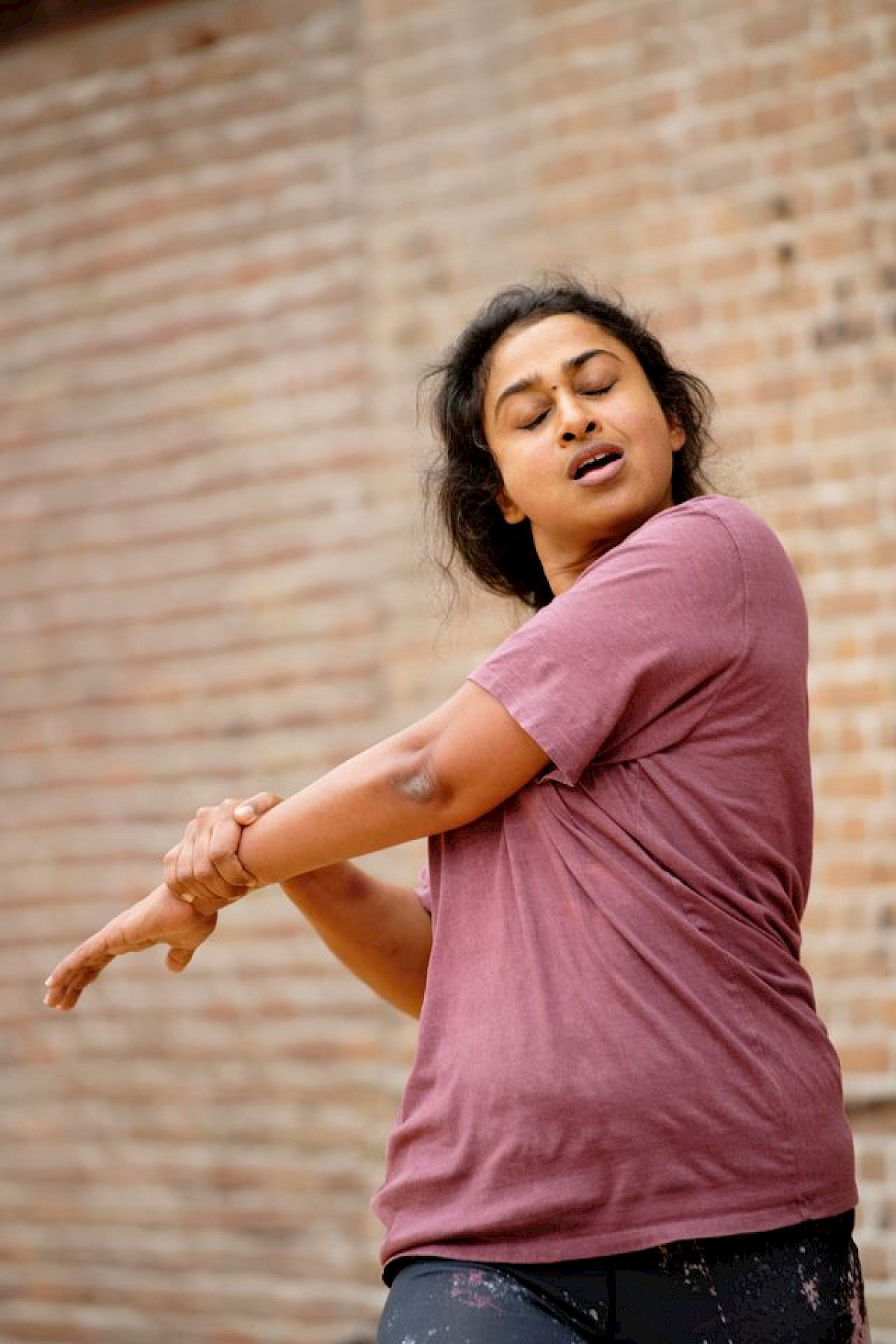
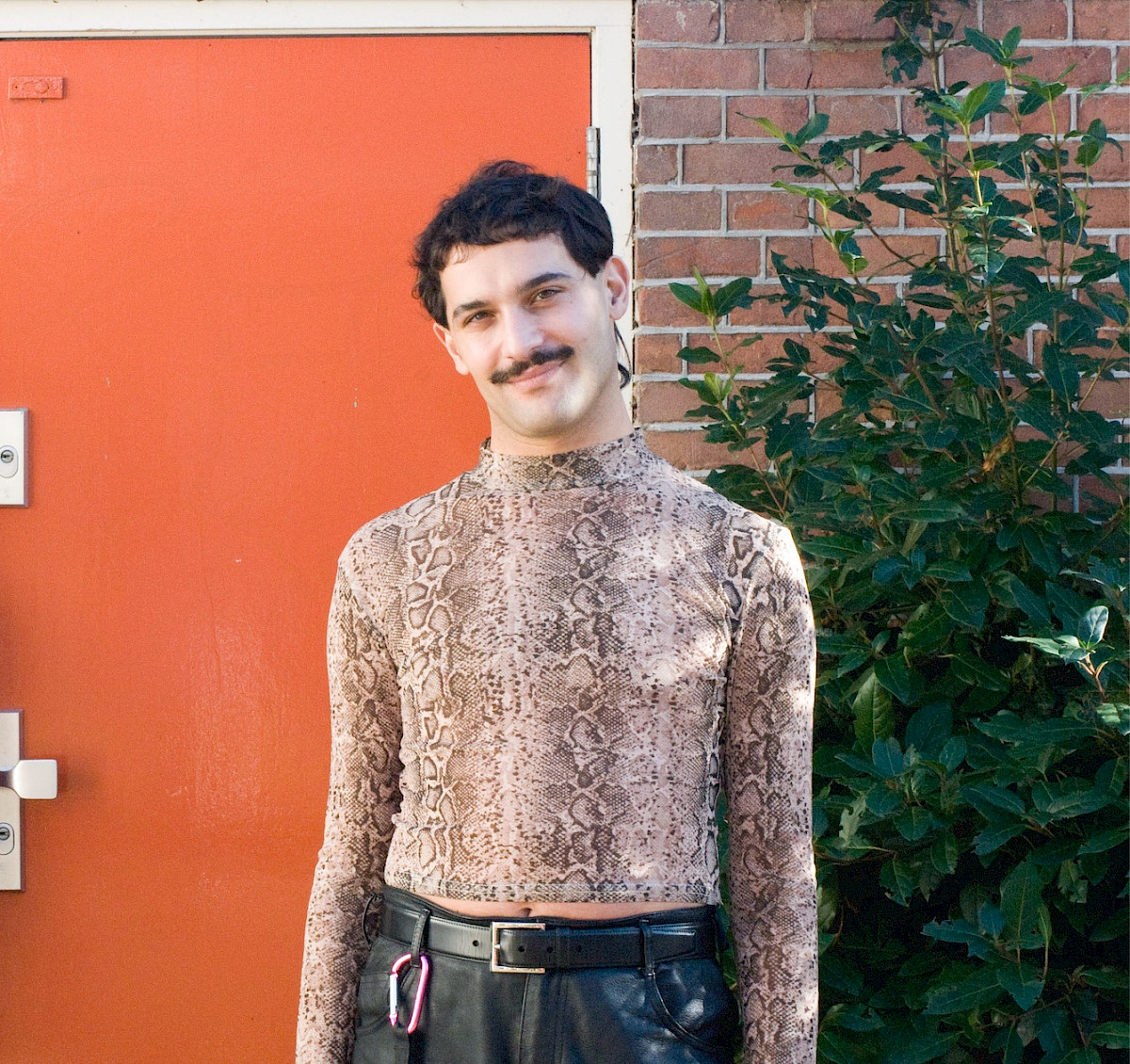
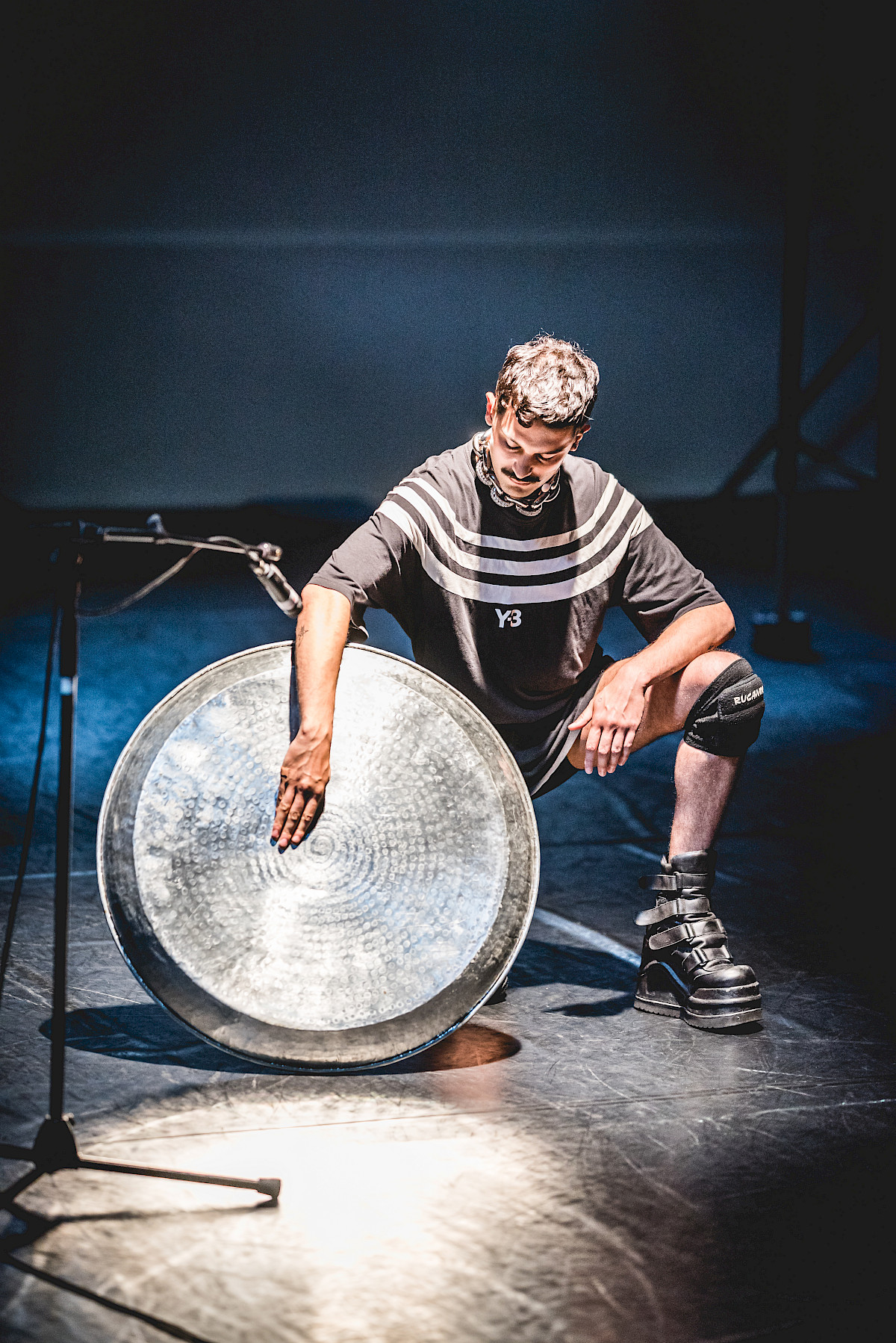
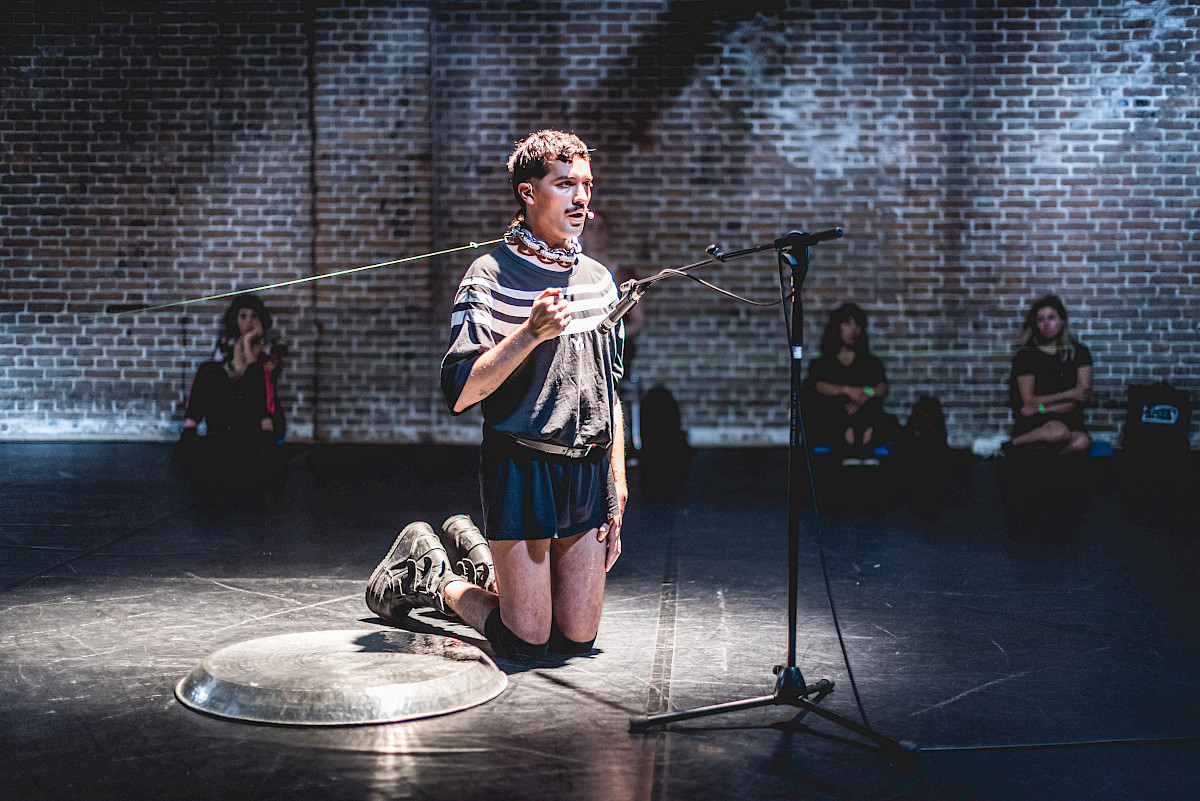
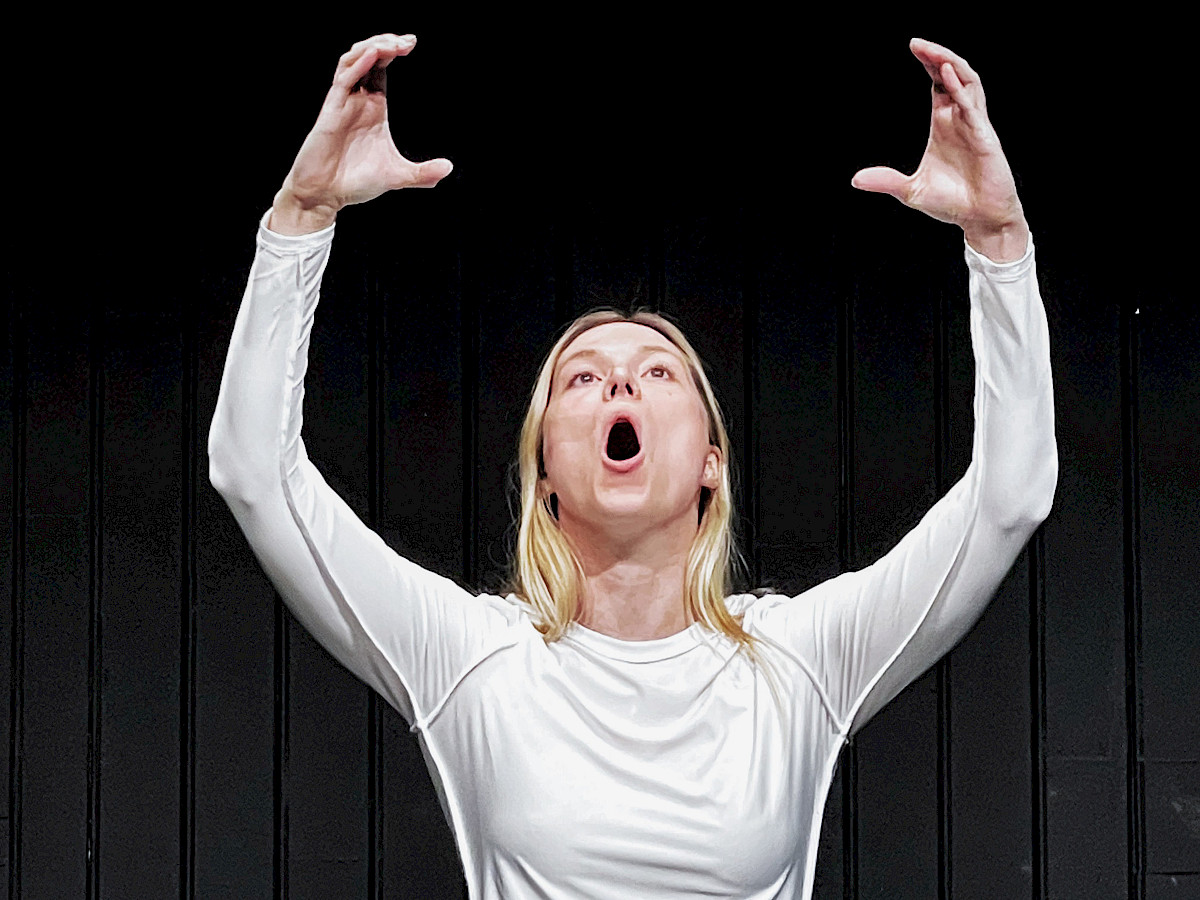
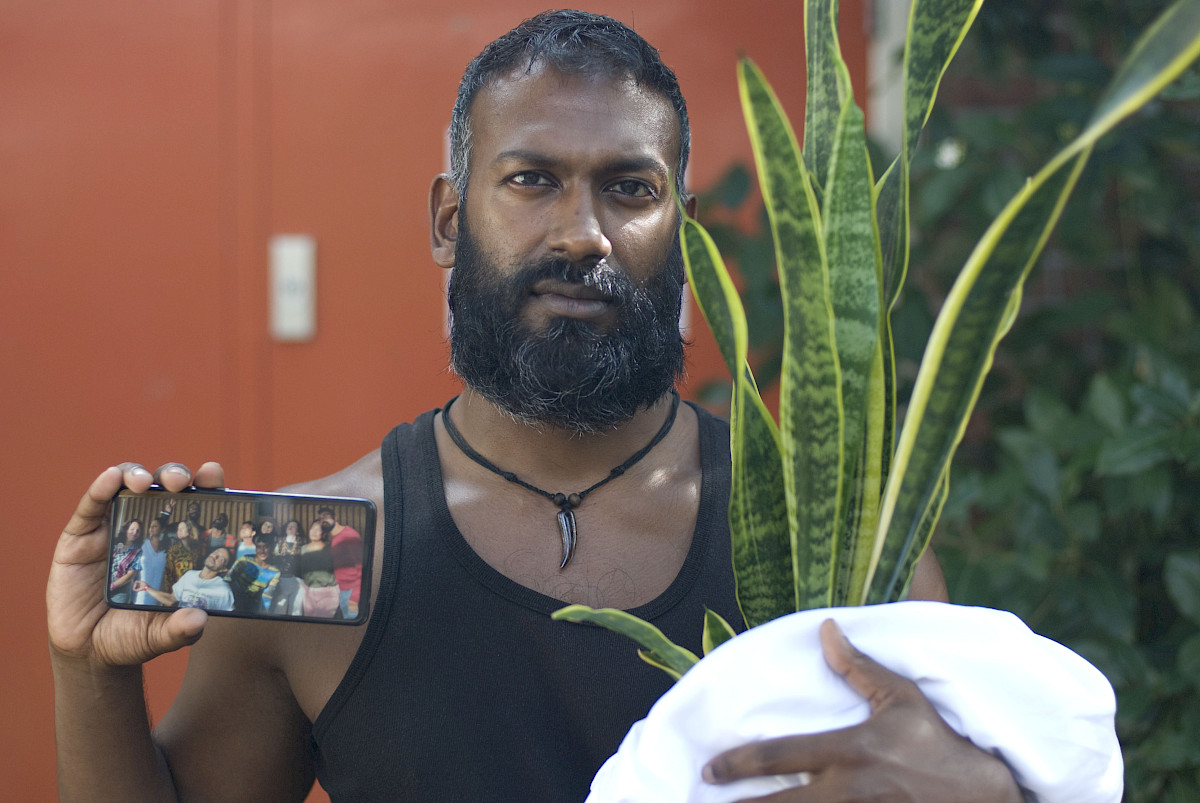
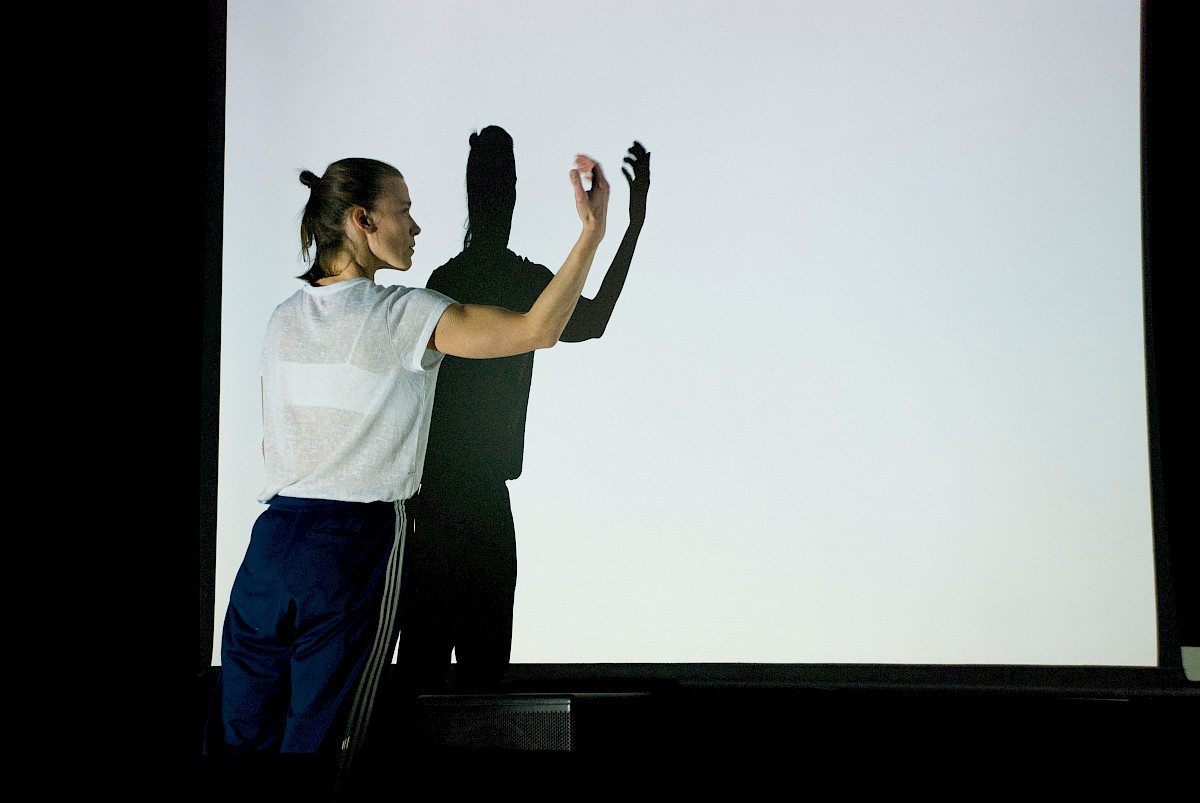
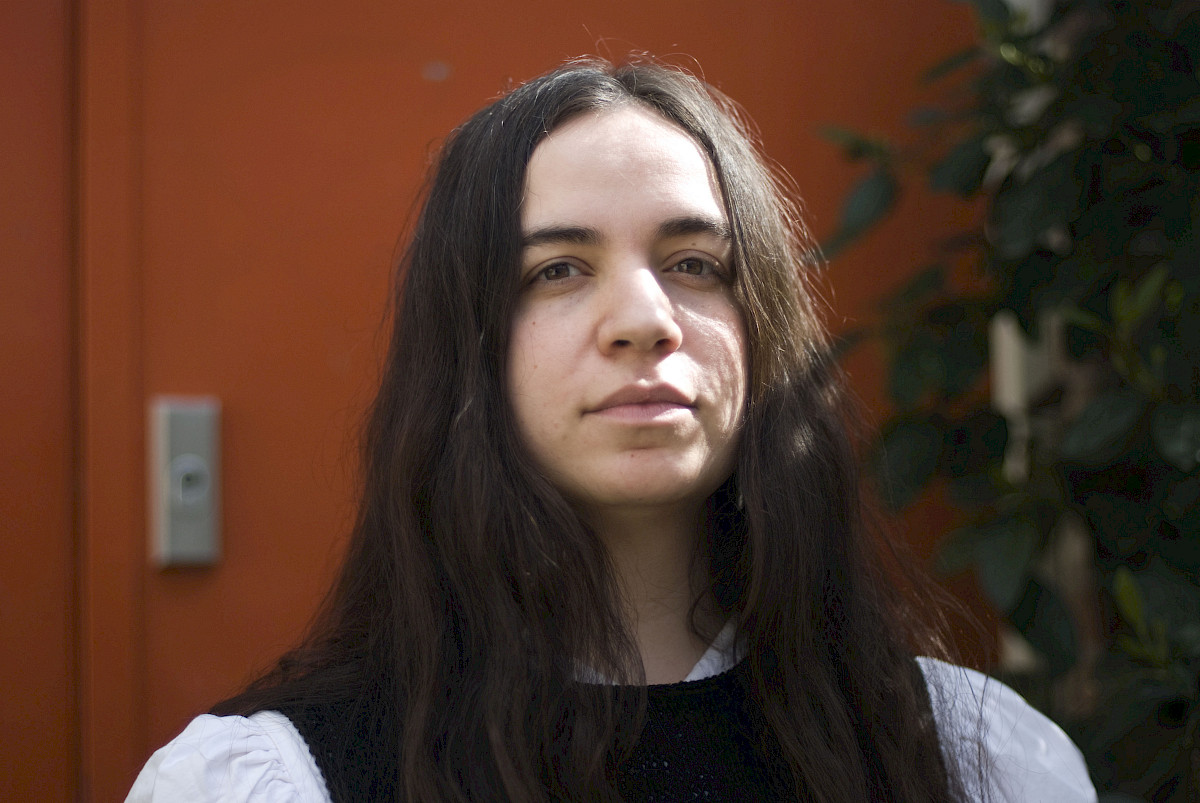
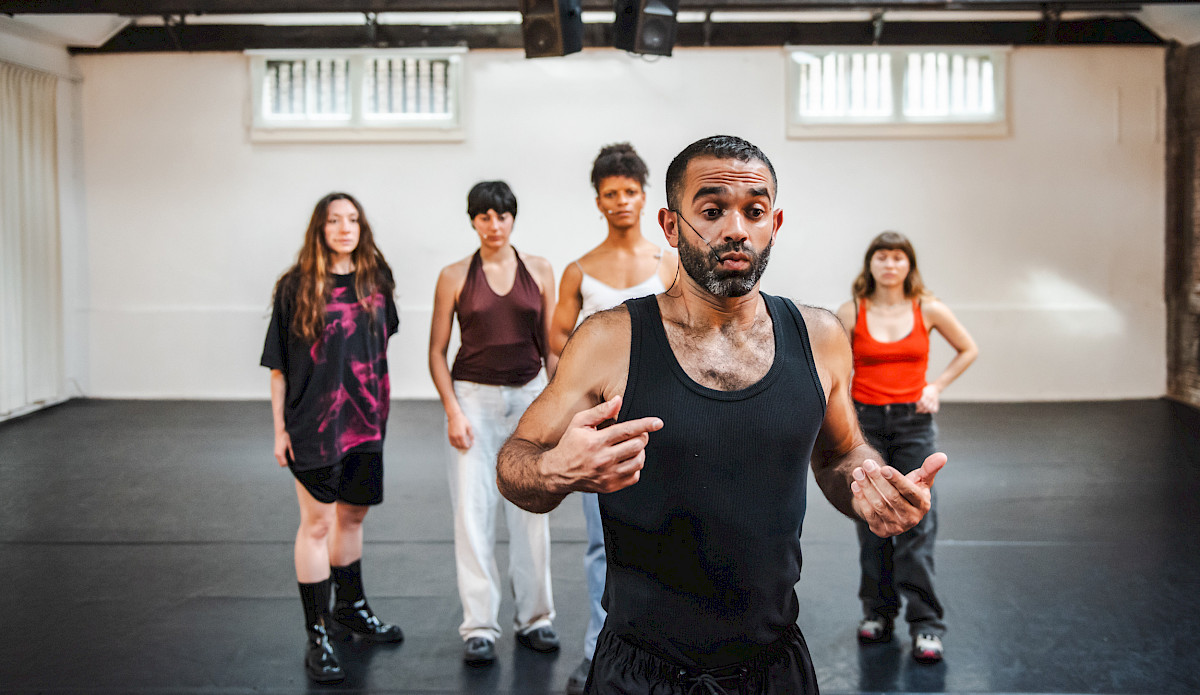
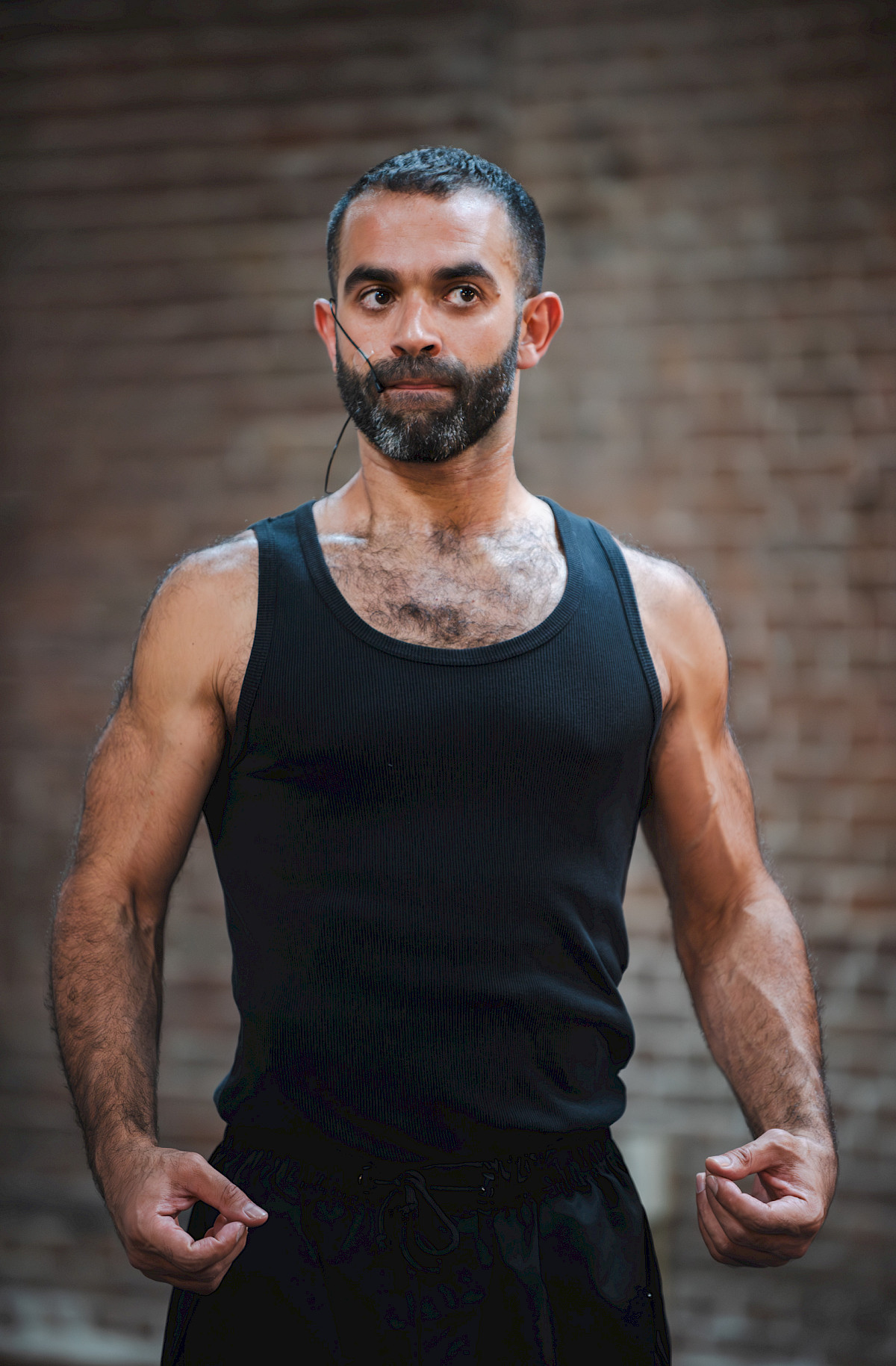
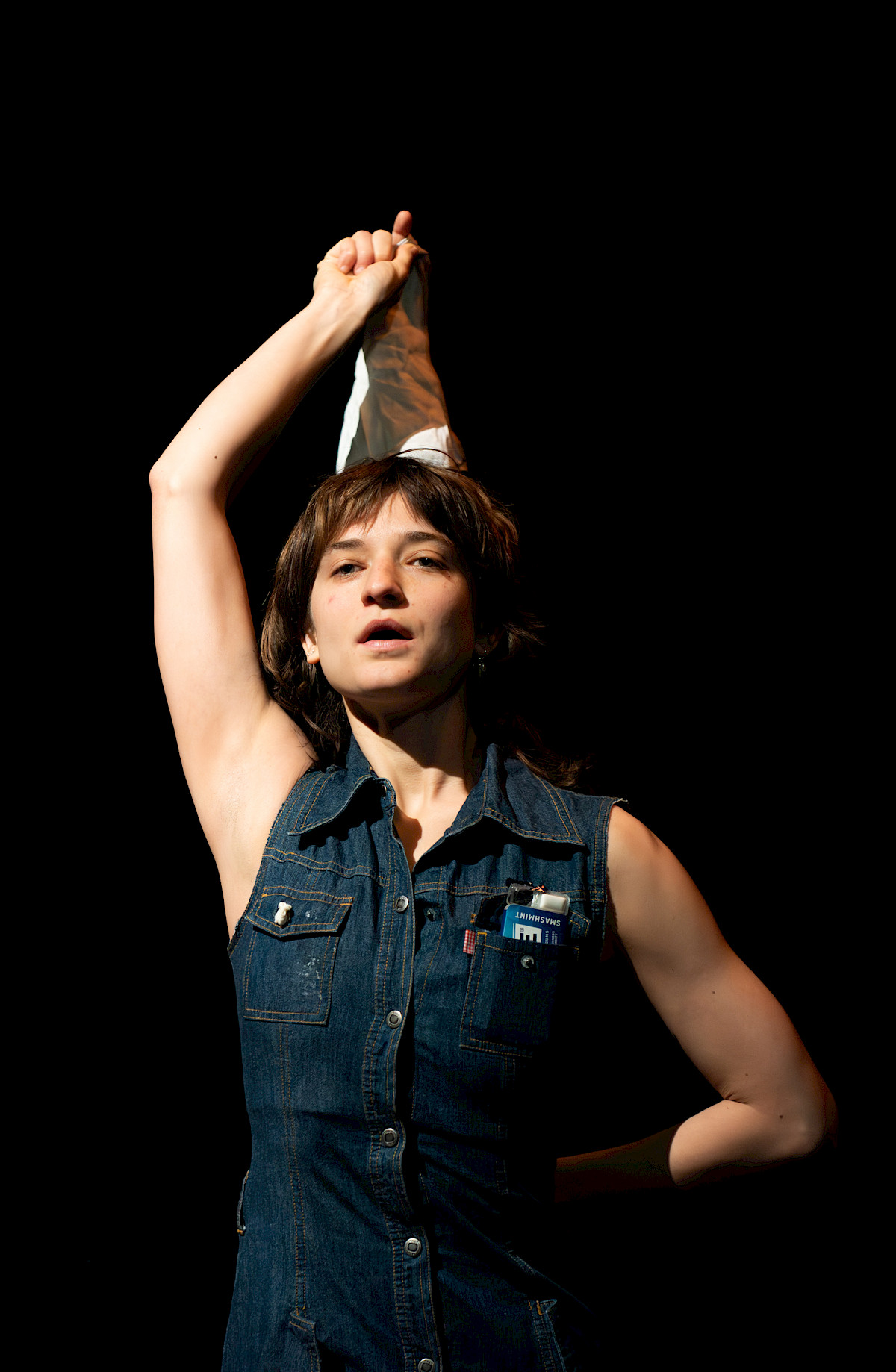
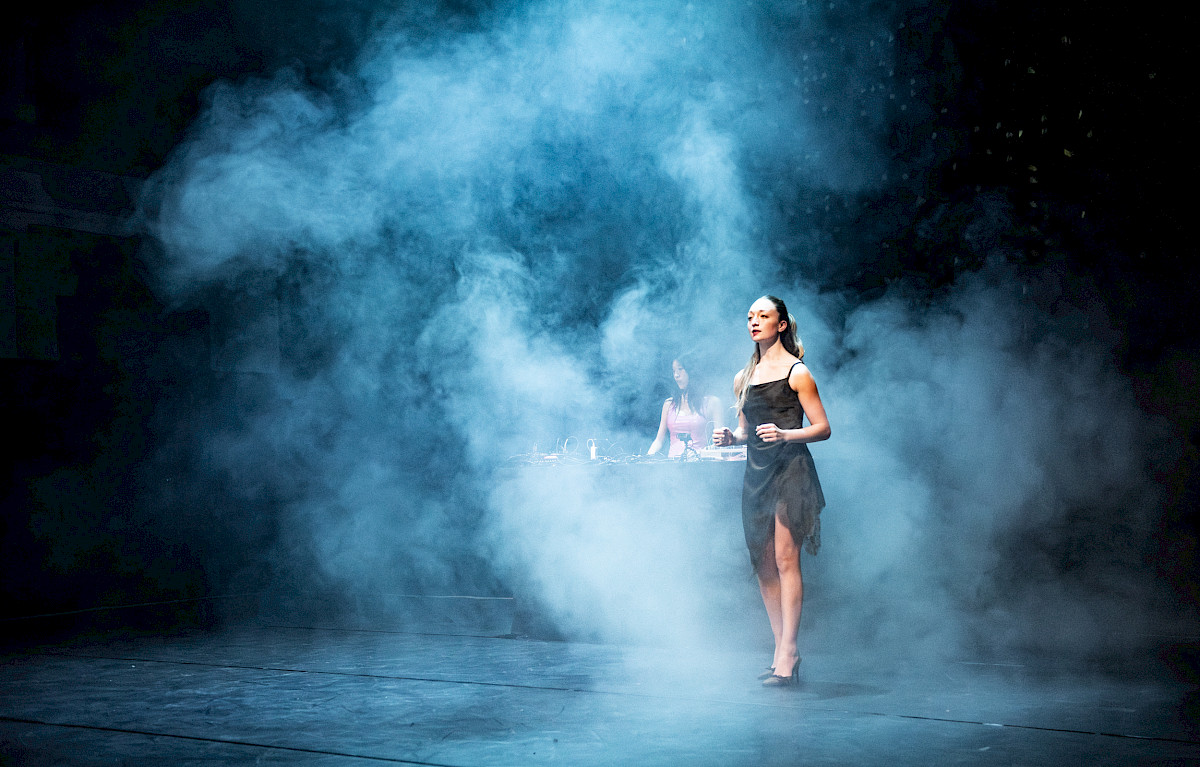
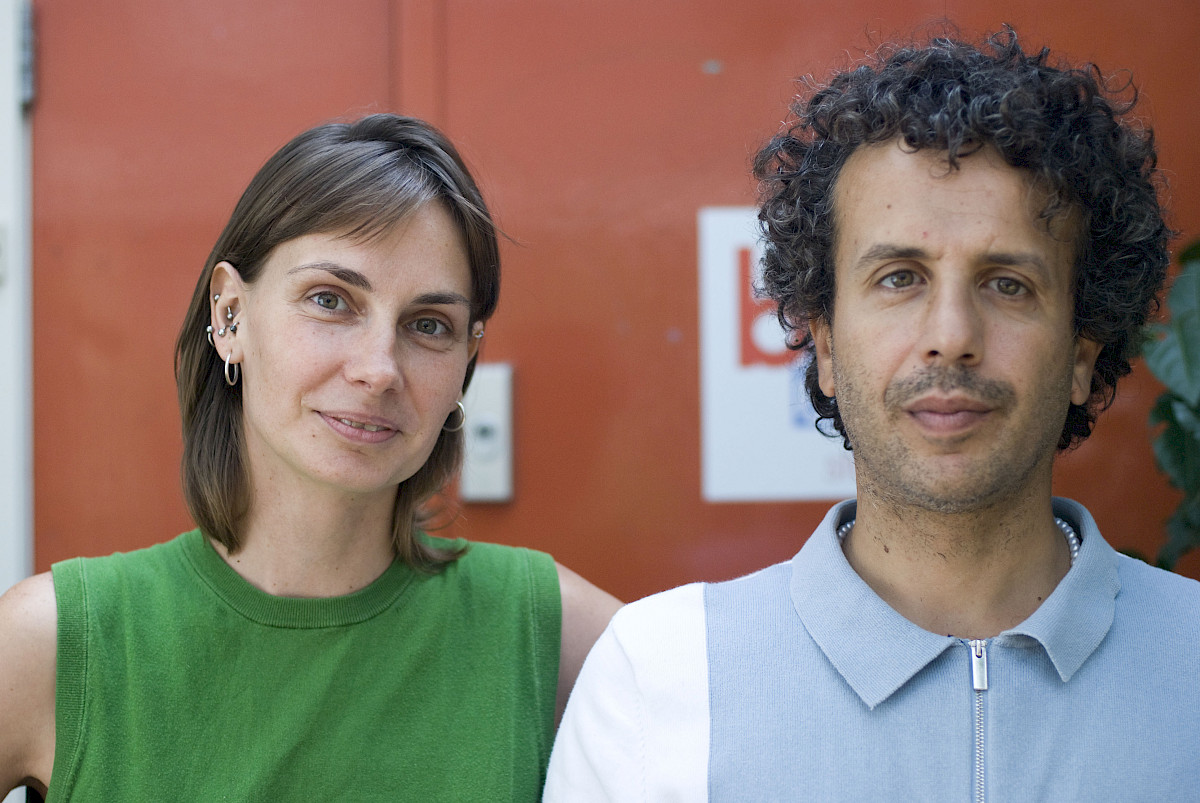
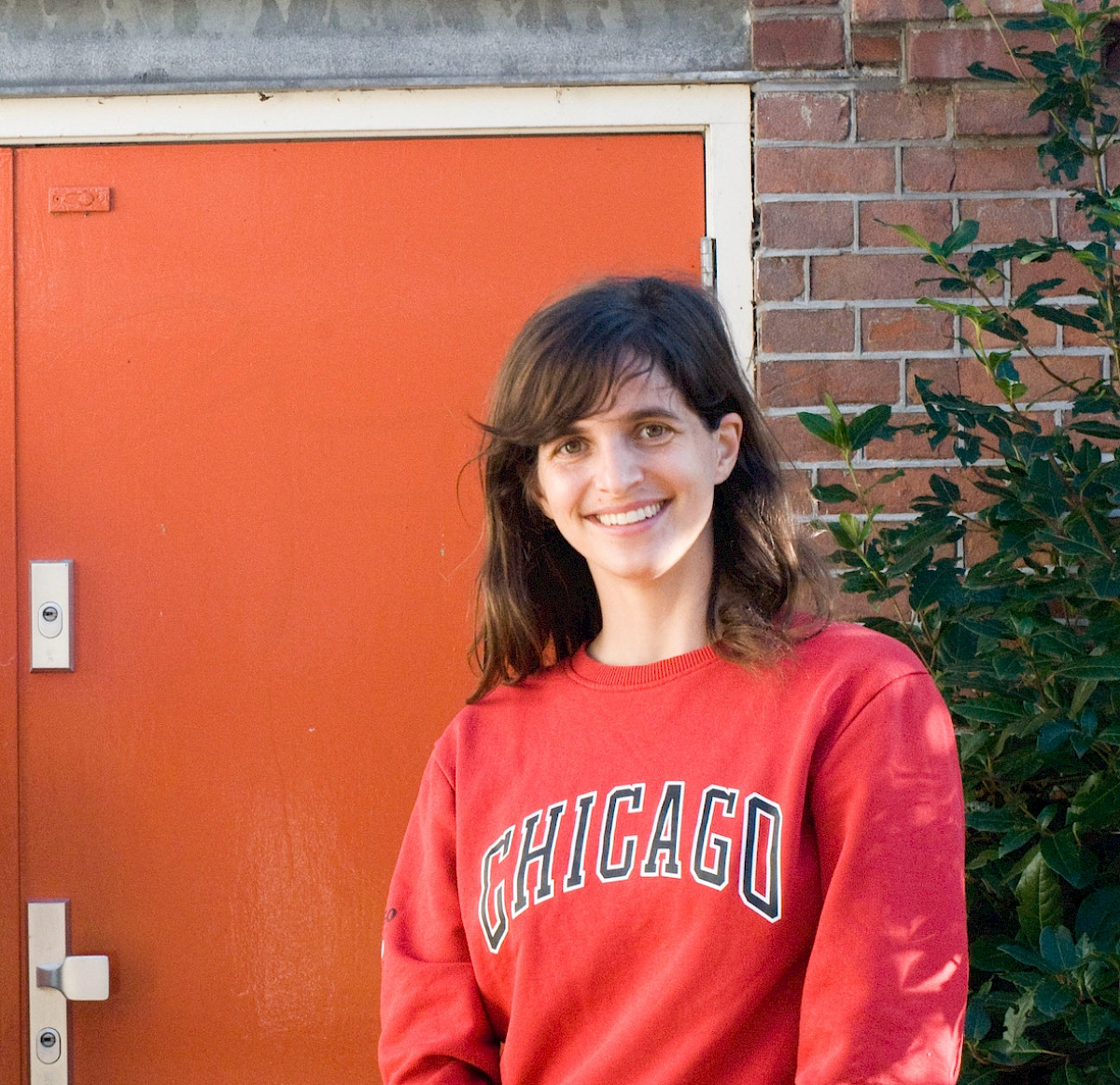
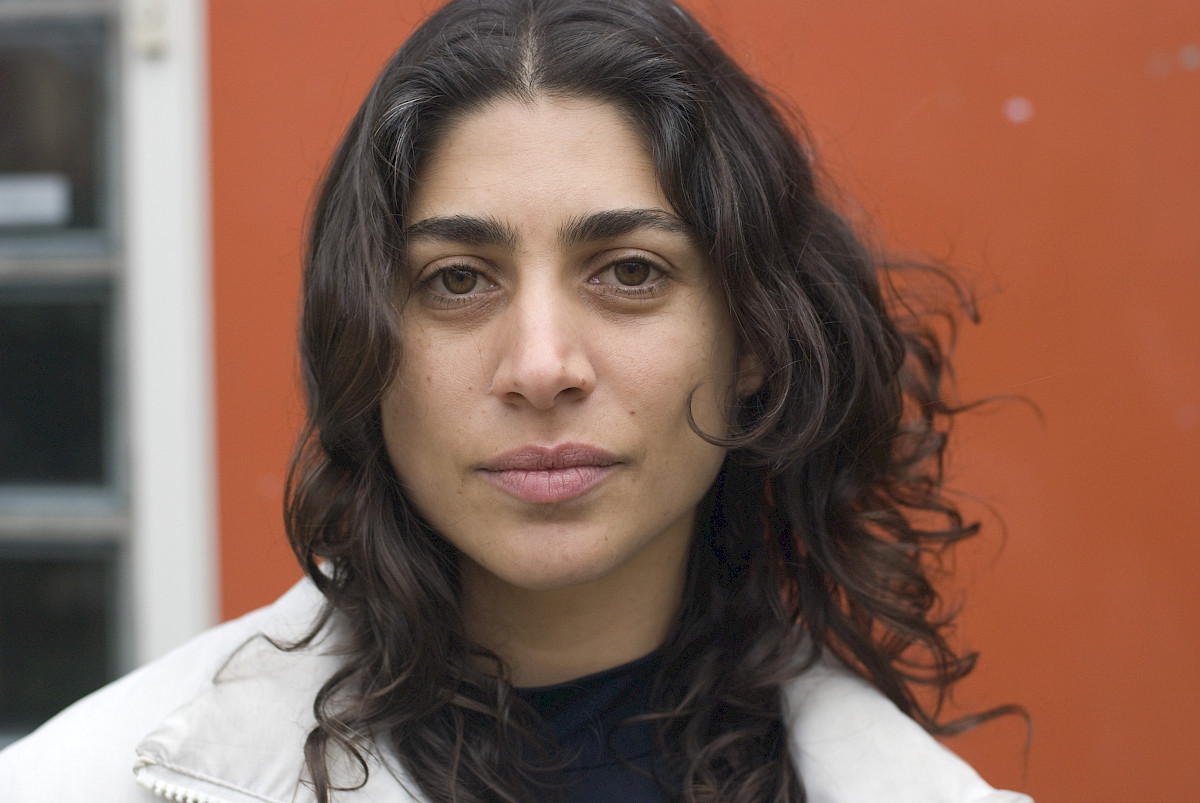
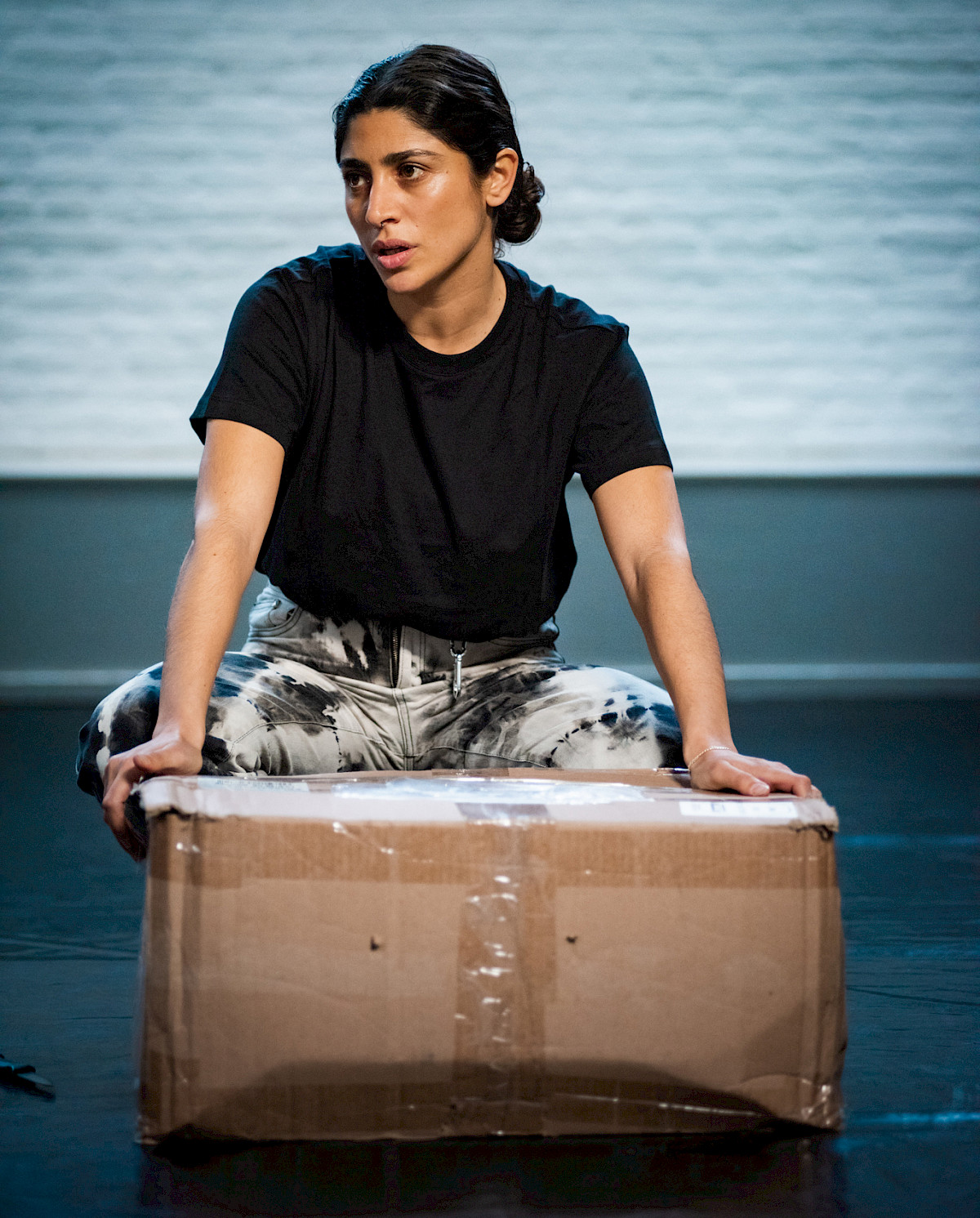
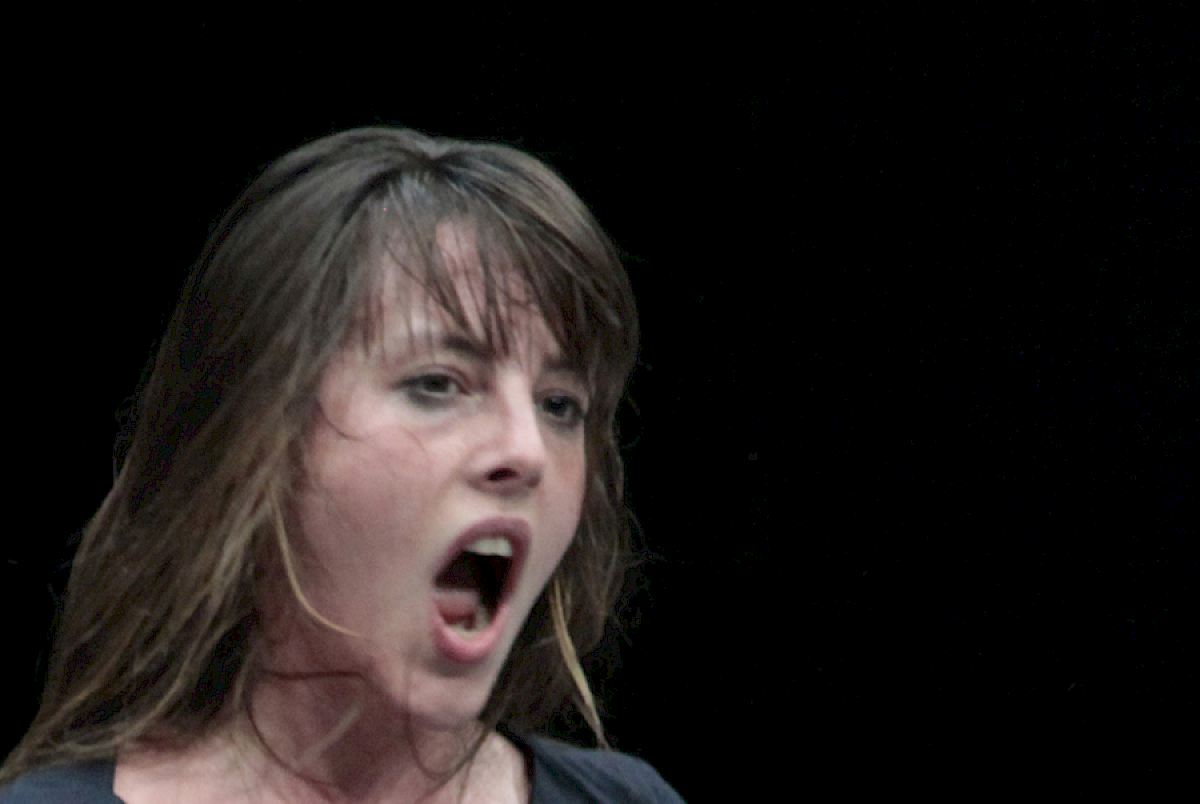
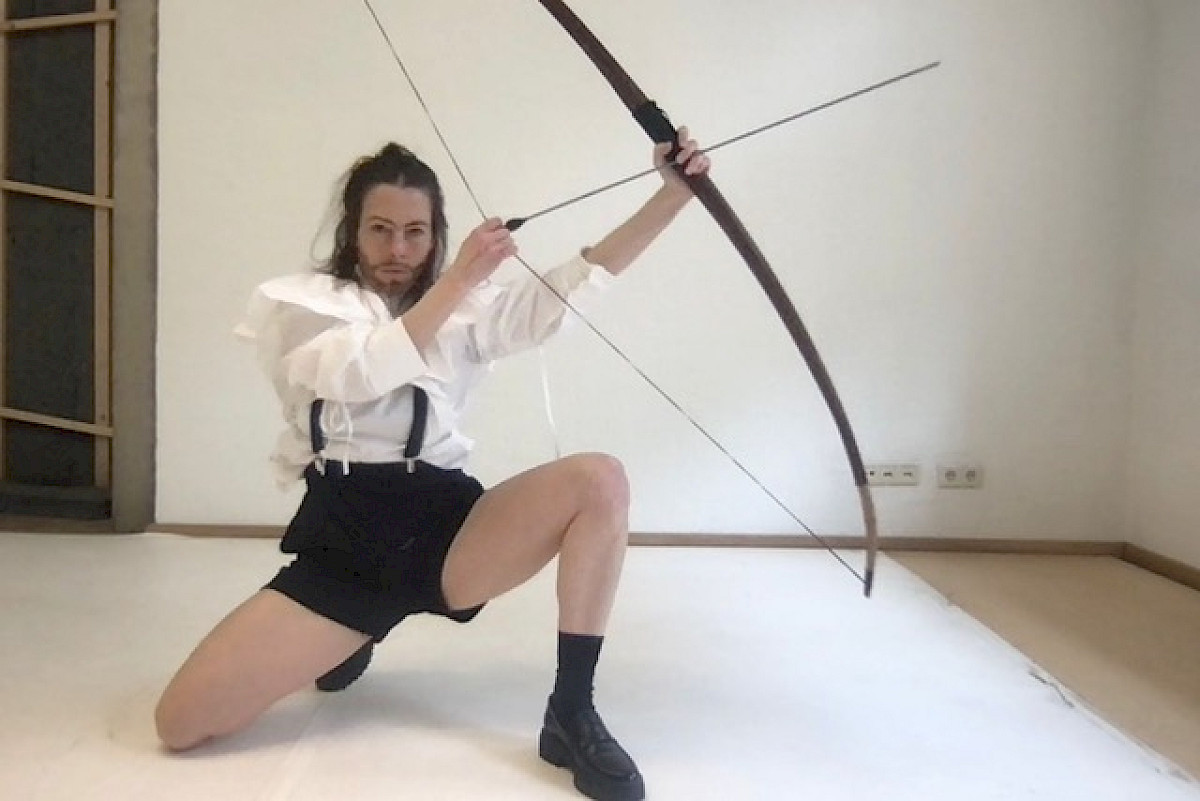
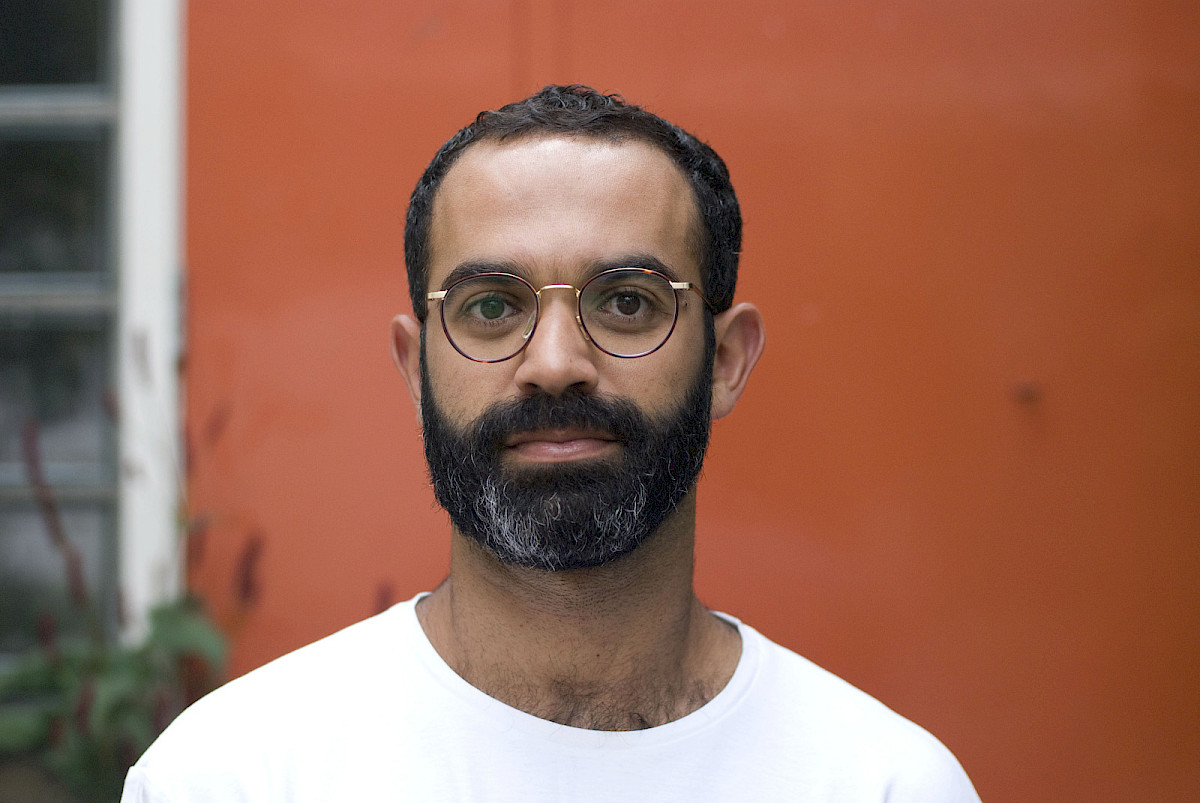
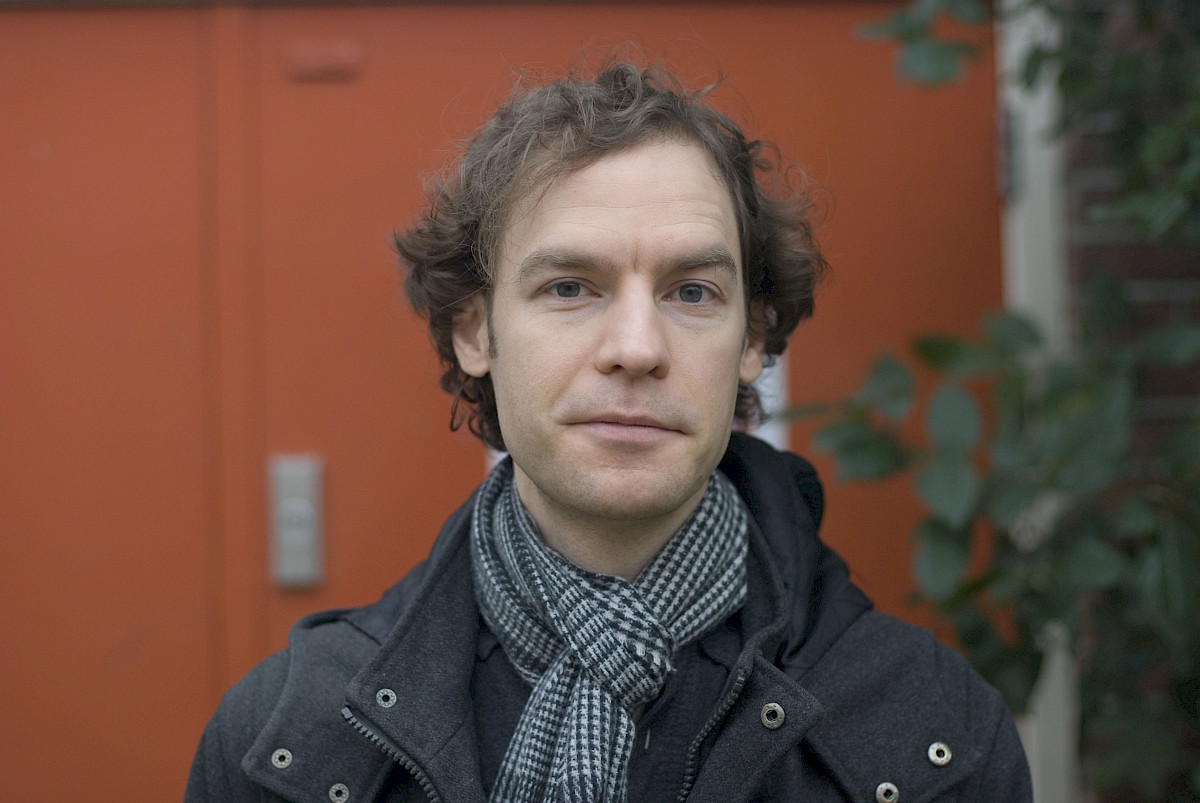
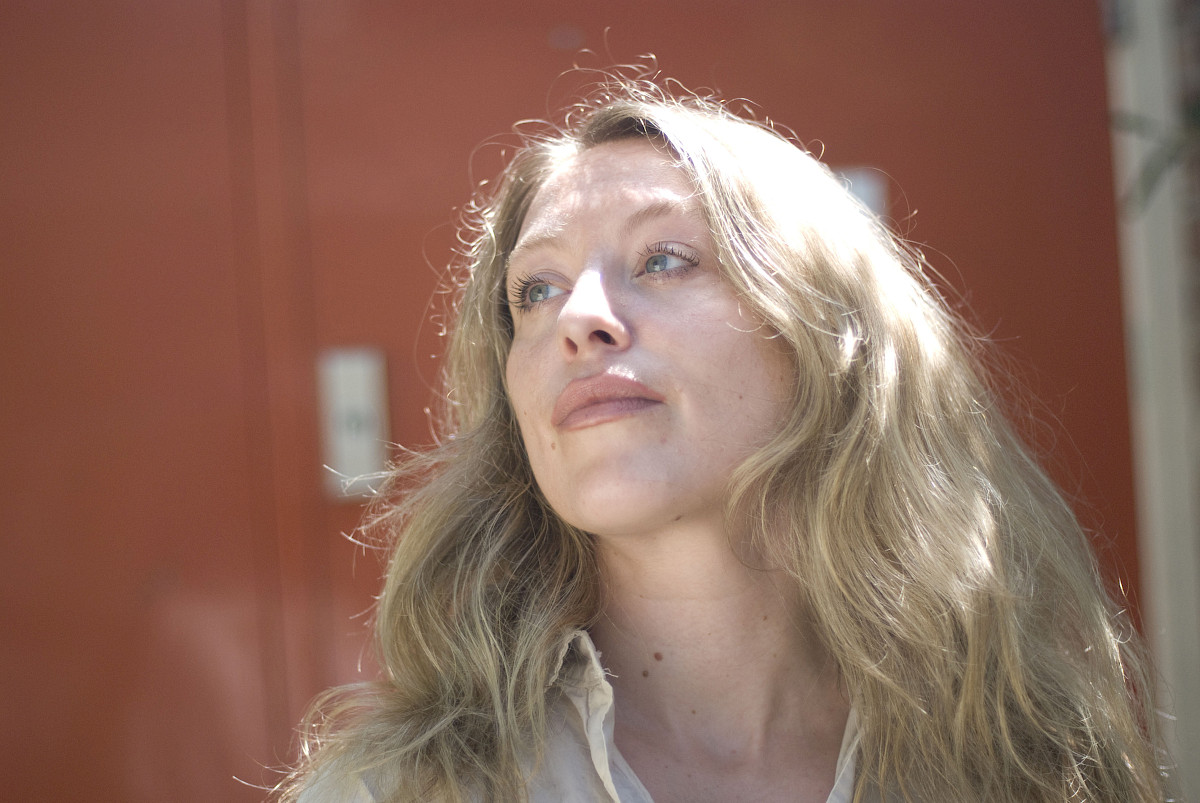
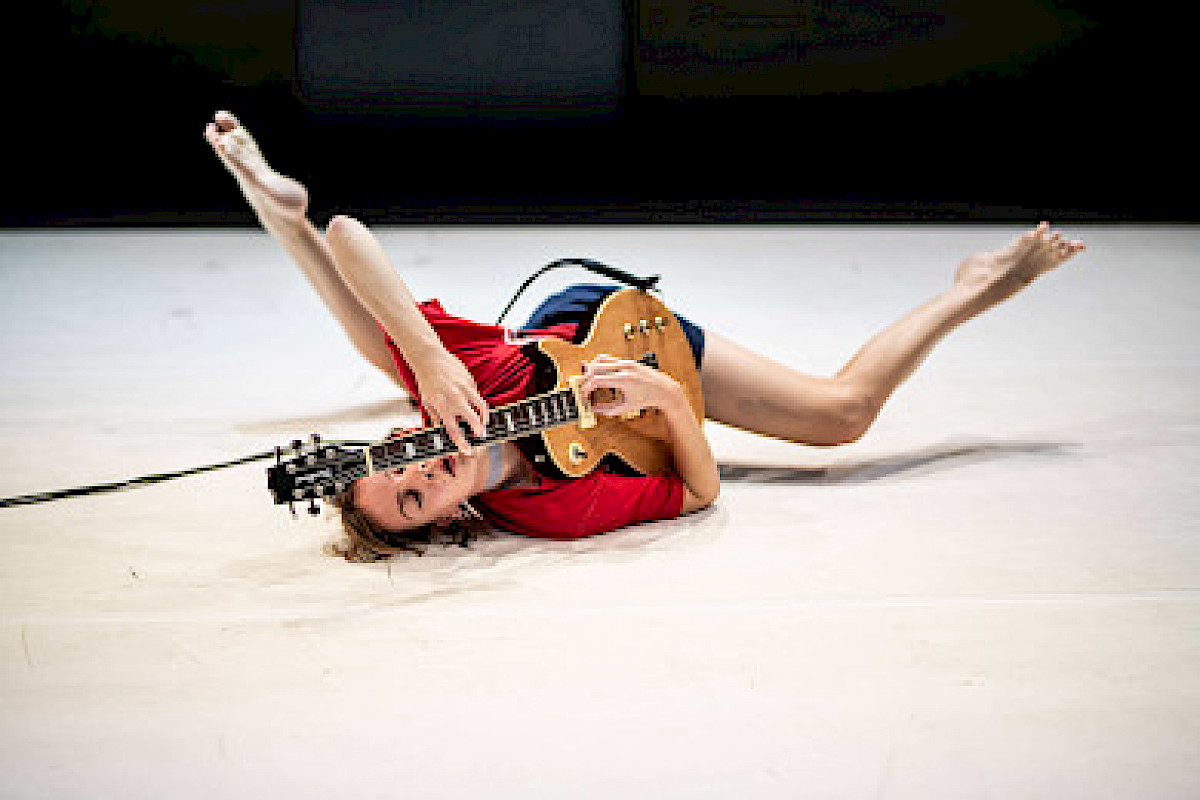
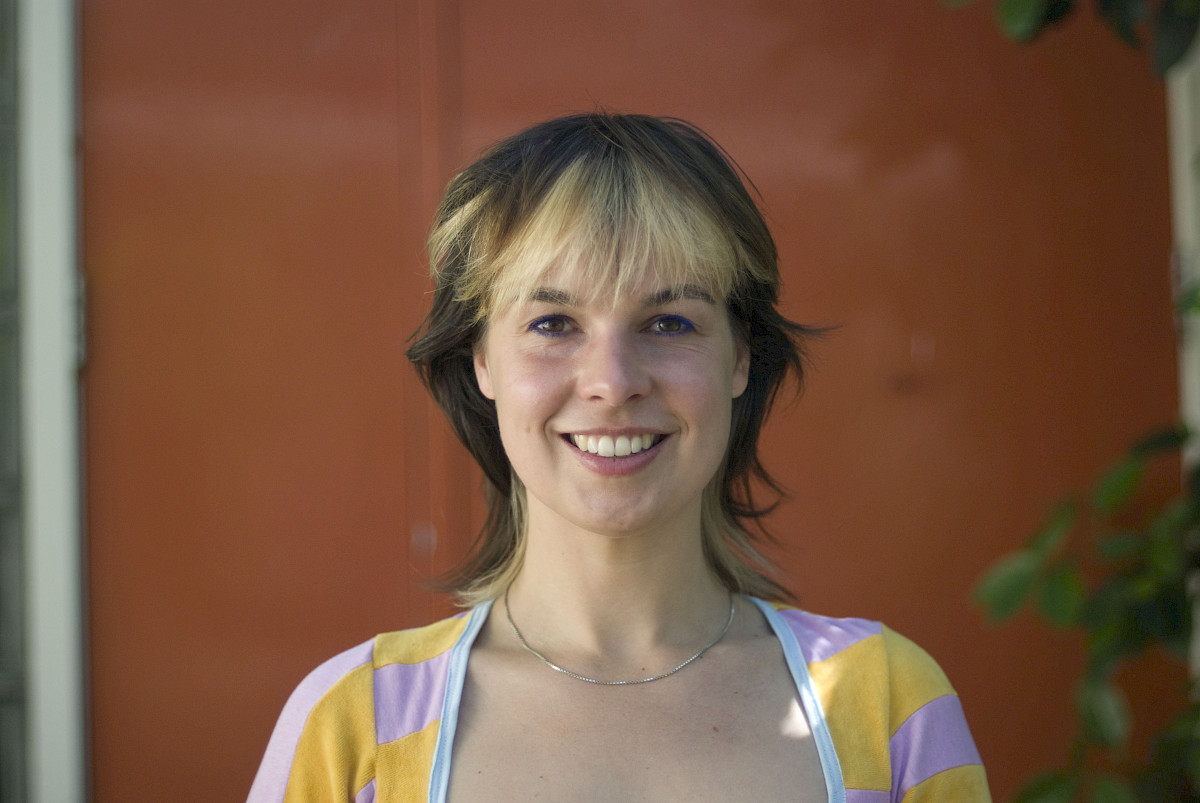
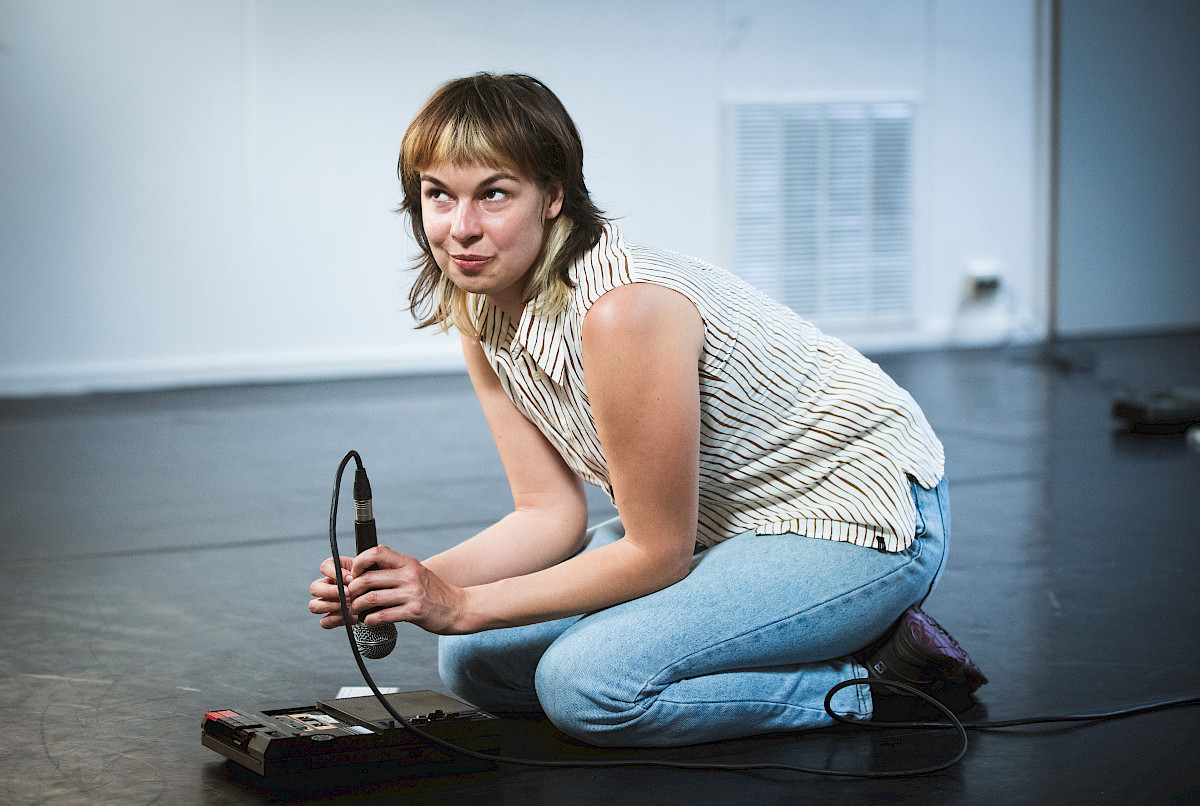
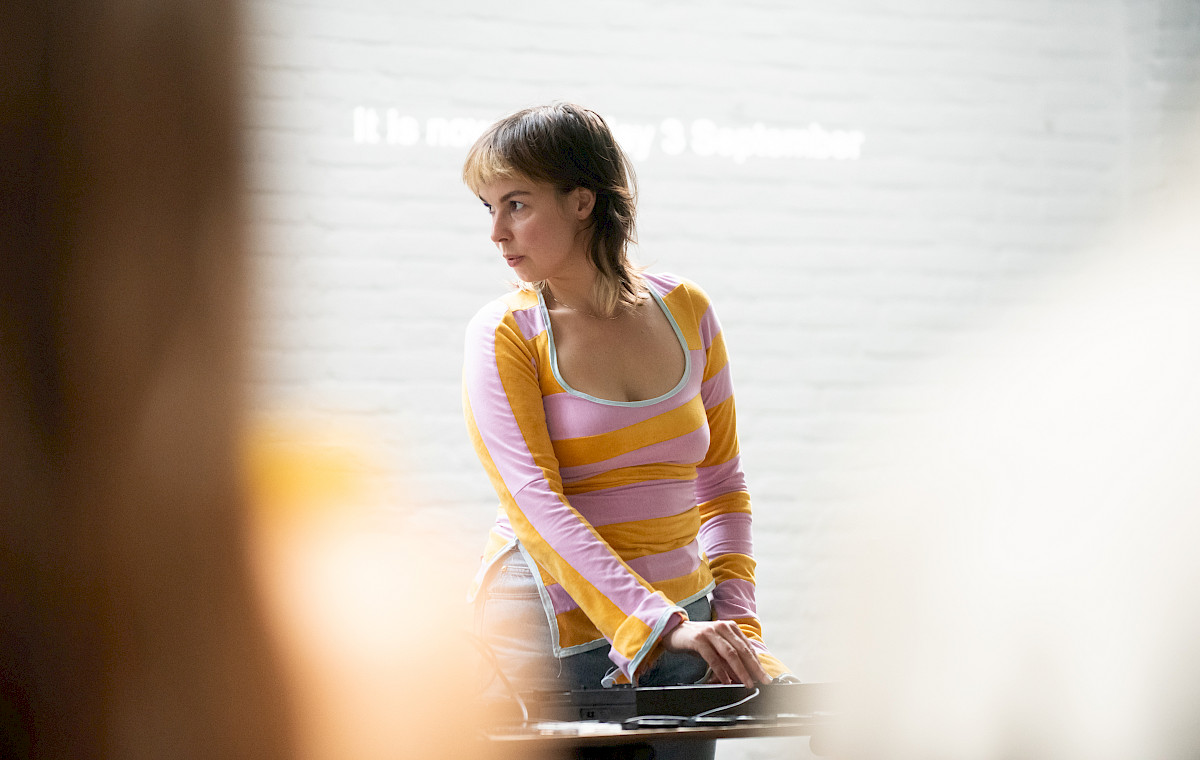
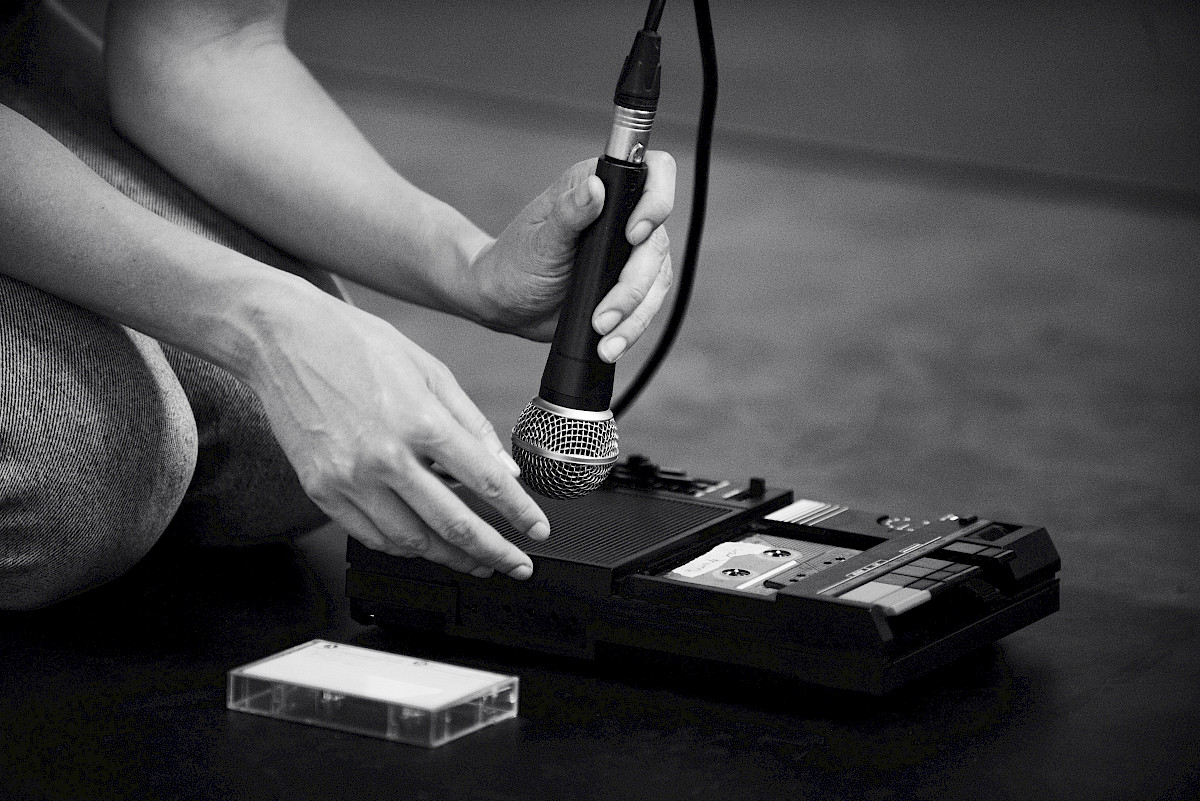
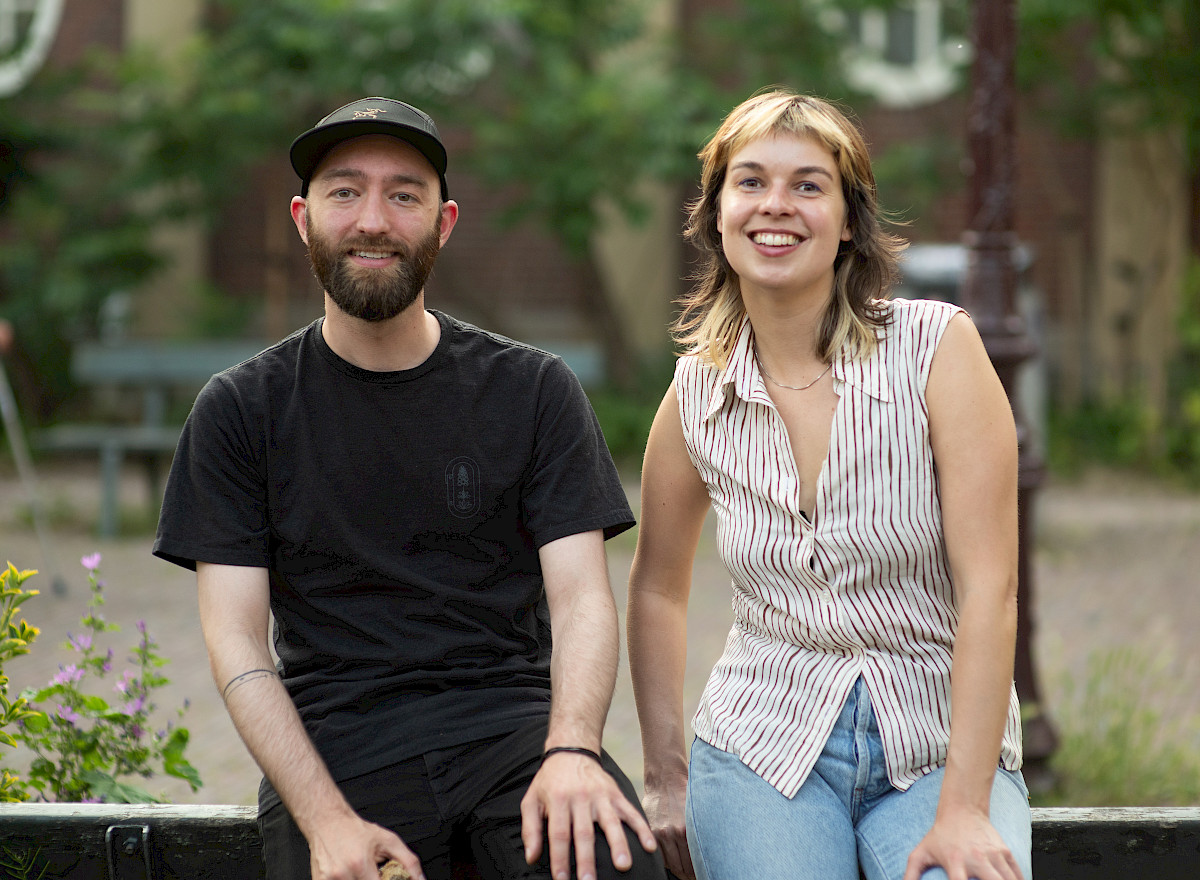
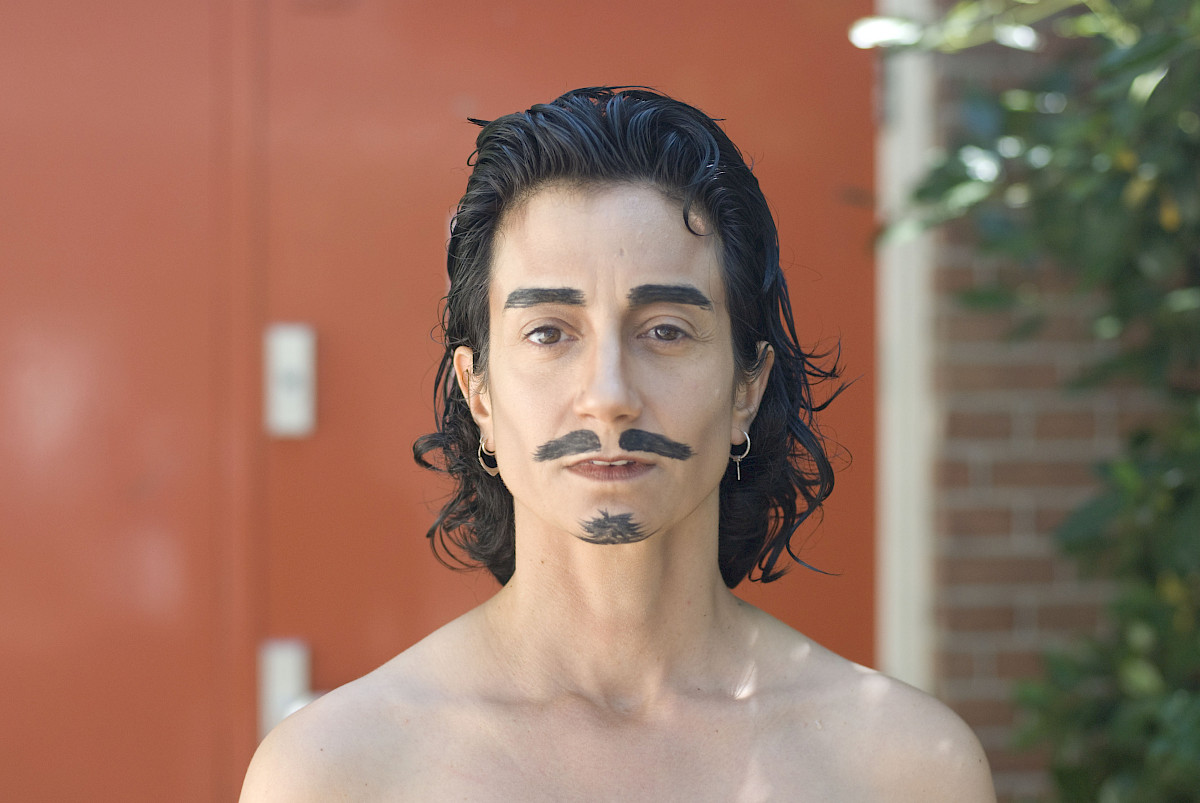
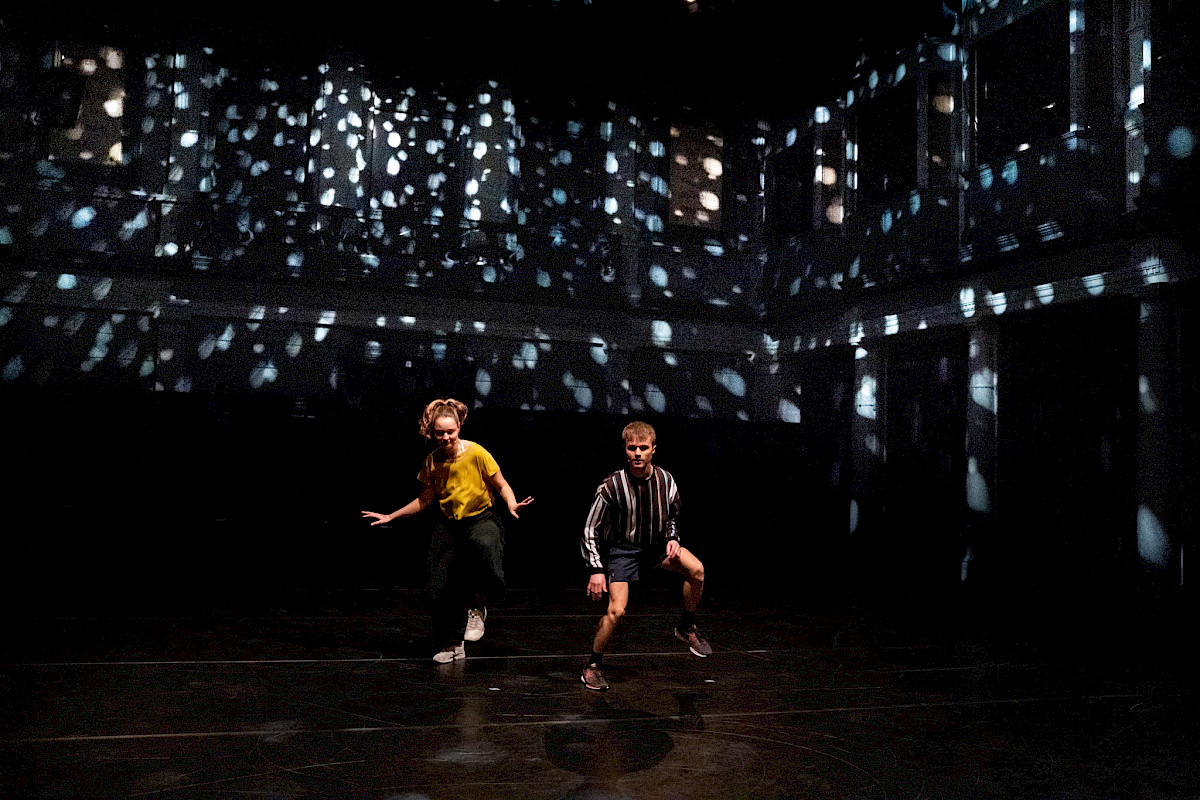
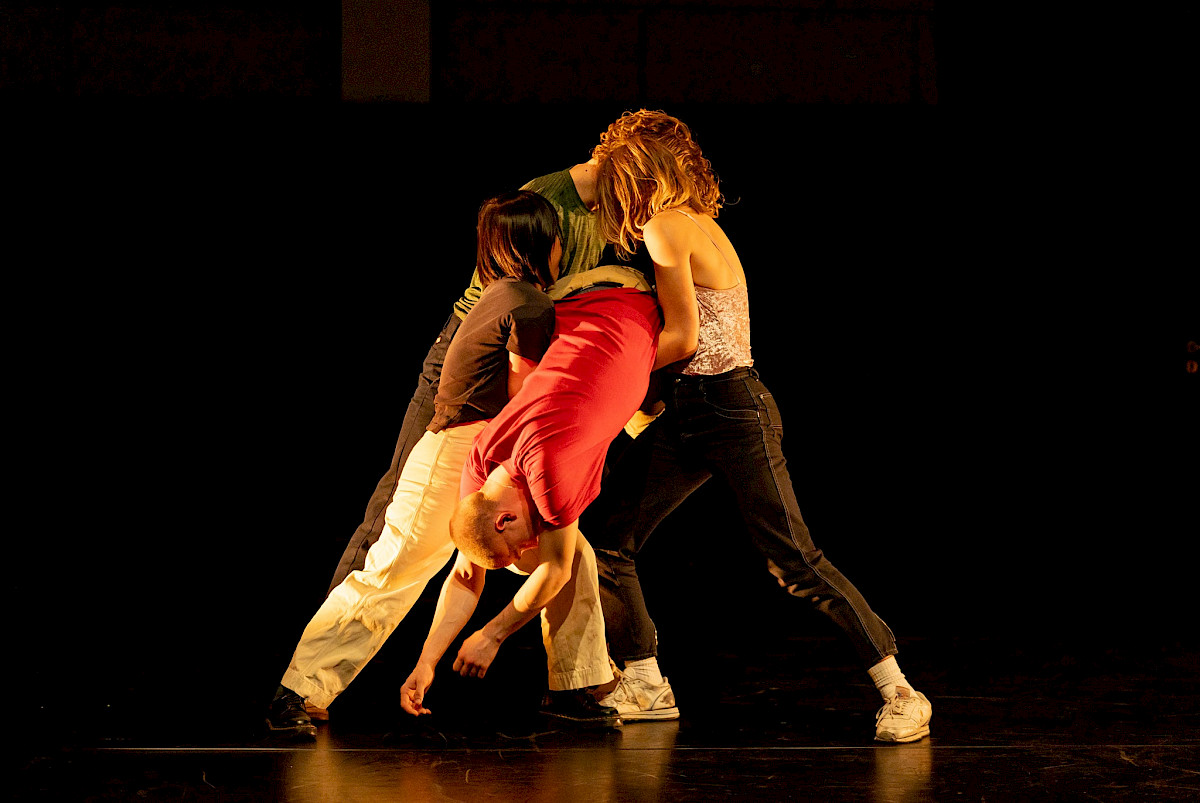
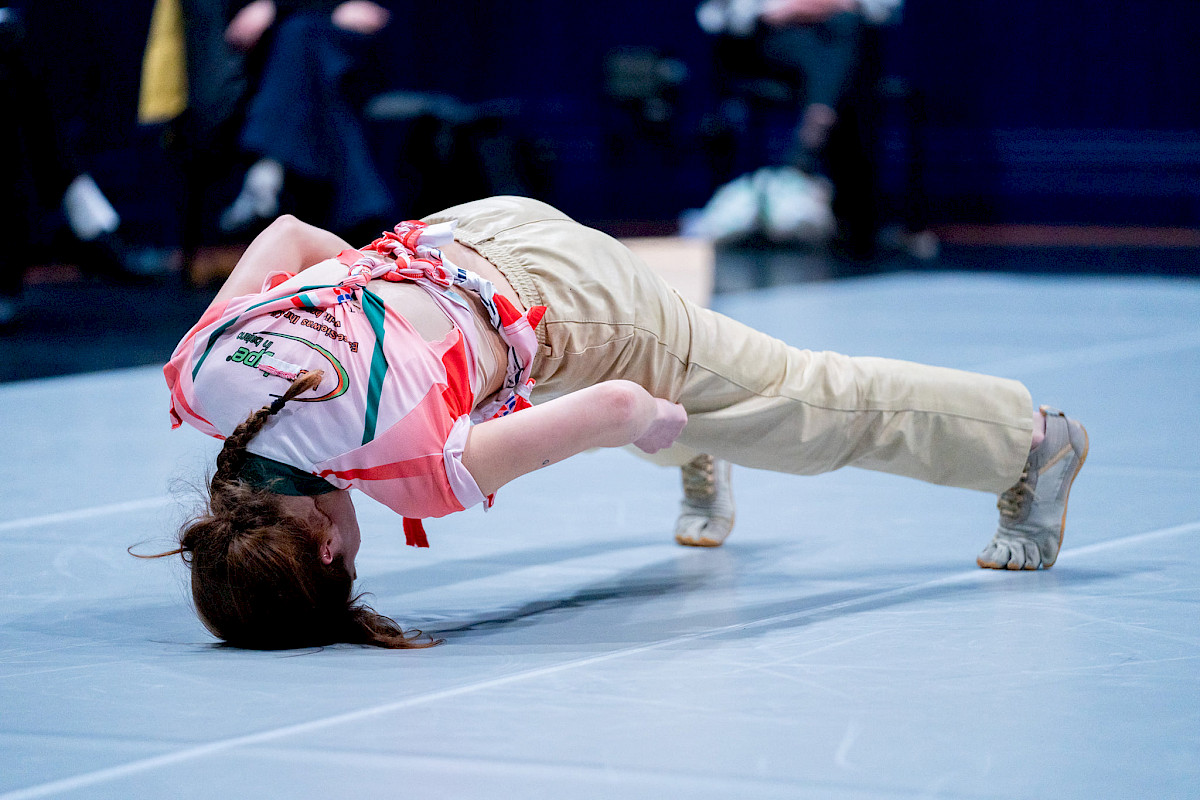
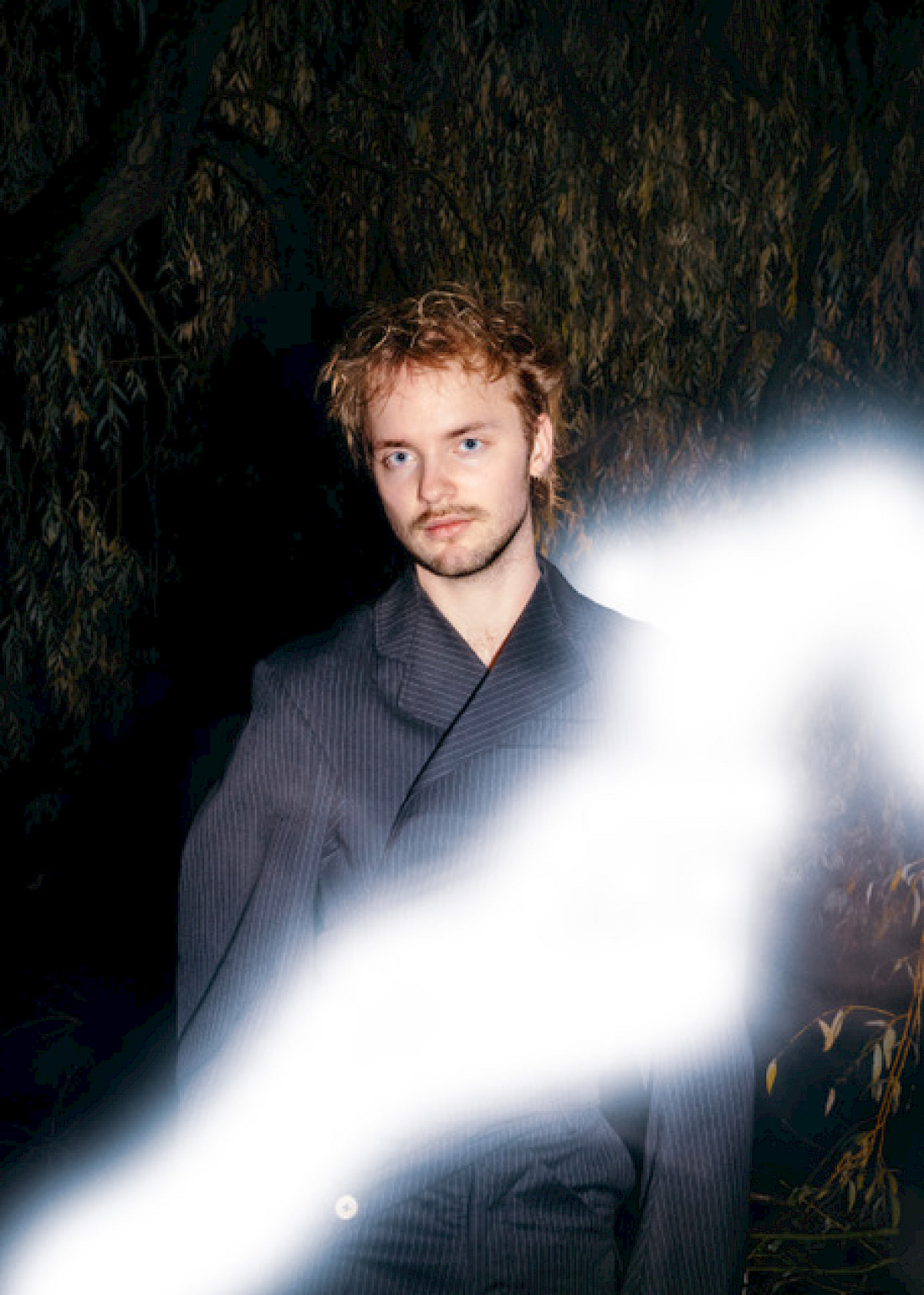
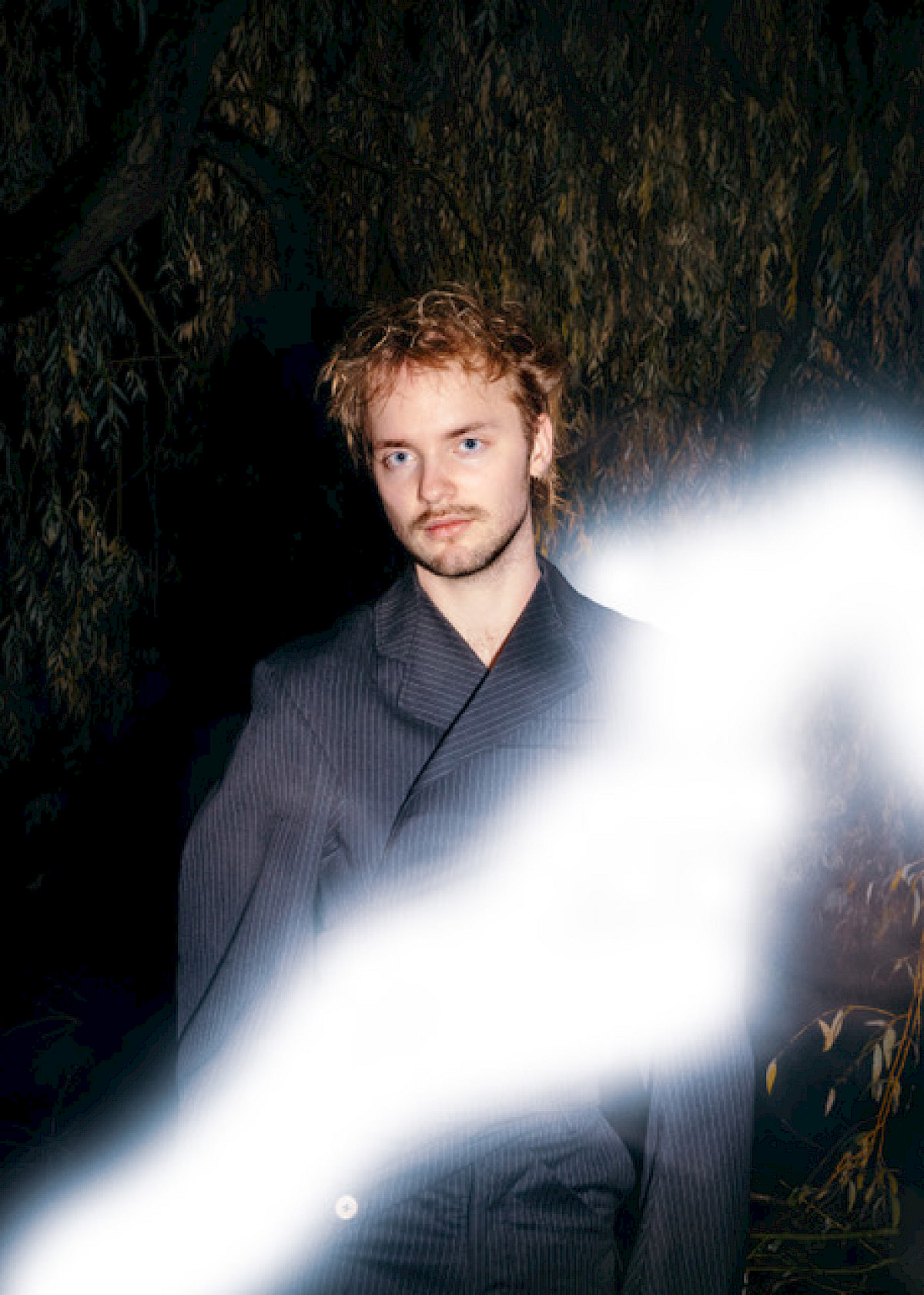
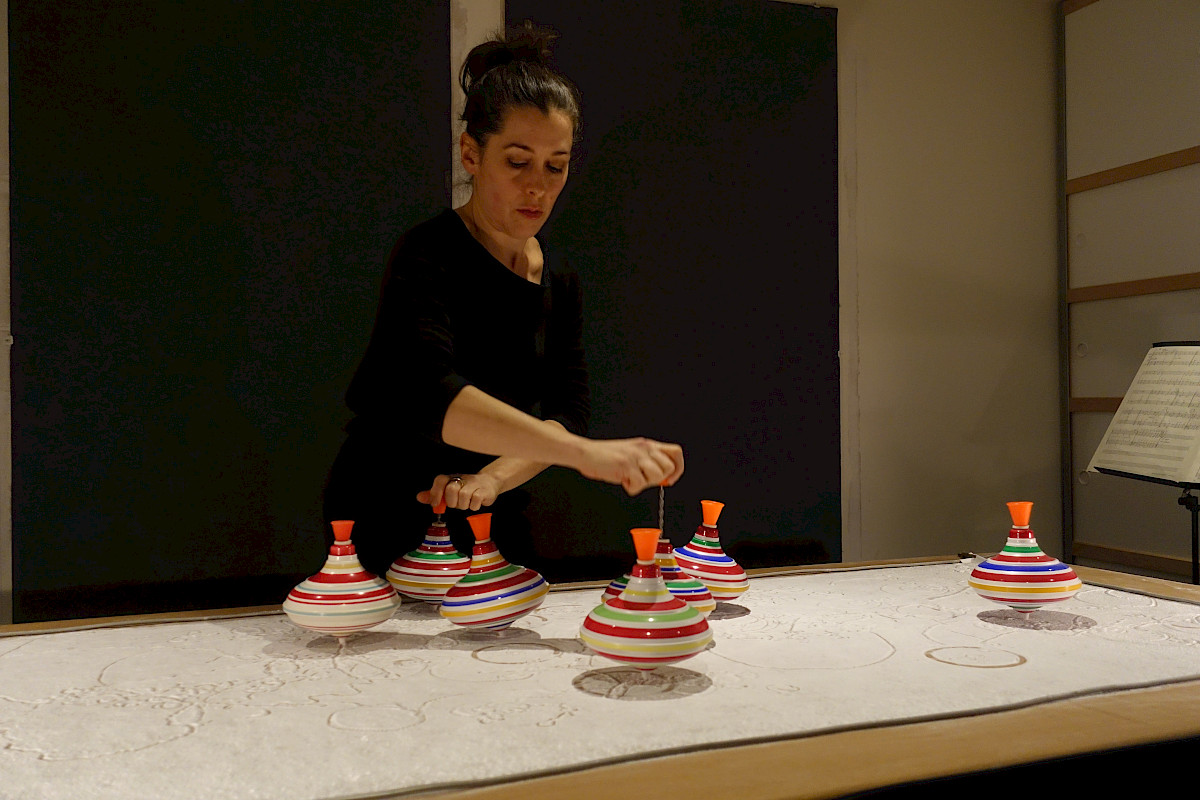
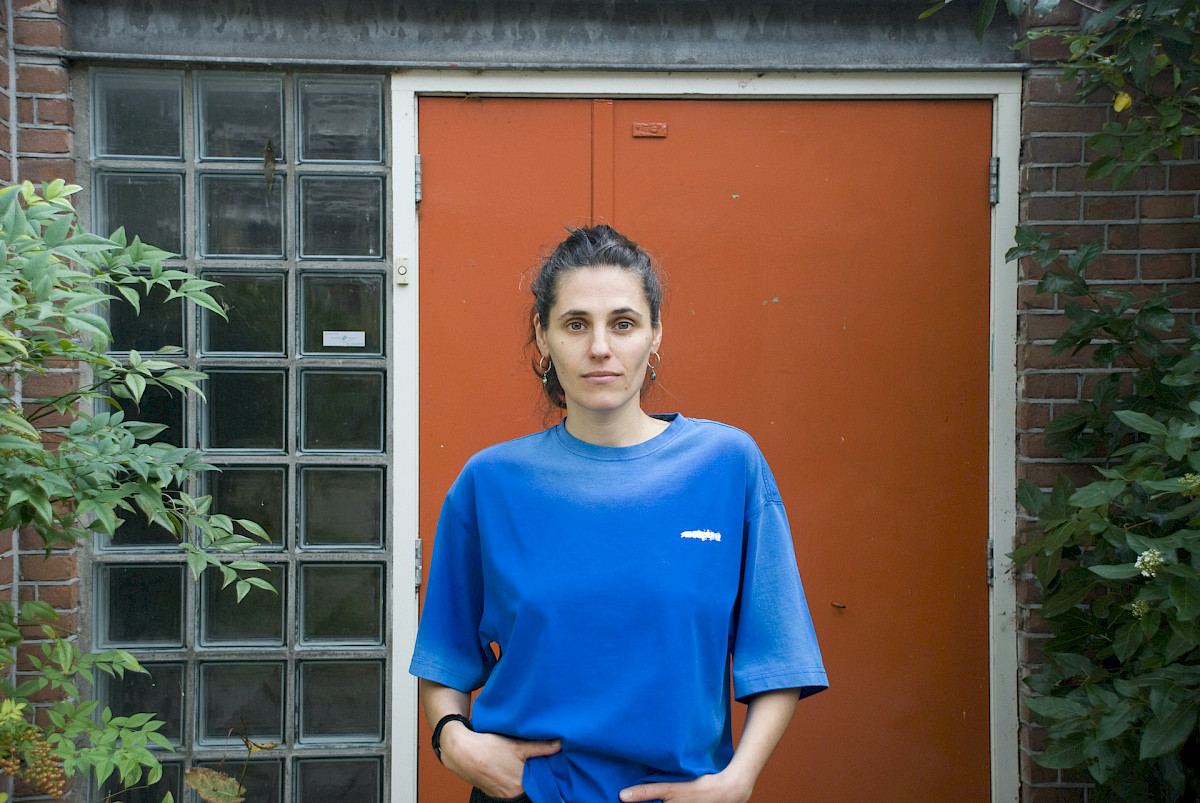
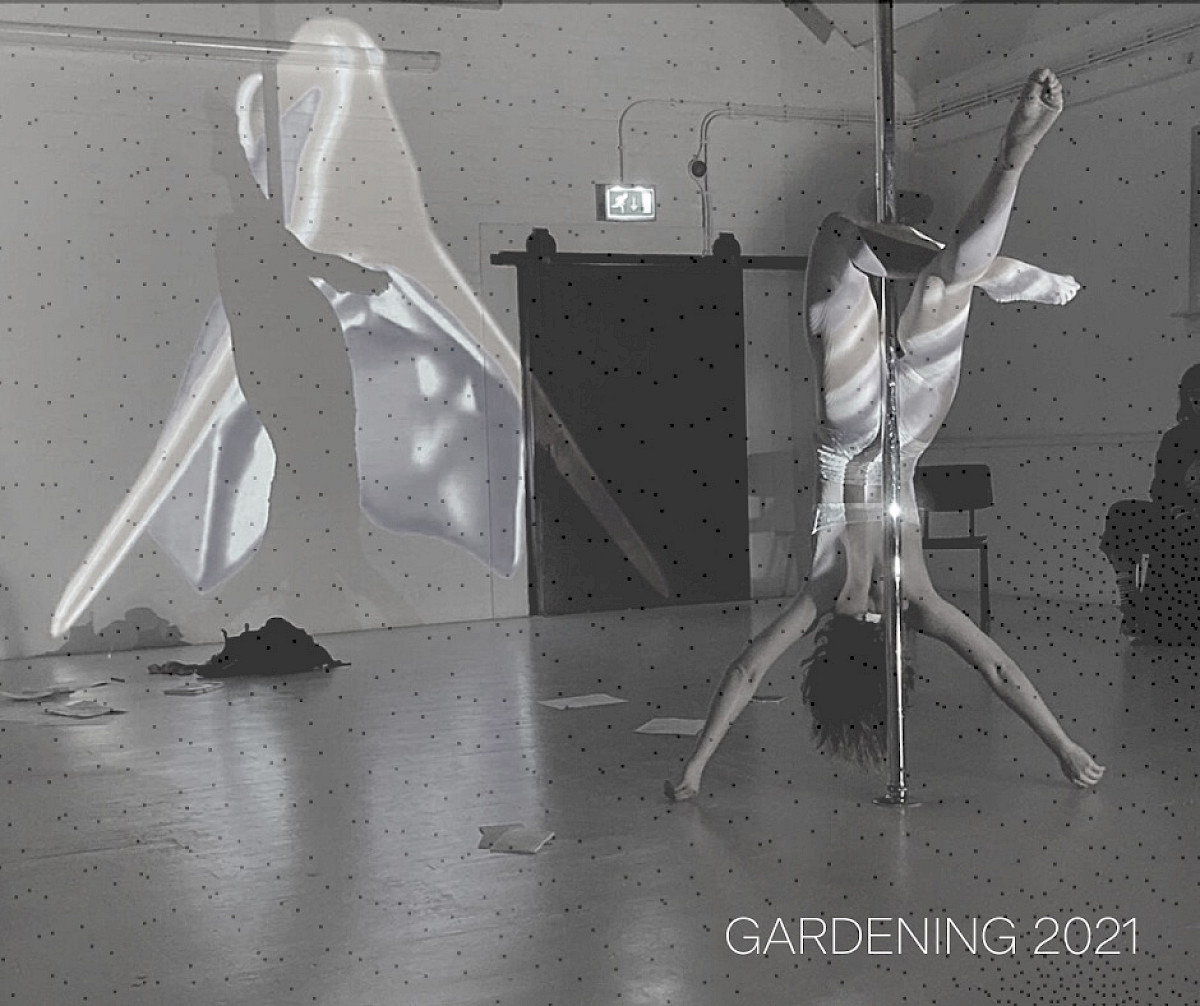
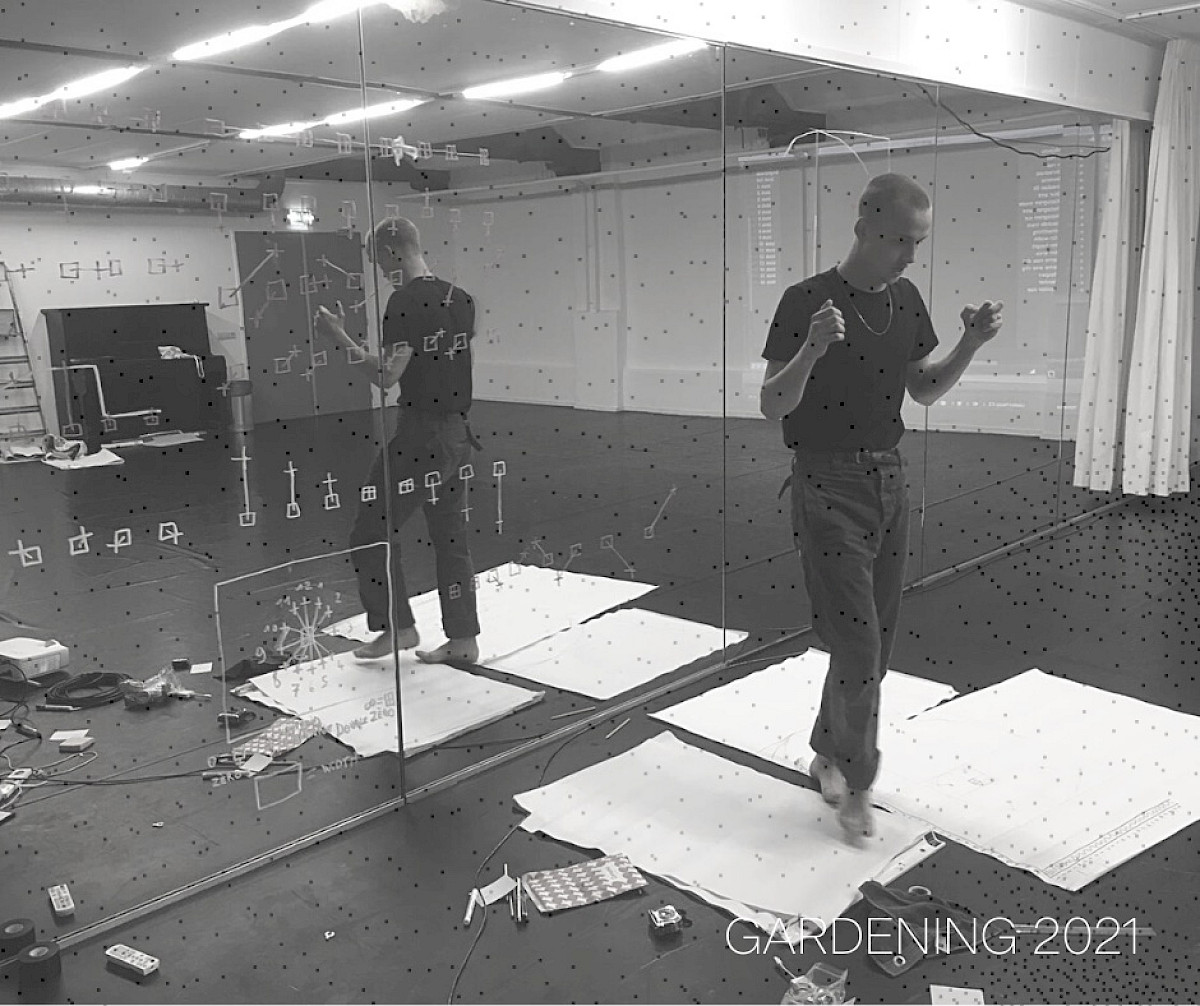
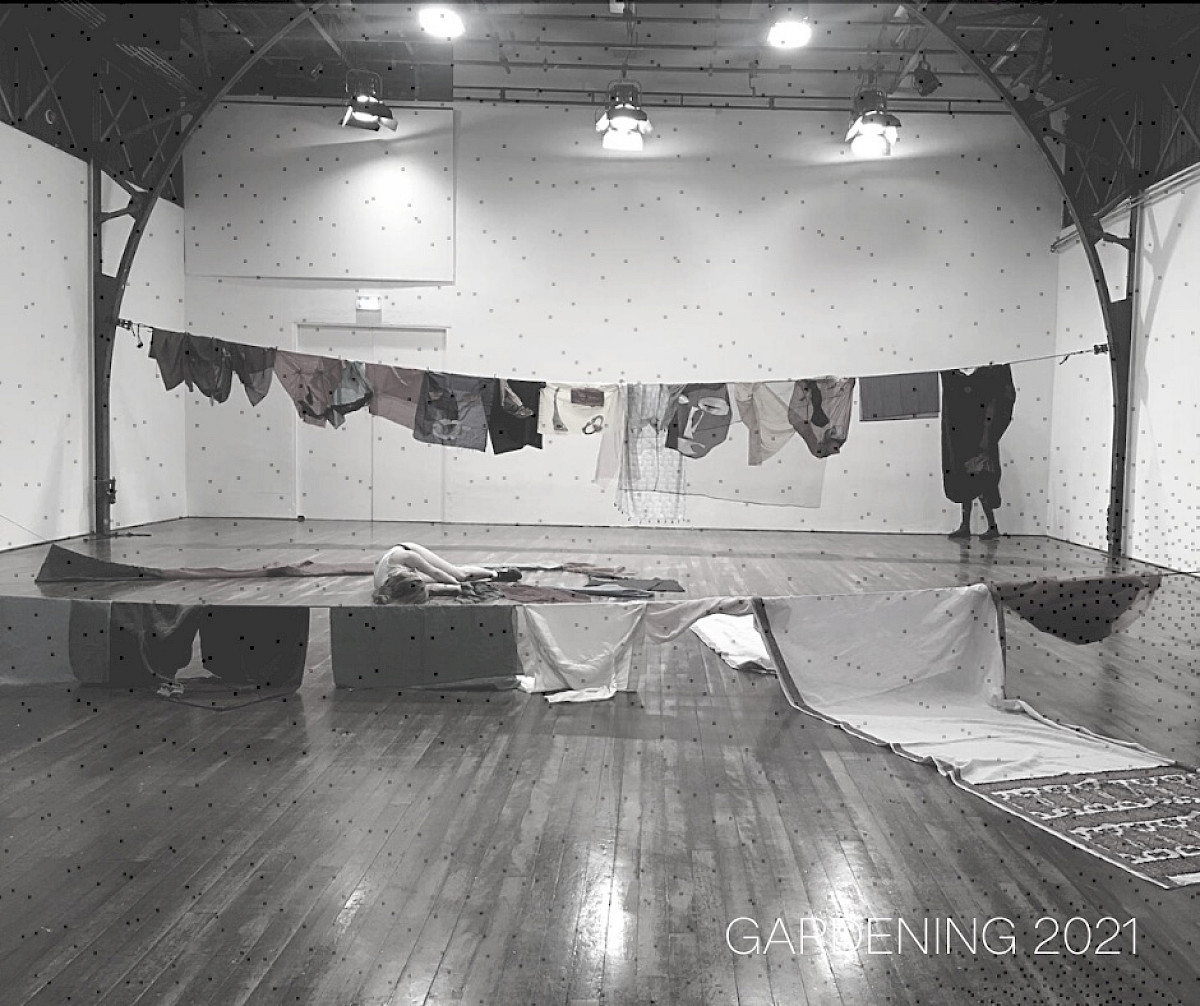
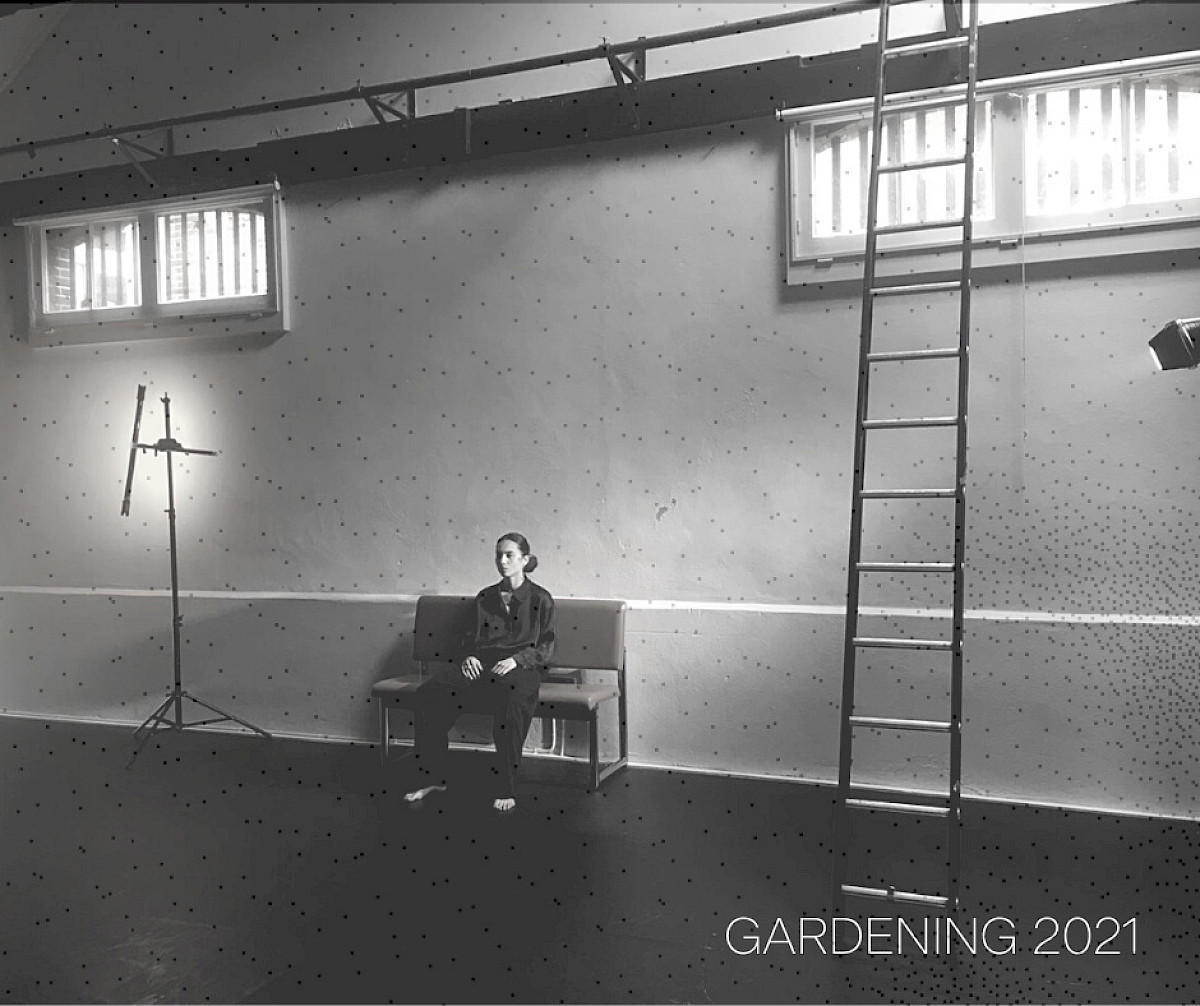
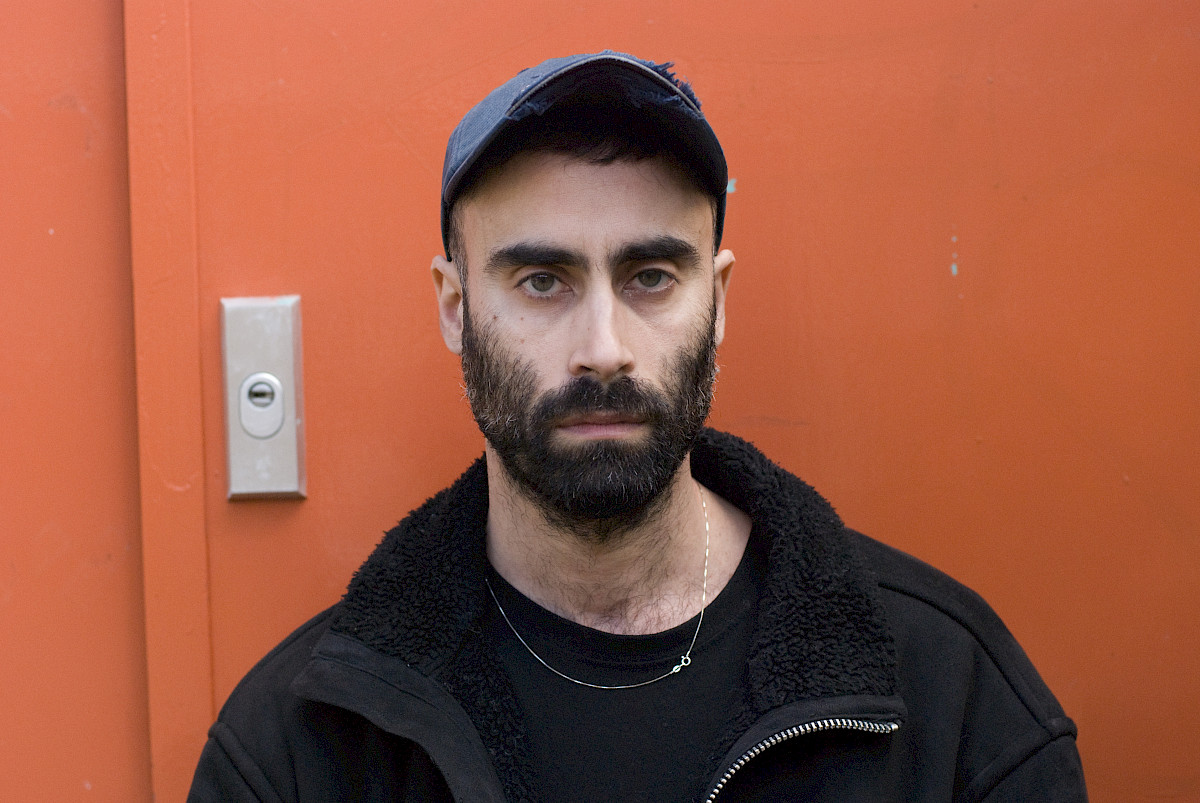
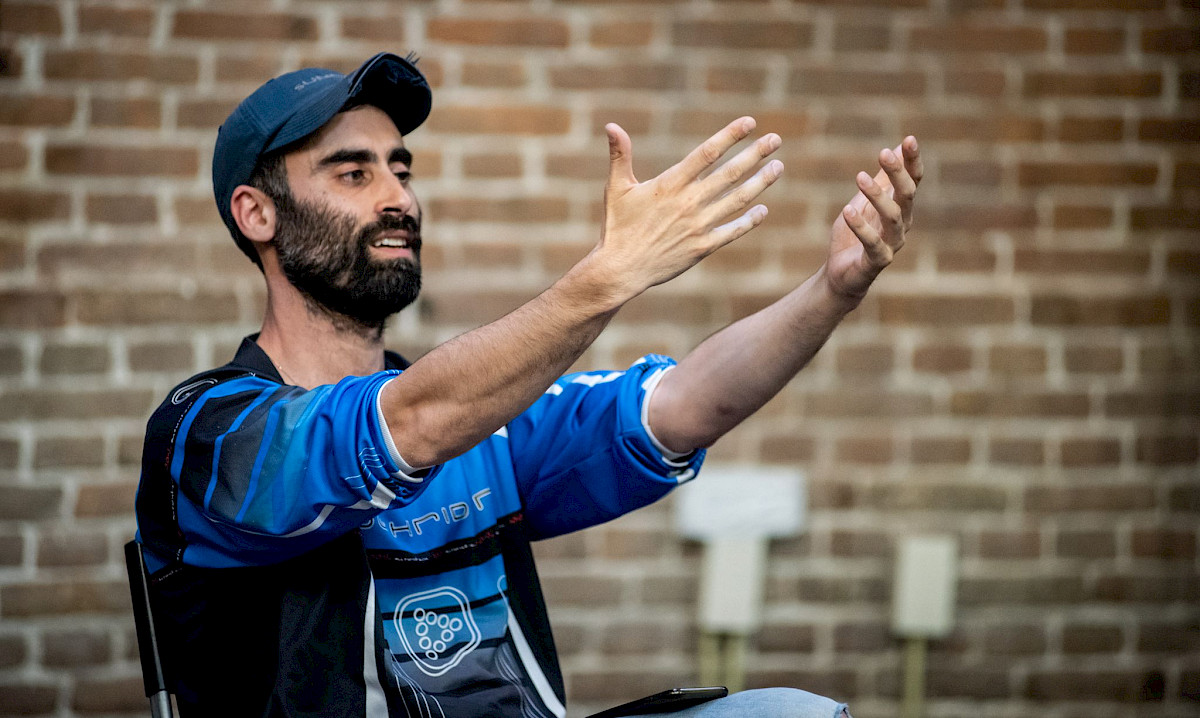
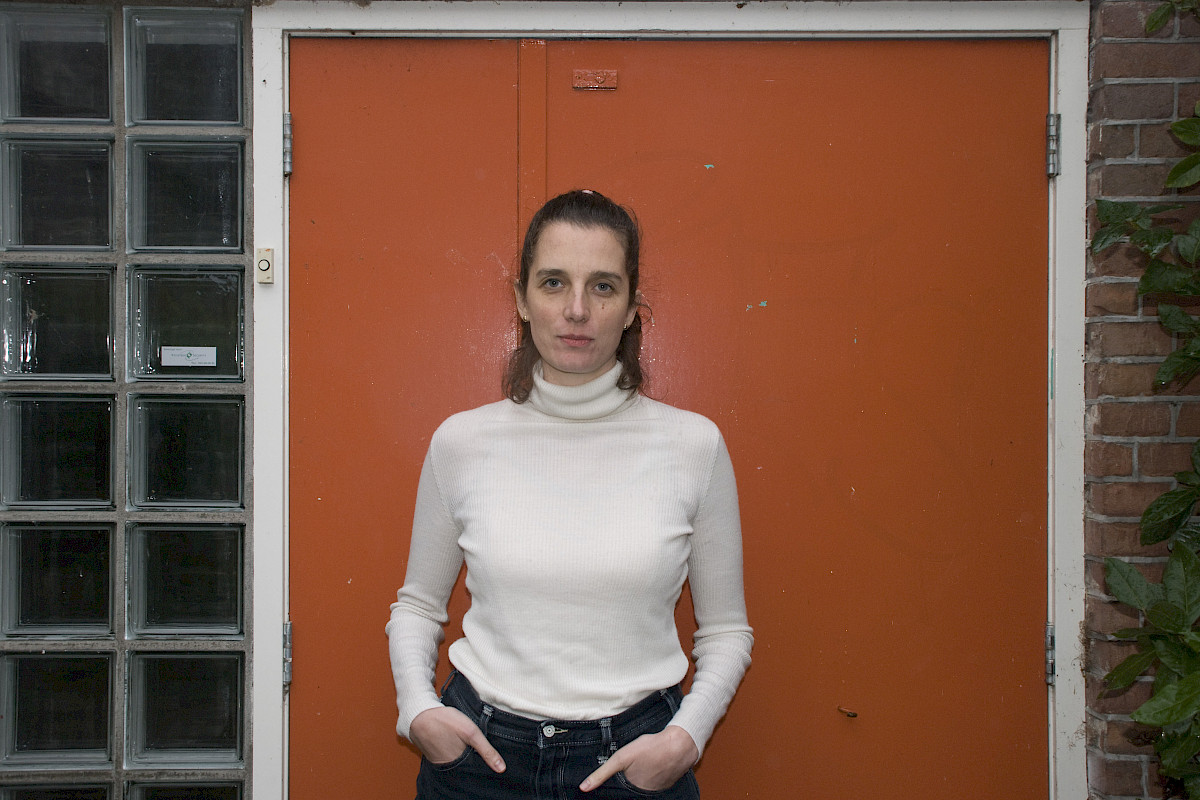
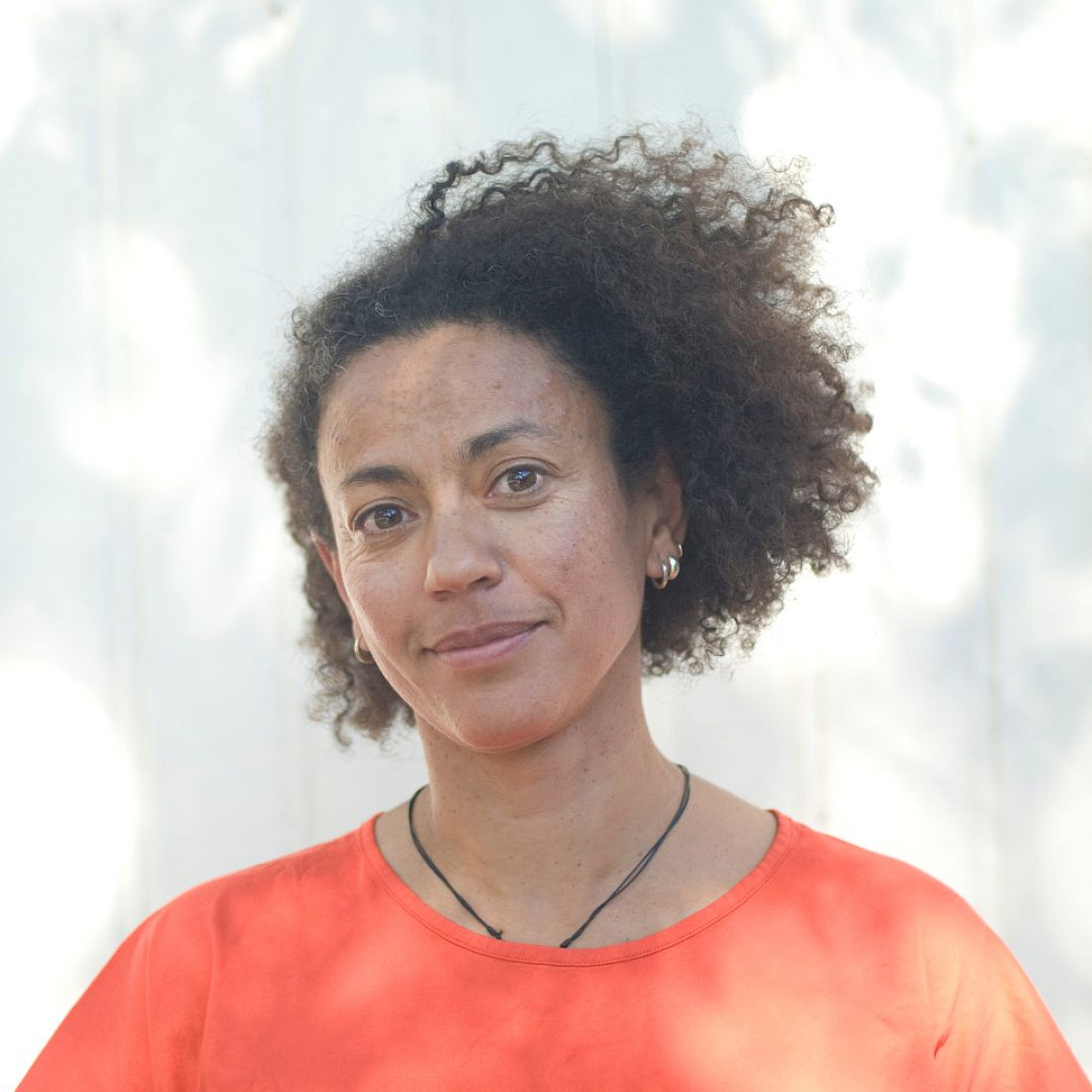
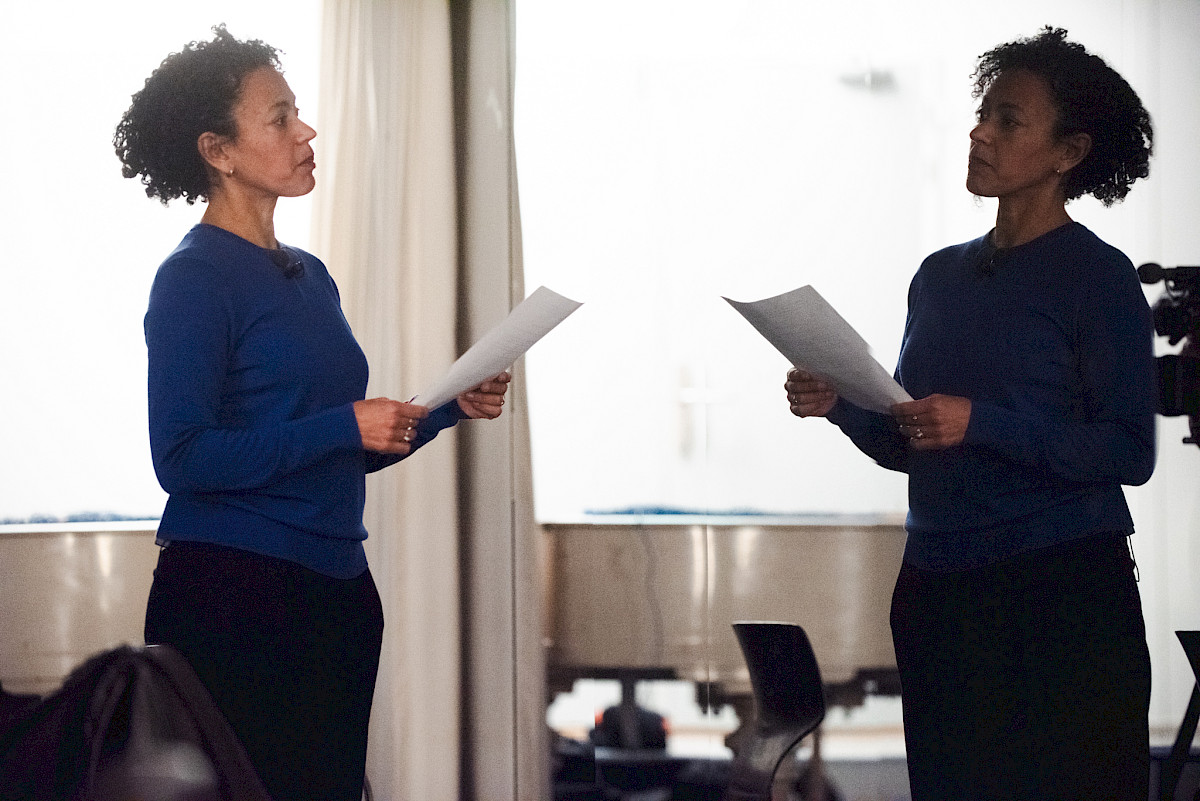
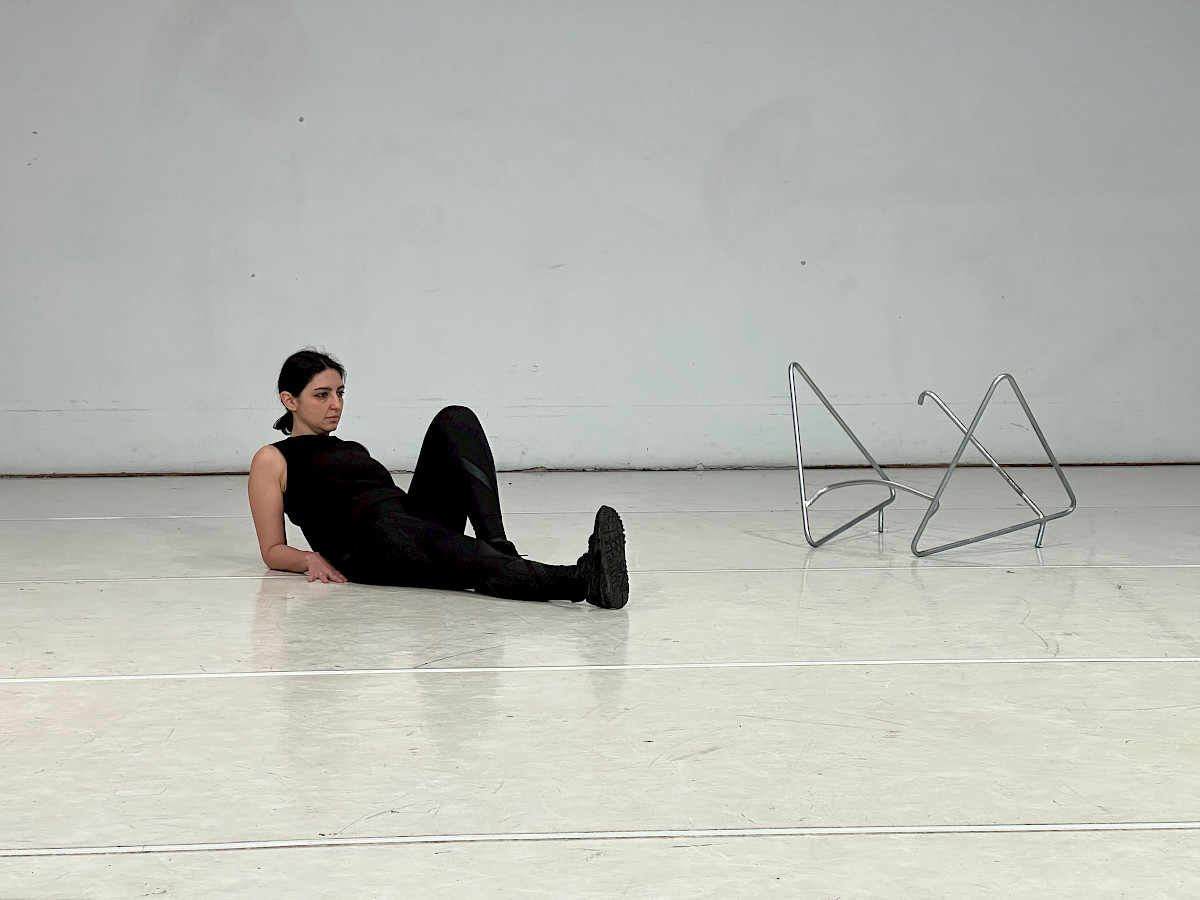
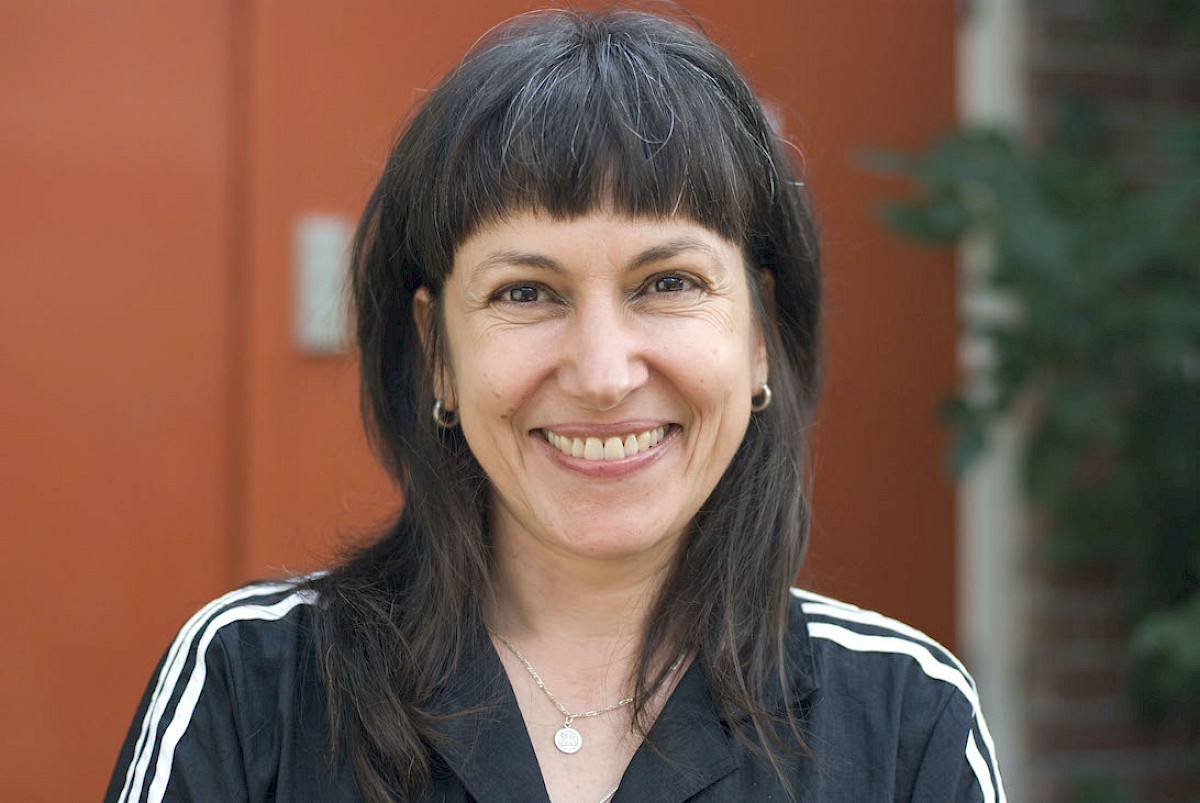
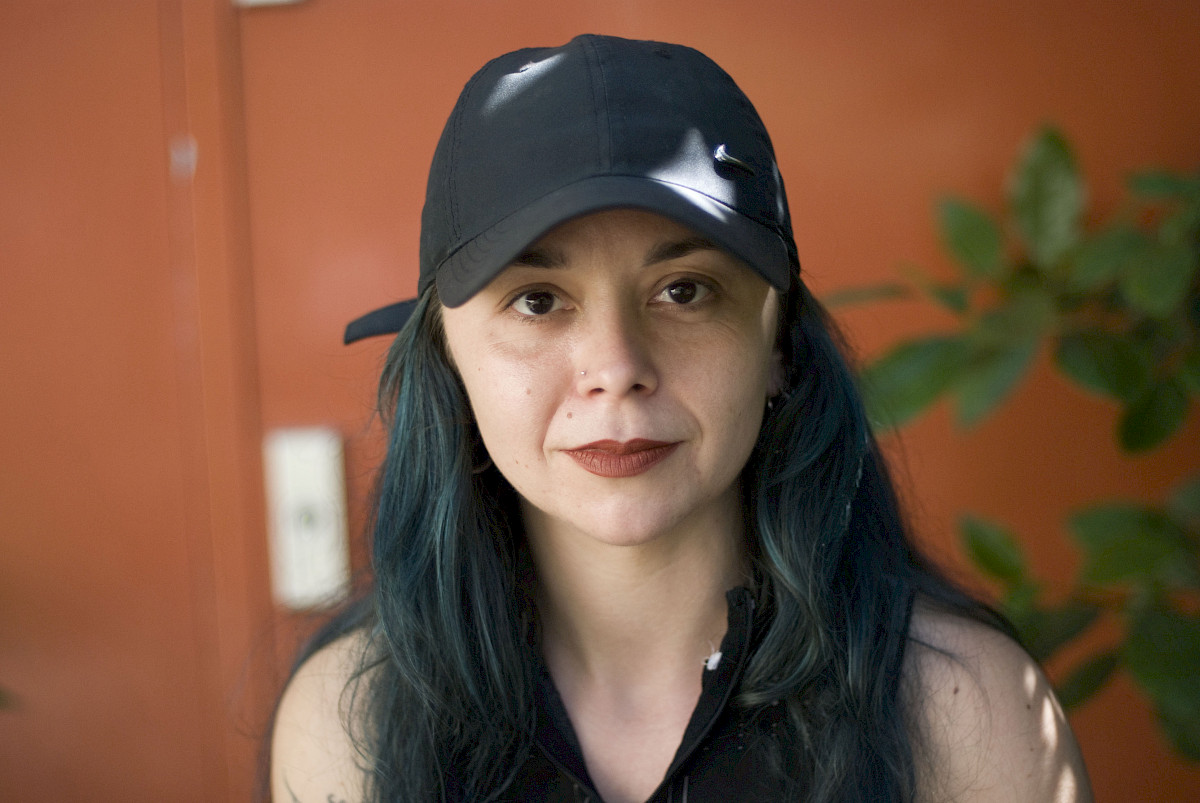
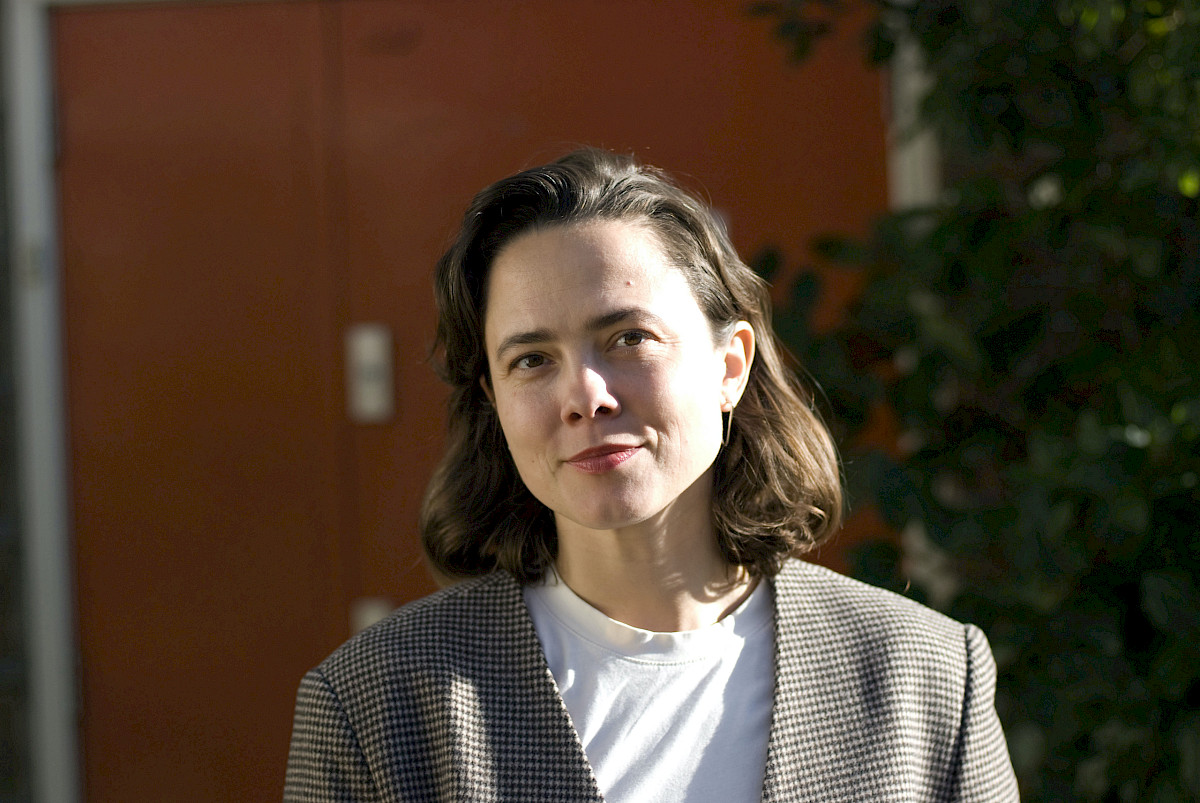
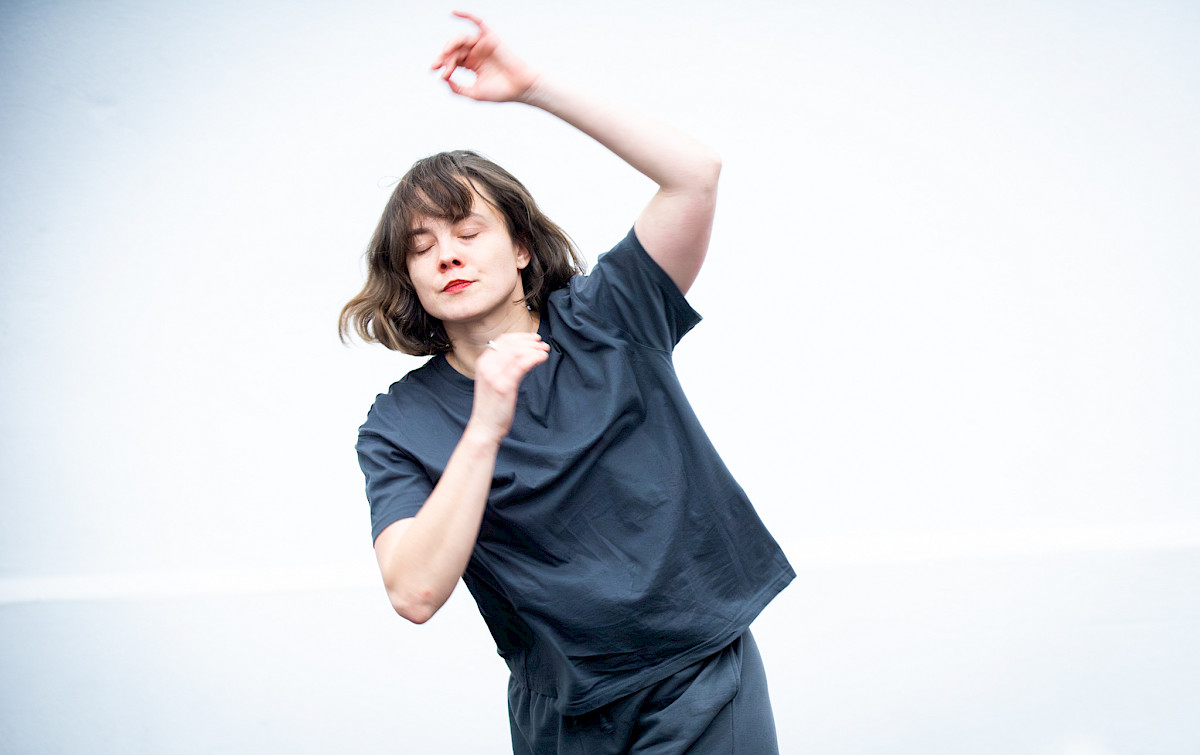
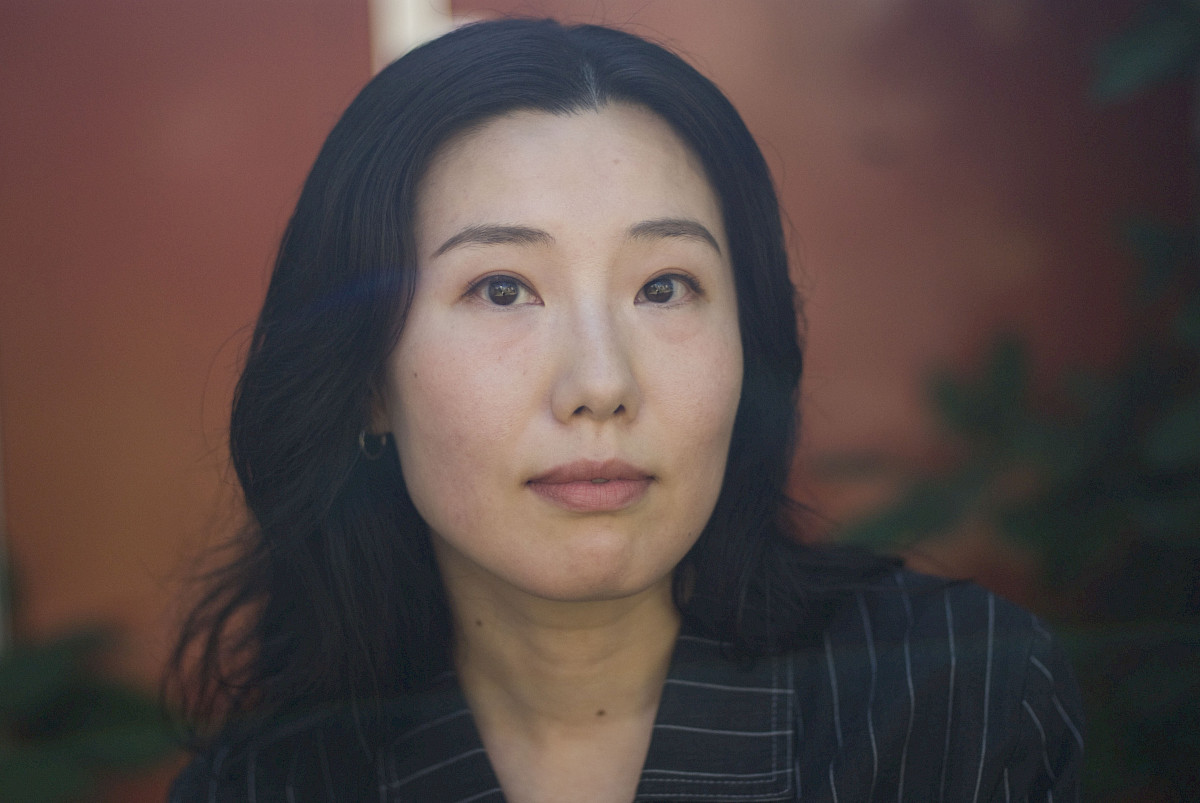
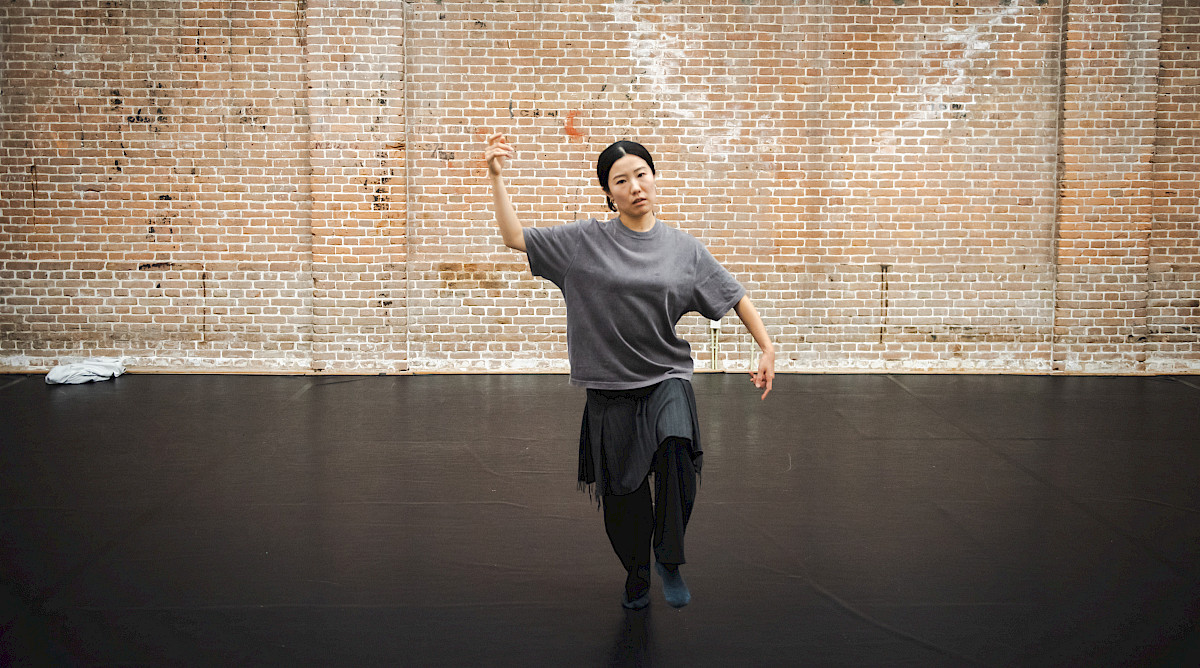
Viktorija Ilioska is a choreographer, performer, and artist who explores choreography through various mediums, including movement, text, voice, and sound. She studied at the Faculty of Music Arts in Skopje (BA in Dance Pedagogy and Repertory) and at the Institute for Applied Theater Studies in Gießen (MA in Choreography and Performance).
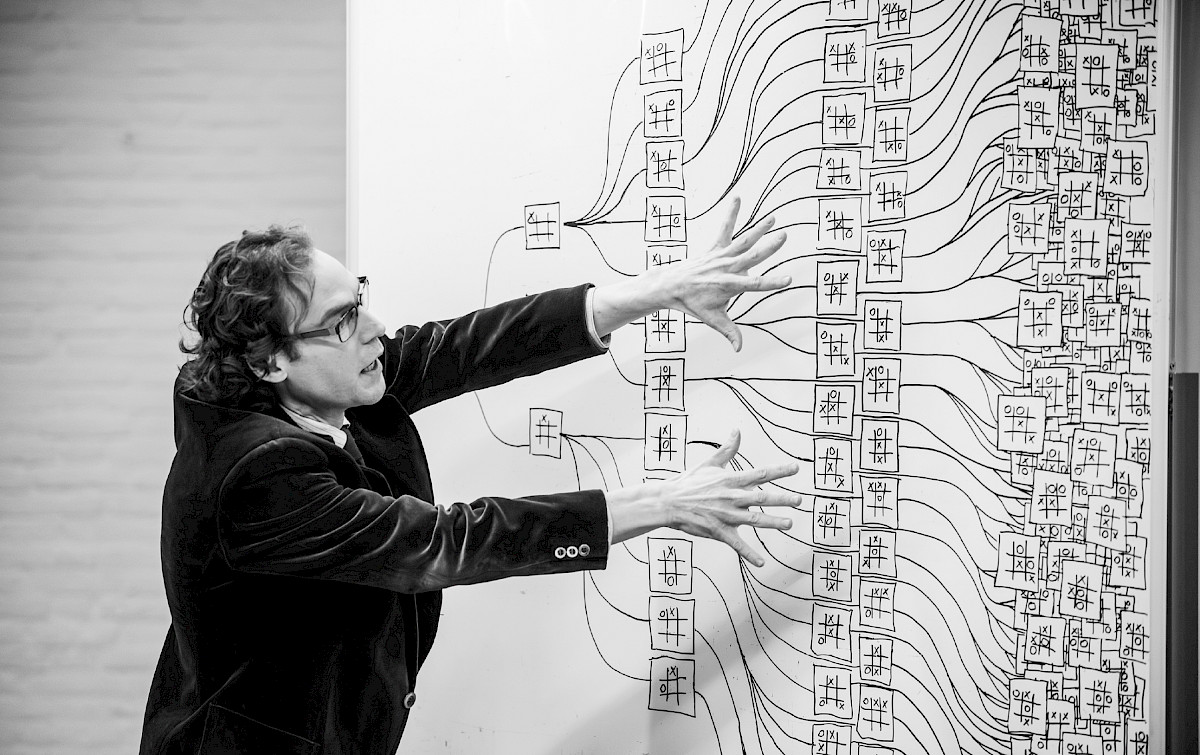
She views choreography as an evolving, expanded practice that transforms into the organization of space—a toolkit for analysis that functions beyond mere expression. For her, it becomes a critical field of knowledge. In this framework, performance and dance are employed as strategic tools to navigate the tension between structures, order, and procedural systems. She relates to artistic practice as a relationship between doing and becoming, a process shaped by both research and the pursuit of knowledge. The term “procedure,” in her understanding, extends beyond mere methodology; it signifies an open space, a pre-existing region that holds the essence of the research itself. She believes that it is within this space that the true meaning of choreography as an inquiry emerges.
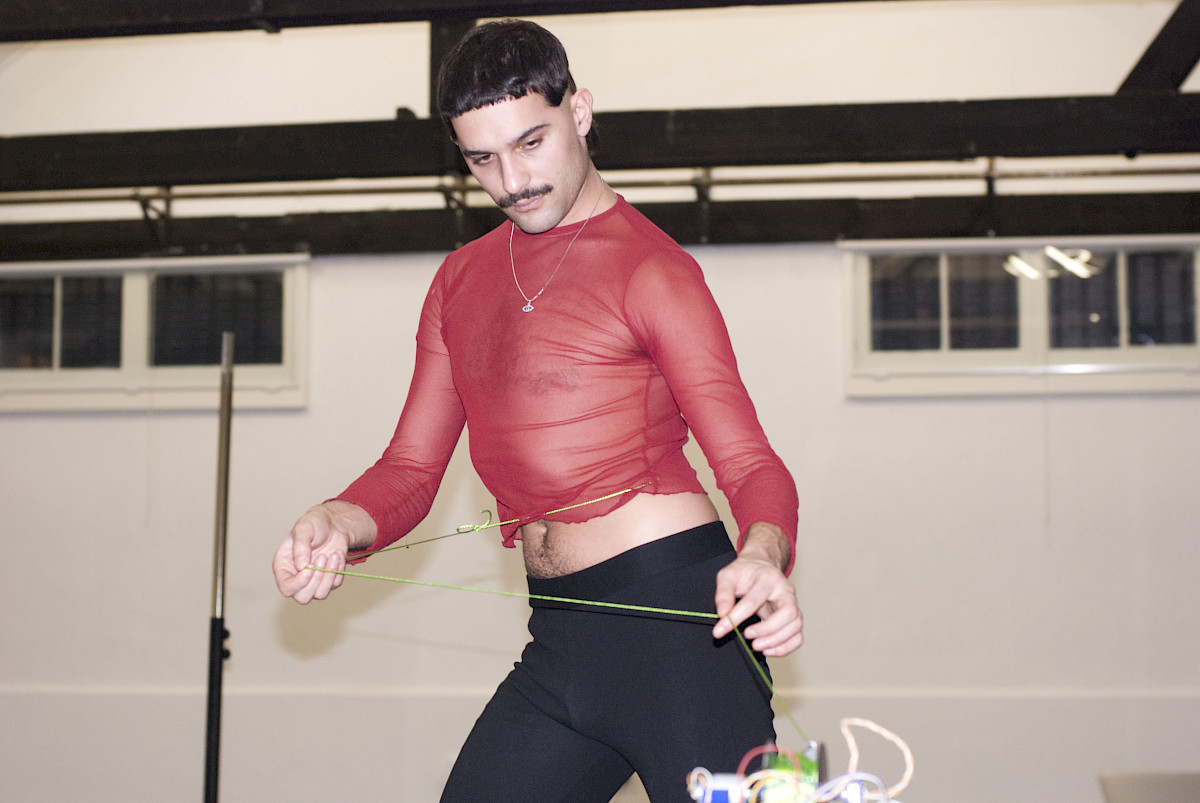
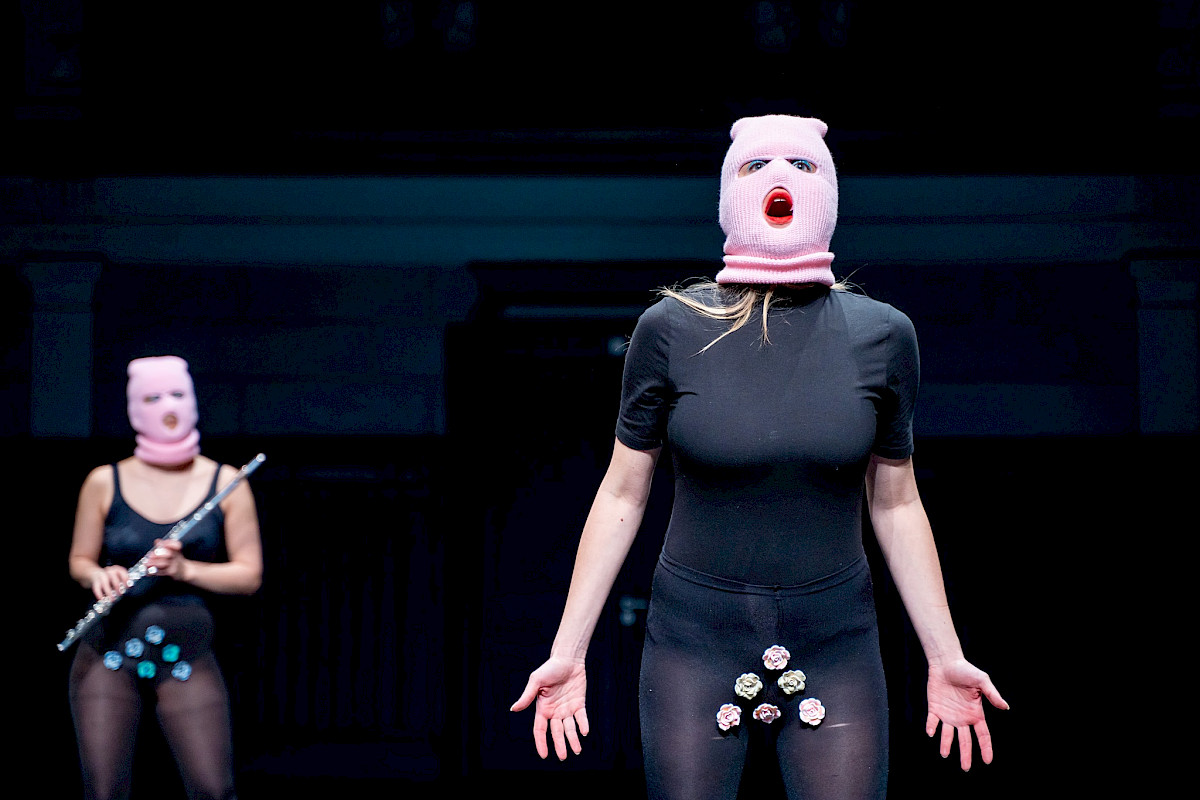
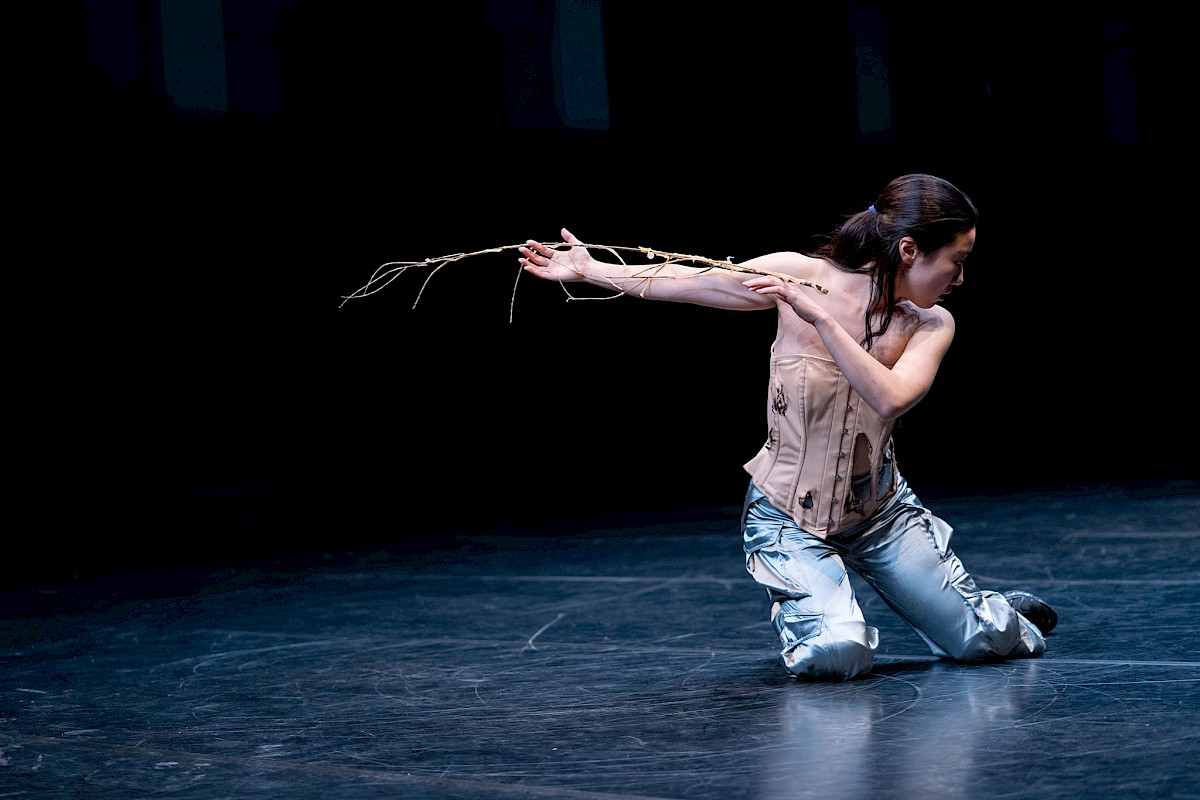
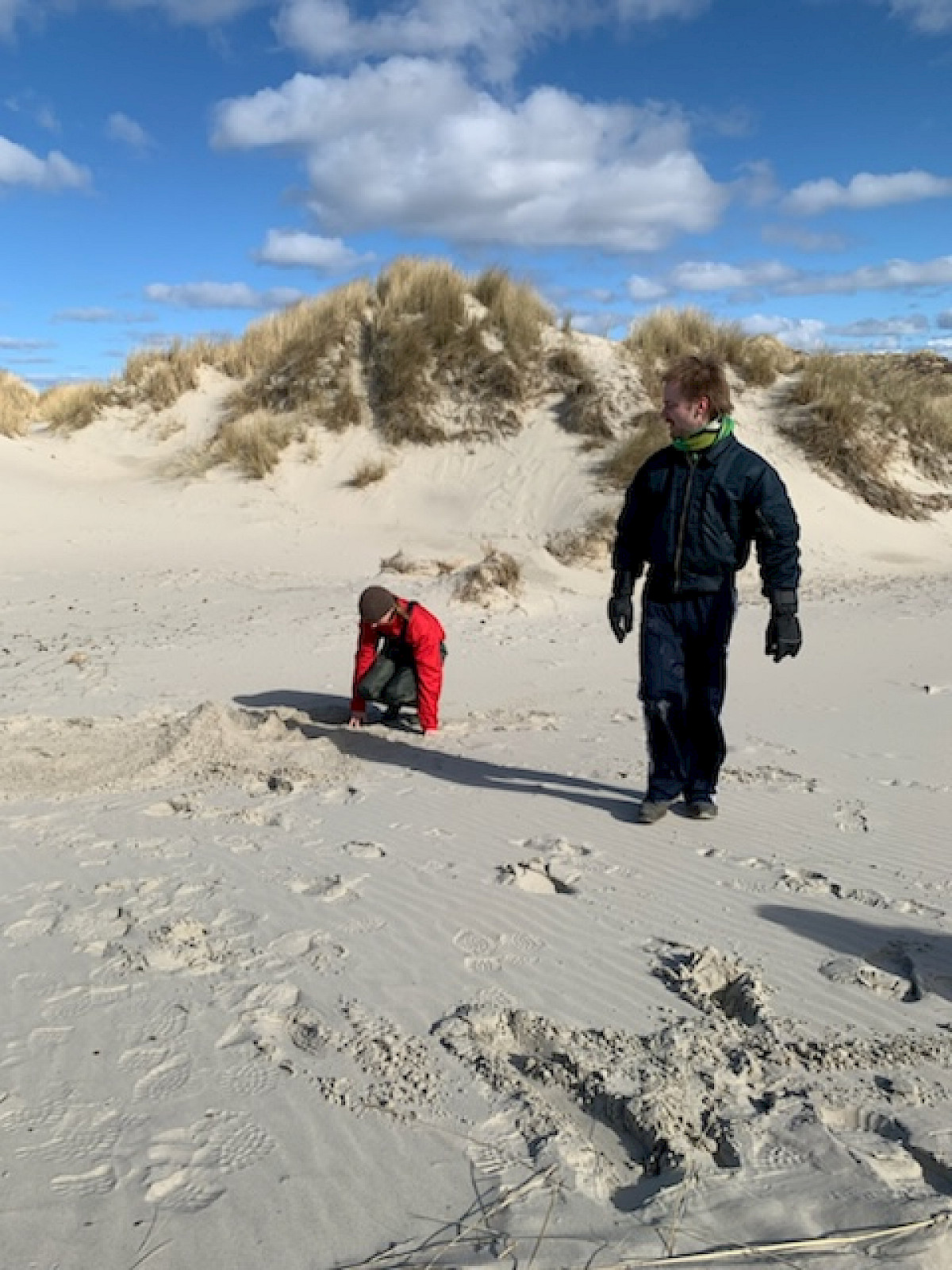
Viktorija’s artistic practice is rooted in research and shaped by thoughtful action and exploration. Her process involves reflection, theoretical analysis, somatic research, and creating work that evolves during the process itself, rather than adhering to predetermined scripts or rules. Rejecting the concept of the mute dancing body, Viktorija incorporates elements of provocation and engages with themes such as labor, gender issues, the portrayal of women in public spaces, the body’s relationship with nature, and the influence of gendered perspectives on identity.
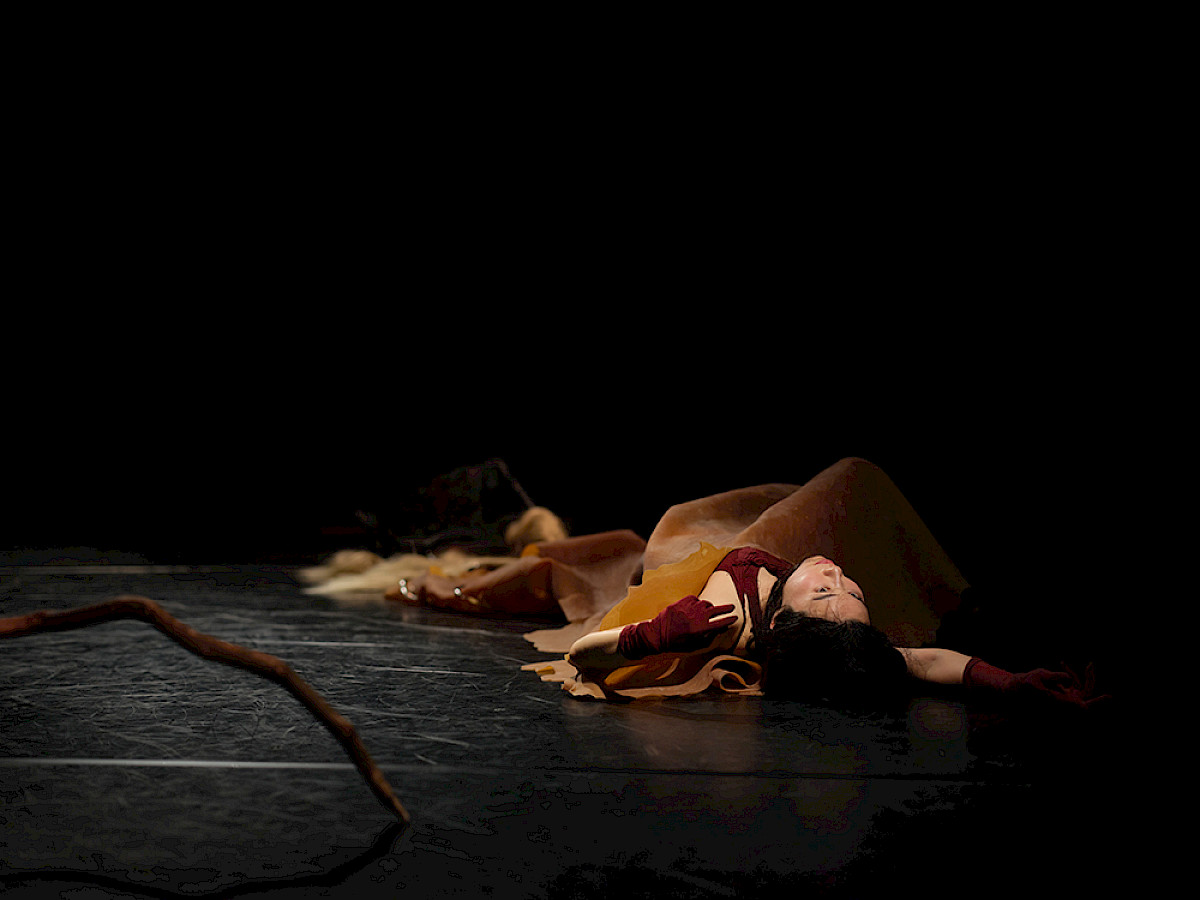
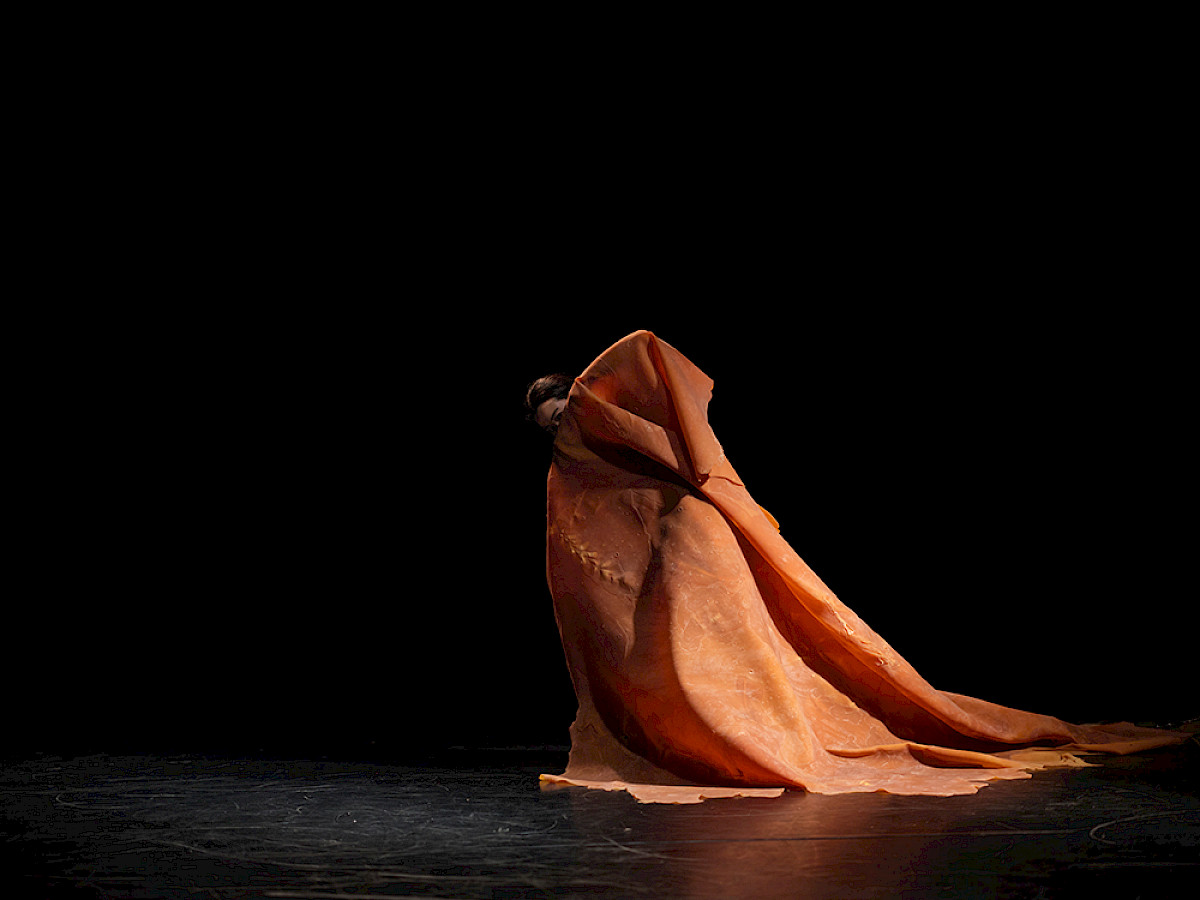
Hope for the Best, Prepare for the Worst
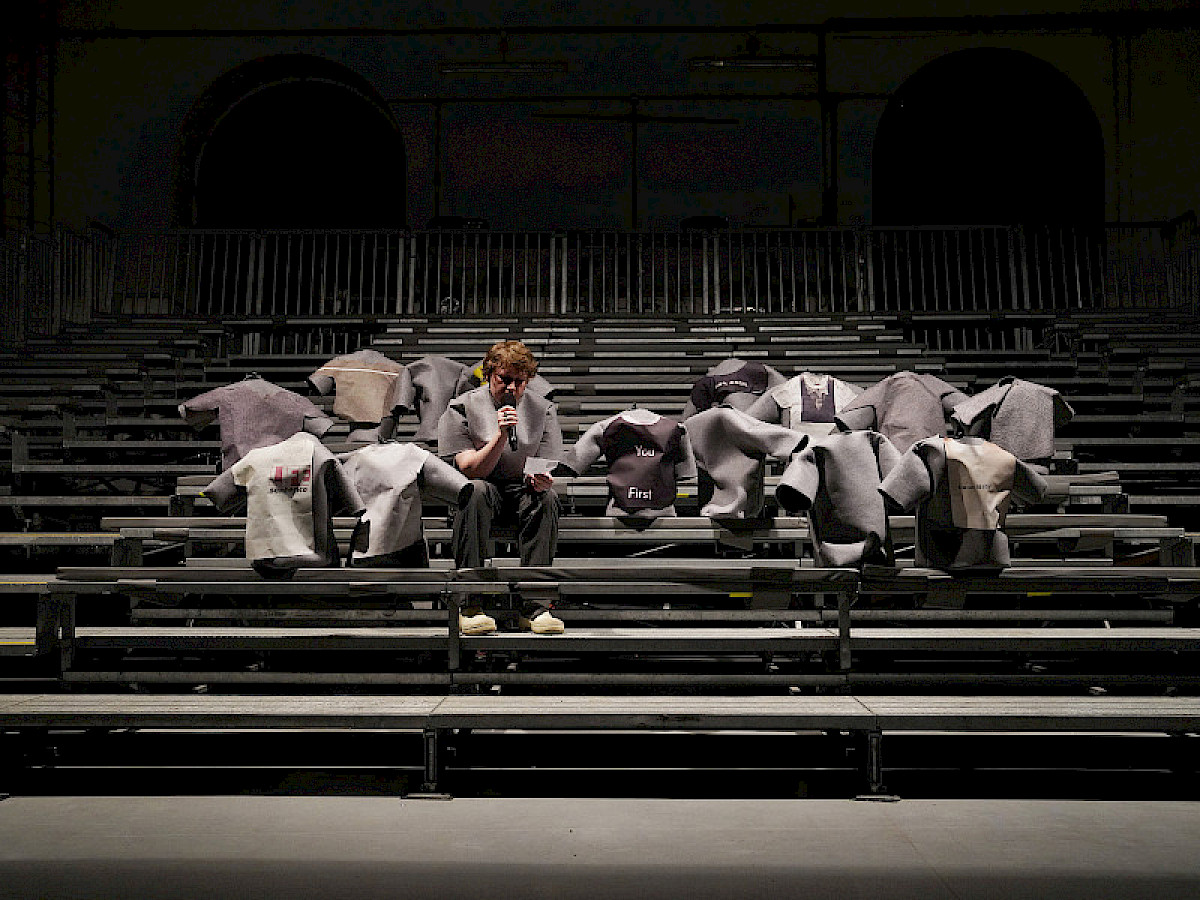
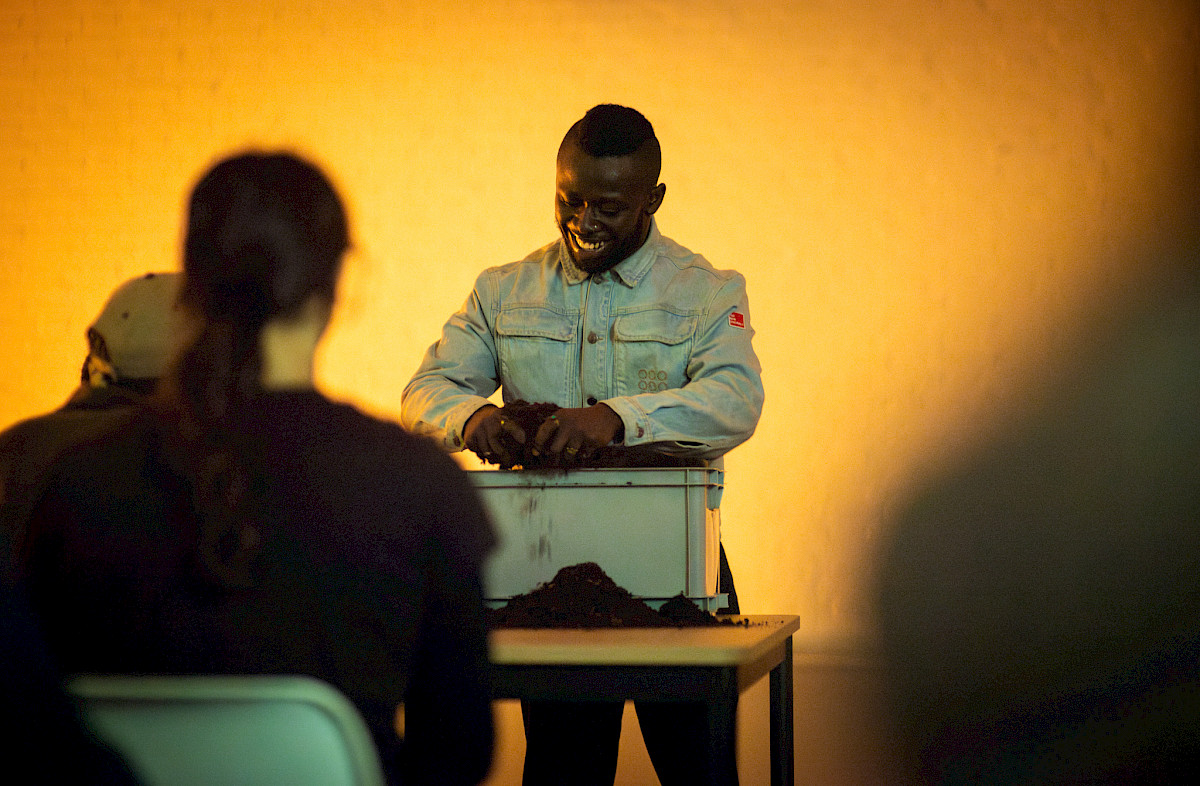
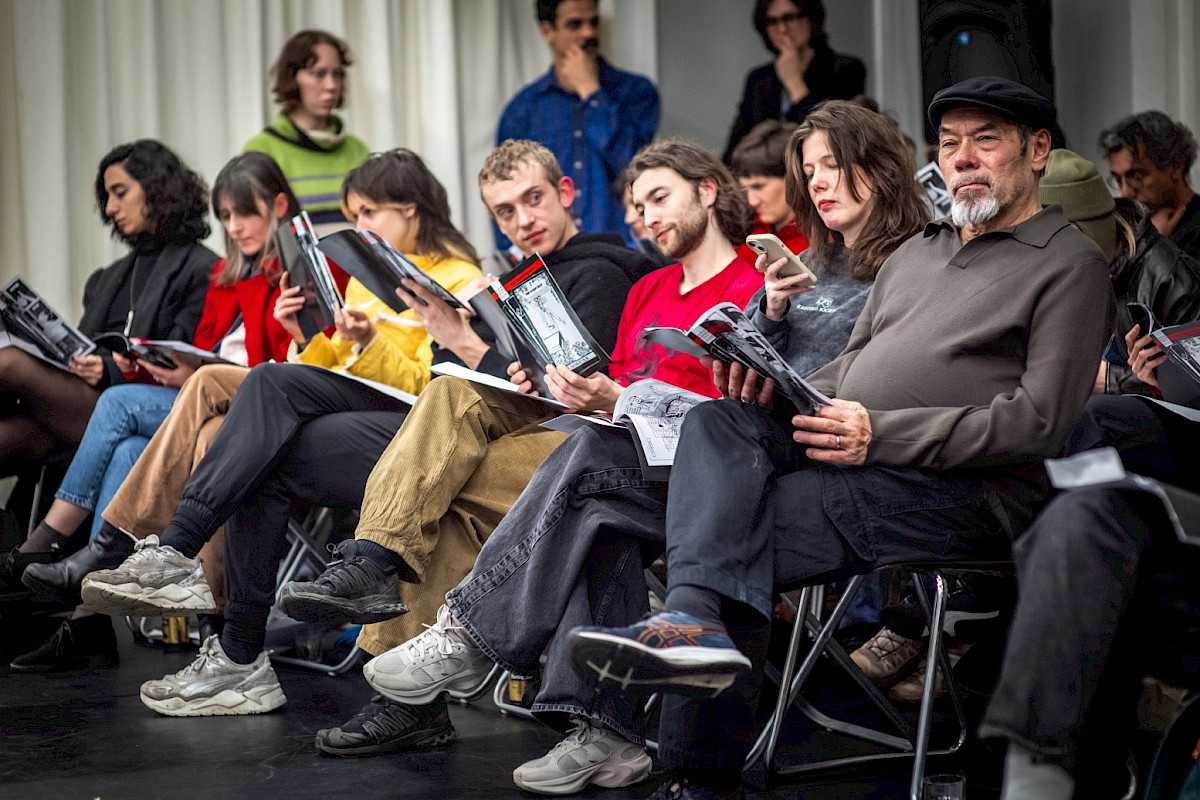
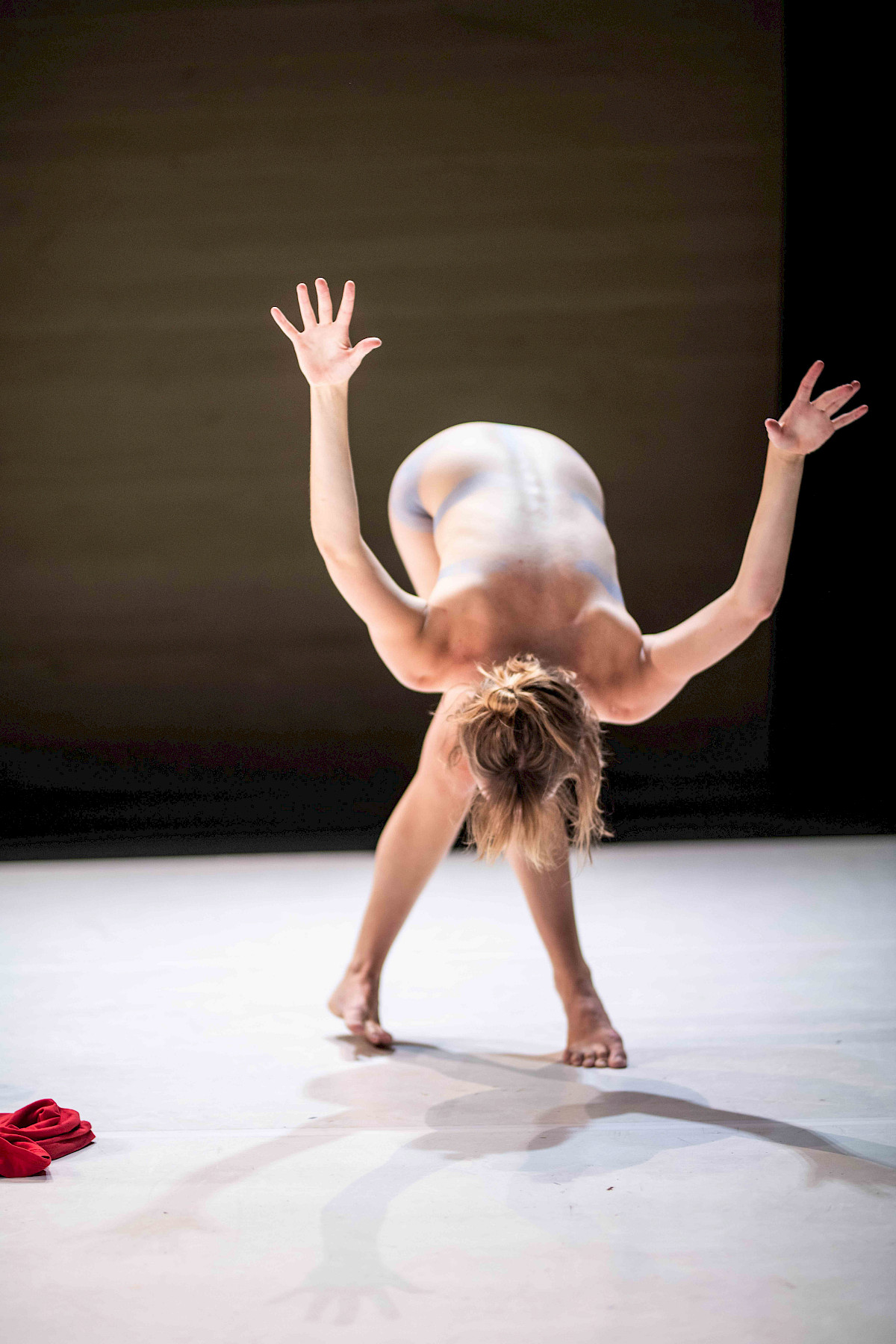
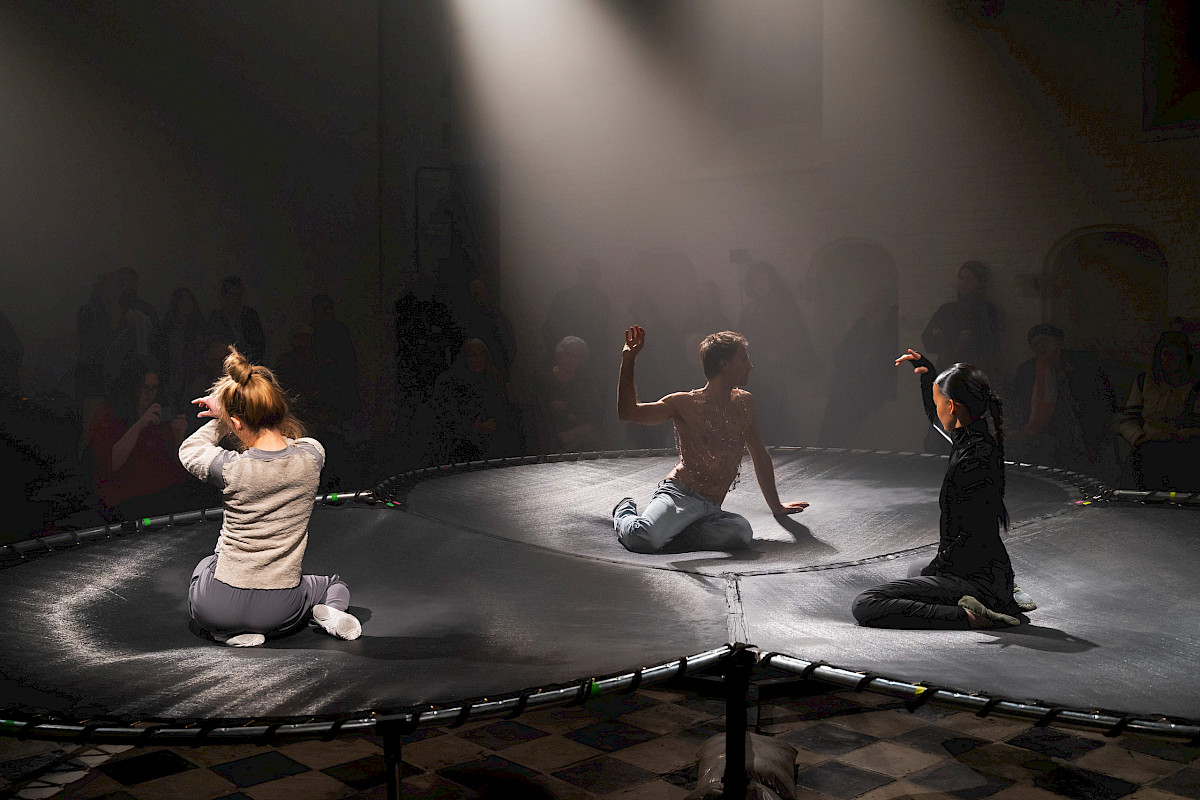
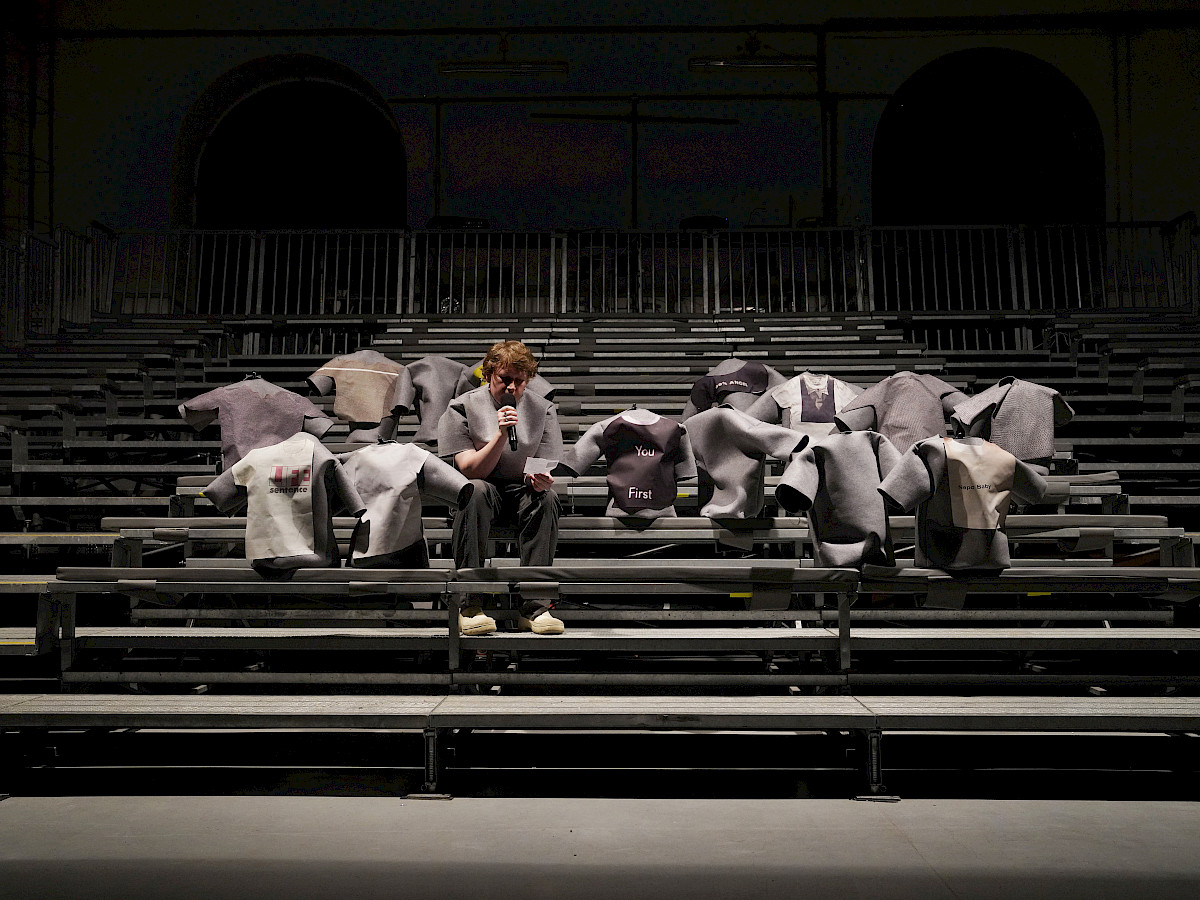
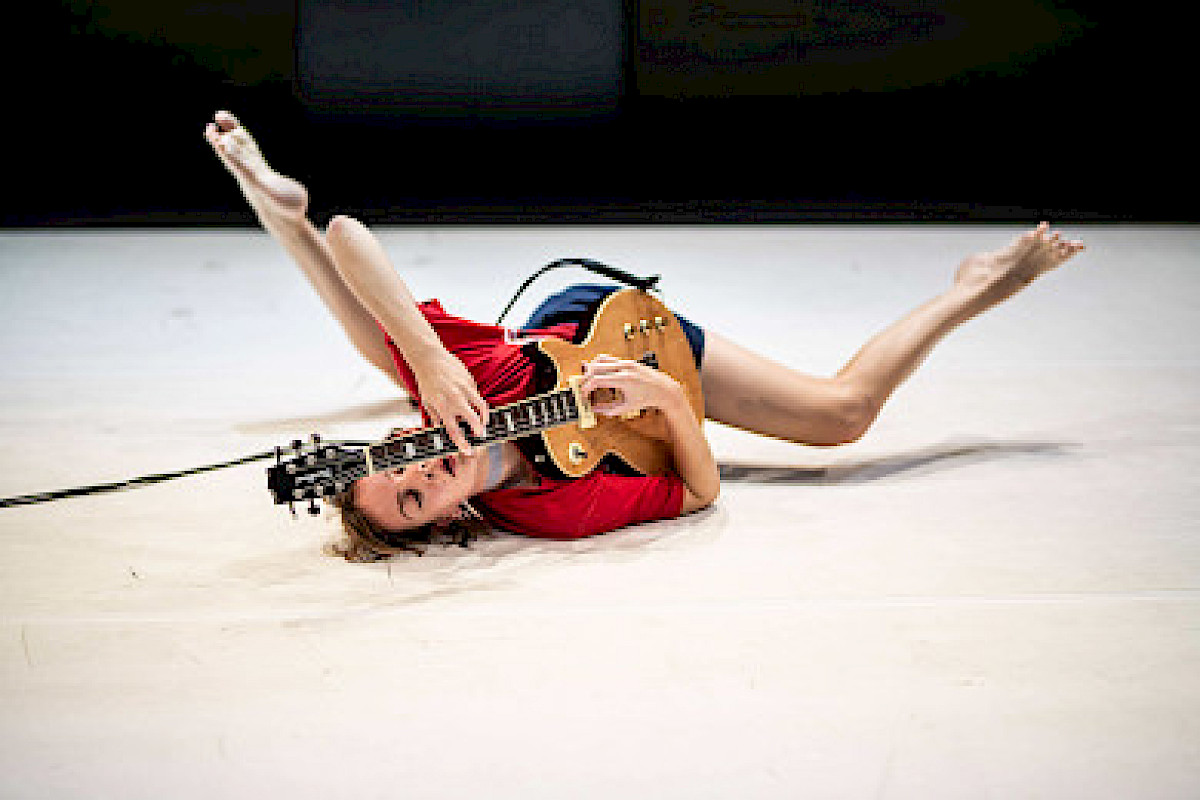
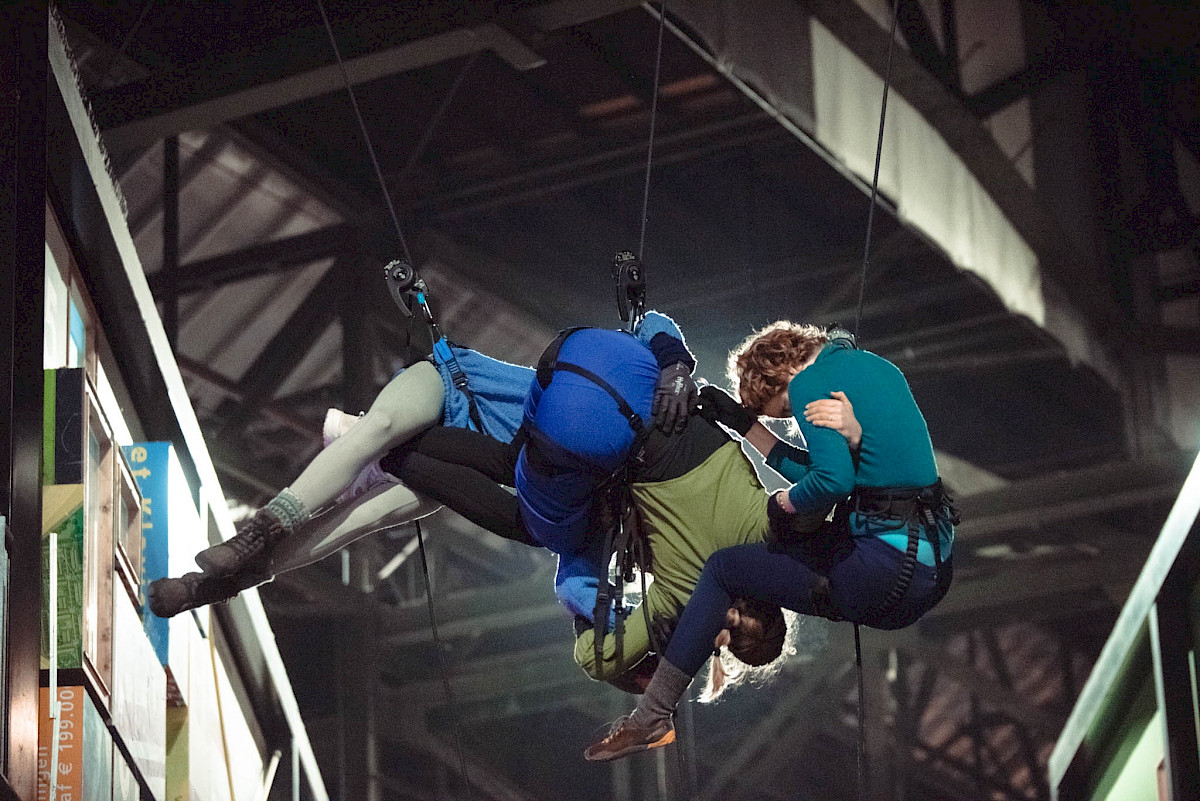
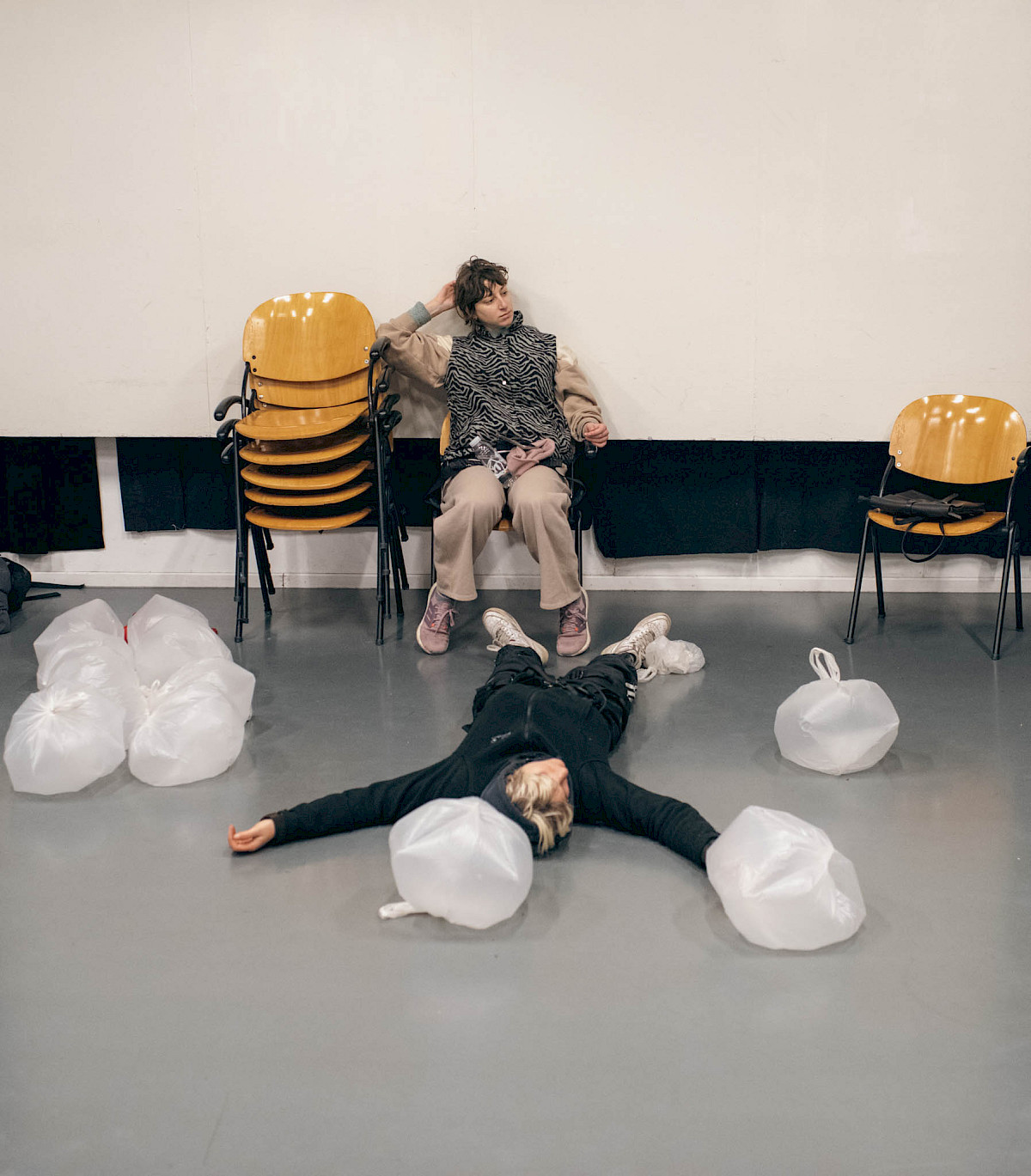
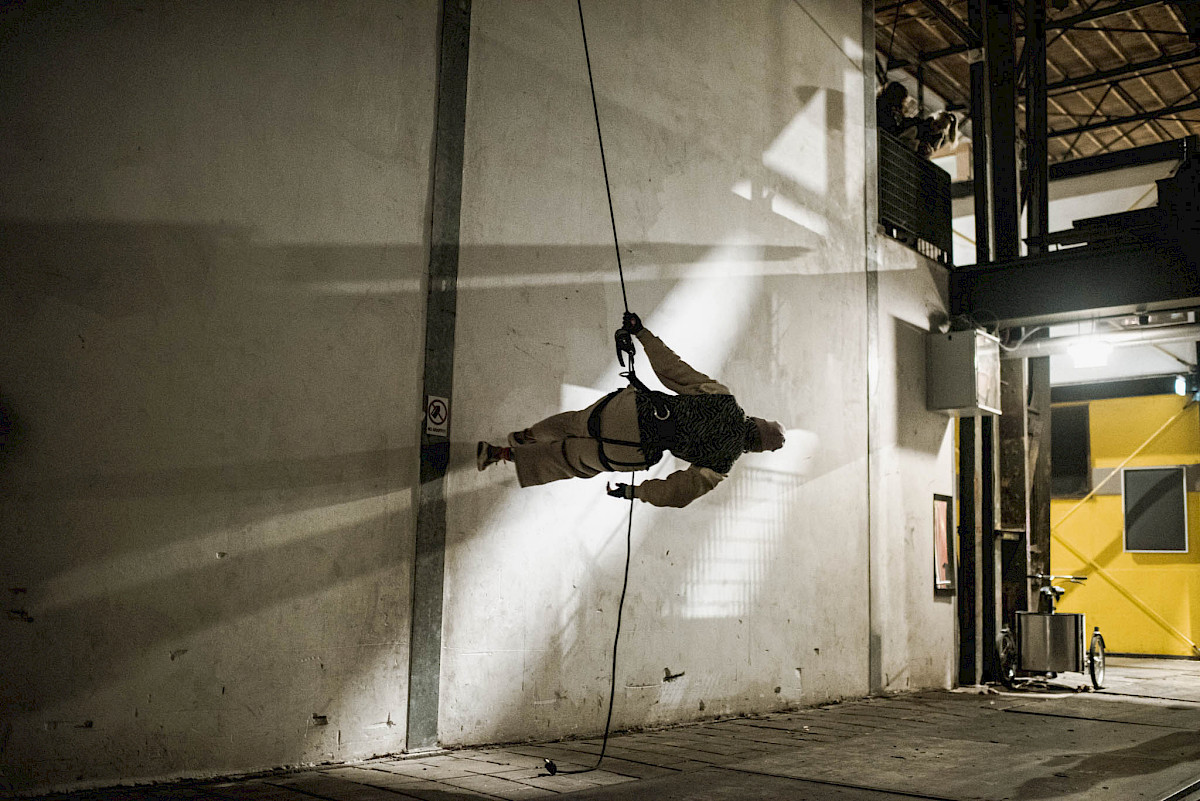
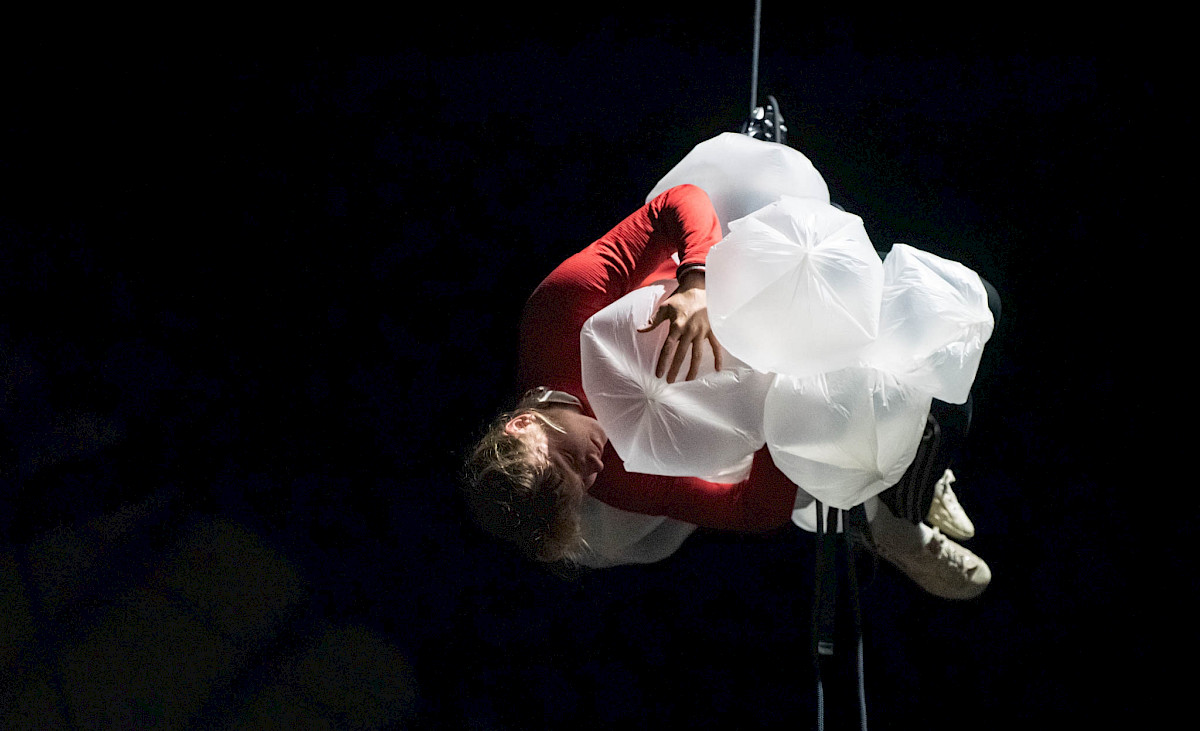
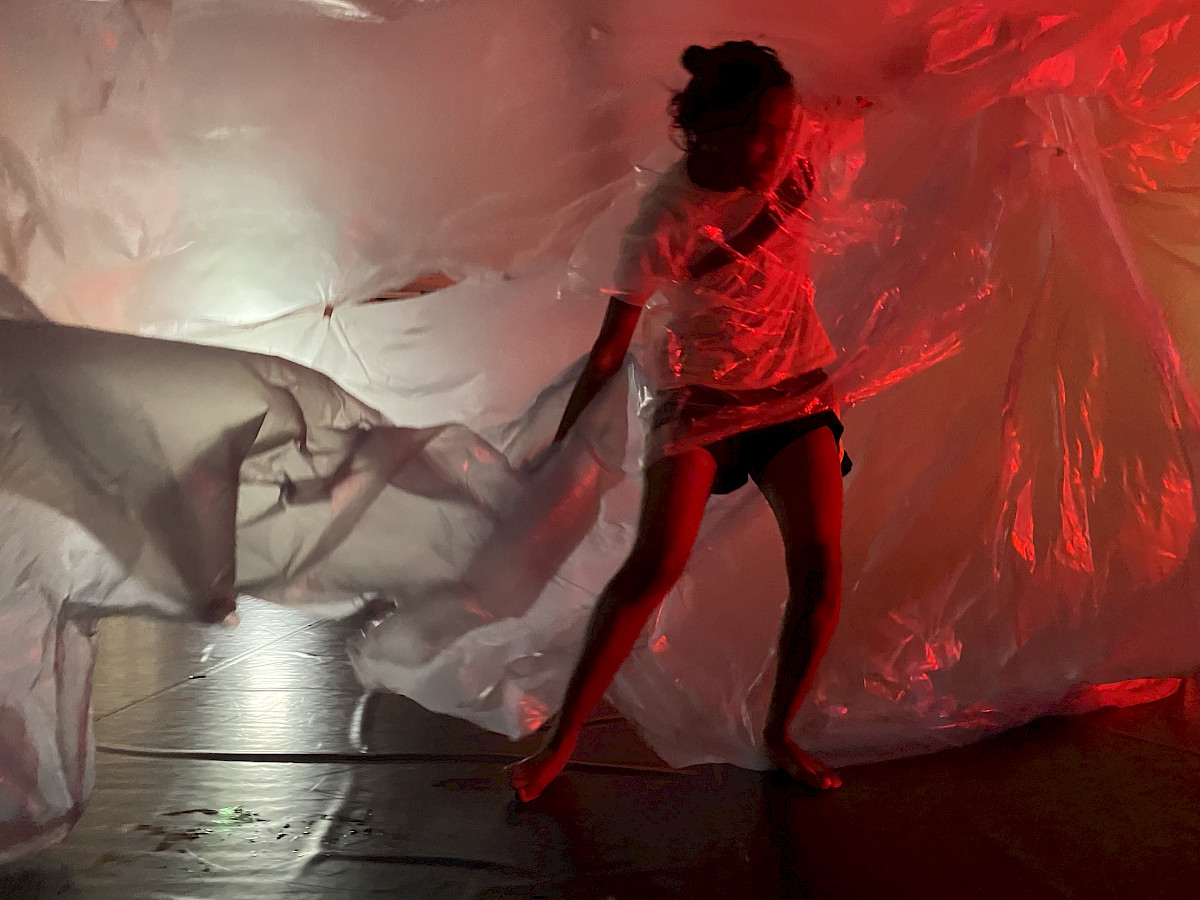
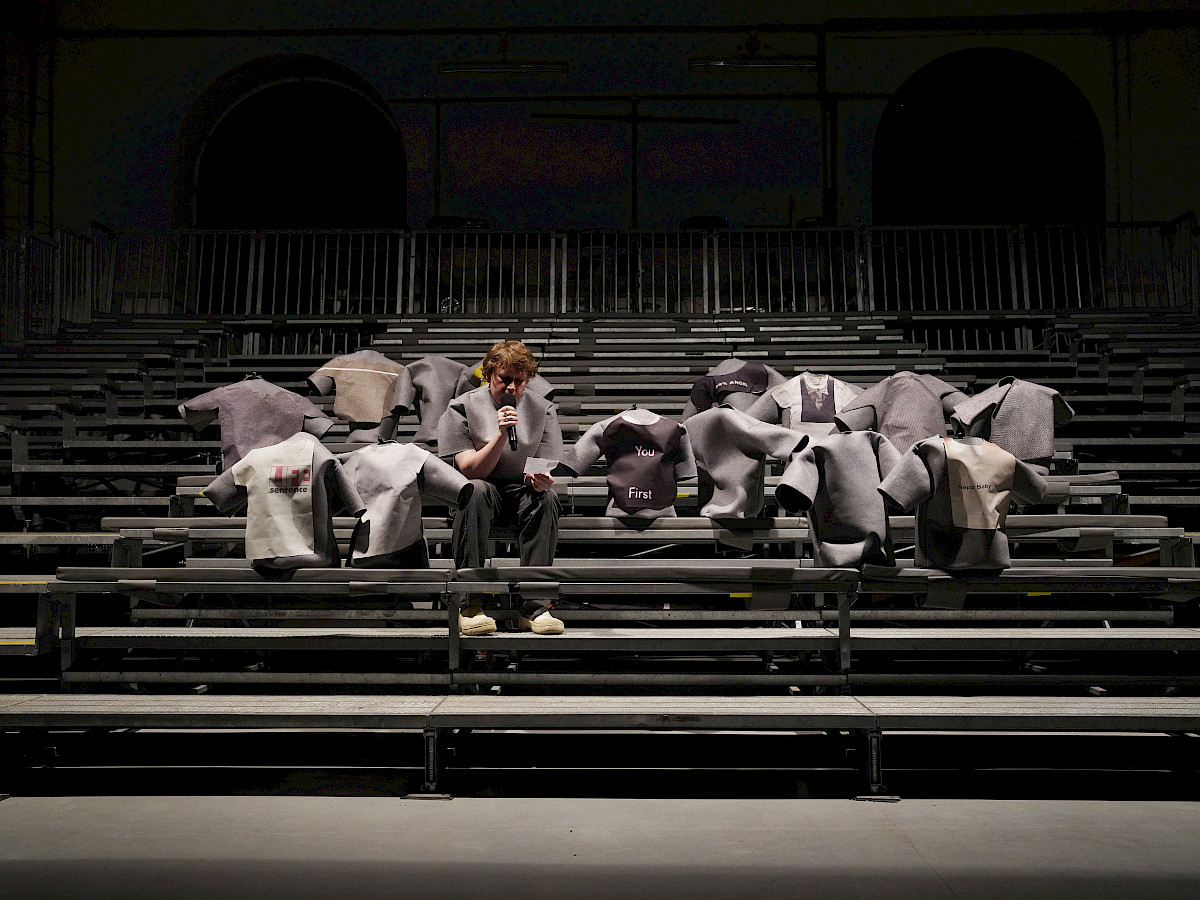
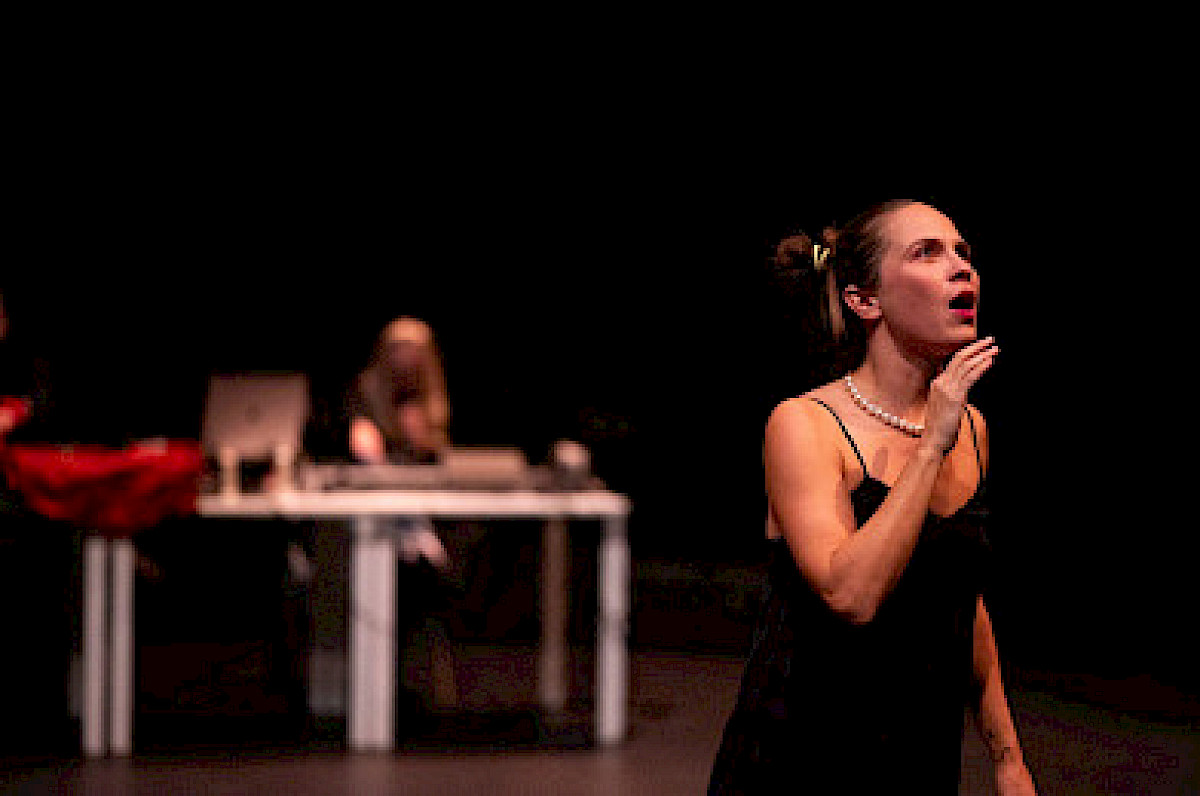
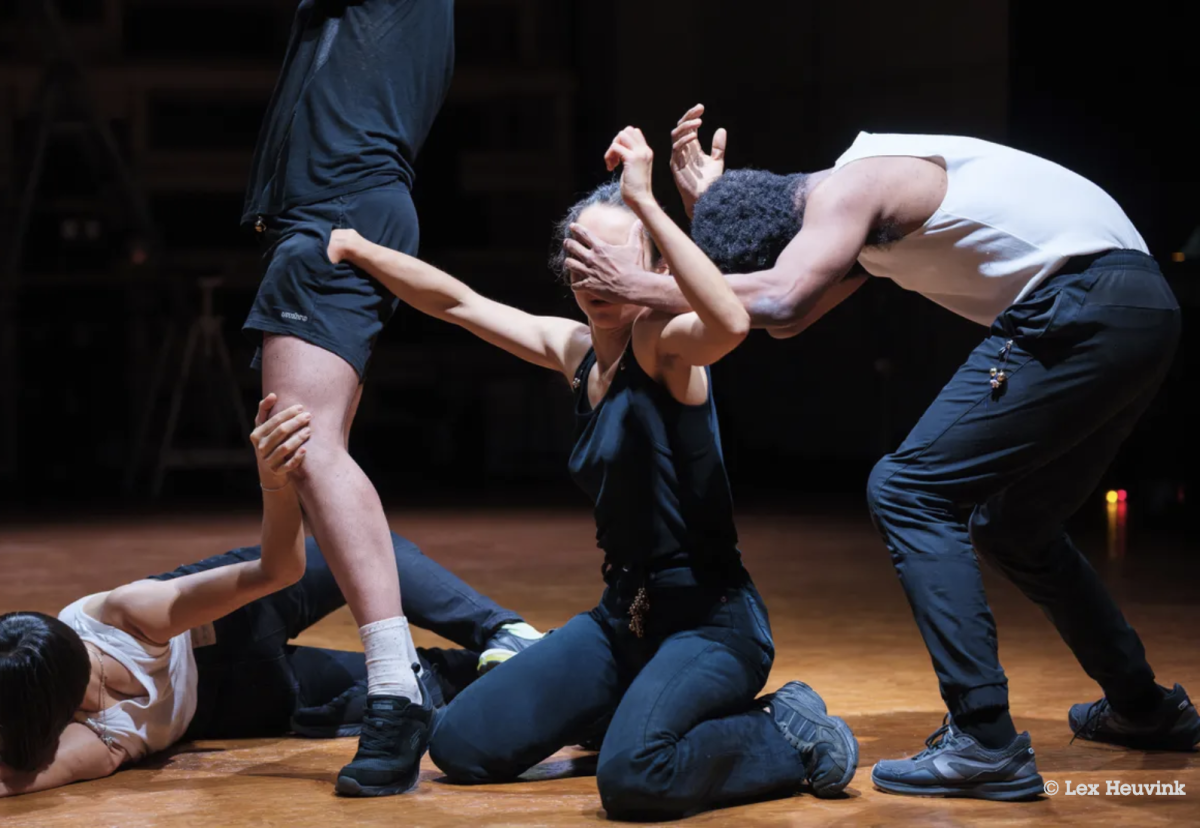
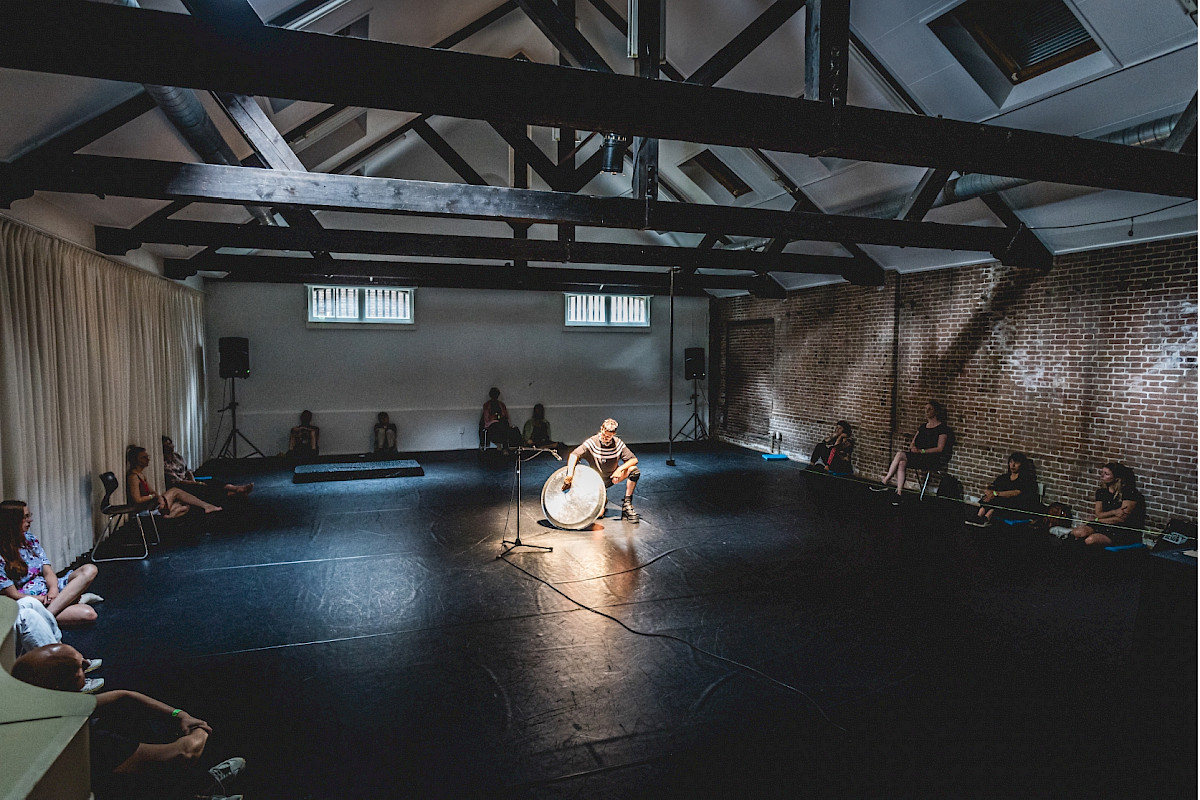
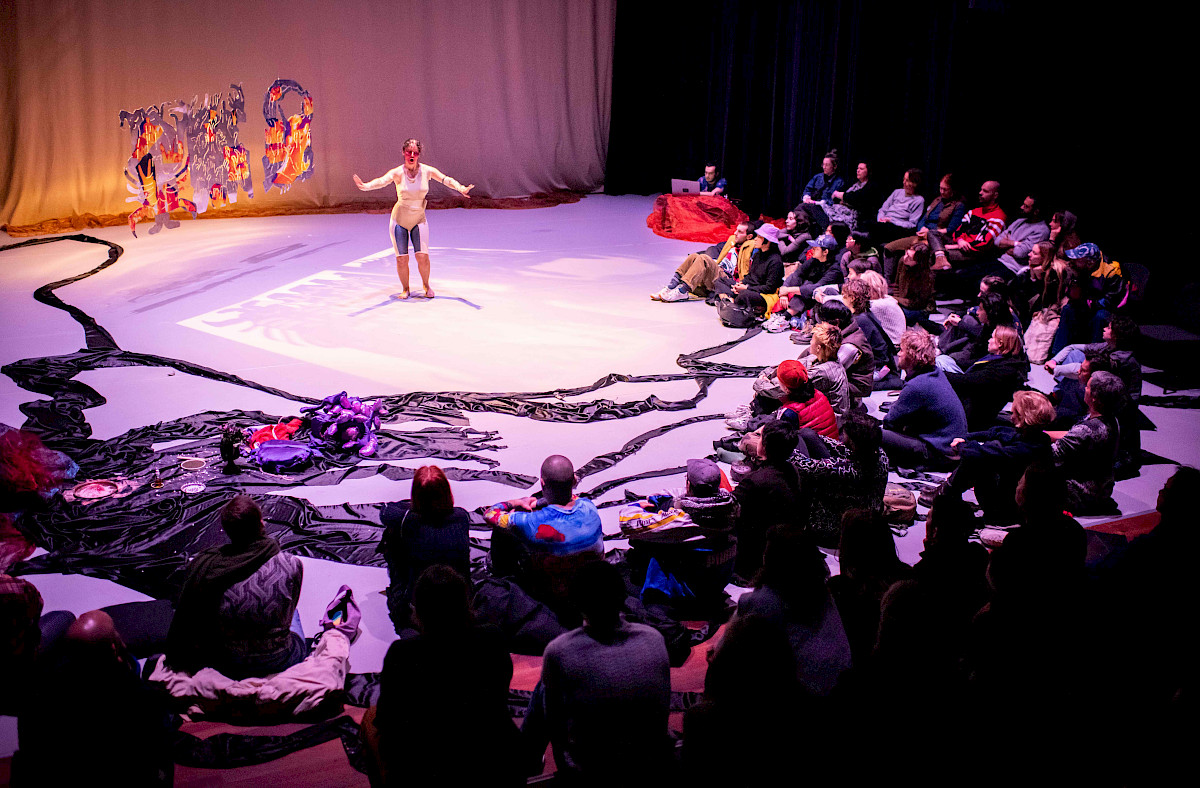
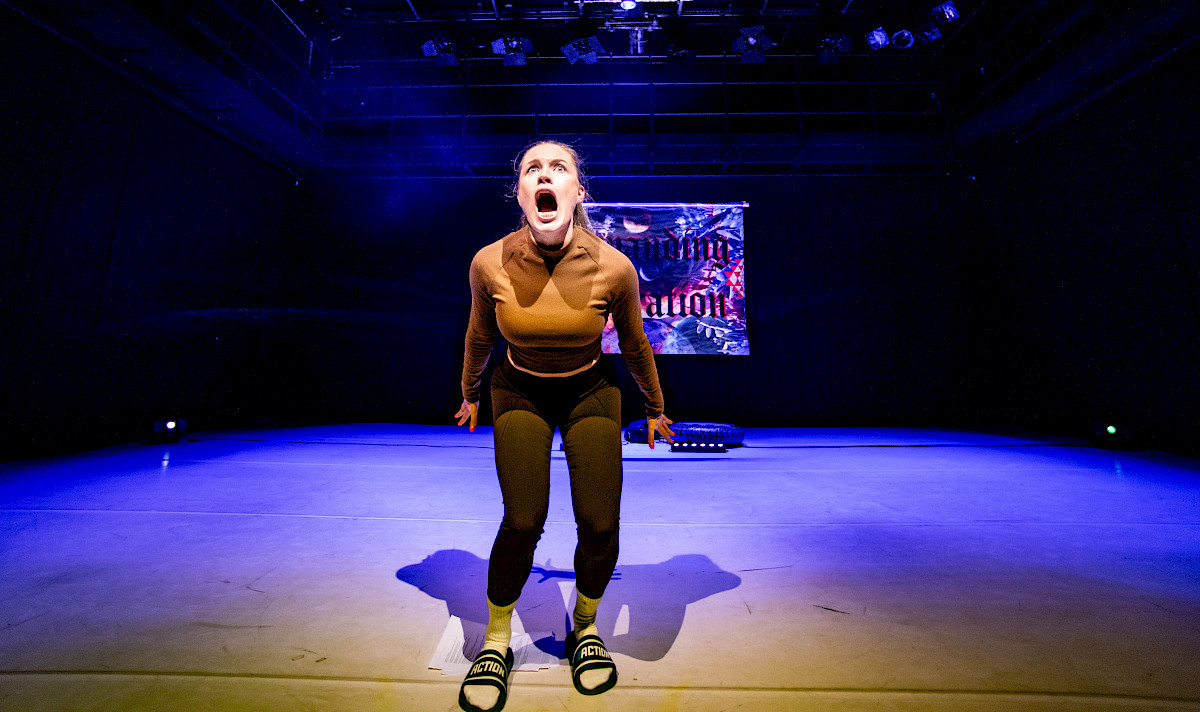
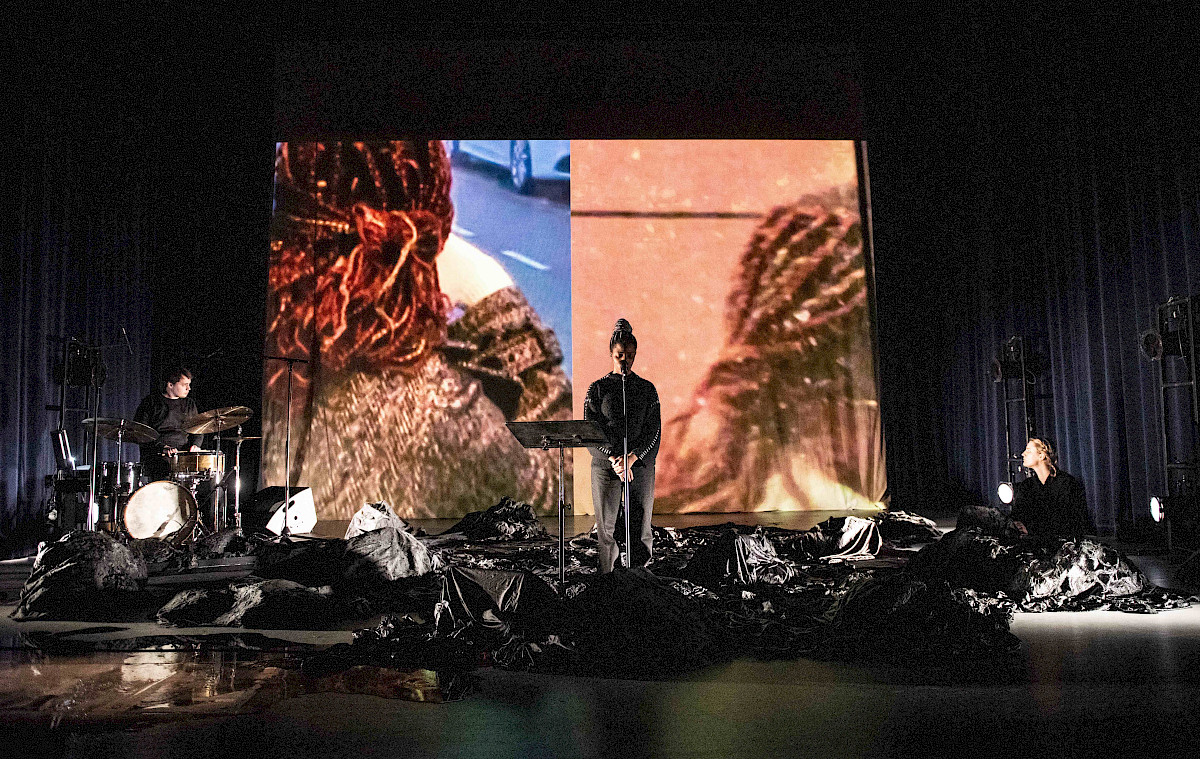
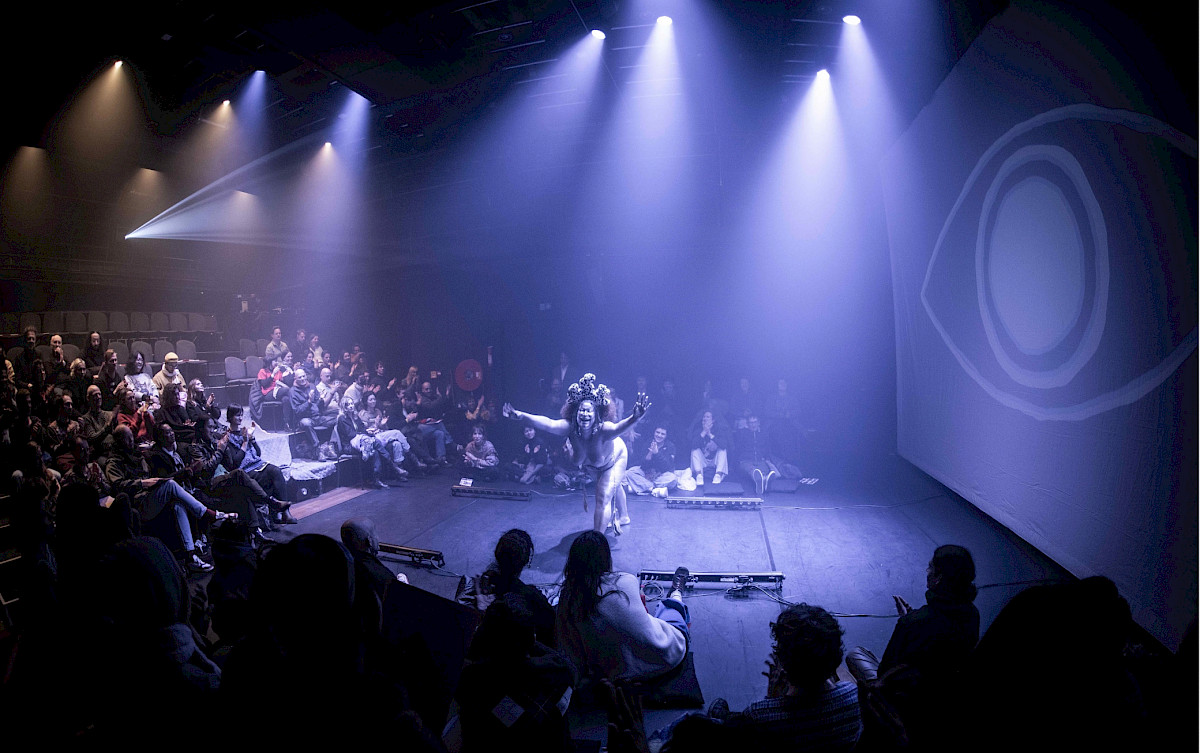
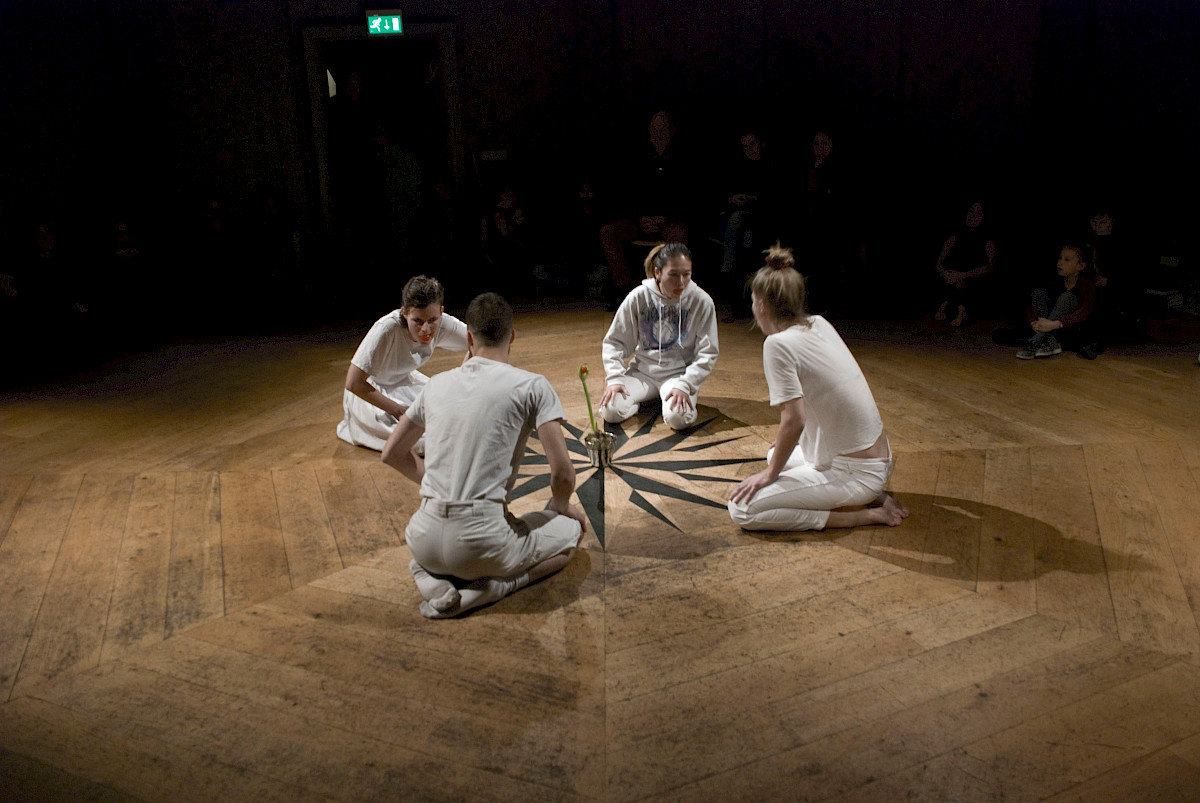
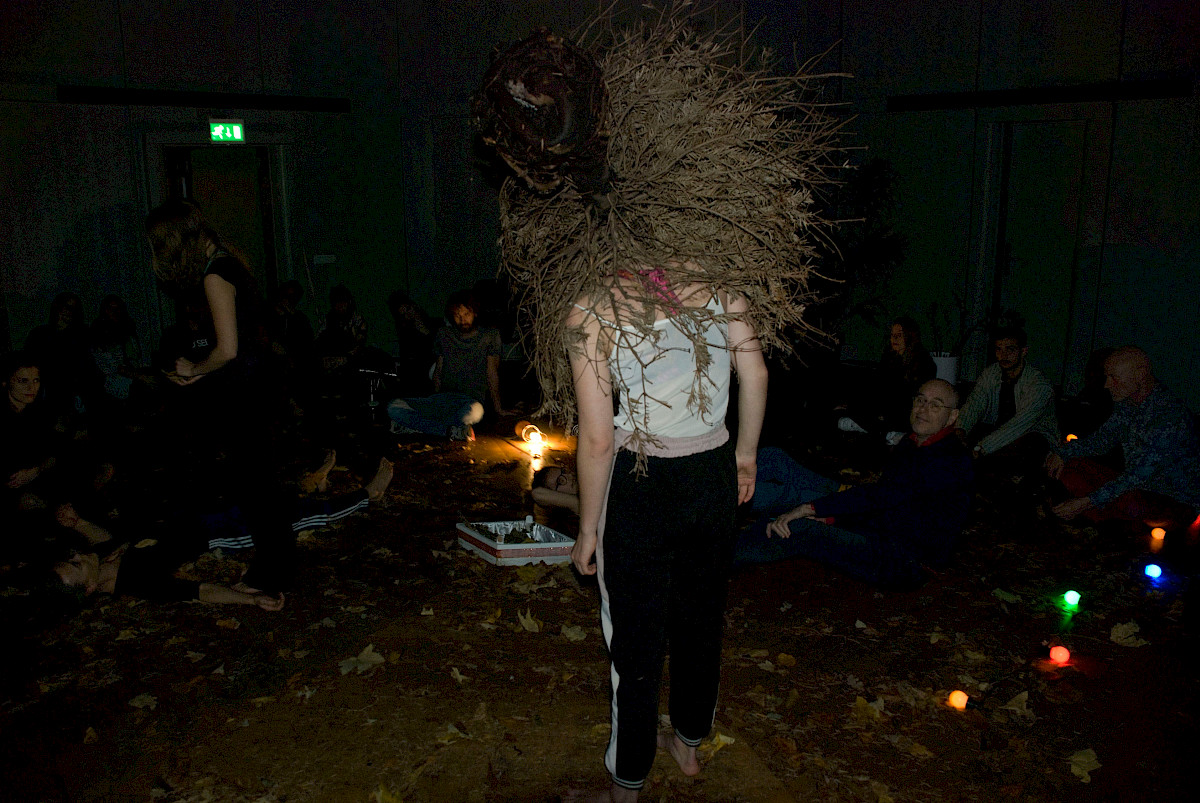
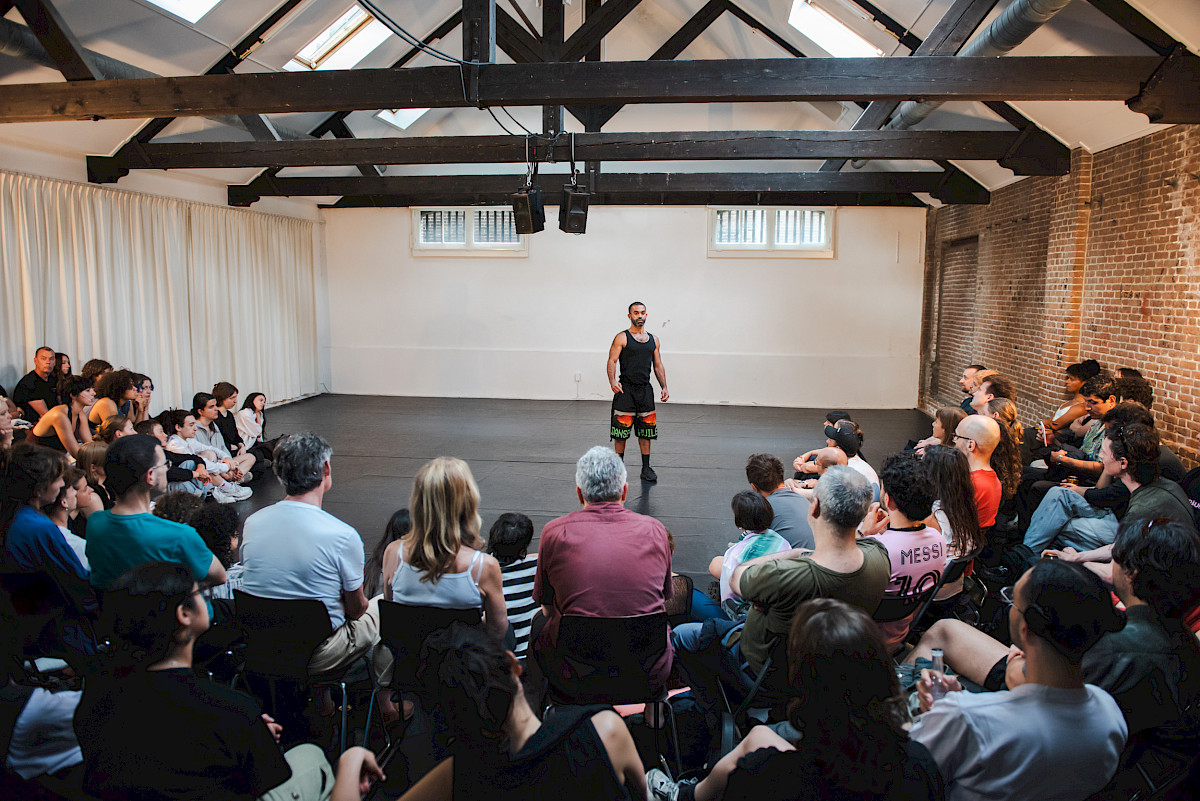
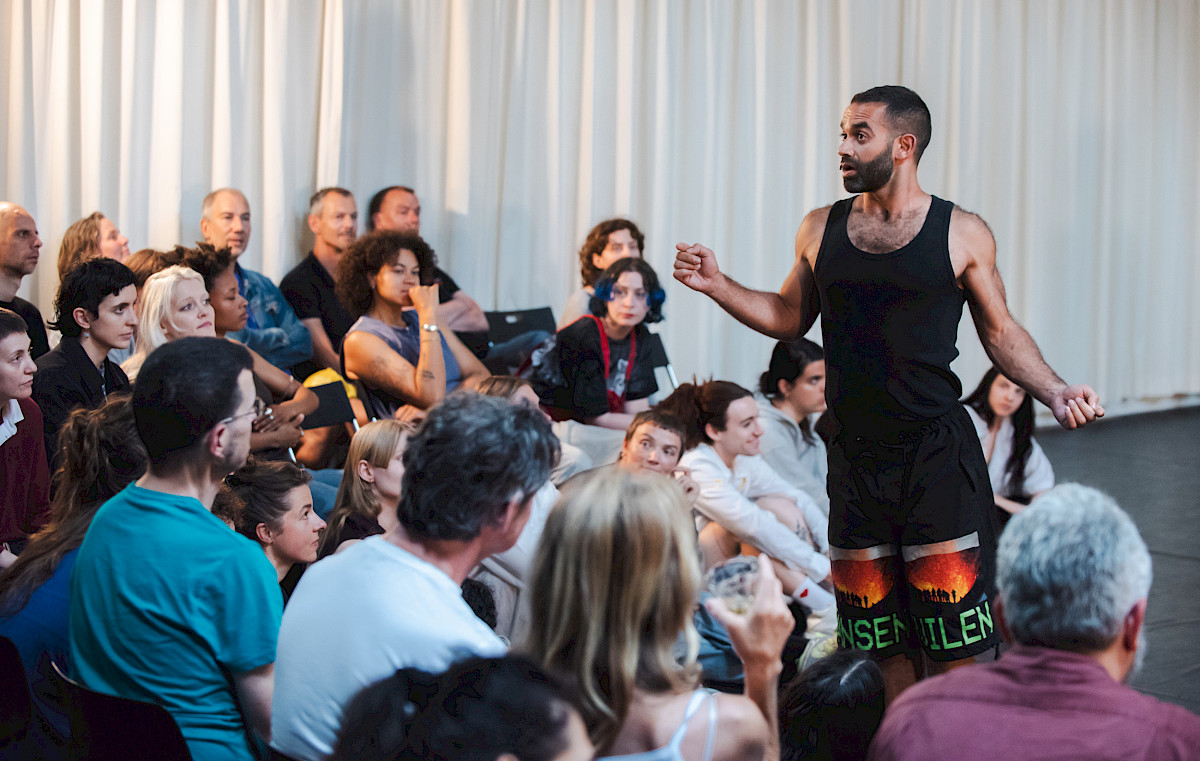
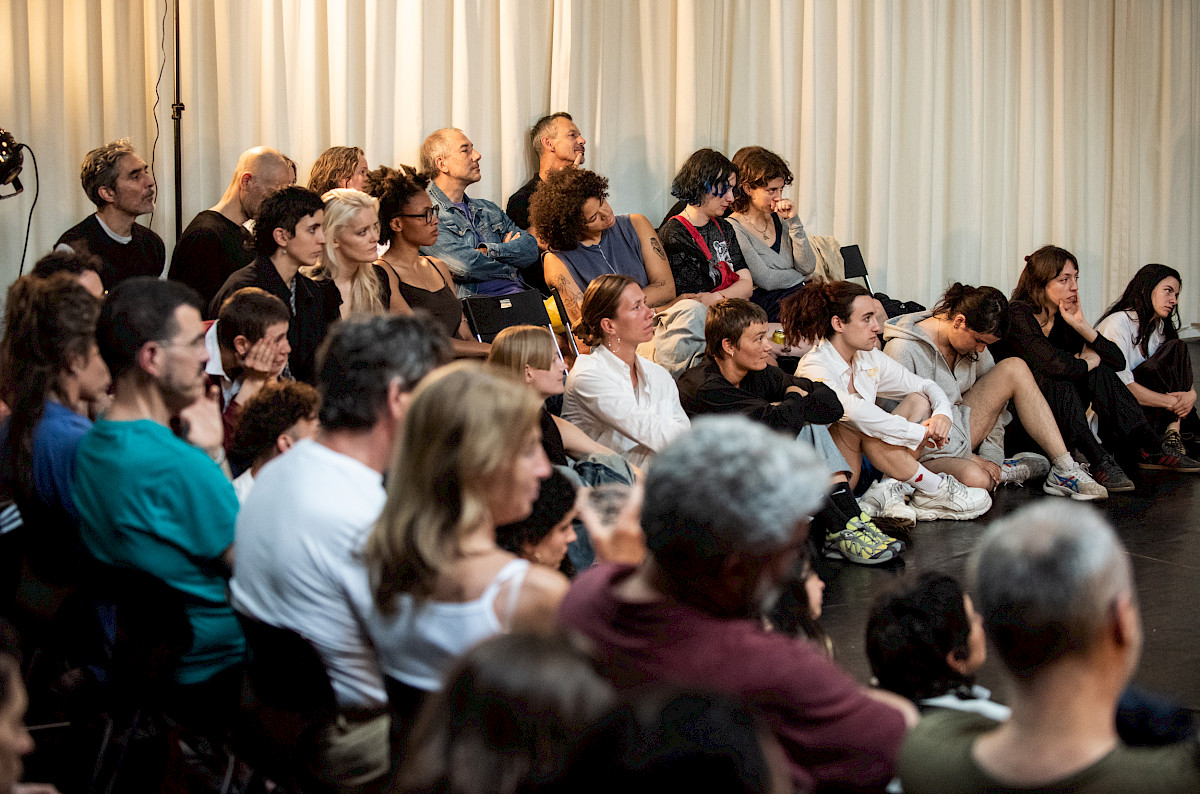
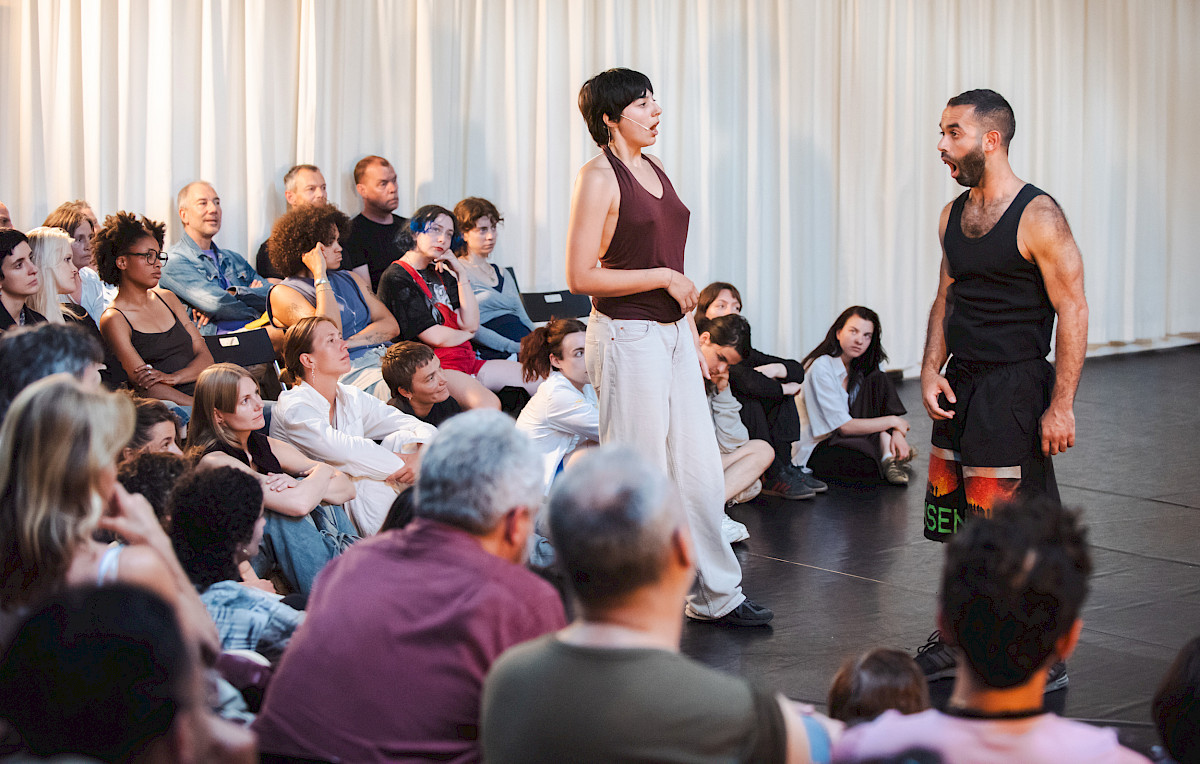
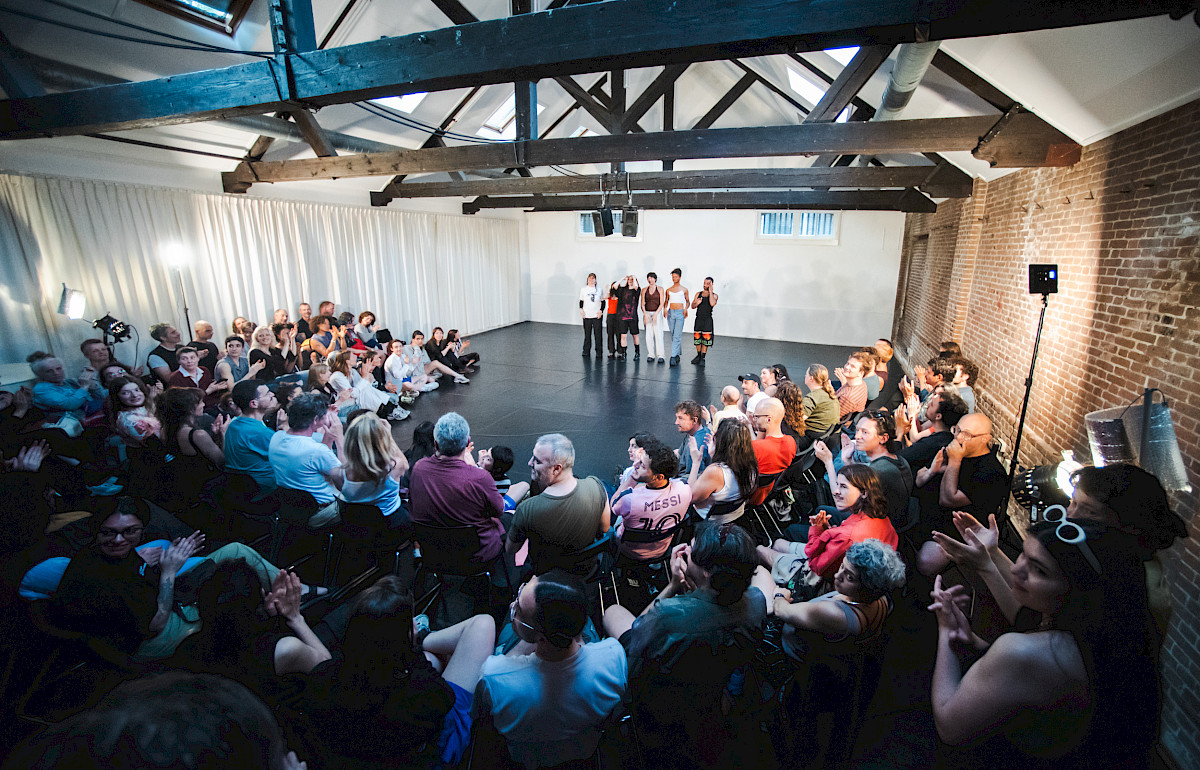
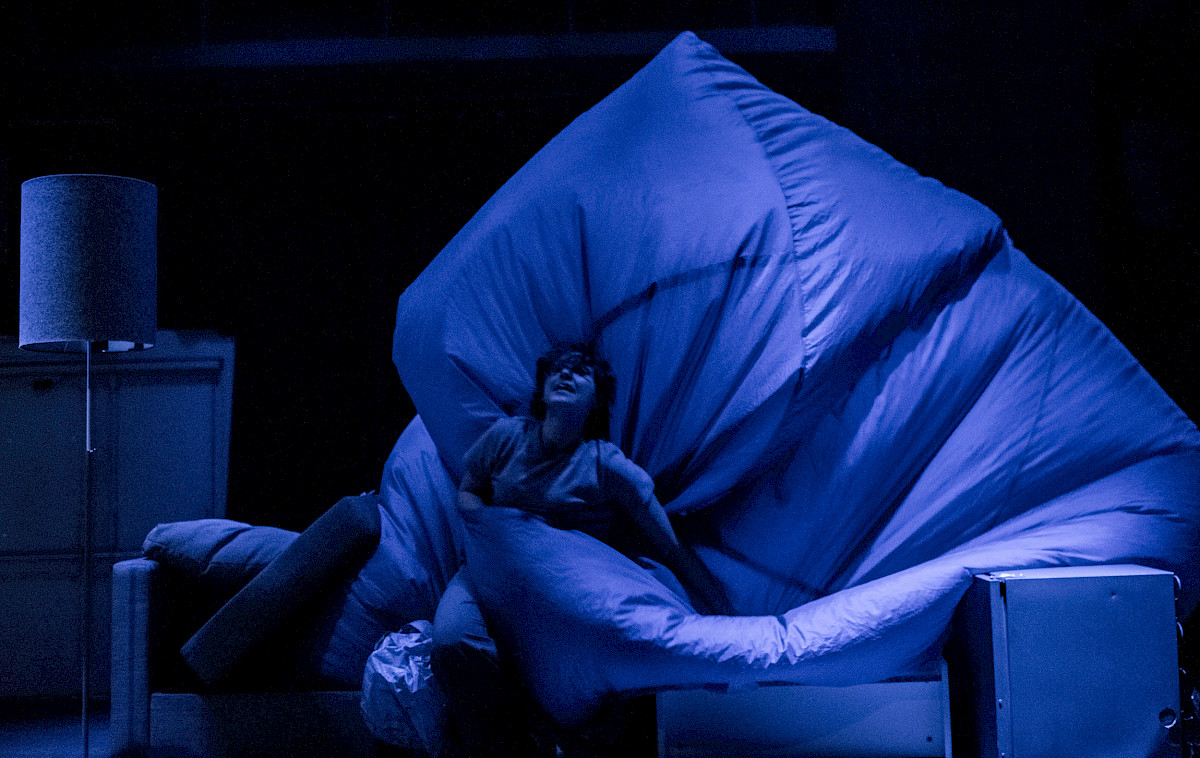
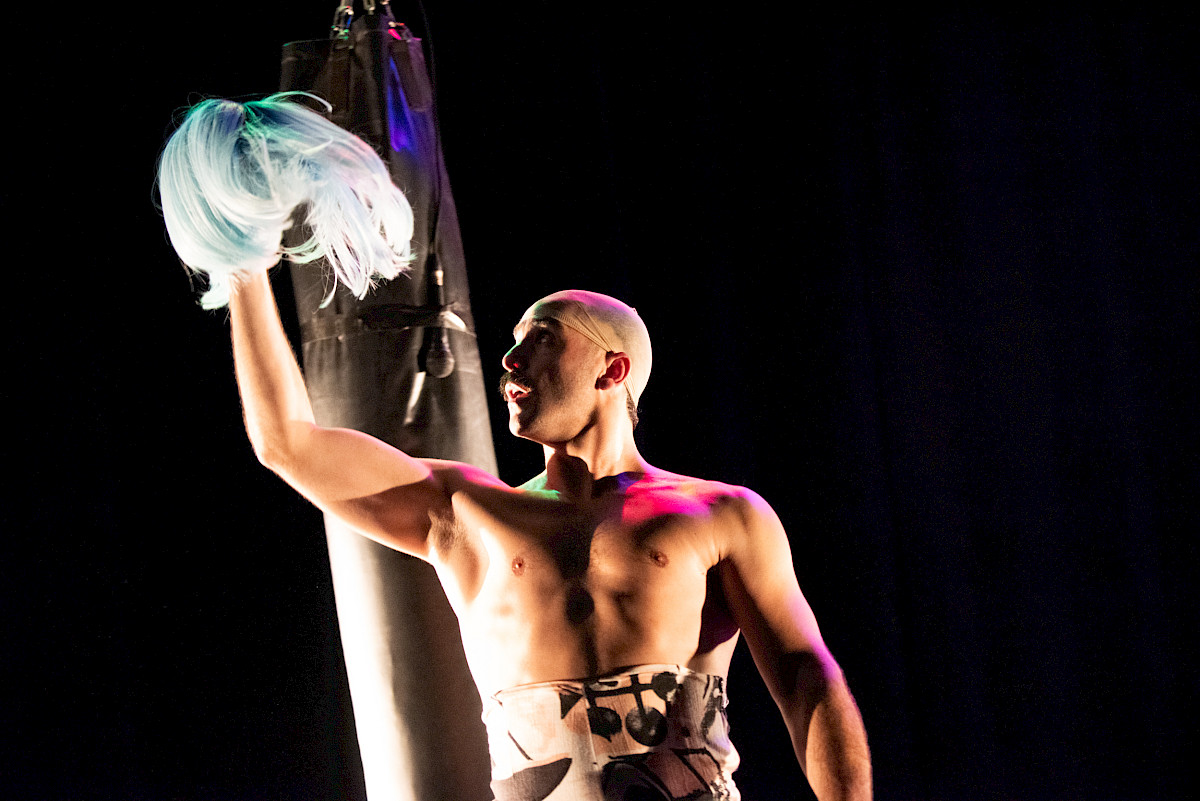
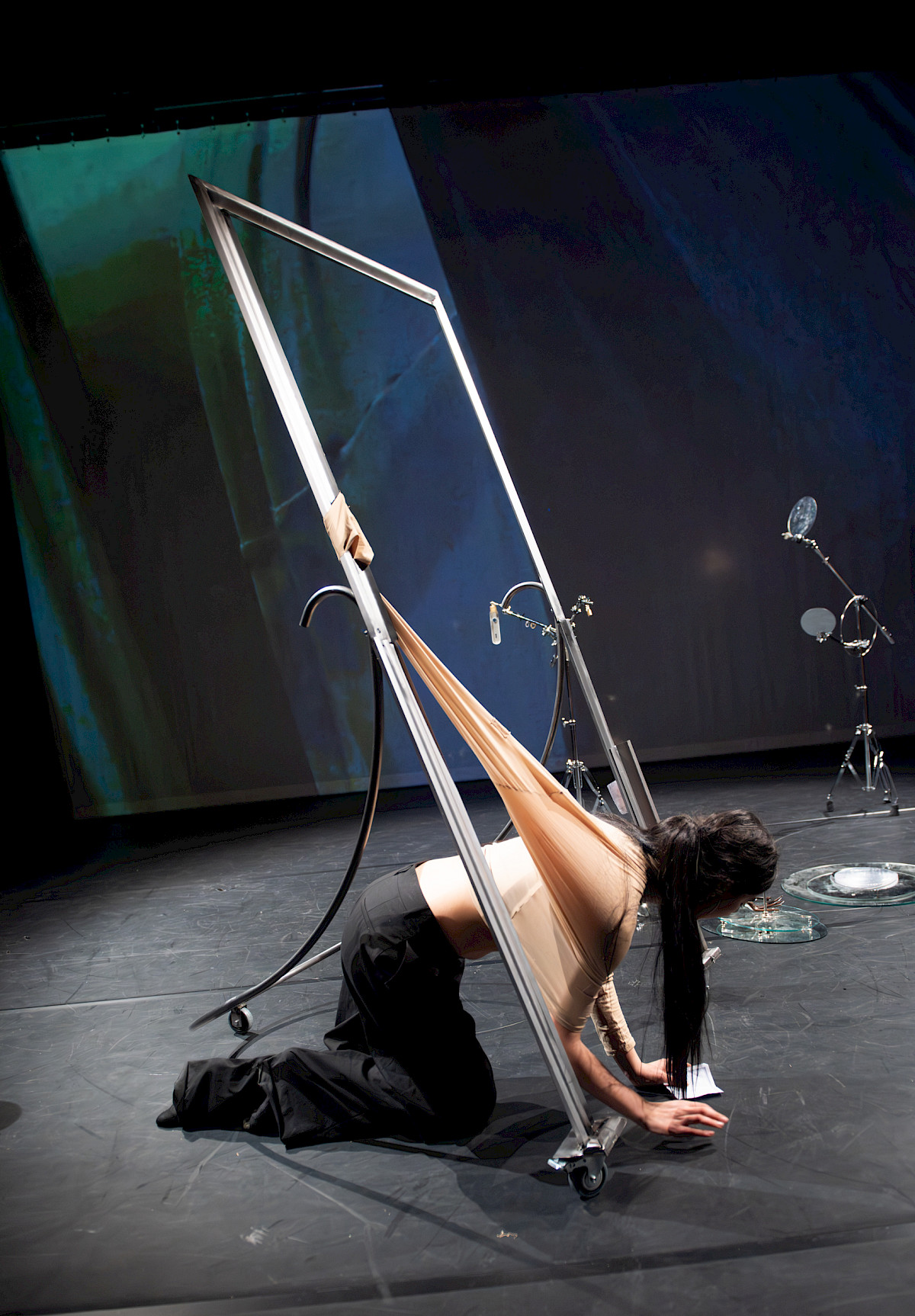
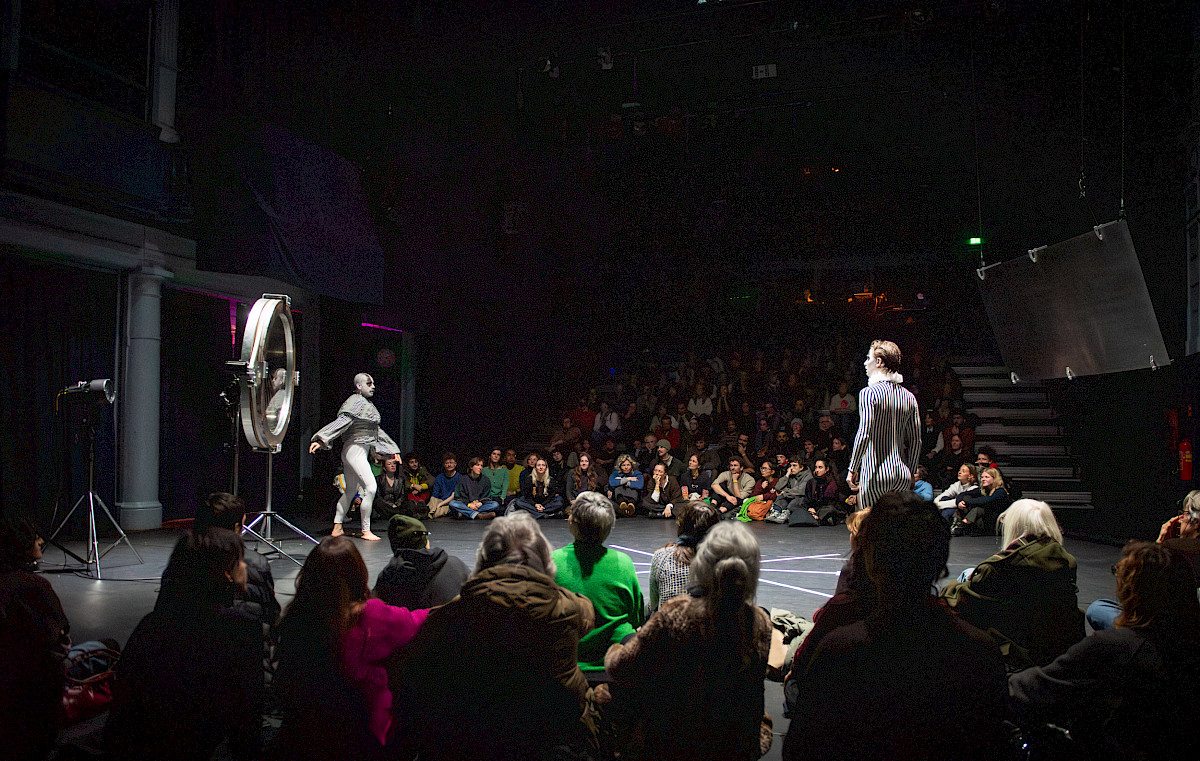
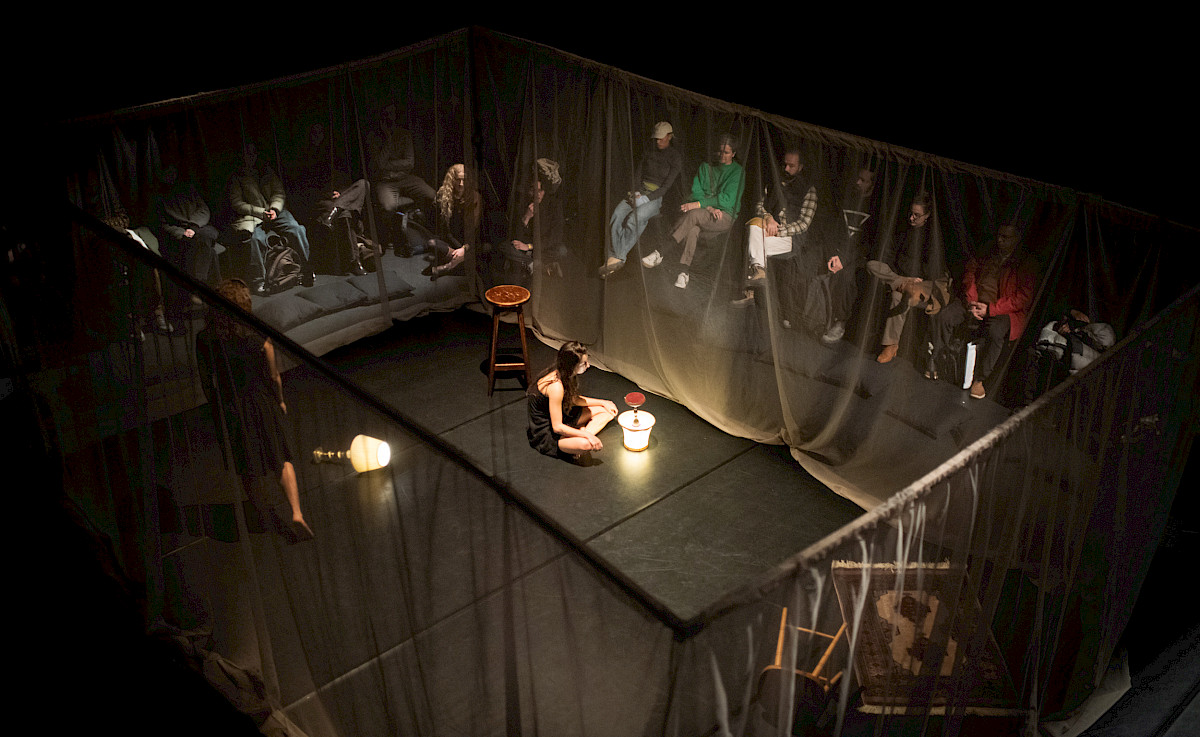
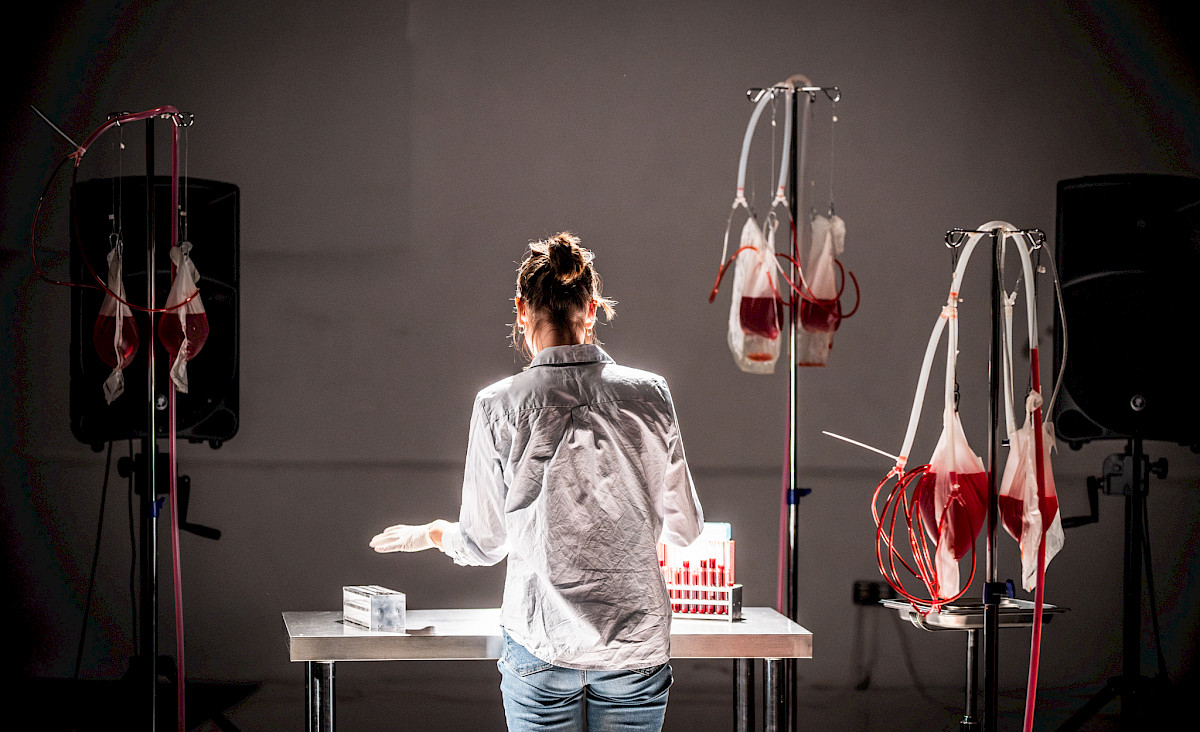
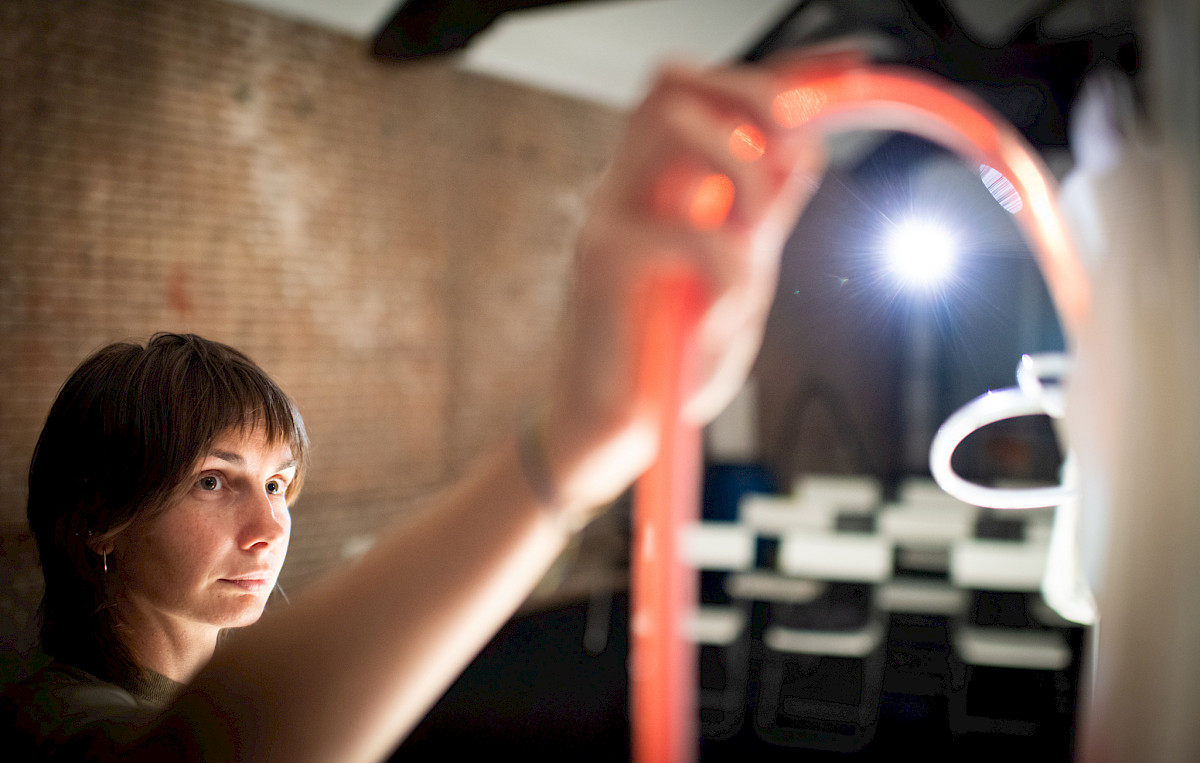
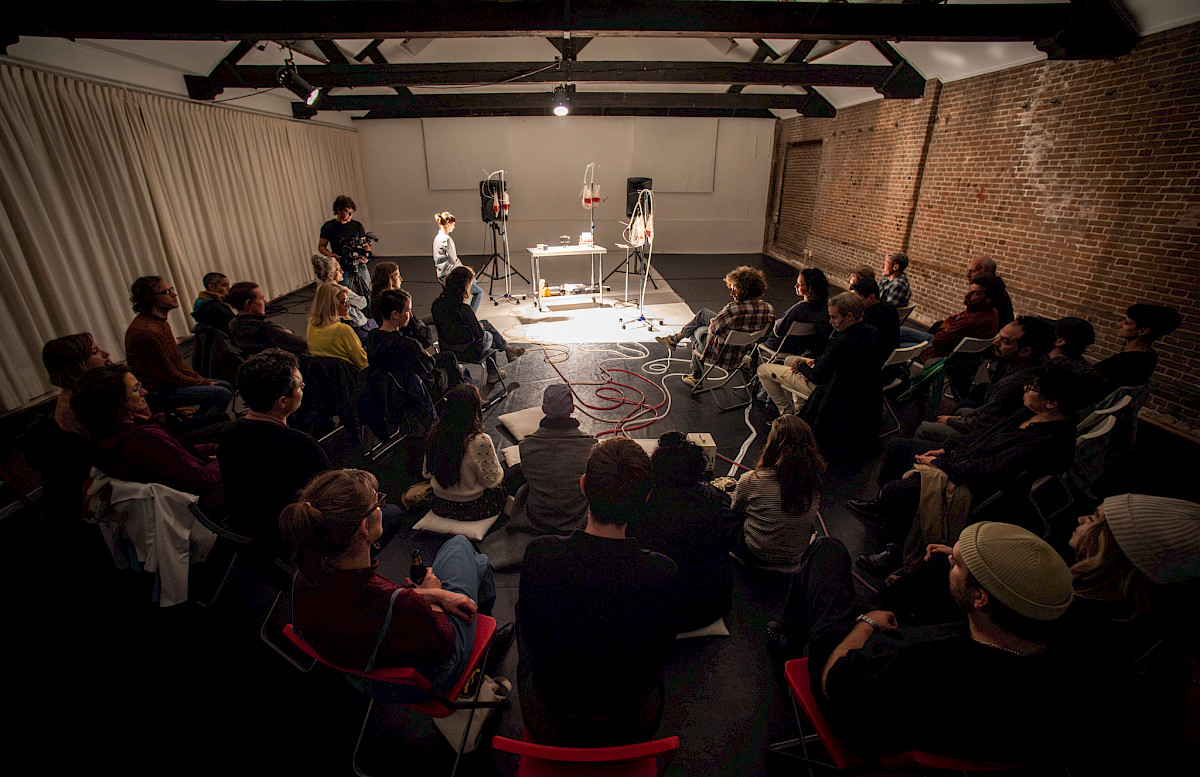
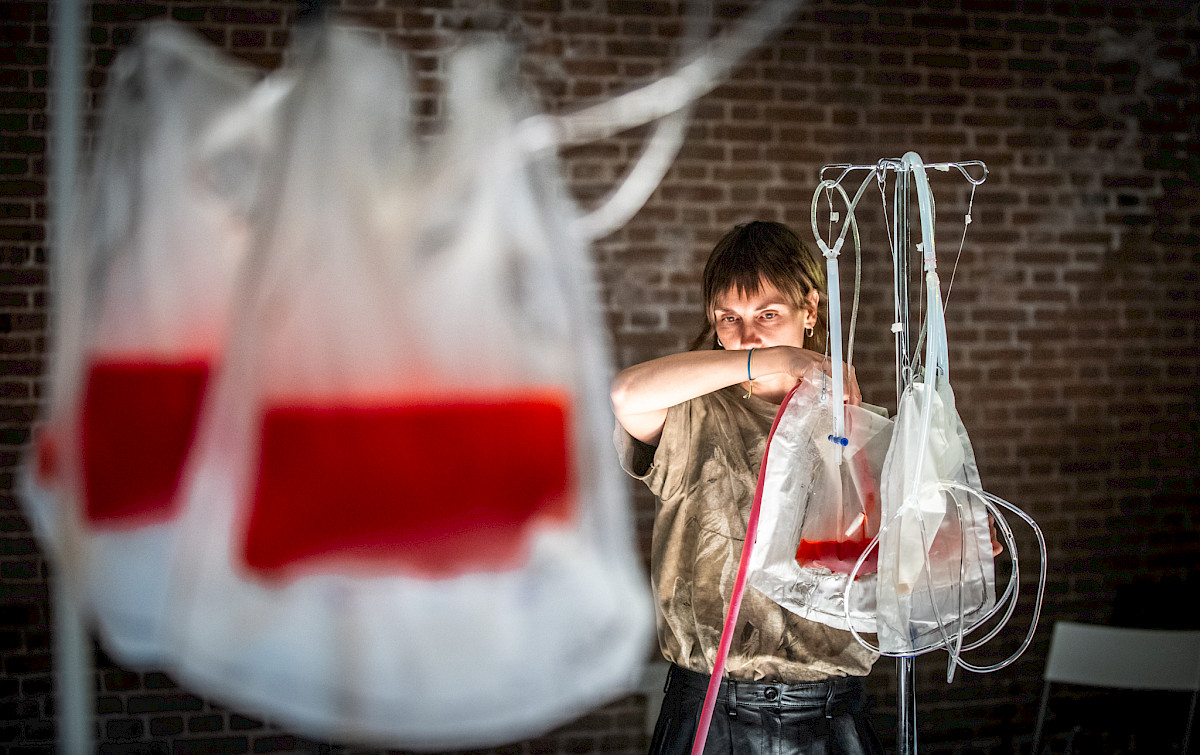
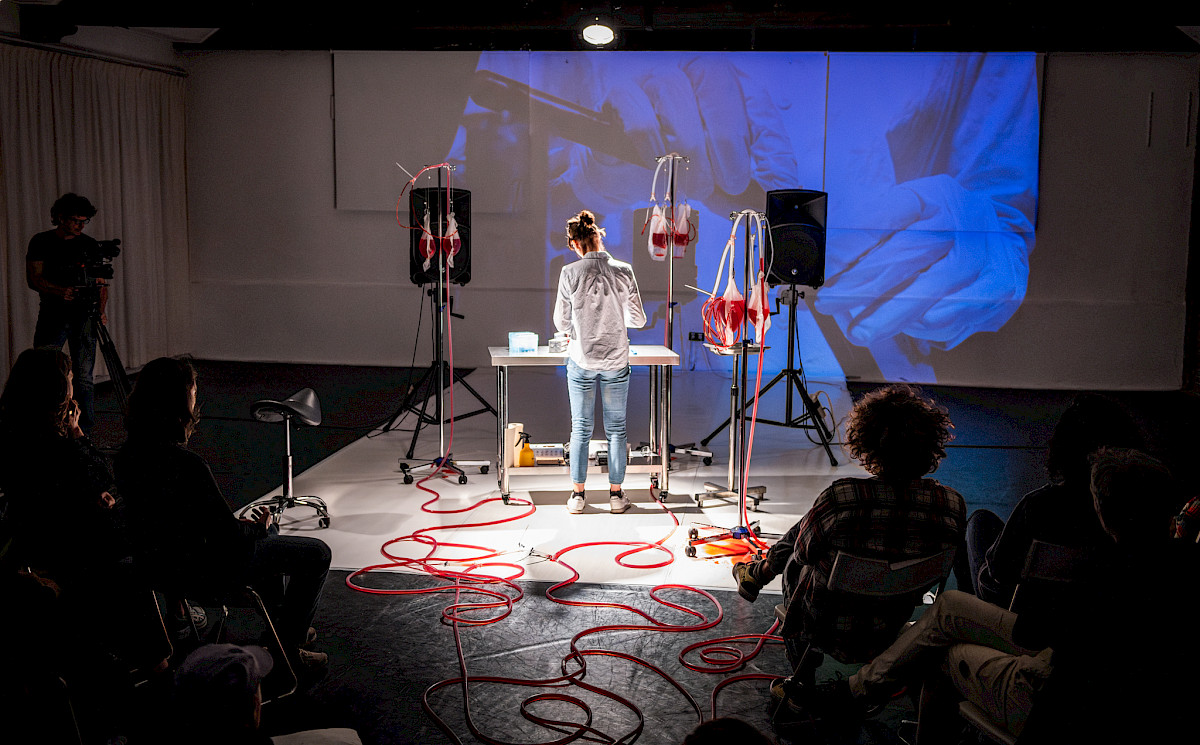
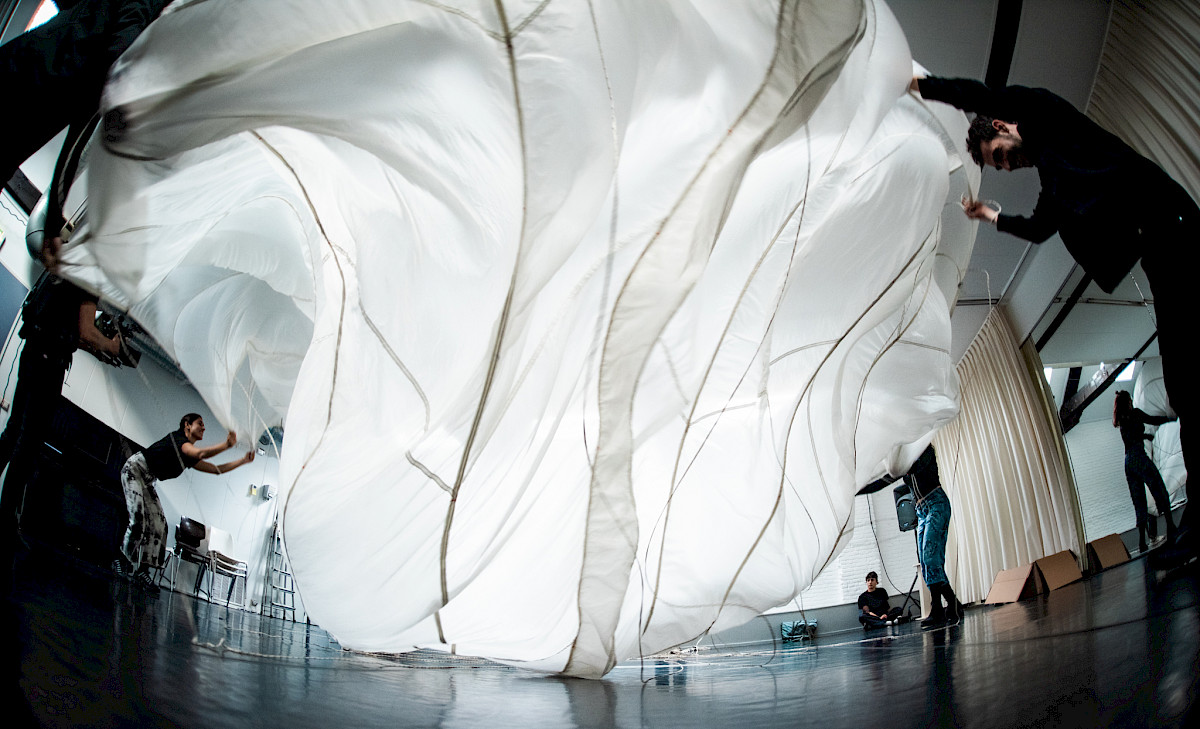
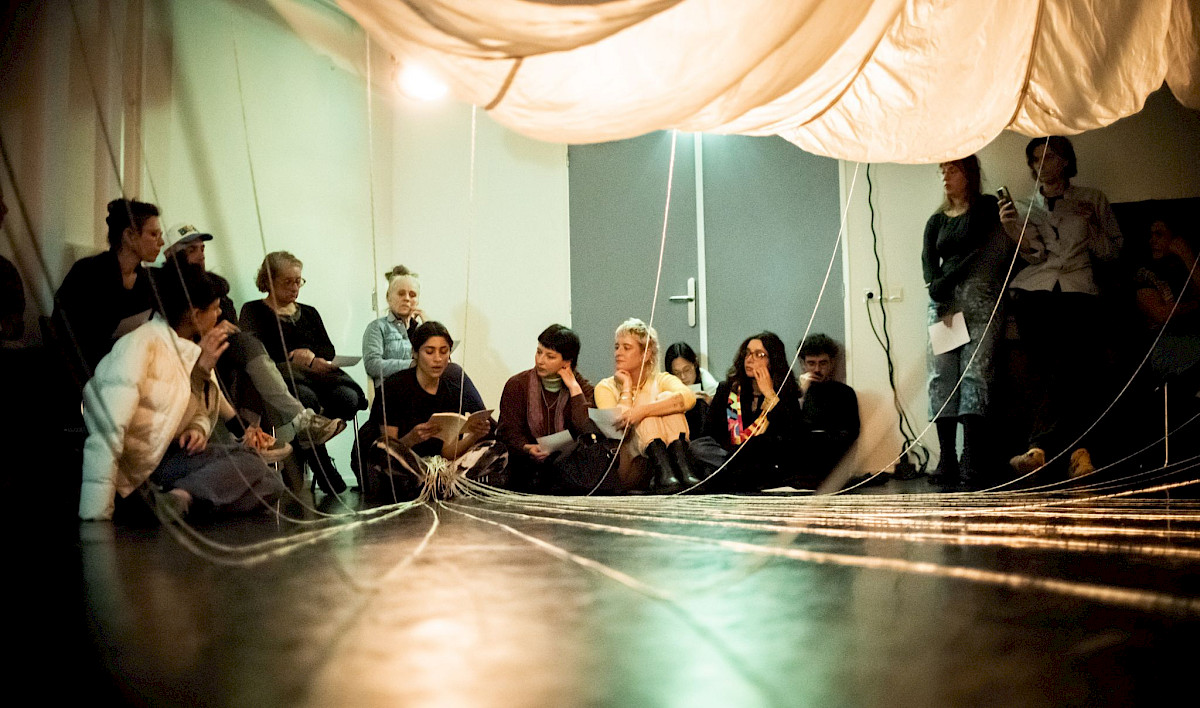
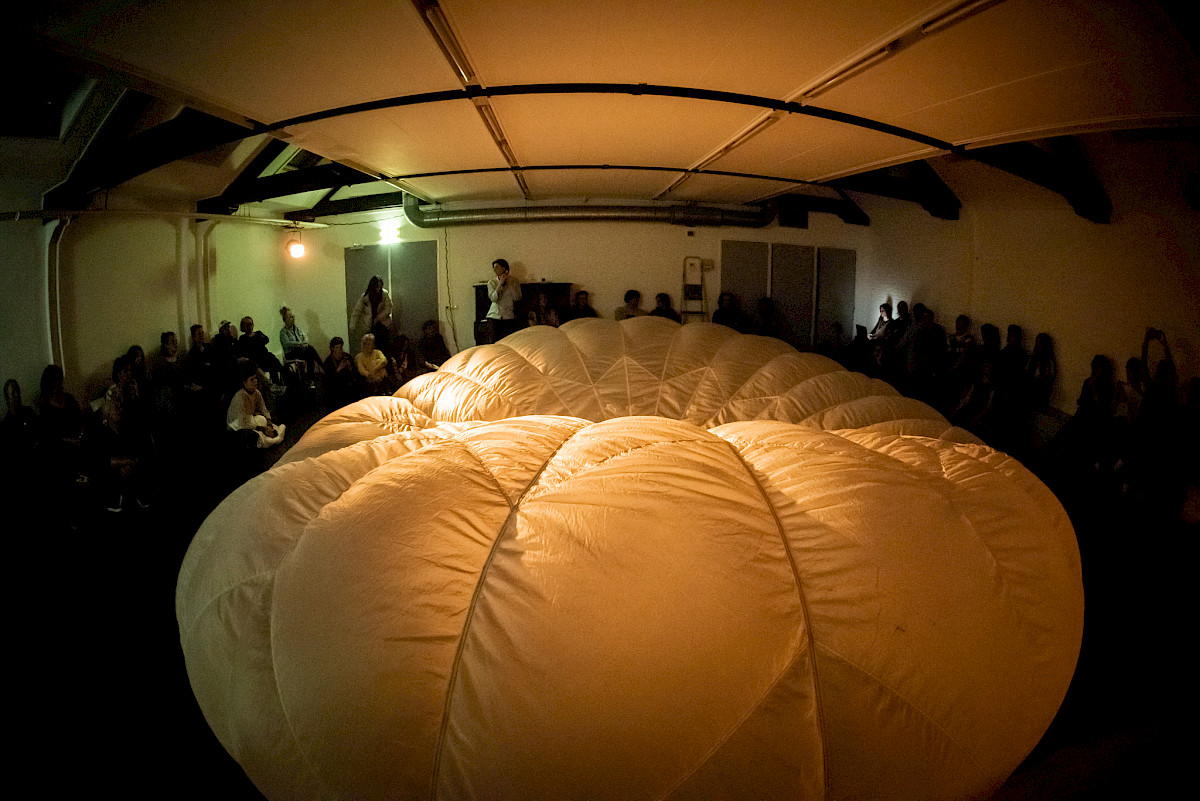
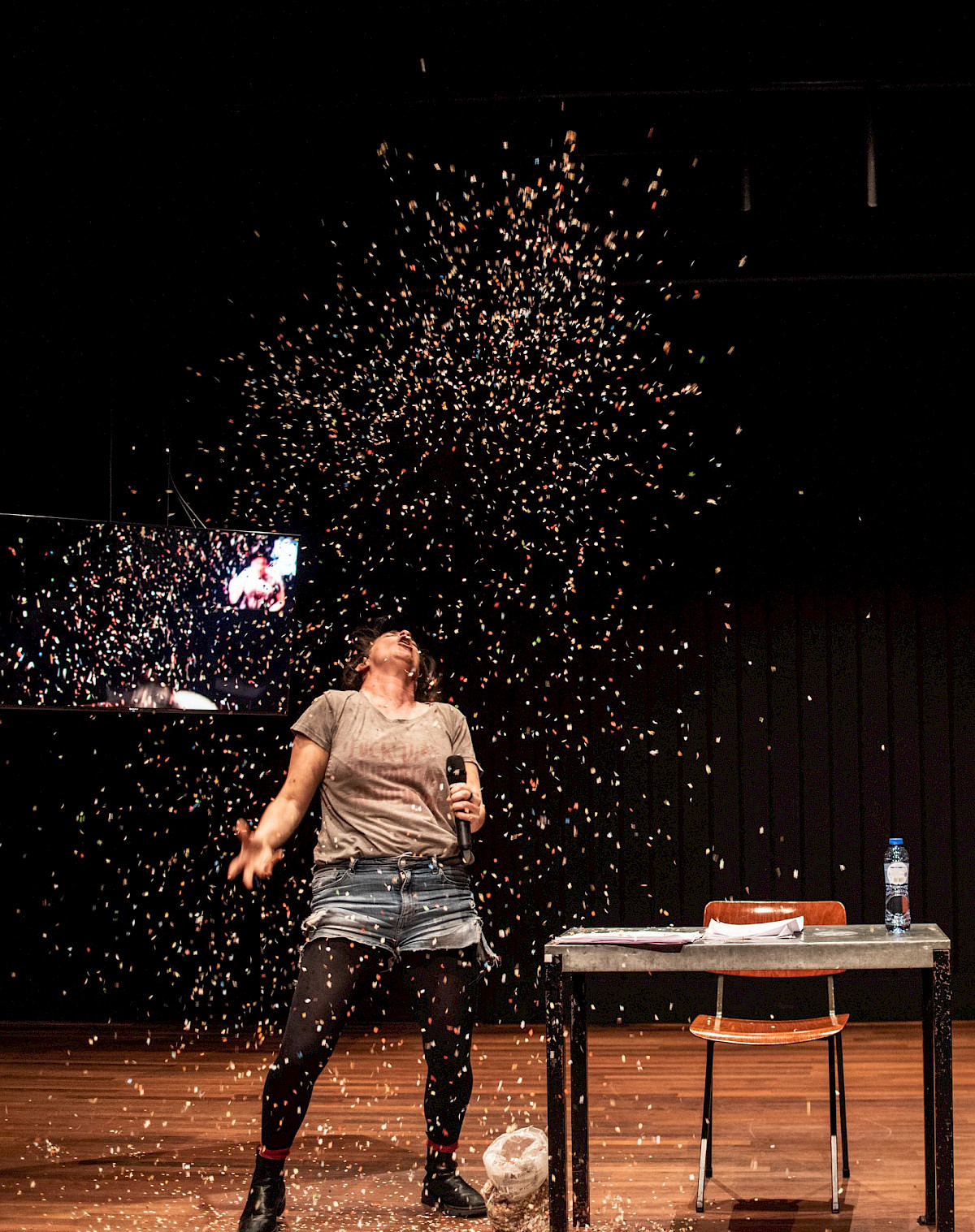
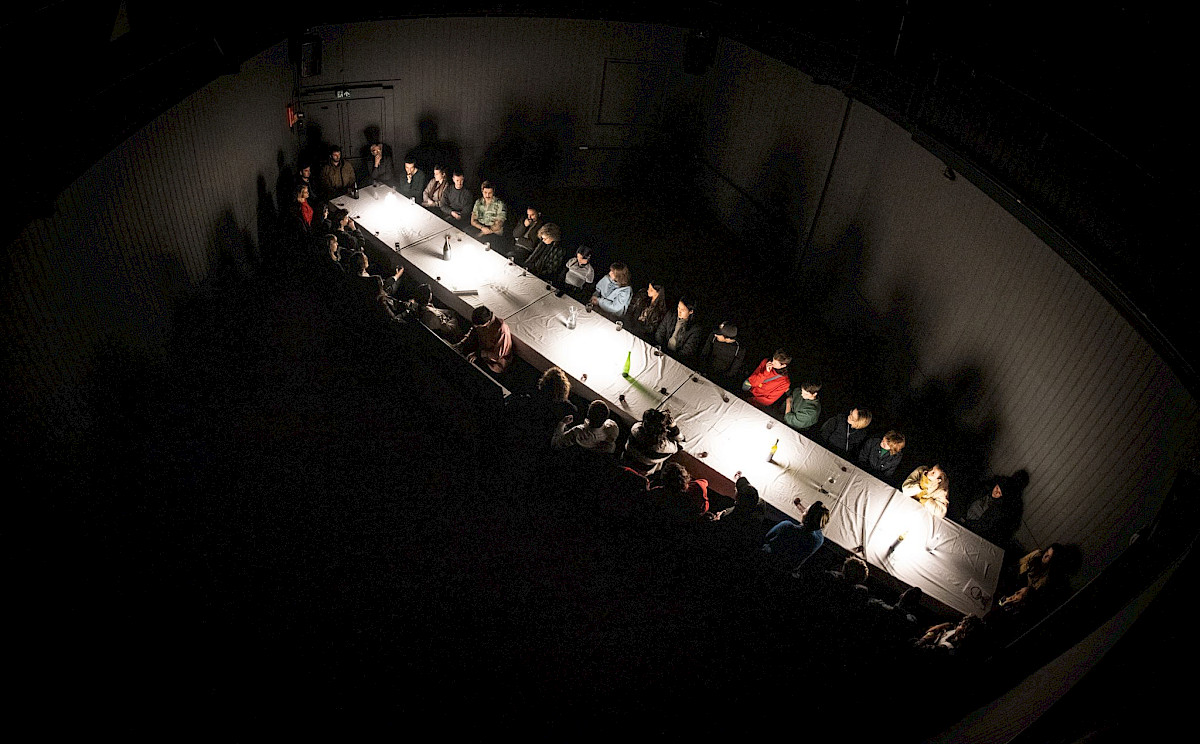
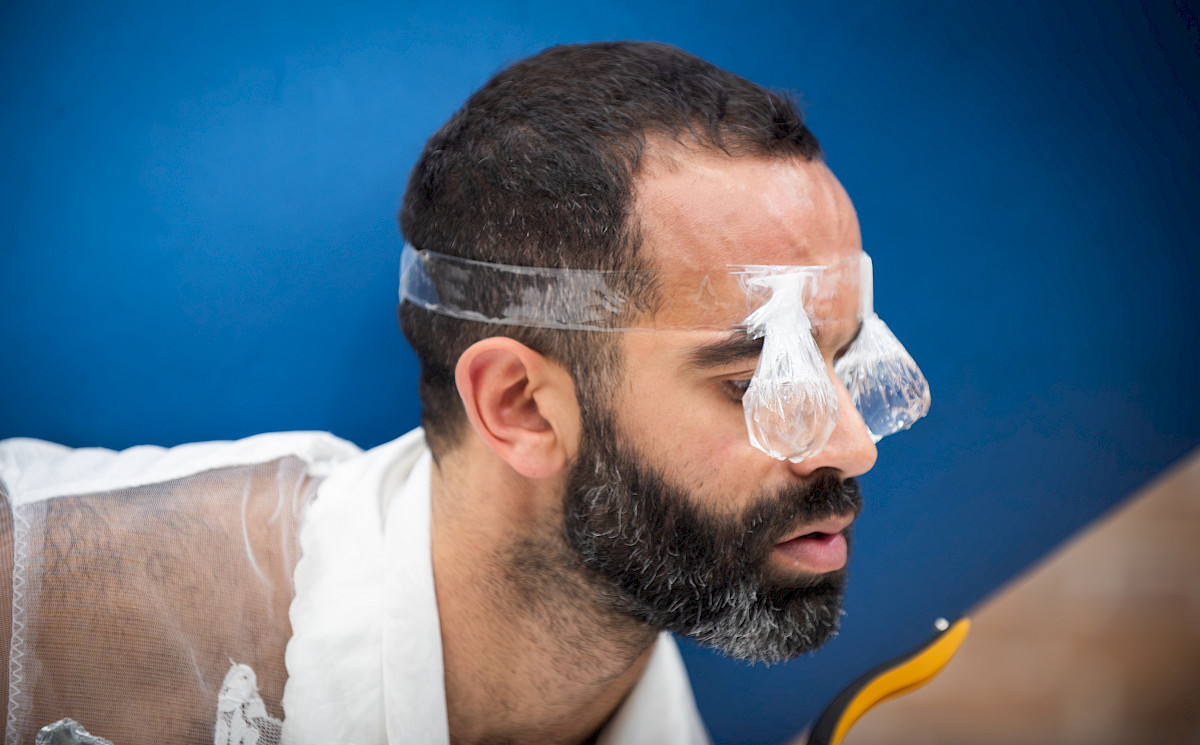
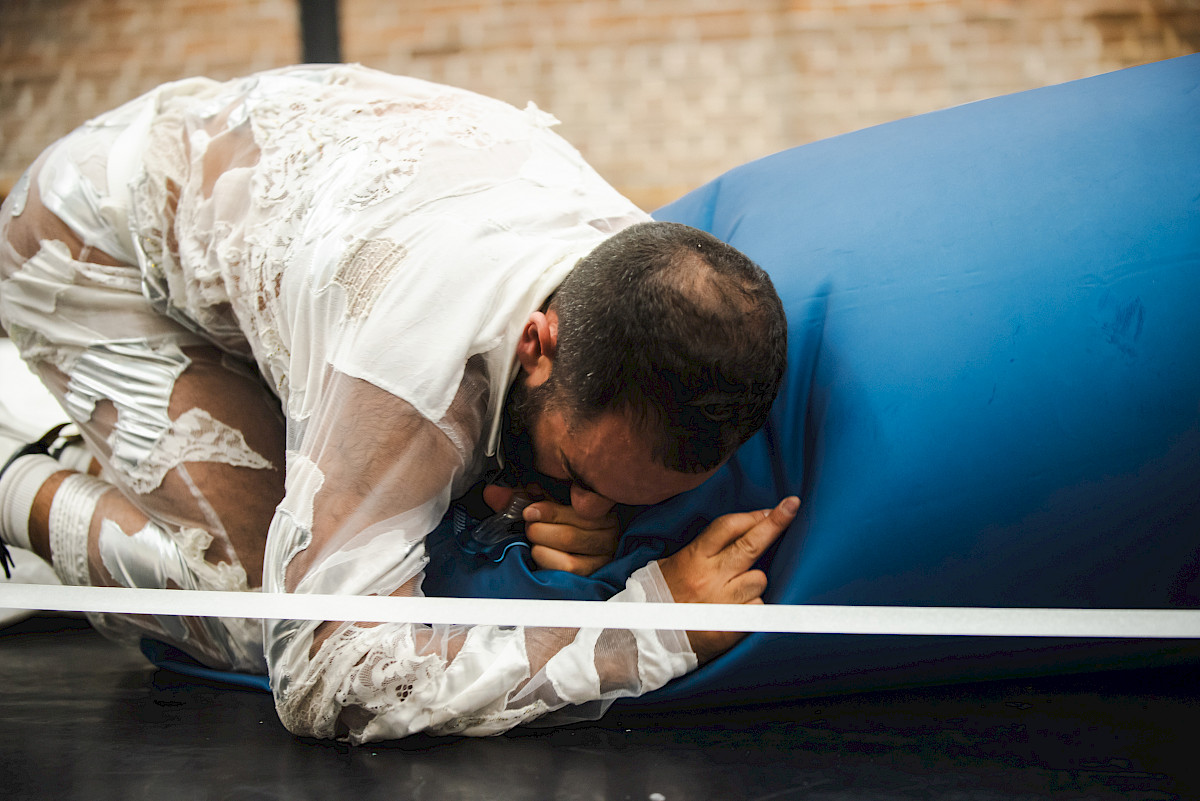
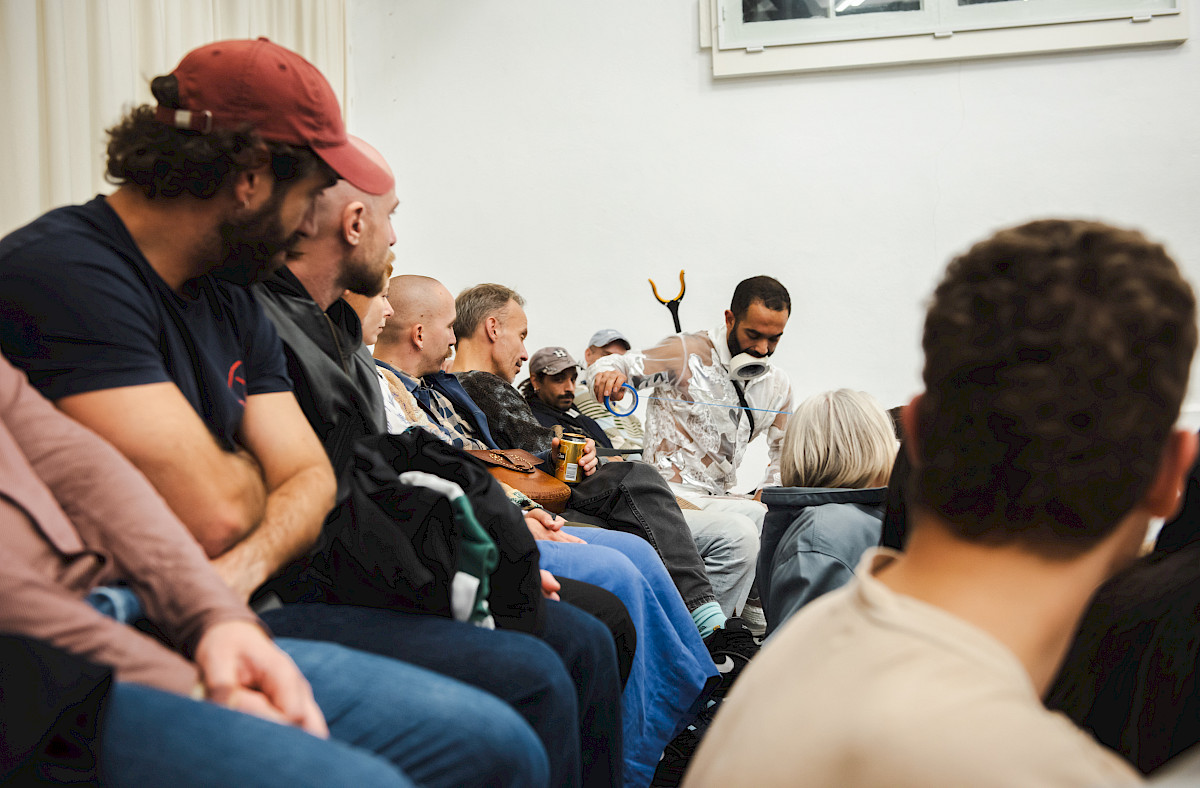
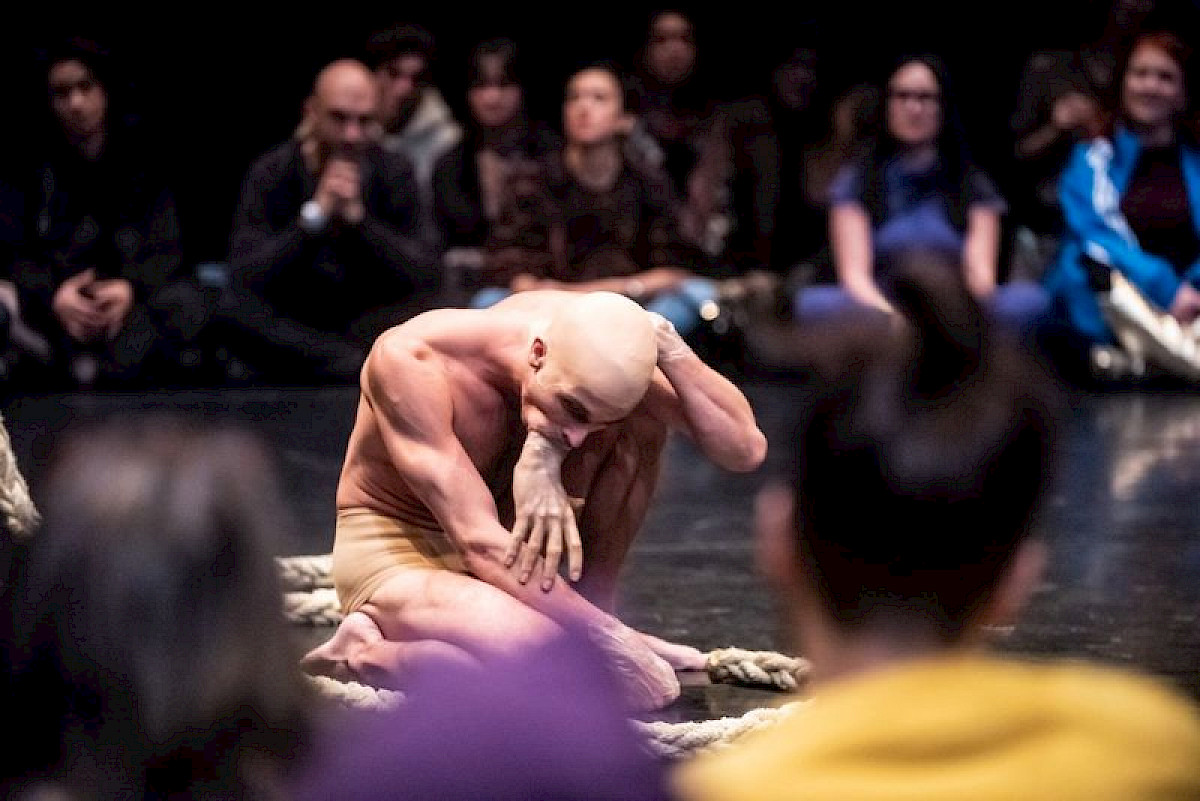
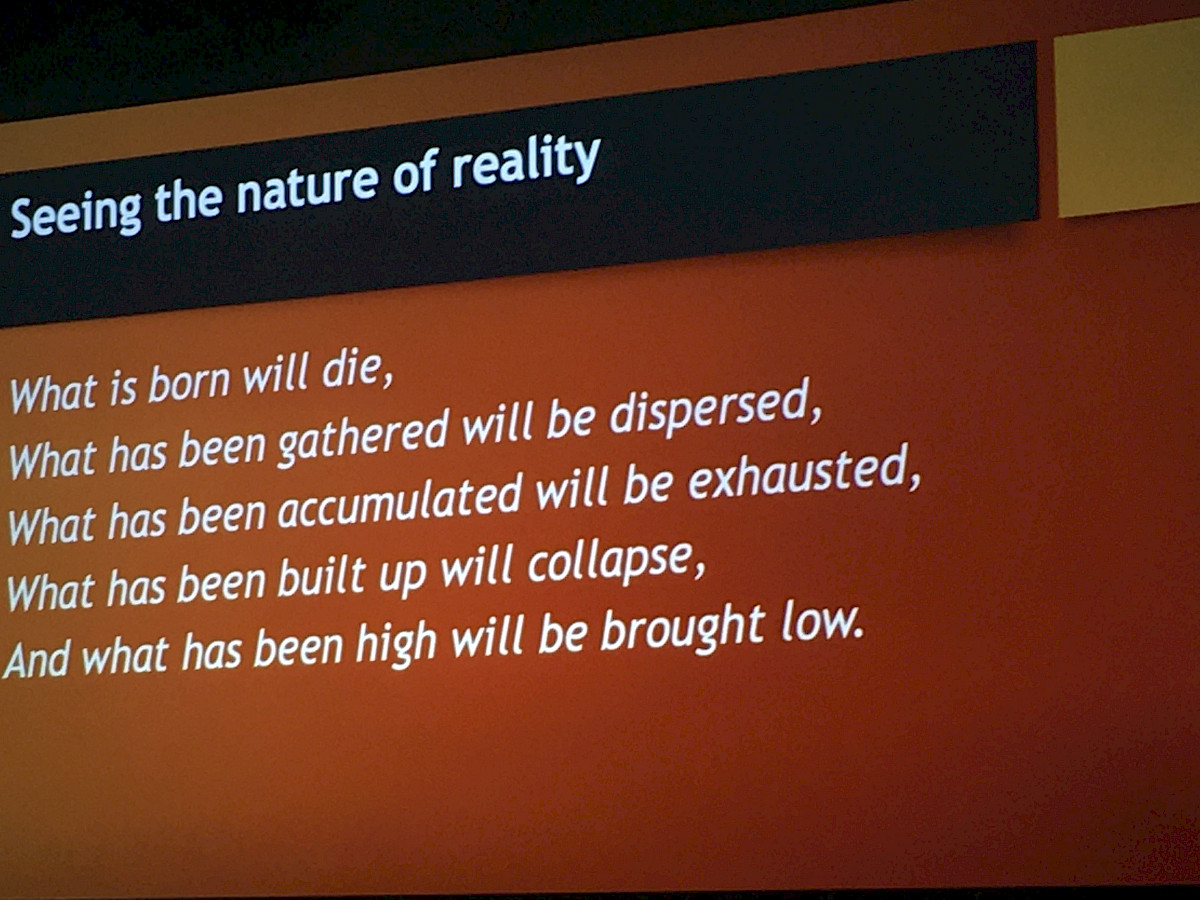
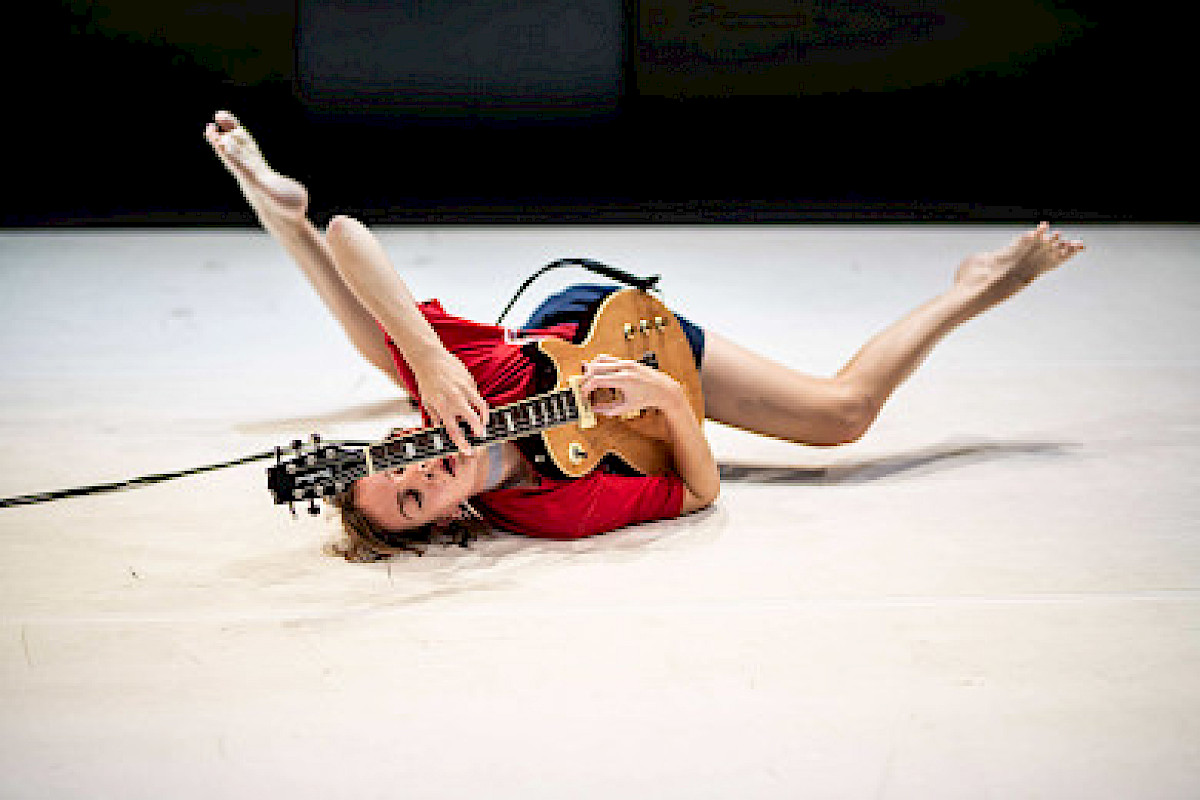
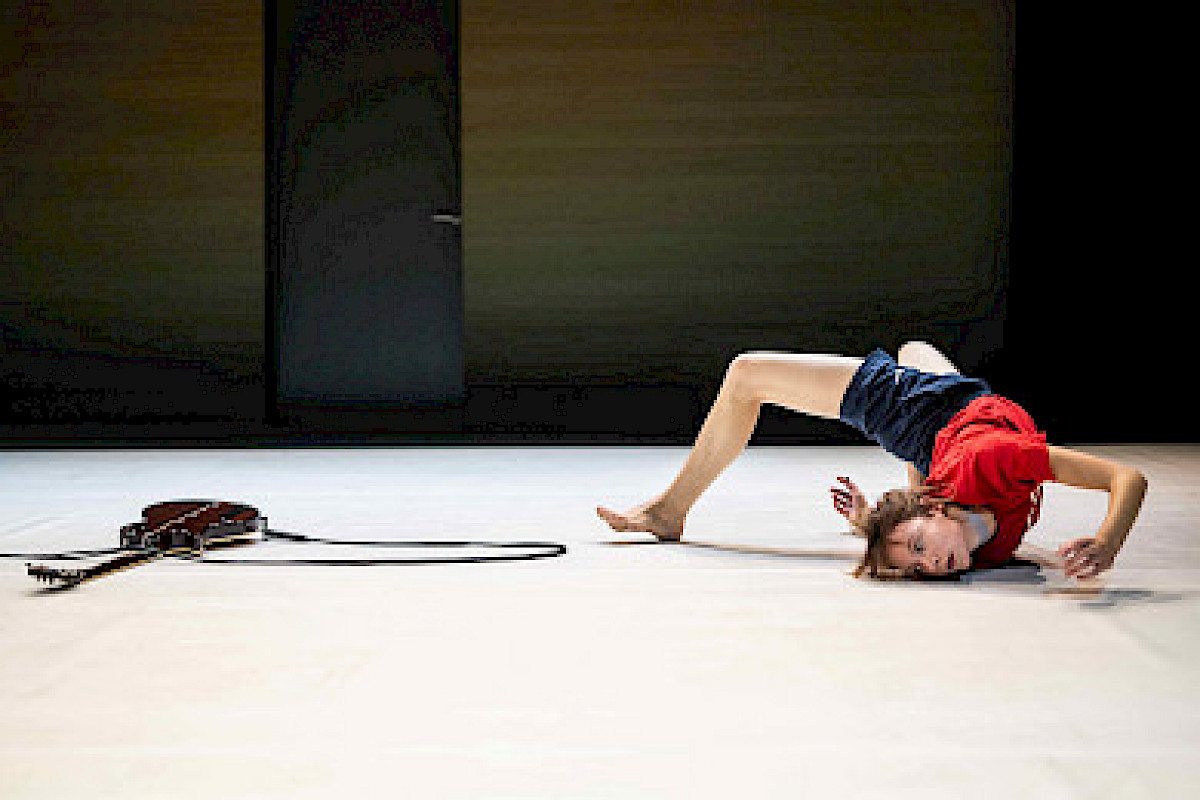
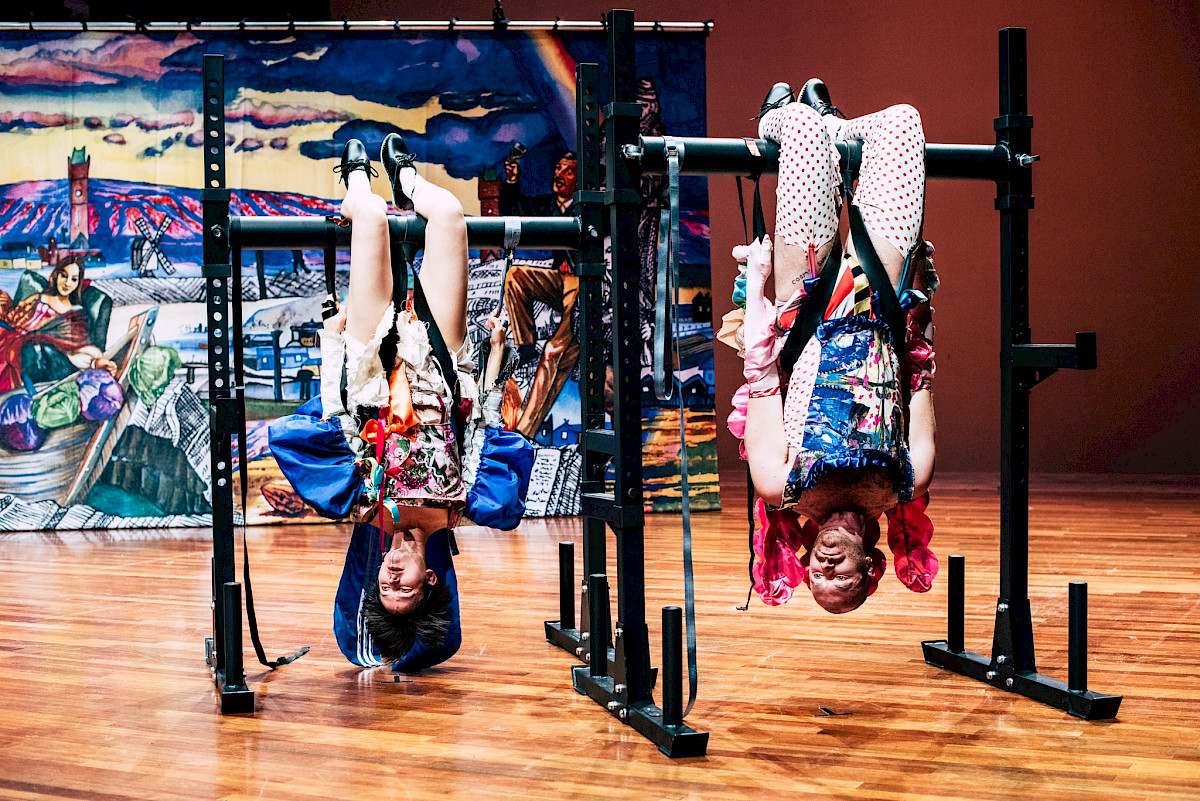
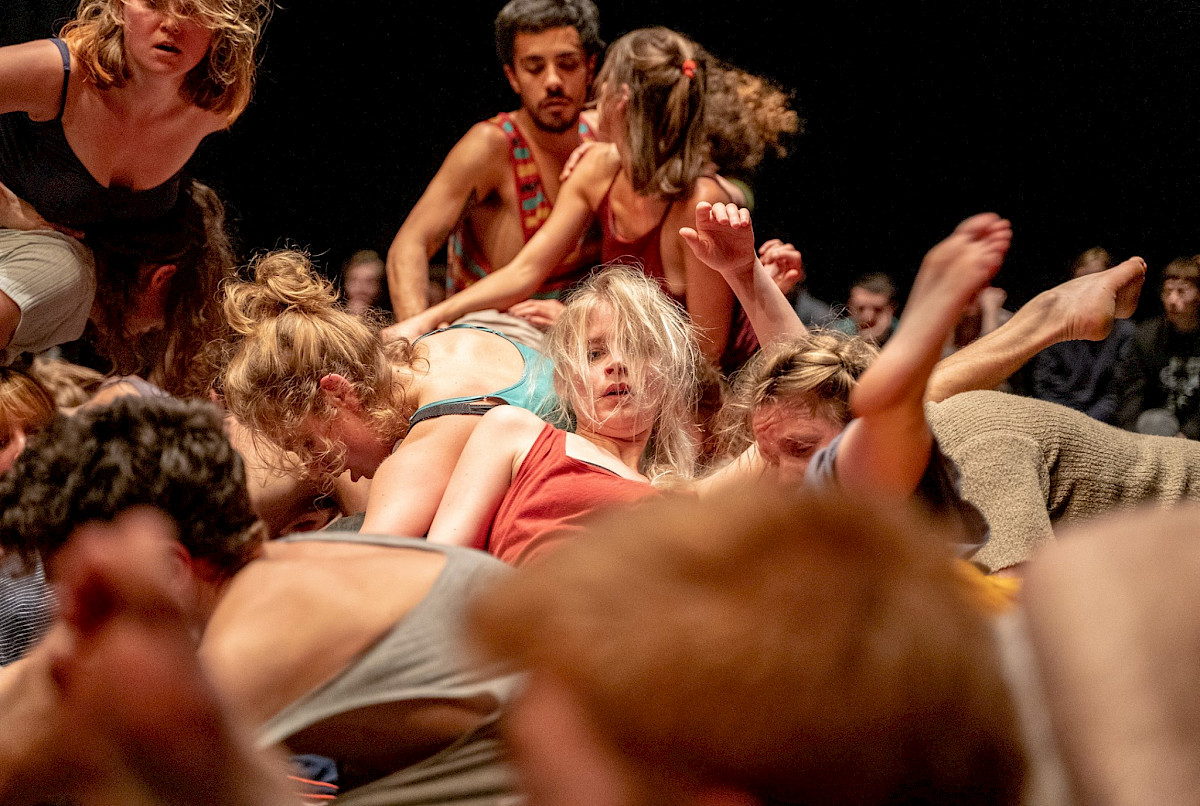
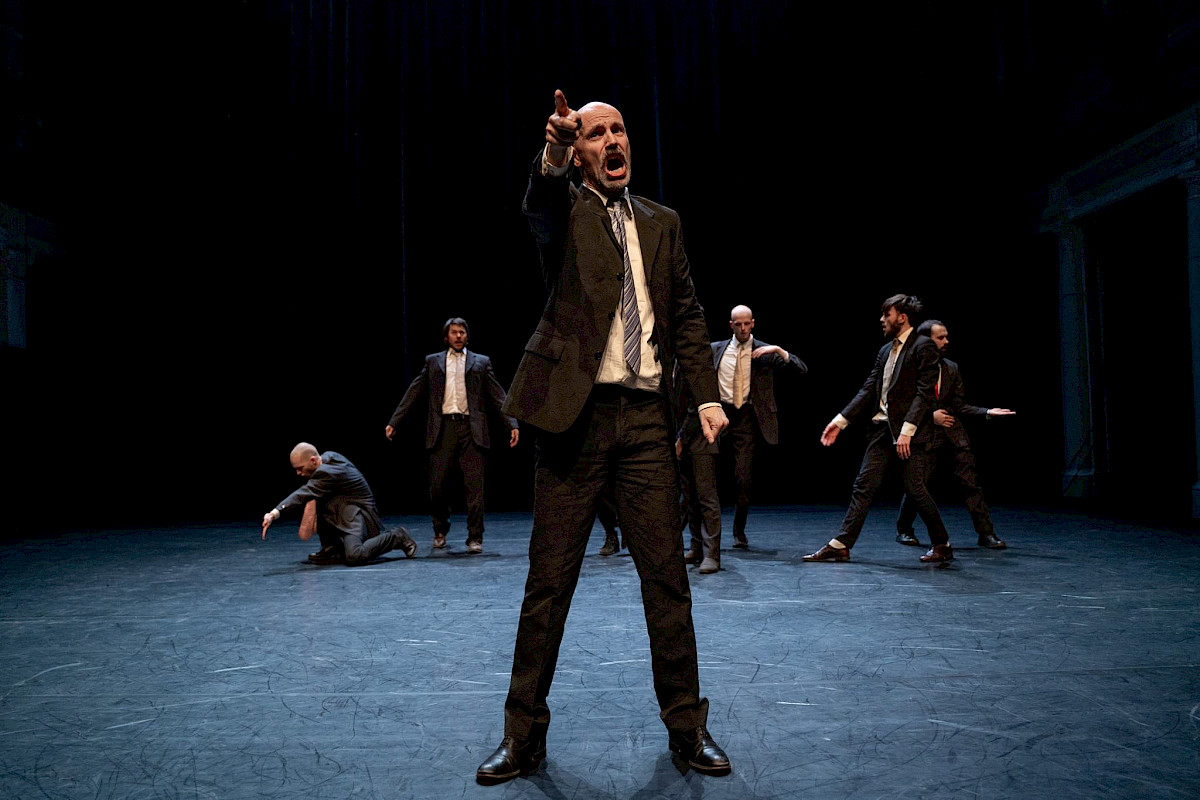
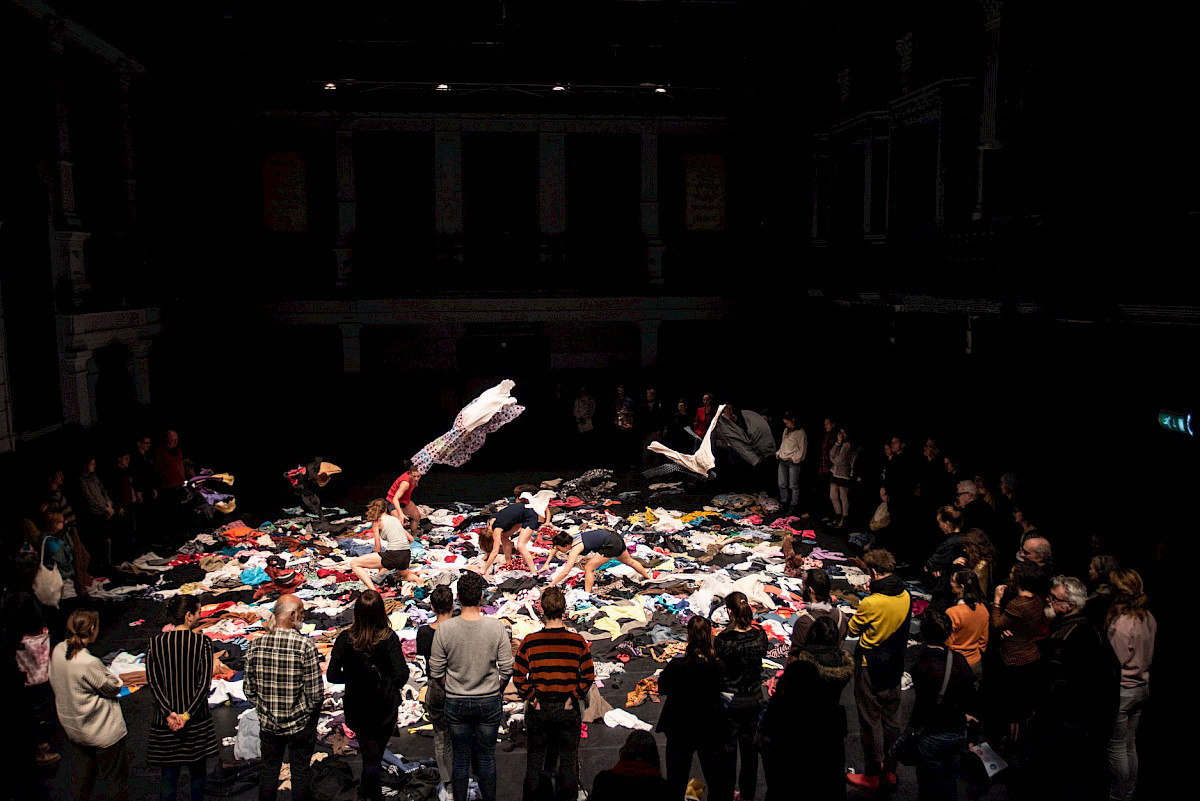
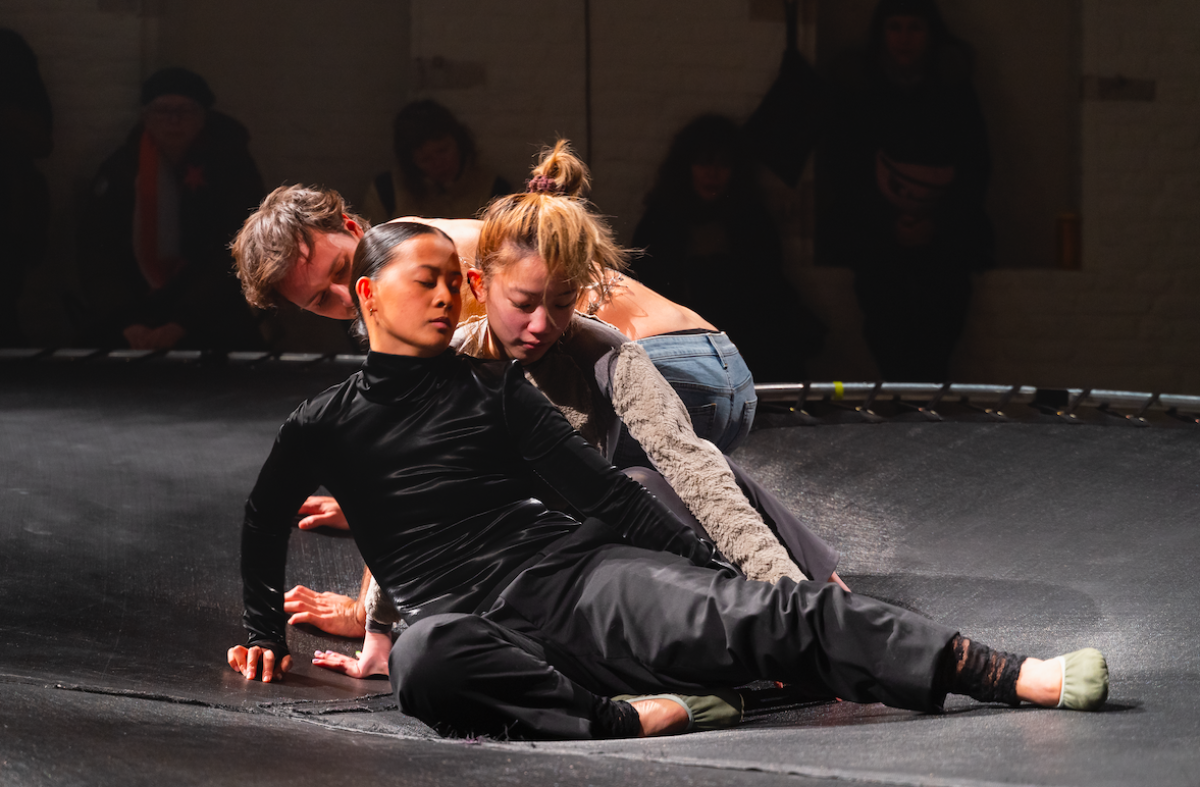
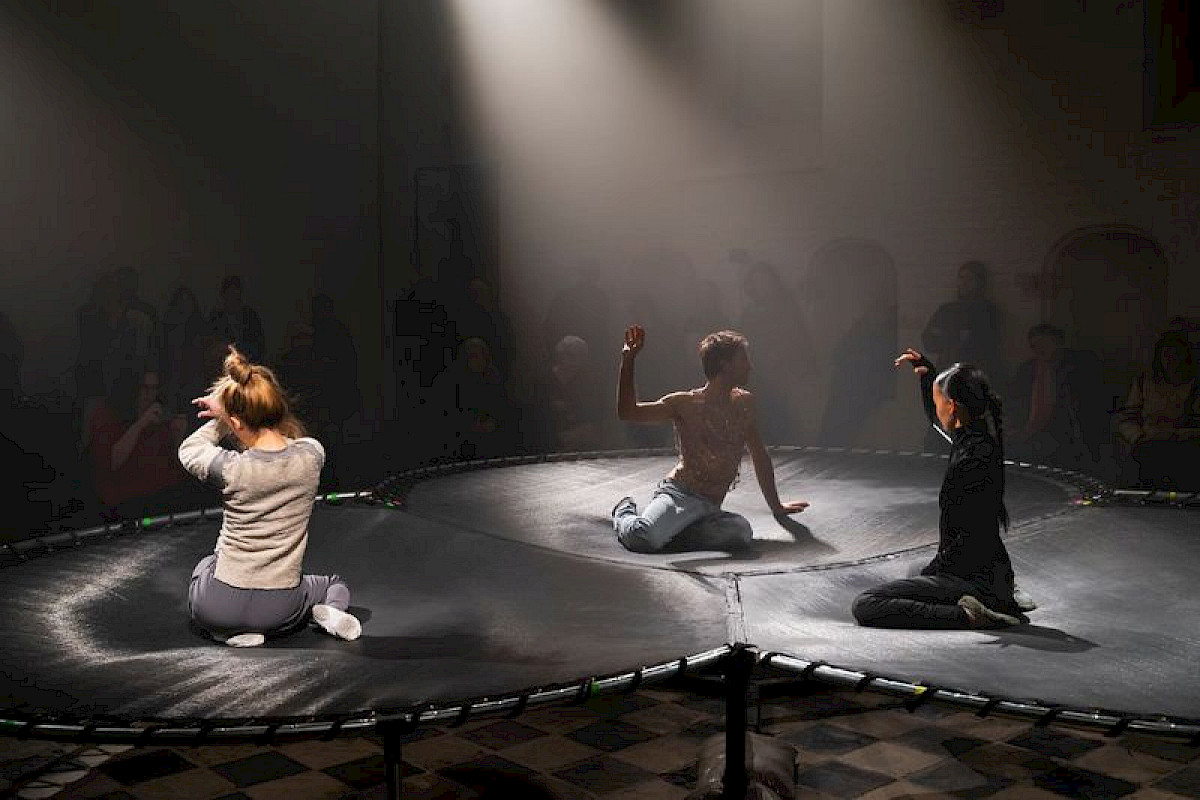
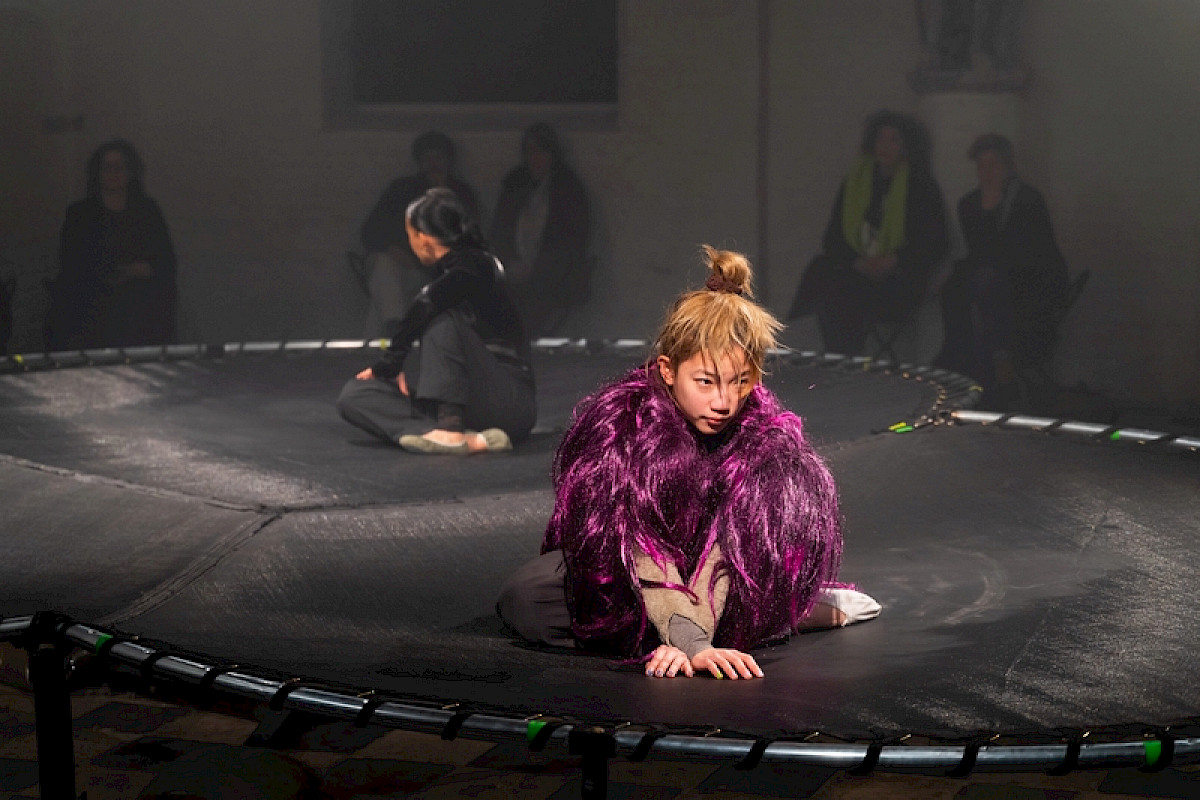
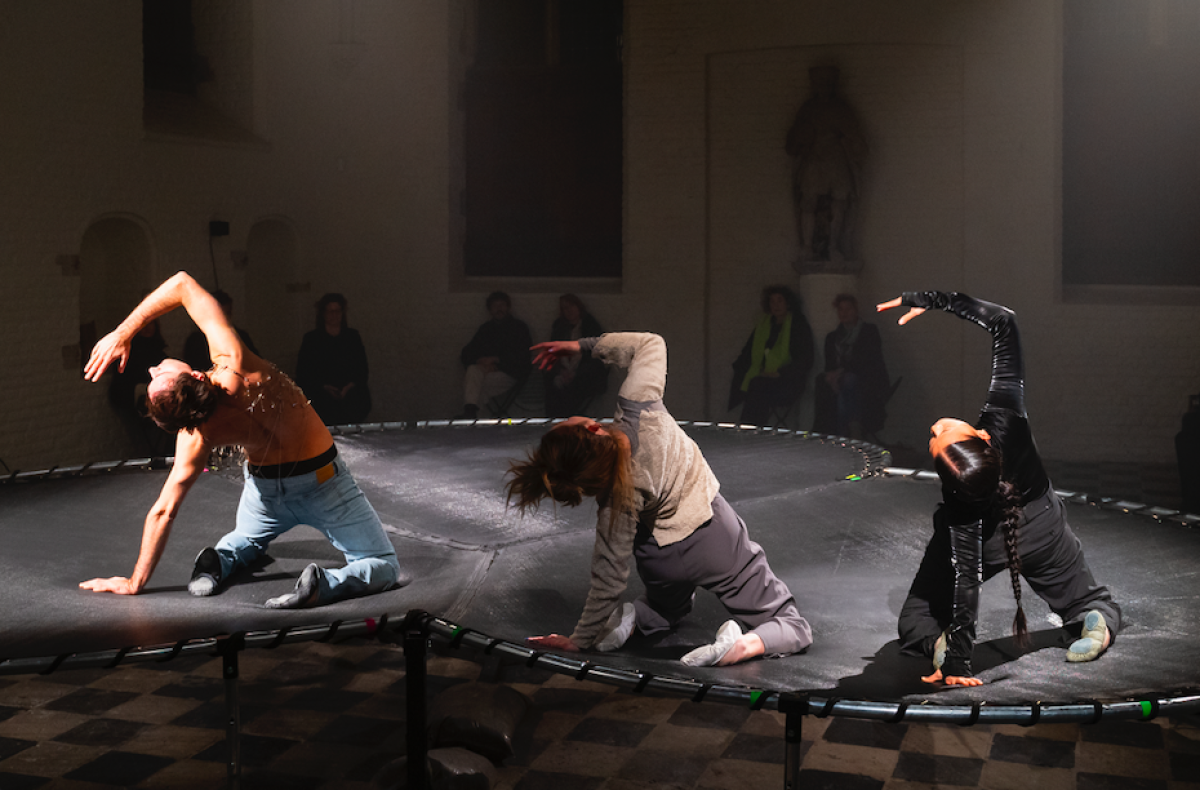
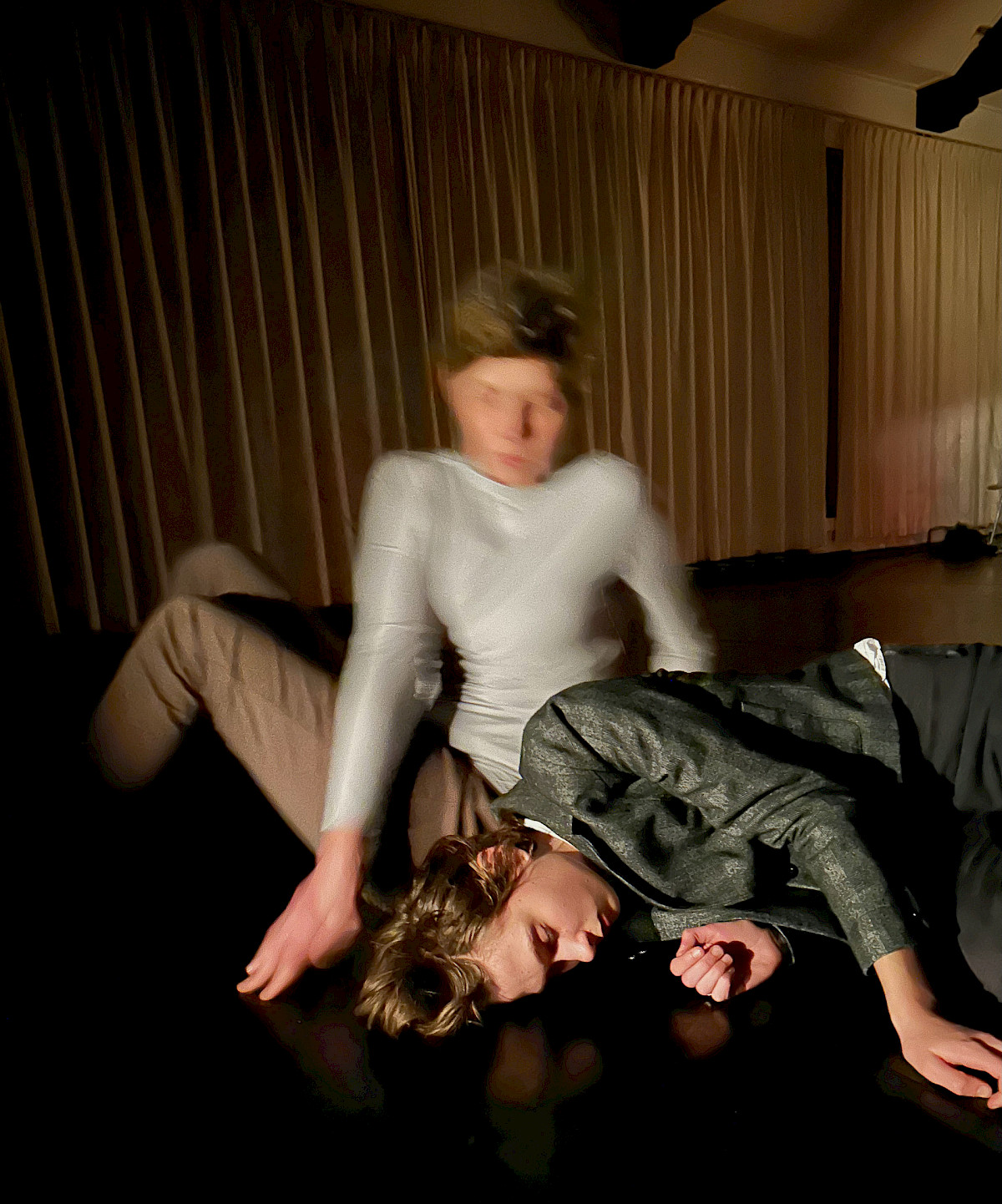
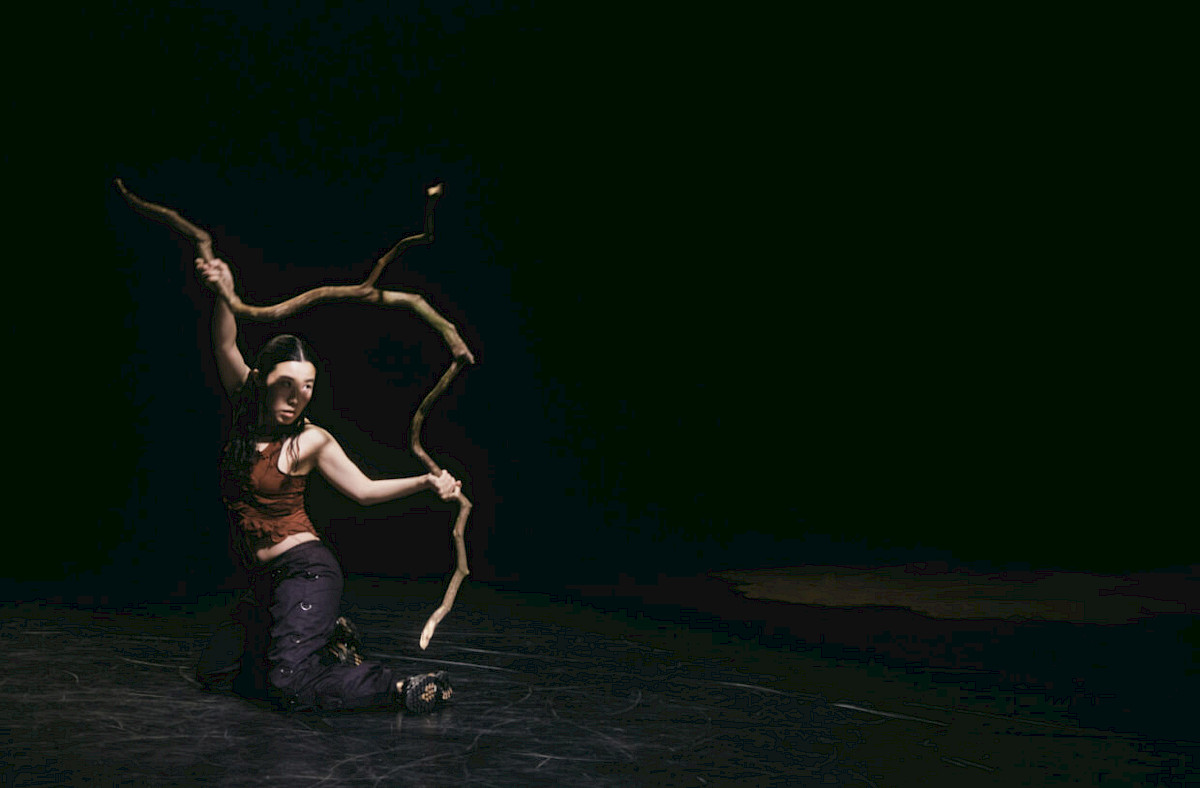
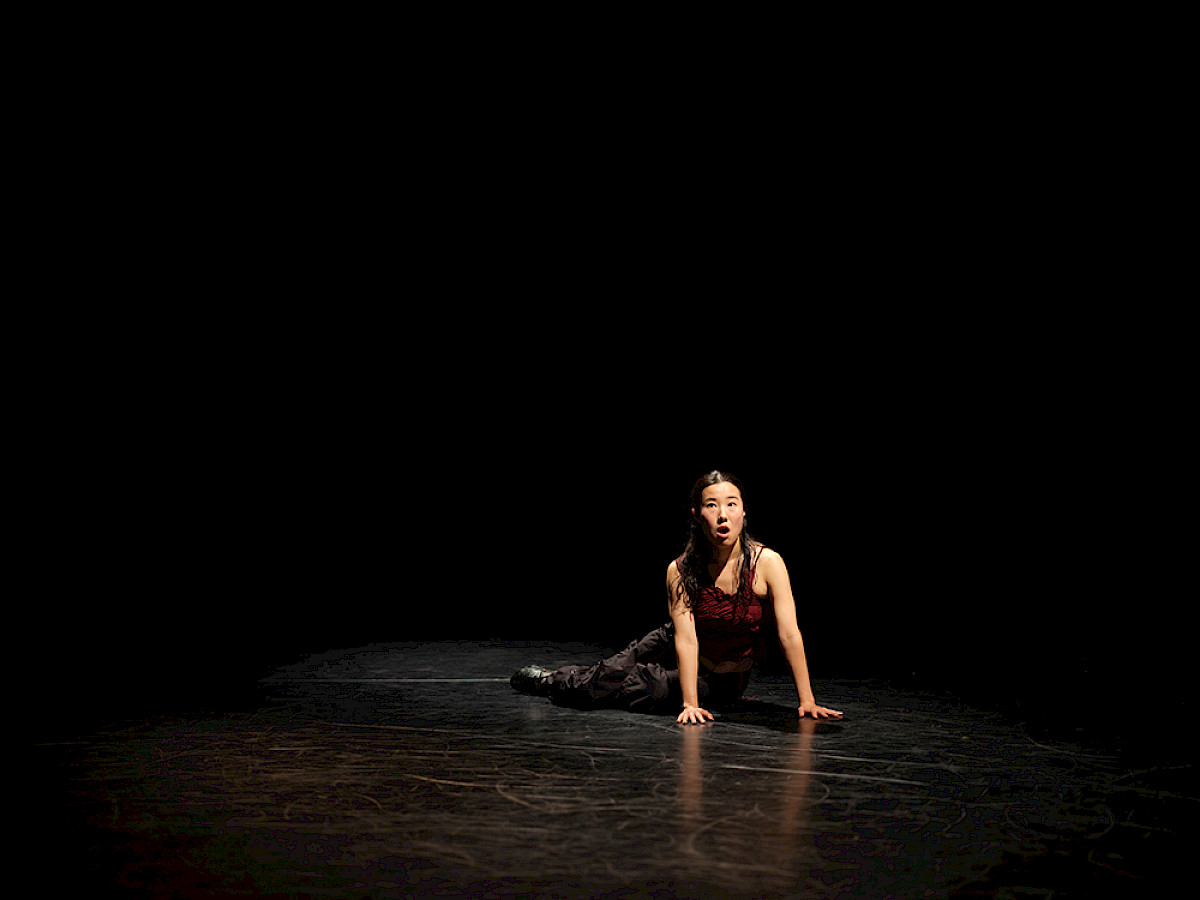
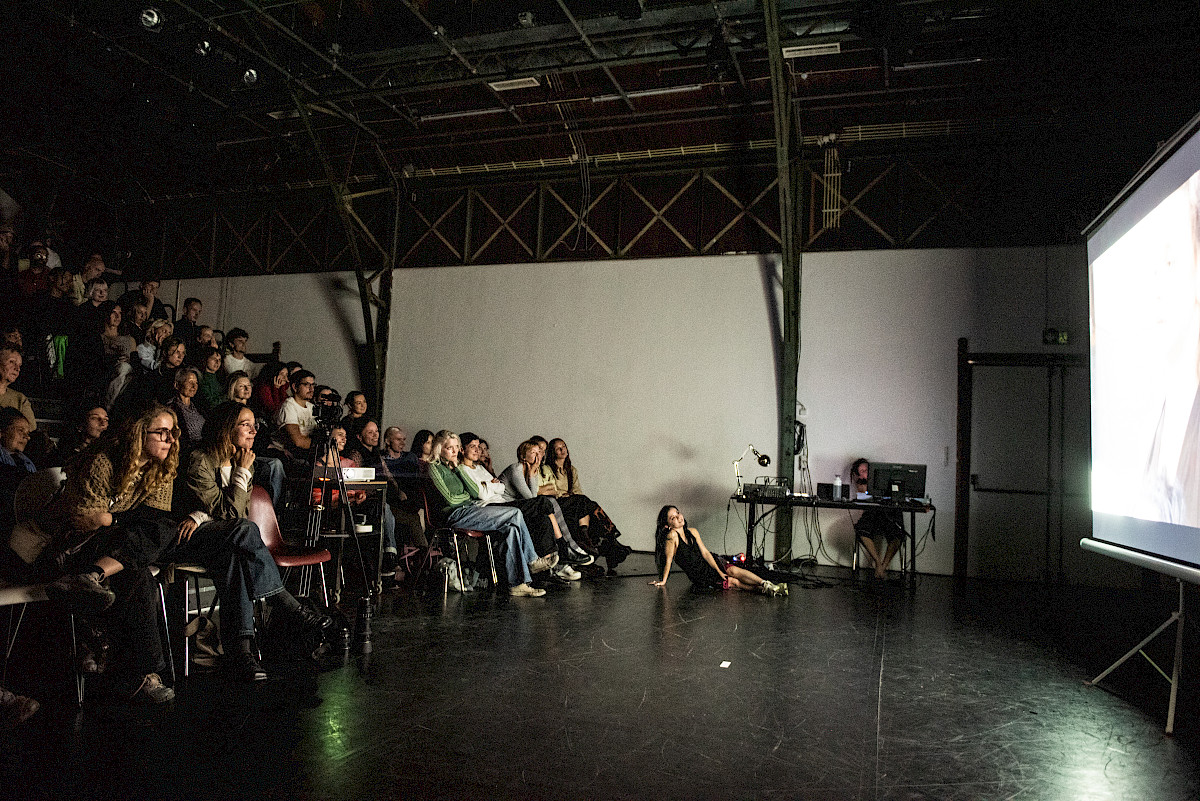
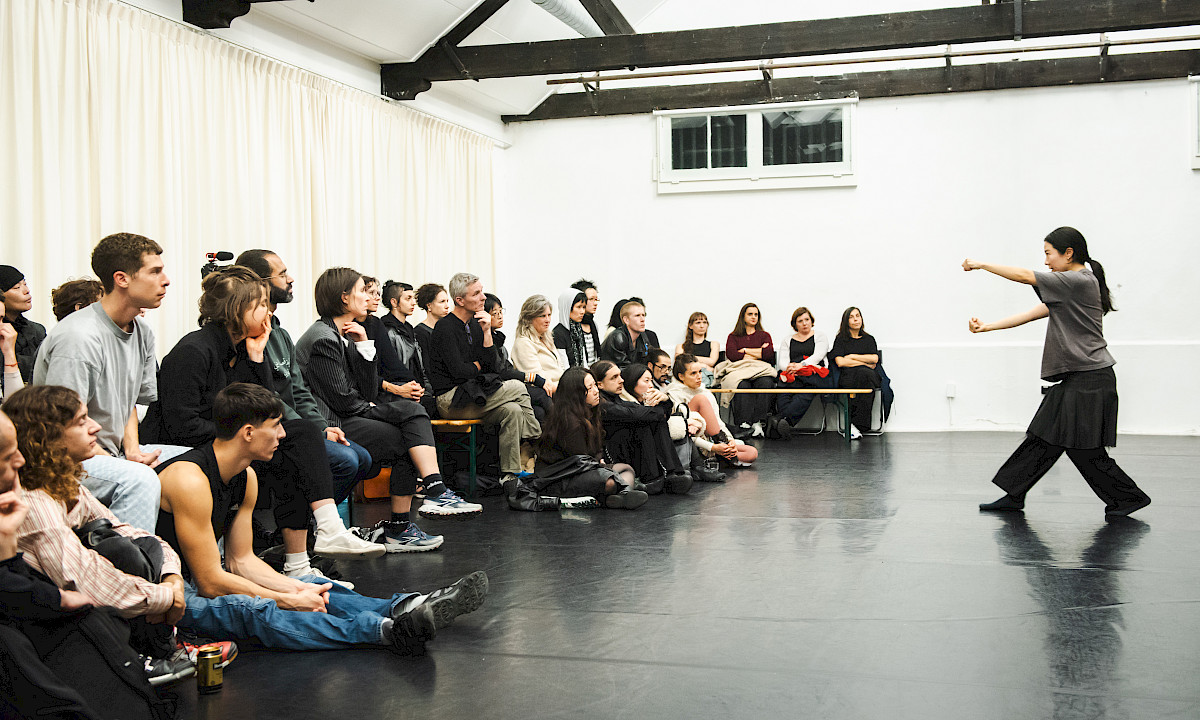
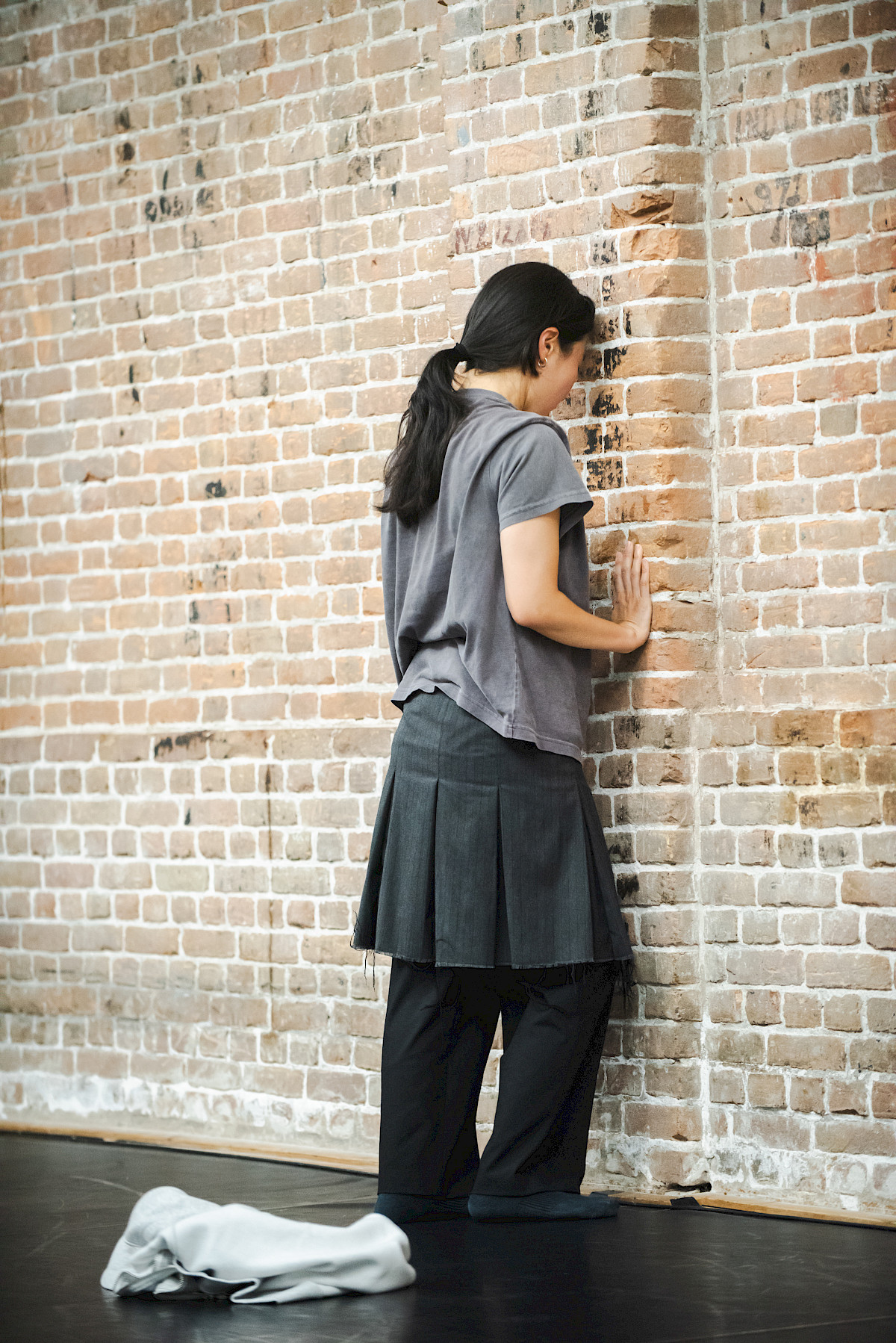
Hope for the Best, Prepare for the Worst is currently imagined as a solo performance that examines theatre as a resource in a time of extreme extraction. The work begins from a contradiction: the more resources are depleted, the more intensely the remaining ones are exploited. Yet there is one resource that is repeatedly overlooked because it is not immediately measurable or material: the audience. The bodies gathered in a theatre, their attention, imagination, capacity to witness and ability to collectively experience something are among the last resources available.
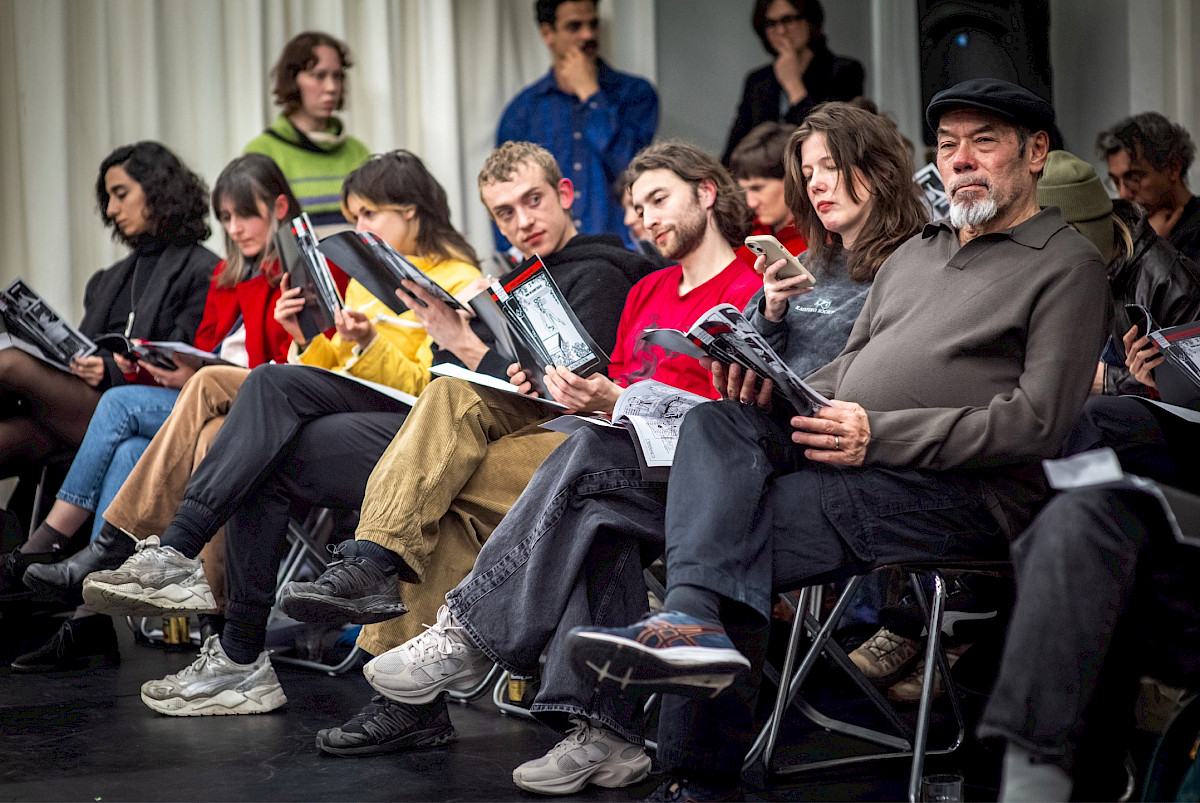
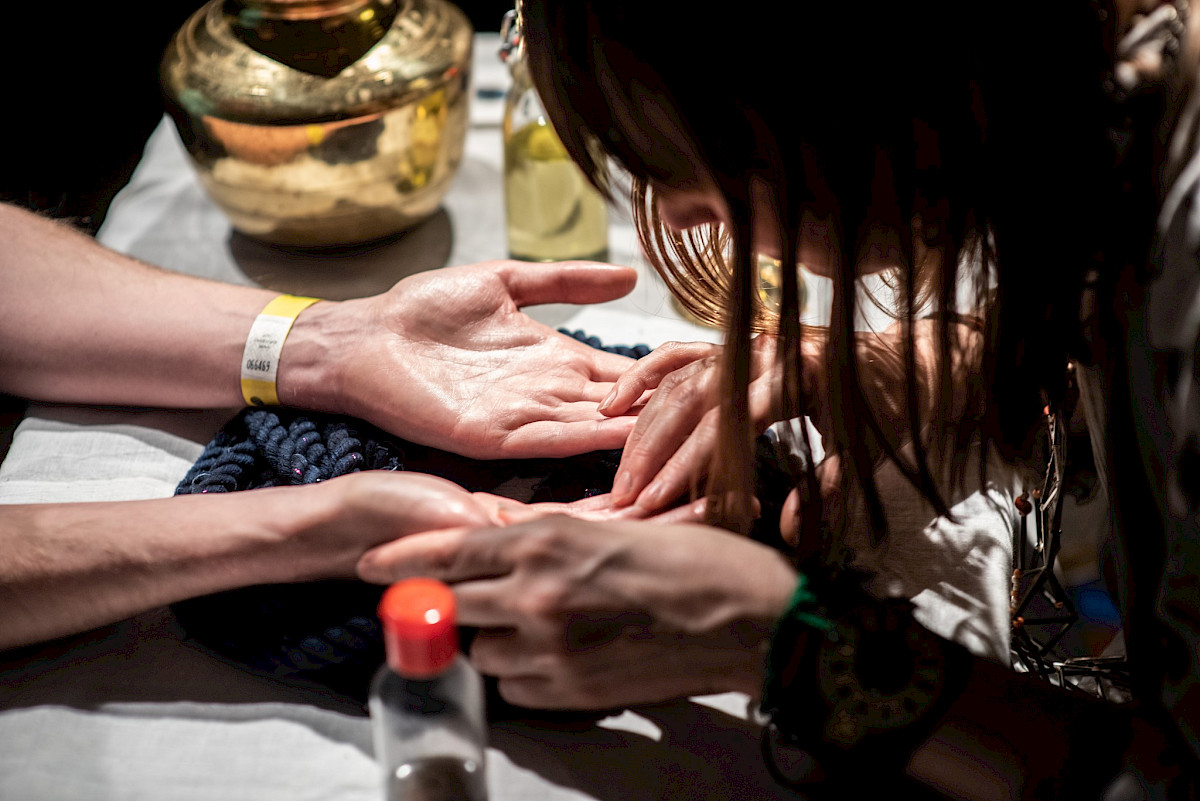
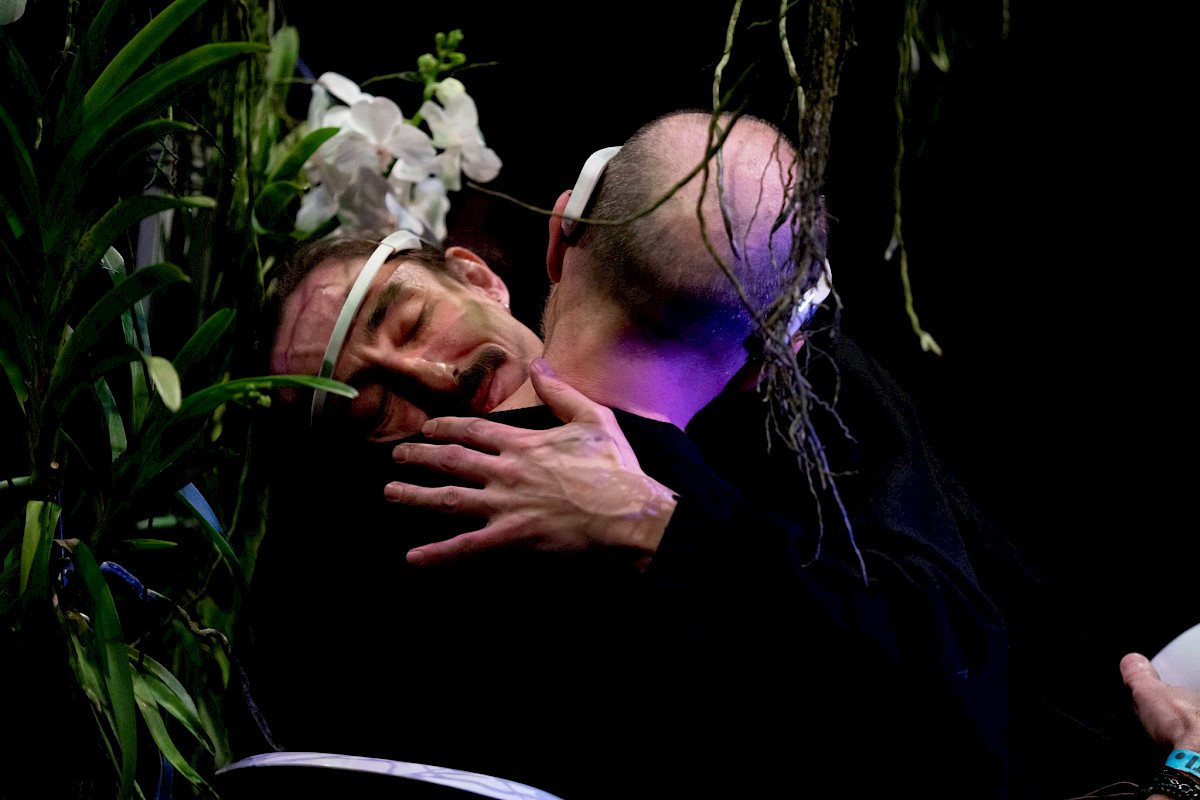
Ilioska will investigate what happens when the audience is no longer treated simply as the receiver of a performance, but as an active resource within its economy. What can be extracted from an audience? What can an audience generate? What remains when attention itself has become exhausted? And what political possibilities emerge from the fact that theatre can still gather people in the same room and ask them to imagine otherwise?
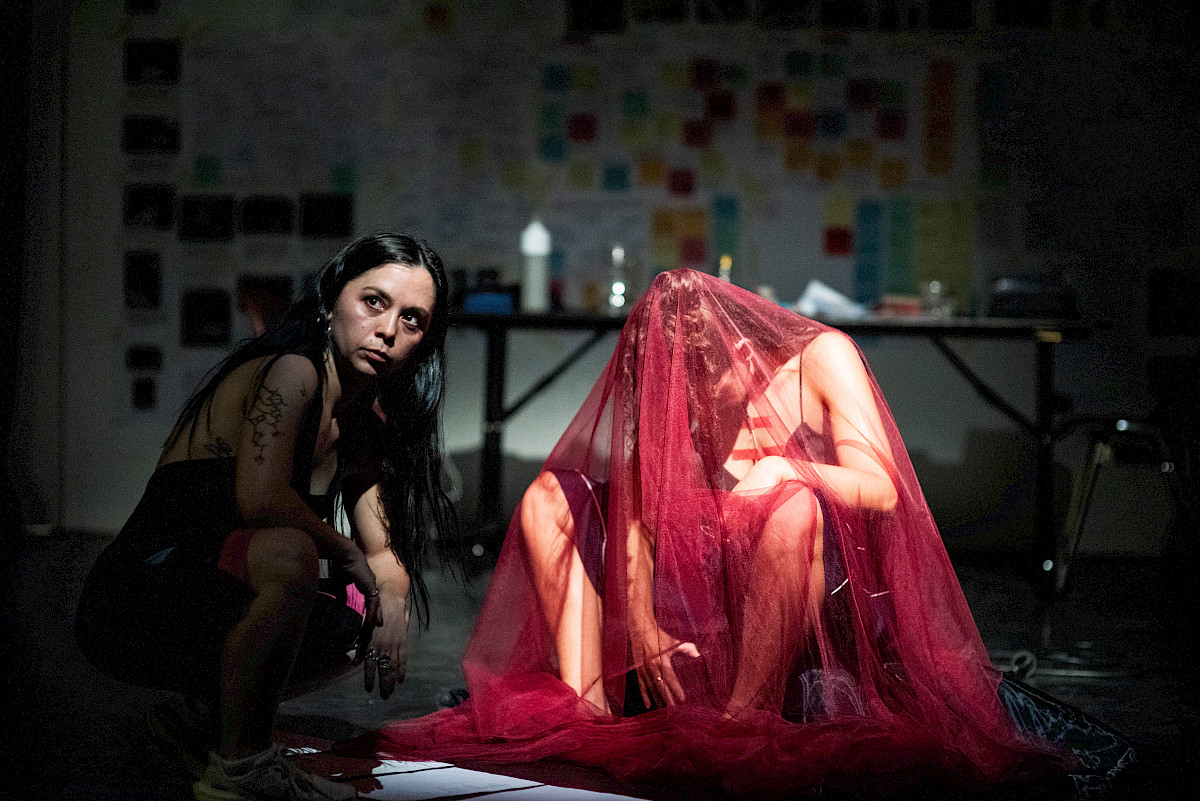
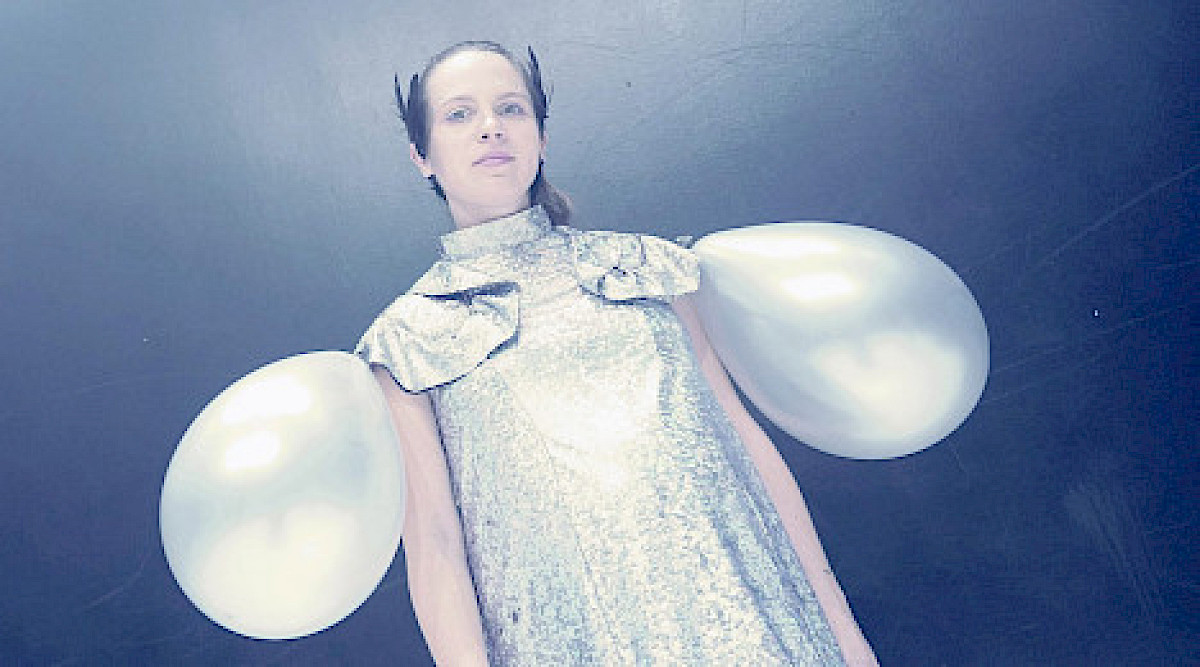
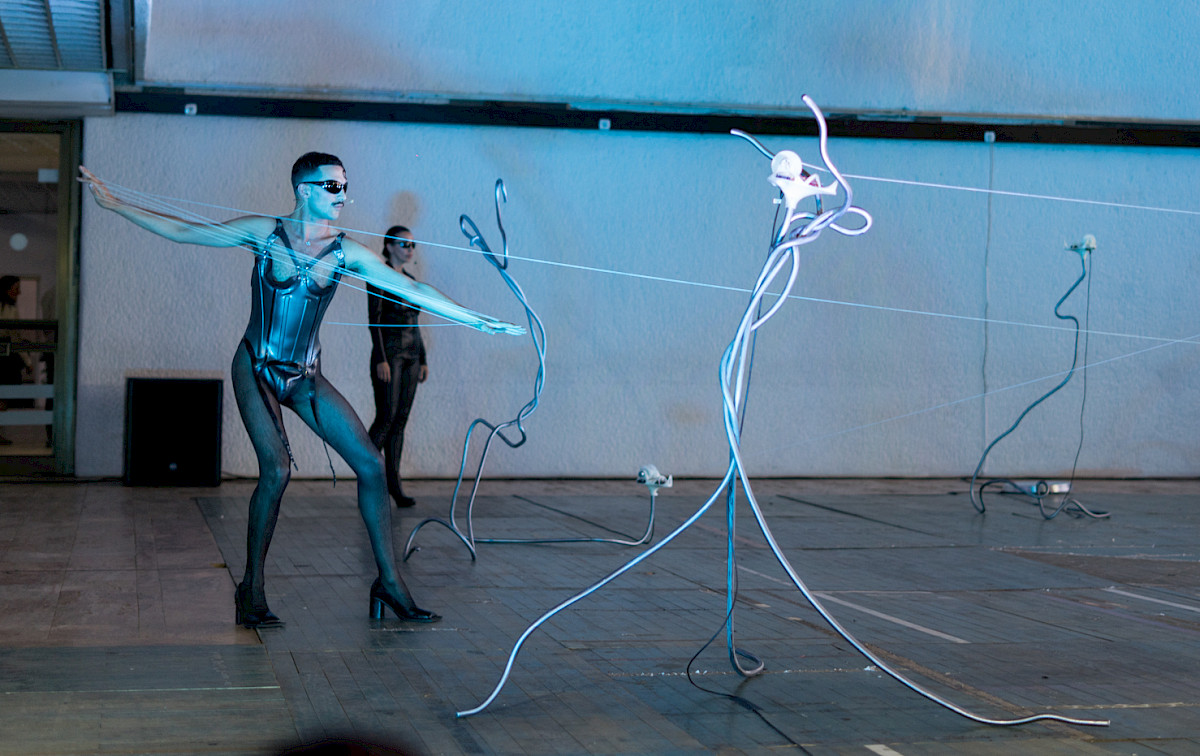
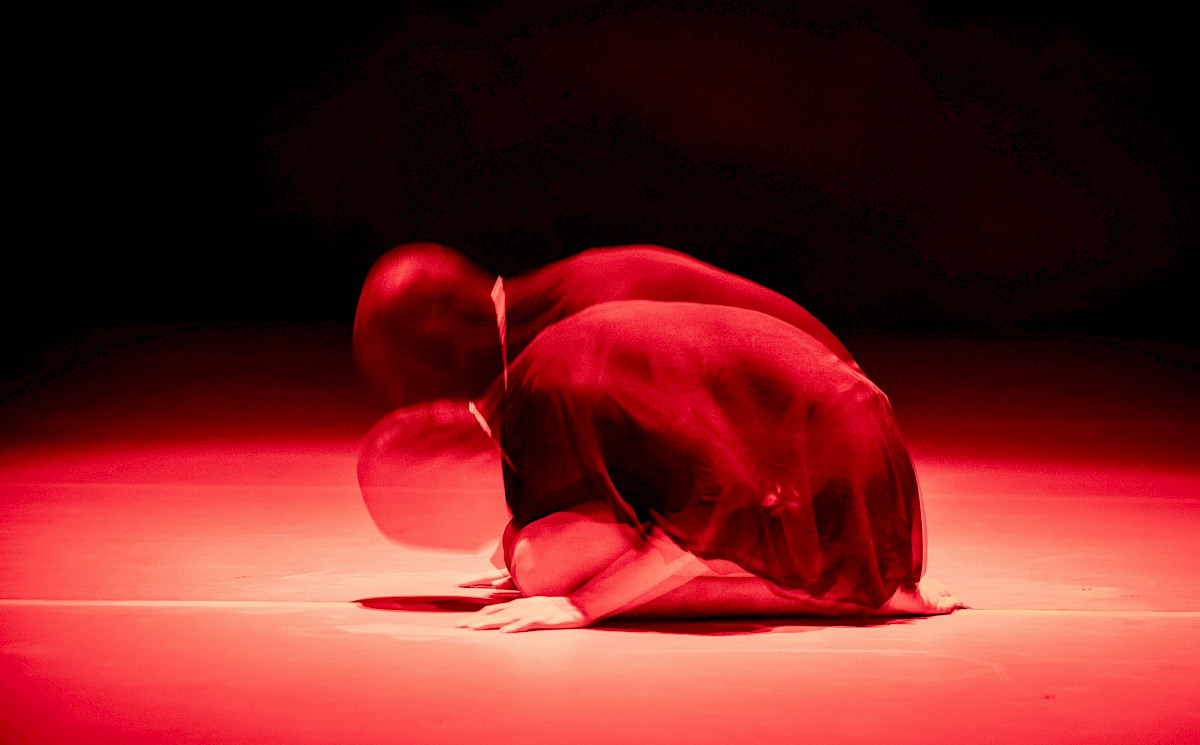
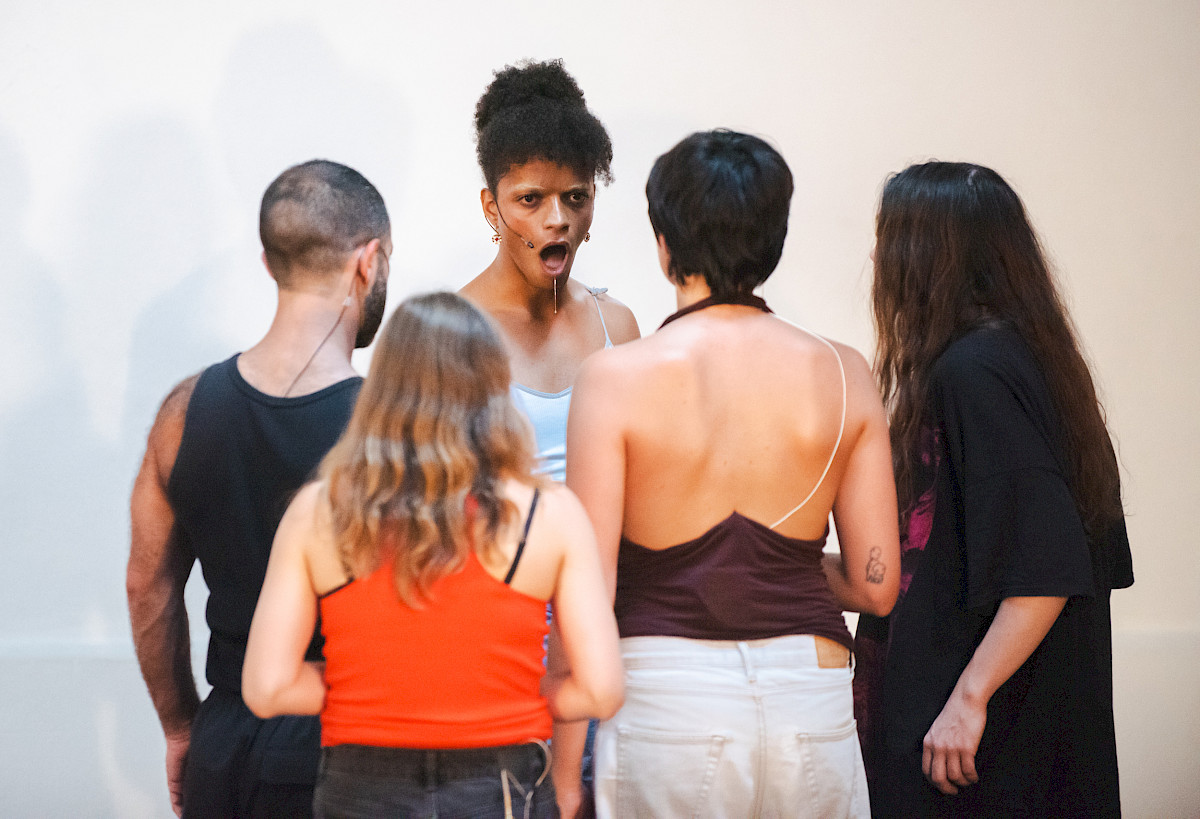
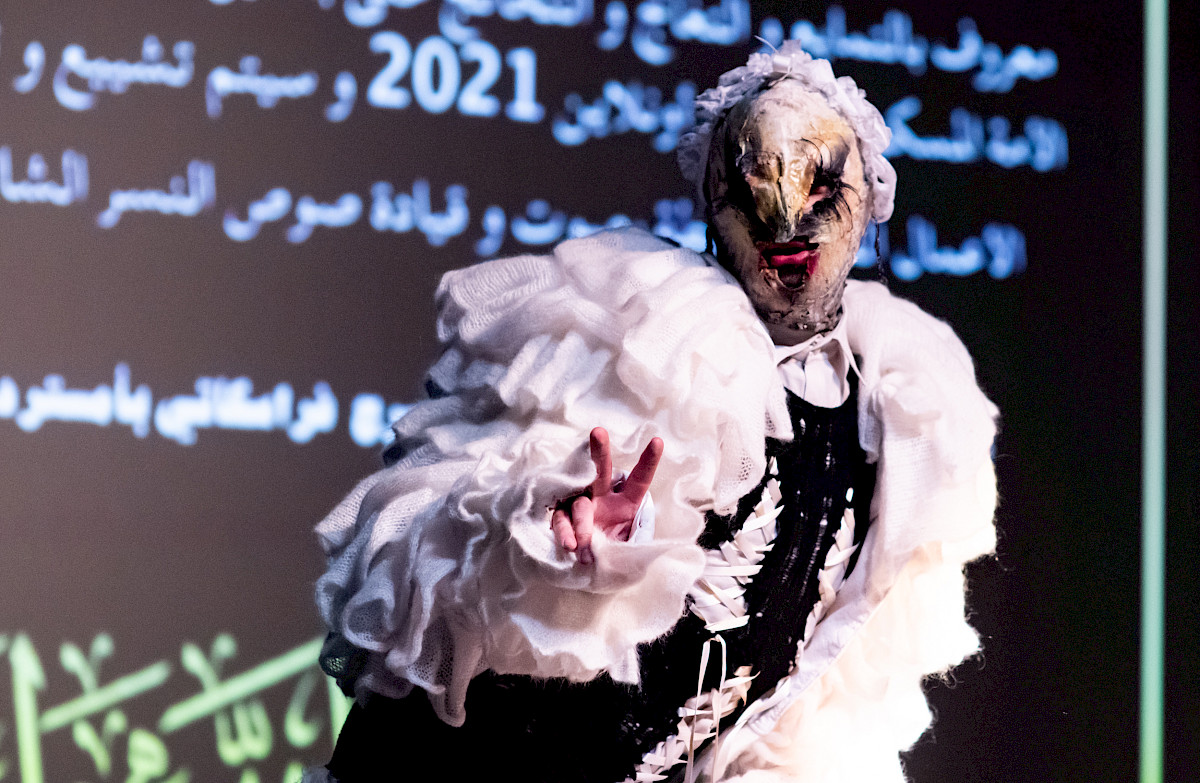
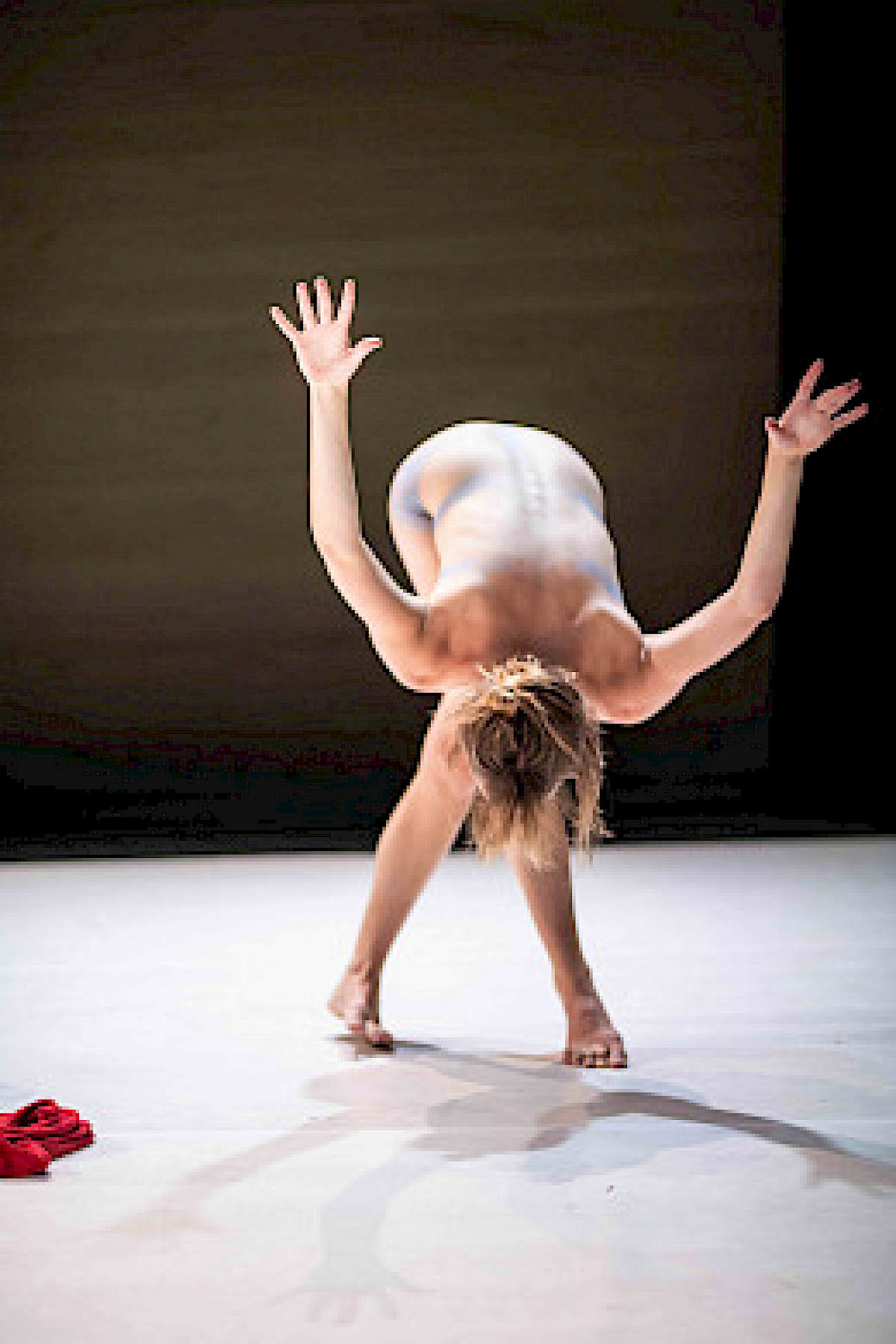
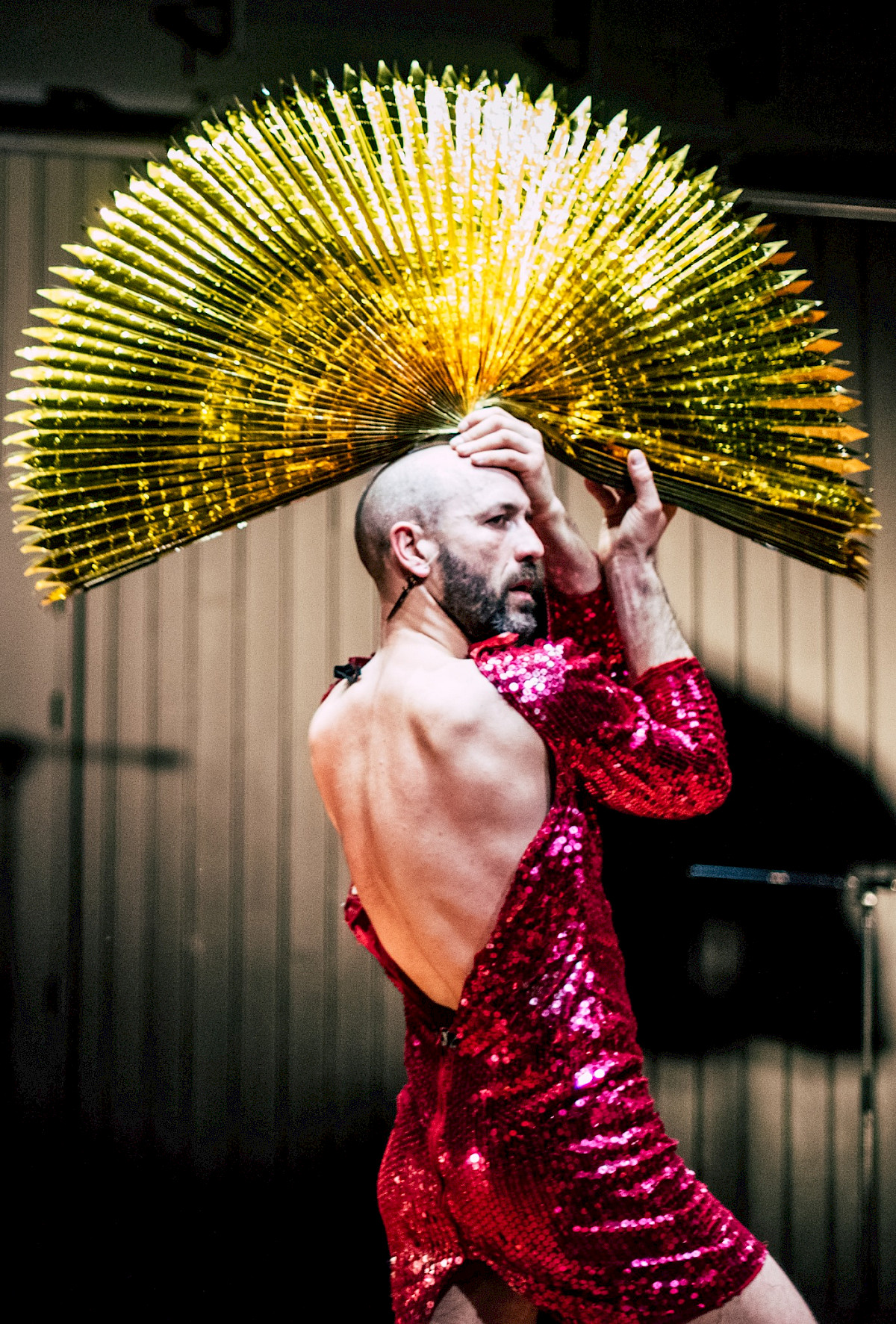
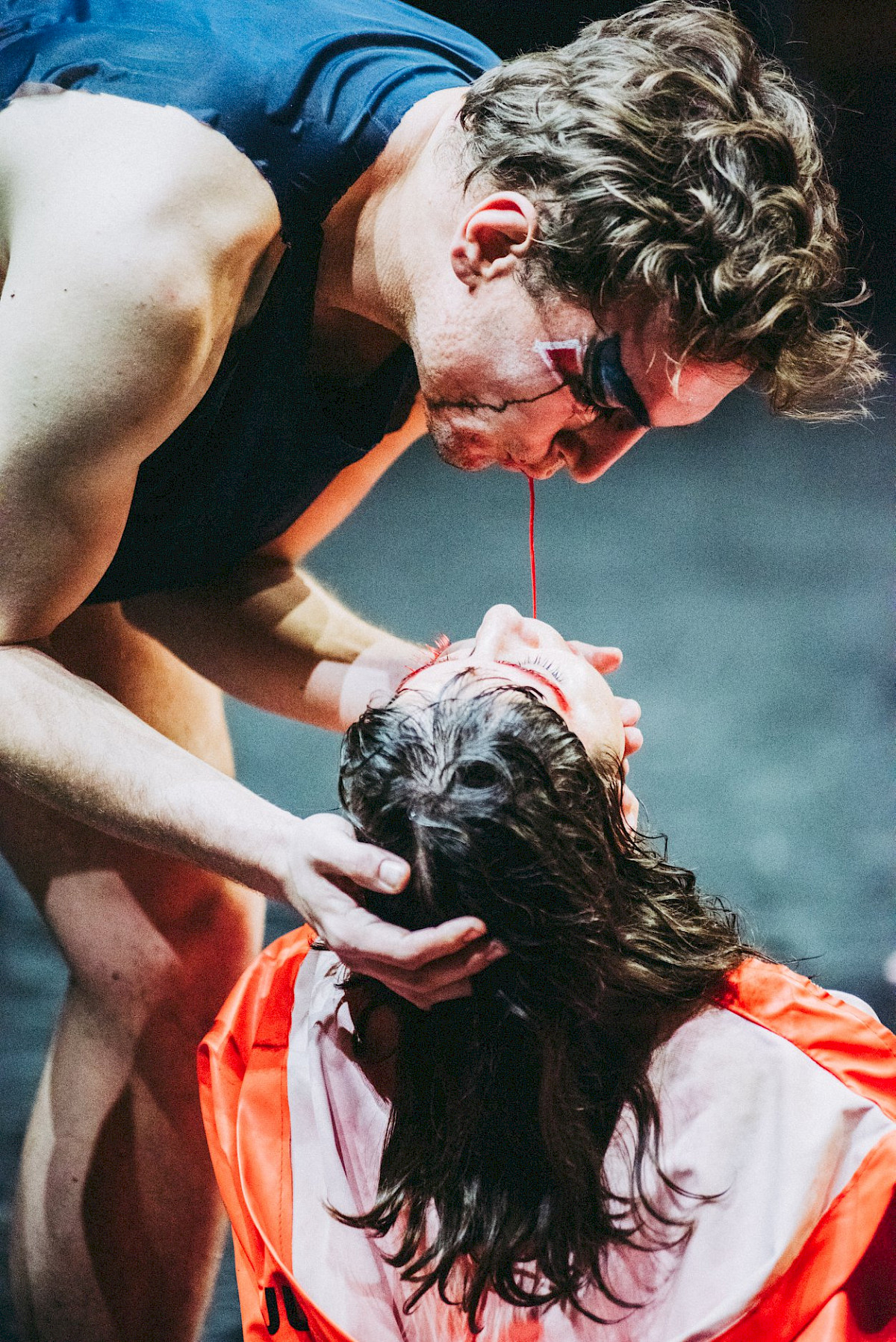
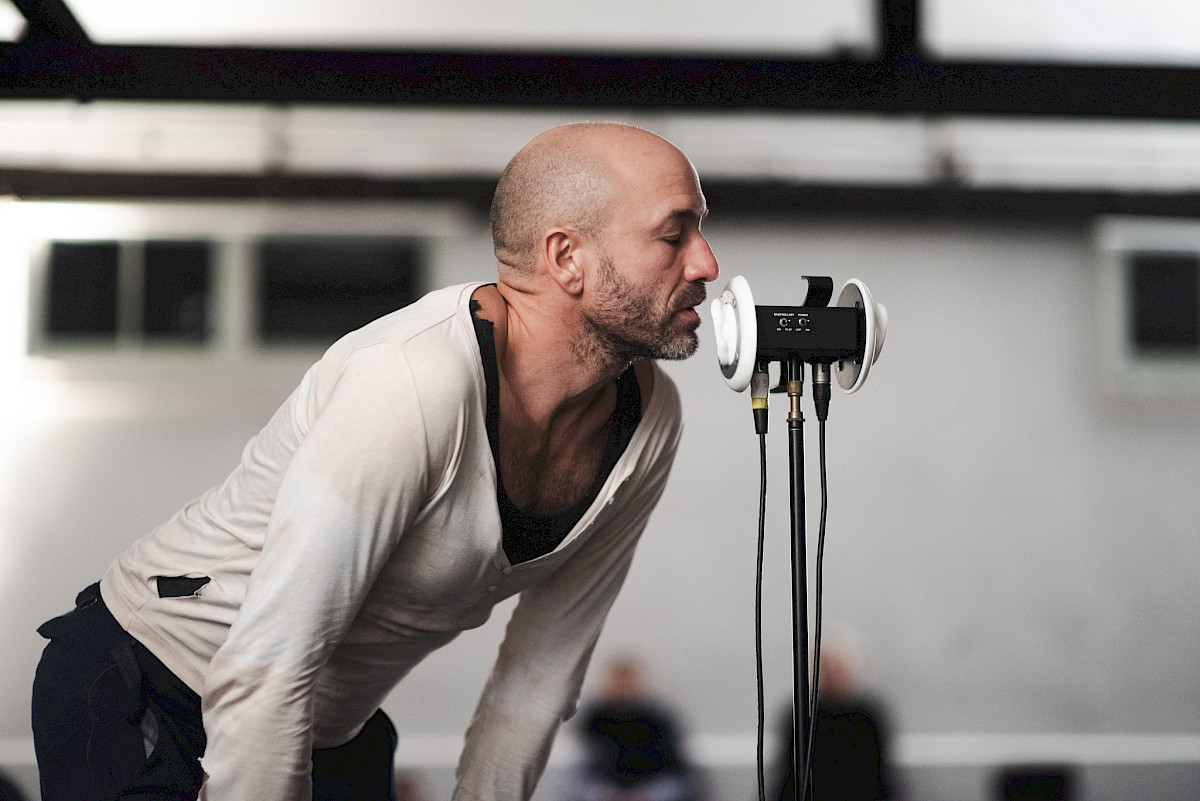
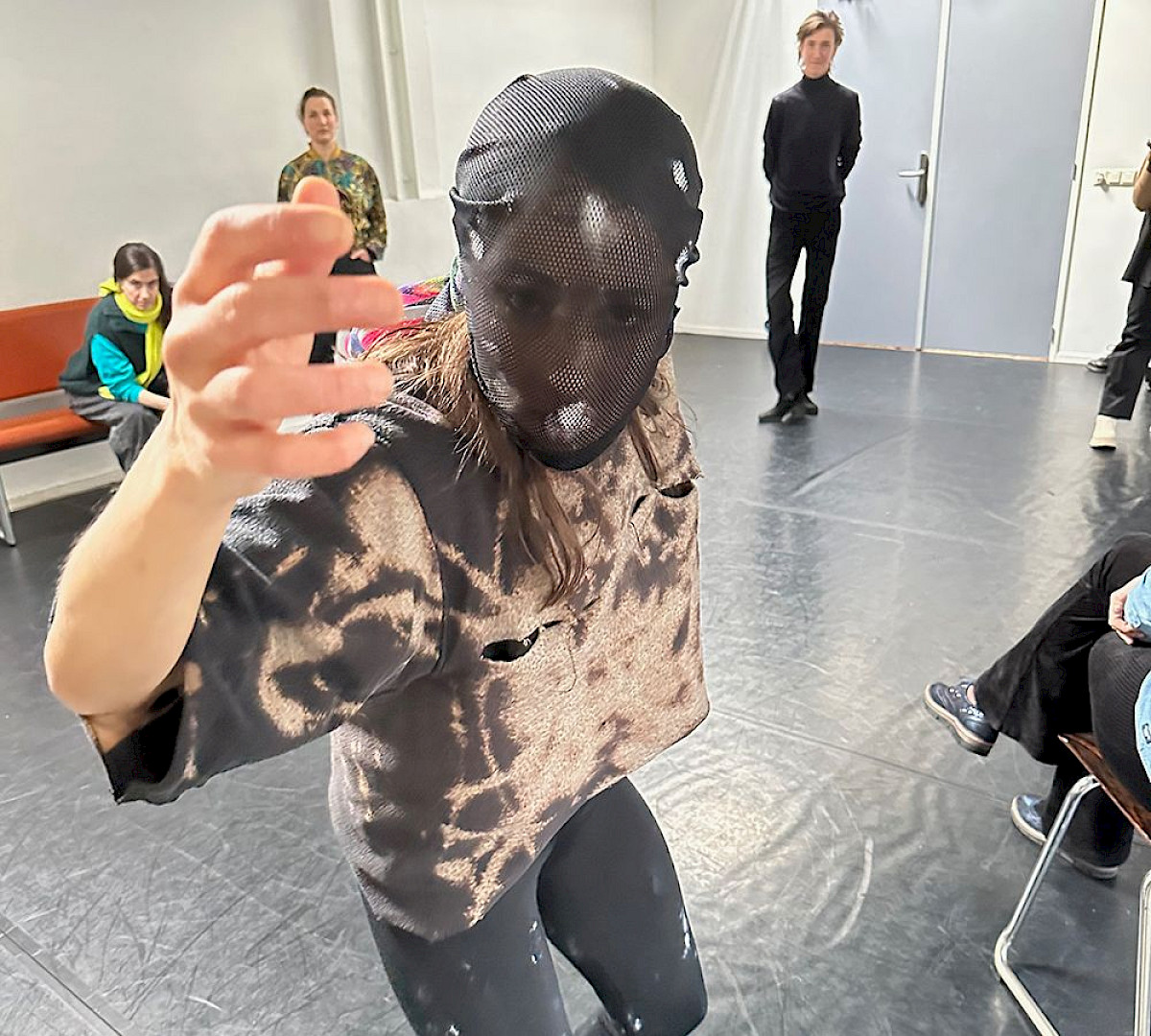
The project develops a strong aesthetic of extraction through movement, voice, sound, repetition, breath, pressure, endurance and accumulation. I am interested in creating an excessive theatrical world that oscillates between beauty and exhaustion, seduction and violence, pleasure and catastrophe. At its centre is the contradiction of a heavenly apocalypse: a space that can appear ecstatic, abundant and almost utopian while simultaneously revealing the mechanisms of depletion that sustain it.